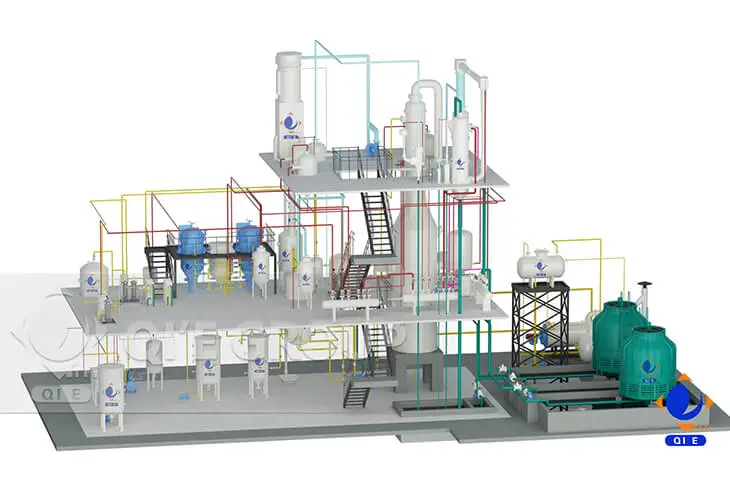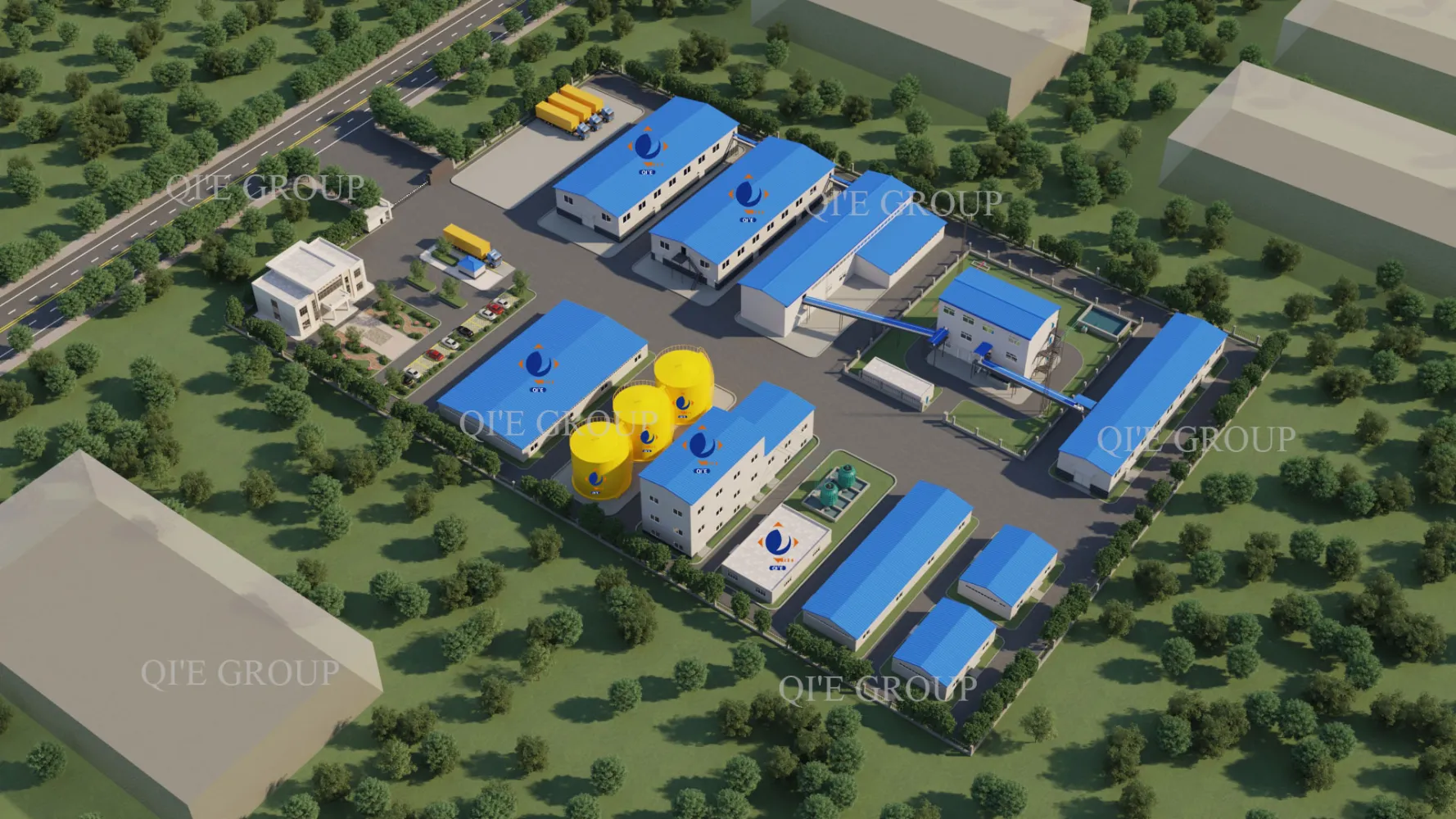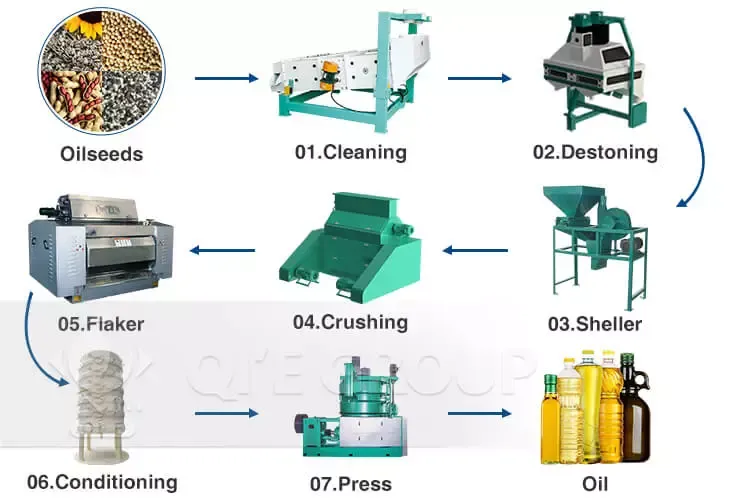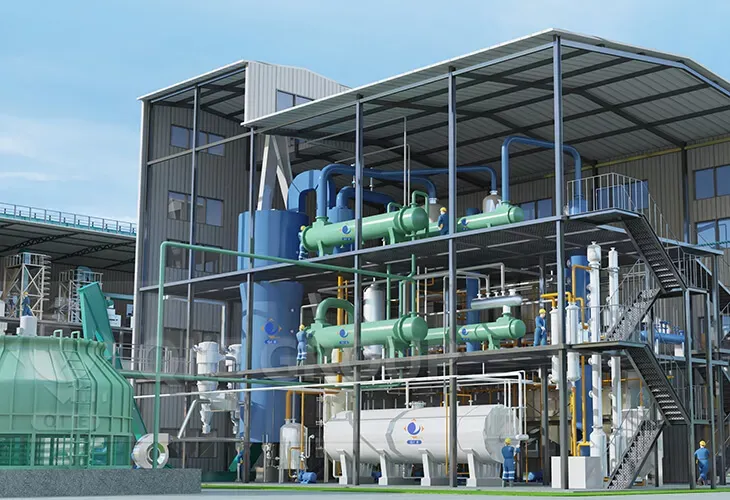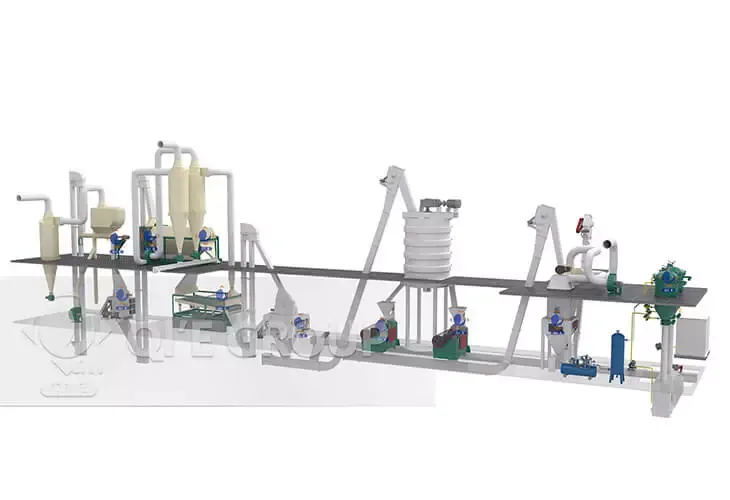

Degumming is the first crucial step in edible oil refining, significantly influencing the efficiency of subsequent neutralization, decolorization, and deodorization processes, as well as the overall product quality. In this article, we will delve into the key technical challenges in the degumming process, such as the impact of phospholipid and moisture residues on equipment and processes. We'll also highlight the application trends of automated control systems, including temperature control linkage and liquid - level sensing, in enhancing degumming stability and extending equipment lifespan.
Phospholipids and other impurities in crude oil can cause a series of problems in the subsequent refining processes. For example, residual phospholipids can lead to increased oil loss during neutralization, reduce the efficiency of decolorization by adsorbing on the adsorbent, and even cause unpleasant odors during deodorization. According to industry research, high levels of phospholipids can reduce the efficiency of subsequent processes by up to 30%, which directly affects the production cost and product quality.
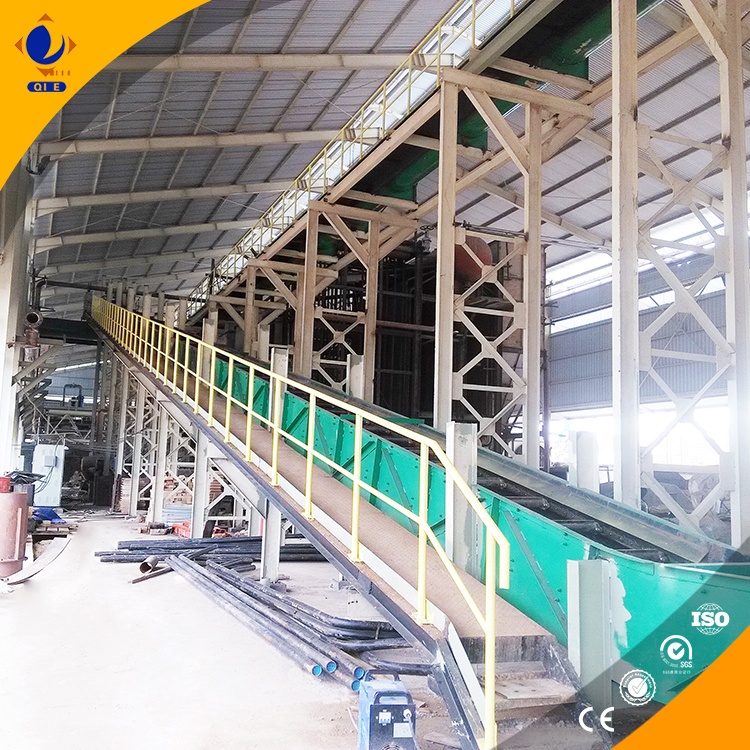
Let's take a look at a typical failure case. A medium - sized edible oil processing plant experienced a sudden drop in production efficiency and an increase in production costs due to degumming failure. The residual phospholipids and moisture in the degummed oil caused frequent blockages in the pipes and valves of subsequent equipment, resulting in a 20% reduction in production capacity and a significant increase in maintenance costs. By analyzing this case, we can clearly see the hidden dangers of degumming failure to production efficiency and cost.
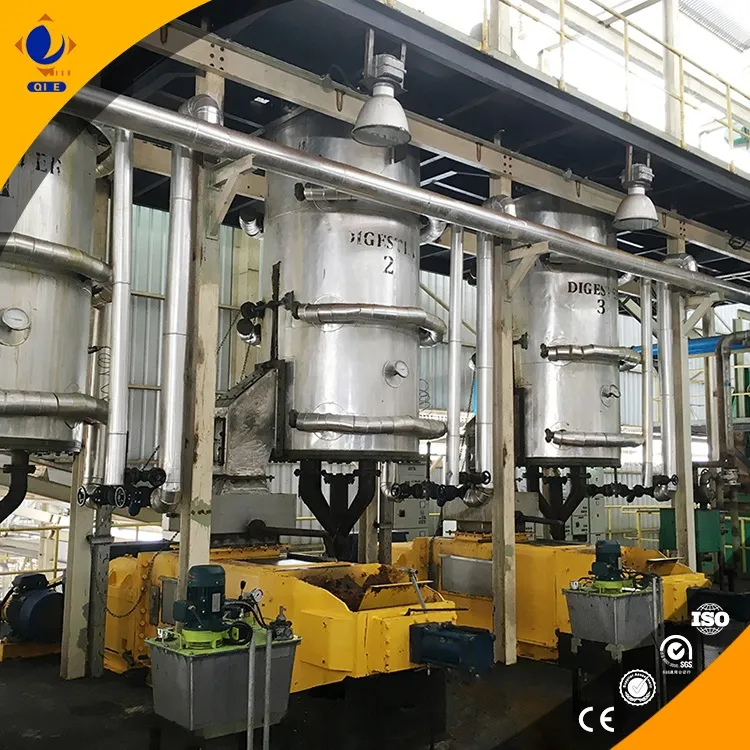
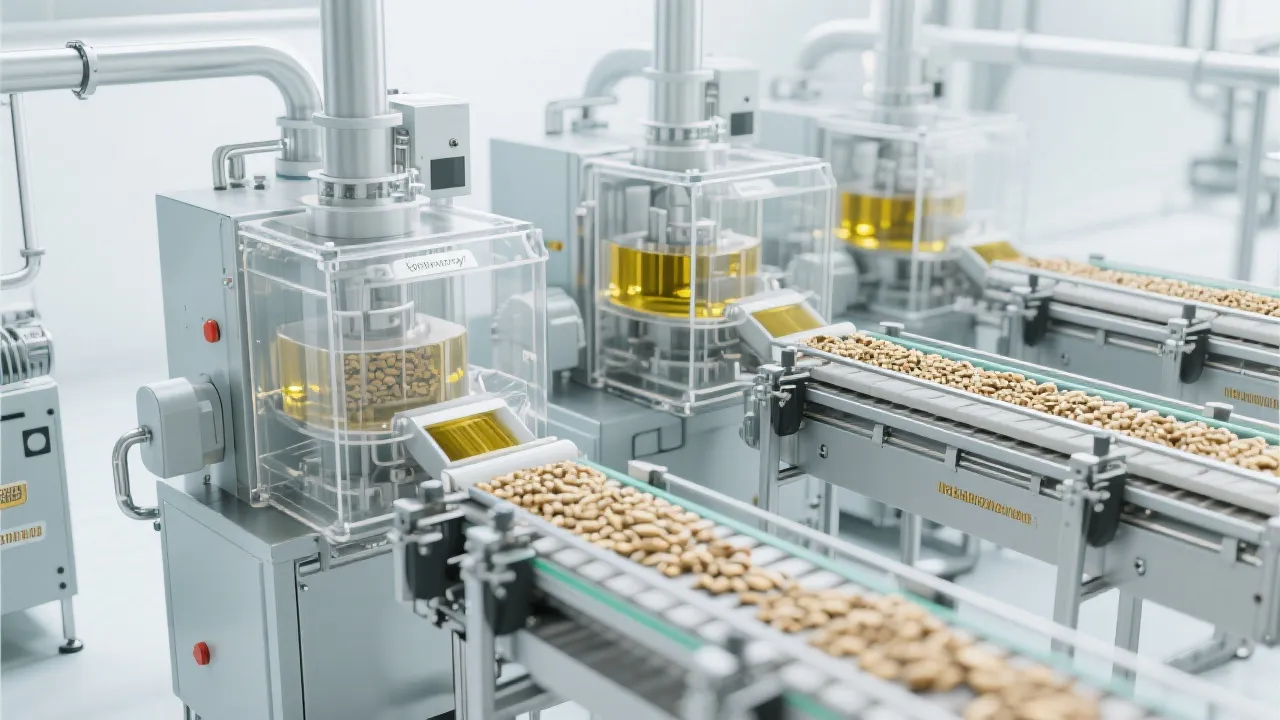
Automated control systems have brought revolutionary changes to the degumming process. Temperature control linkage technology can precisely adjust the temperature according to the characteristics of the oil and the degumming agent, ensuring that the degumming reaction occurs under the most suitable conditions. Liquid - level sensing technology can accurately monitor the liquid level in the degumming tank, preventing overflow or insufficient liquid level, which can affect the degumming effect. Smart feedback adjustment technology can collect and analyze real - time data during the degumming process, and automatically adjust the process parameters to achieve data - driven process optimization.
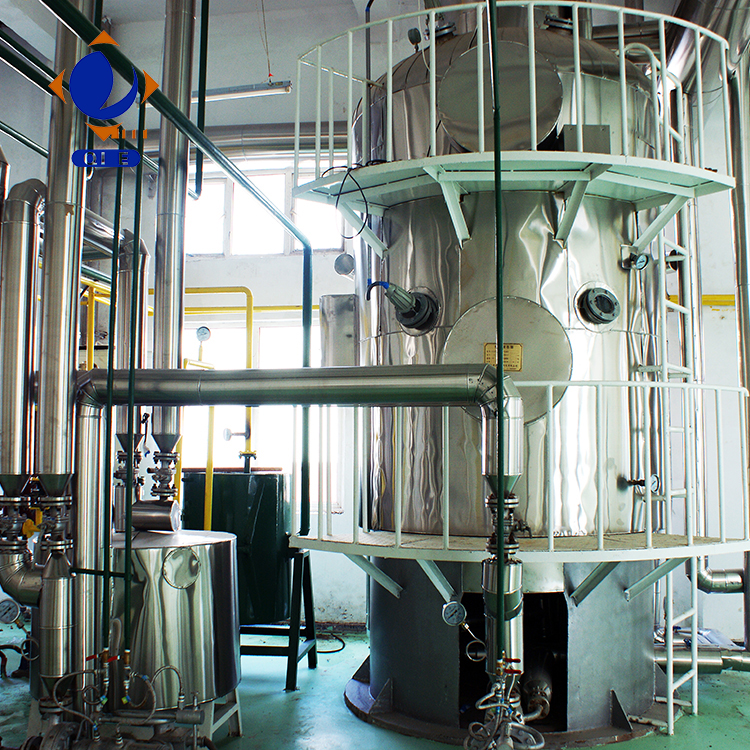
For example, a large - scale edible oil processing enterprise introduced an automated control system in its degumming section. After one year of operation, the stability of the degumming process increased by 25%, and the service life of the equipment was extended by about 15%. These data clearly demonstrate the effectiveness of automated control systems.
From a technical perspective, automated control systems can effectively solve the technical challenges in the degumming process. From an engineering perspective, they can simplify the operation process and reduce the difficulty of engineering implementation. From an operation and maintenance perspective, they can reduce the frequency of equipment failures and maintenance costs, and improve the overall efficiency of the production line.
| Perspective | Benefits |
|---|---|
| Technical | Solve key technical challenges, improve degumming stability |
| Engineering | Simplify operation process, reduce implementation difficulty |
| Operation and Maintenance | Reduce equipment failures, lower maintenance costs |
In conclusion, the application of automated control systems in the degumming section of edible oil refining is an inevitable trend. It can not only improve the stability of the degumming process and the quality of the final product but also extend the service life of the equipment and reduce production costs. QIE Group is at the forefront of this field, with advanced refining equipment and automated technologies that can help edible oil processing enterprises achieve significant process optimization.