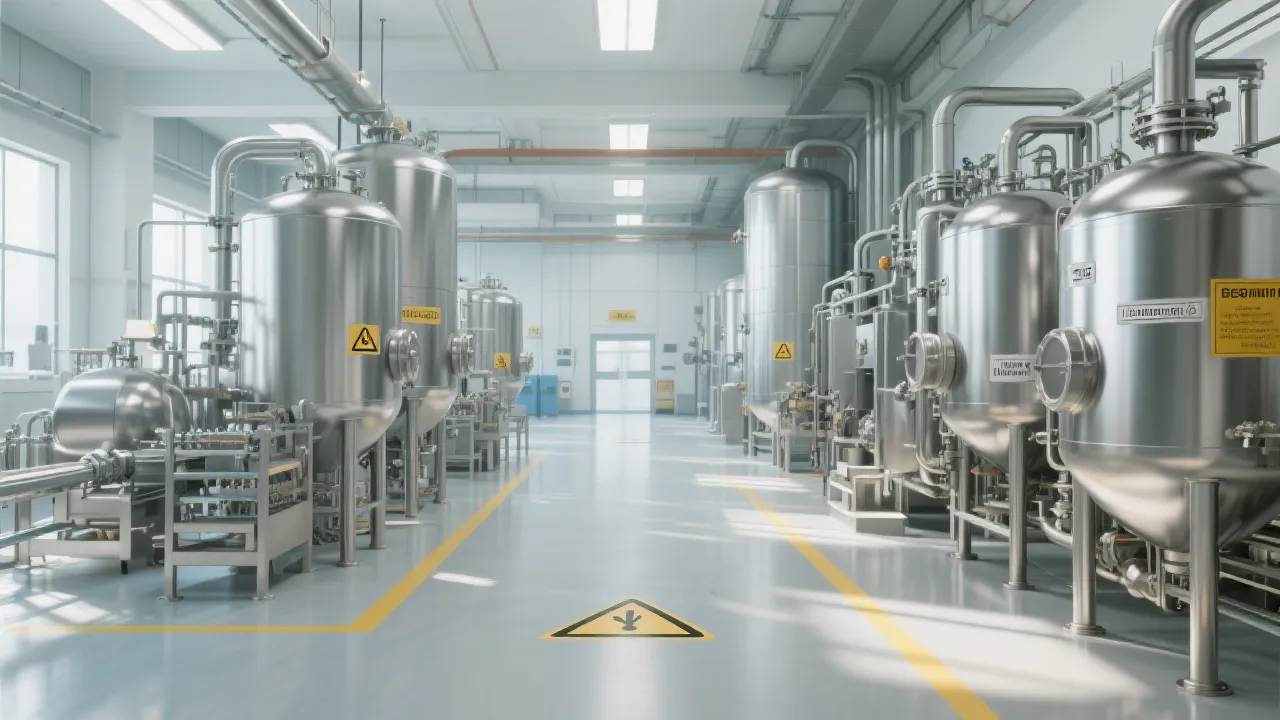
In the edible oil refining process, degumming is the crucial first step that determines the efficiency of subsequent processes and the quality of the final product. It acts as the foundation for the entire refining line. Without proper degumming, the quality of the refined oil can be severely compromised. For example, in a large - scale edible oil refinery, a well - executed degumming process can increase the overall yield of high - quality oil by up to 10%.
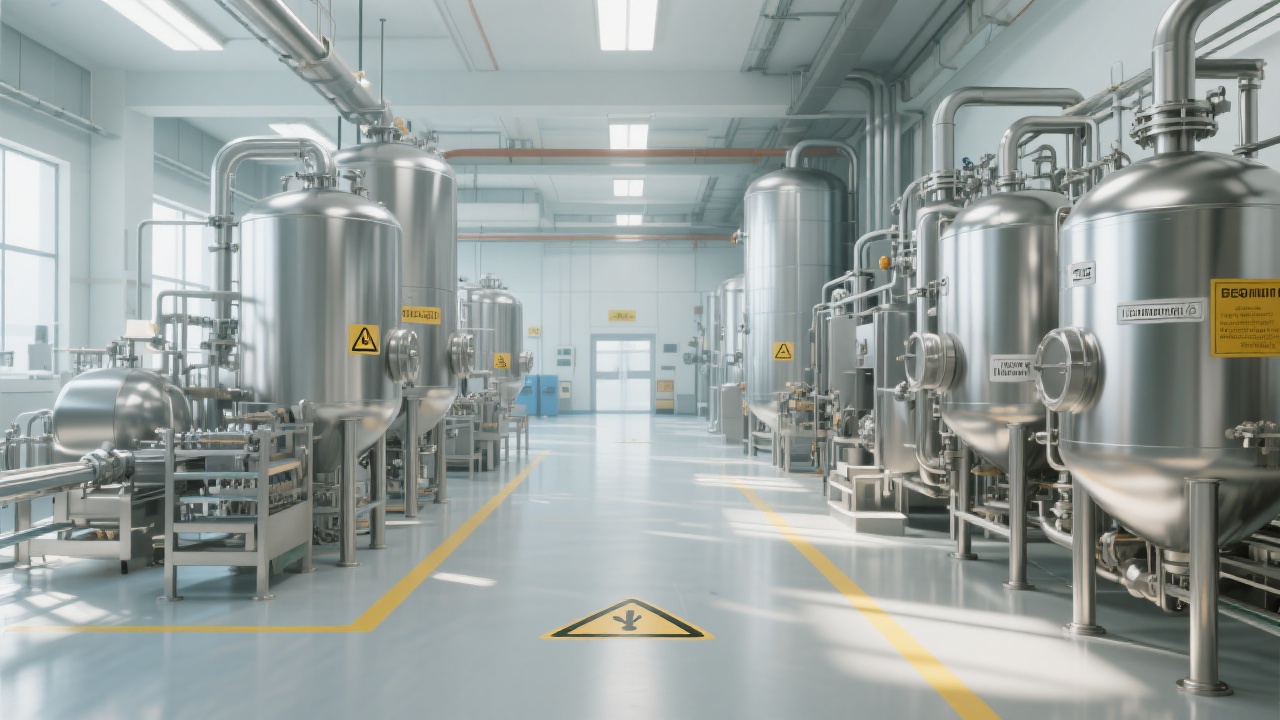
Degumming failures can lead to a series of problems in subsequent processes. One common issue is abnormal consumption of decolorizing agents. When degumming fails, excessive phospholipids remain in the oil. These phospholipids can react with decolorizing agents during the decolorization process, causing abnormal consumption. In some cases, the consumption of decolorizing agents can increase by 20 - 30%. Another problem is equipment scaling. Phospholipids can adhere to the inner walls of equipment, forming scale, which reduces the heat transfer efficiency of the equipment and shortens its service life. For example, in heat exchangers, scaling can reduce heat transfer efficiency by up to 40%.
Hydration degumming is a traditional method. It is relatively simple and has low cost. However, it is not very effective in removing non - hydratable phospholipids. Acid degumming, on the other hand, can effectively remove non - hydratable phospholipids, but it requires more complex equipment and higher operating costs. Generally, hydration degumming is suitable for oils with low phospholipid content, while acid degumming is more suitable for oils with high non - hydratable phospholipid content.
| Degumming Method | Advantages | Disadvantages | Applicable Scenarios |
|---|---|---|---|
| Hydration Degumming | Simple, low cost | Ineffective for non - hydratable phospholipids | Oils with low phospholipid content |
| Acid Degumming | Effective for non - hydratable phospholipids | Complex equipment, high operating cost | Oils with high non - hydratable phospholipid content |
Automated control systems can significantly improve the stability and consistency of the degumming process. Temperature control linkage is one of the important applications. By accurately controlling the temperature during the degumming process, the reaction rate of phospholipids can be optimized. For example, maintaining the temperature at 60 - 70°C can increase the phospholipid removal rate by 15 - 20%. Level feedback is also crucial. It can ensure that the oil and reagents are at the appropriate levels in the reaction tank, preventing overflow or insufficient reaction.
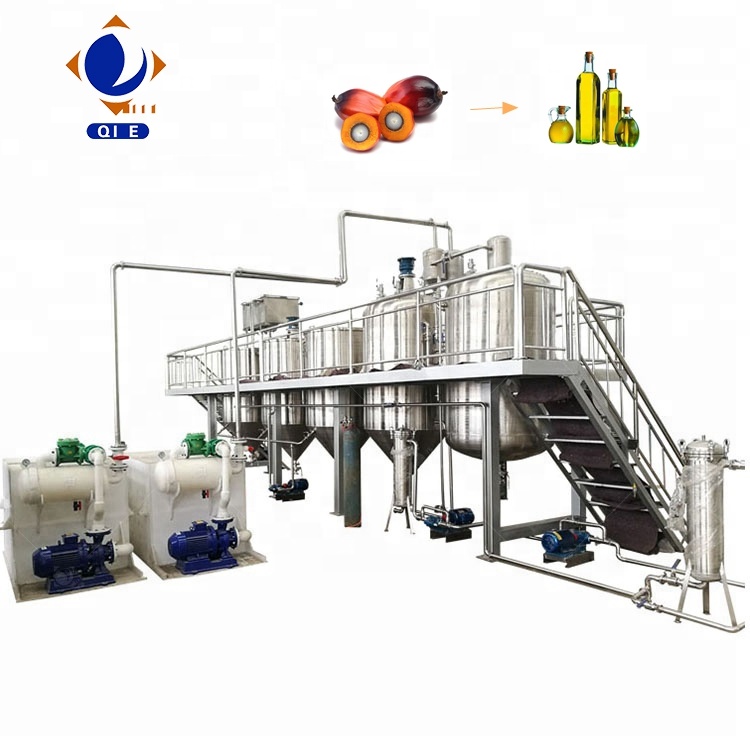
Adjusting the stirring intensity is an important optimization measure. Appropriate stirring can ensure uniform mixing of oil and reagents, improving the degumming effect. Generally, the stirring speed can be set at 30 - 50 rpm. Controlling moisture is also critical. Excessive moisture can lead to emulsion problems, while insufficient moisture can reduce the degumming efficiency. The moisture content should be controlled at about 2 - 3%.
In the past, the degumming process was mainly based on experience. However, with the development of the industry, the limitations of experience - driven operations have become increasingly apparent. Data - driven operations can provide more accurate and objective guidance. For example, by analyzing historical data, enterprises can accurately predict the optimal process parameters for different types of oils. This can reduce the failure rate of degumming from 15% to less than 5%.
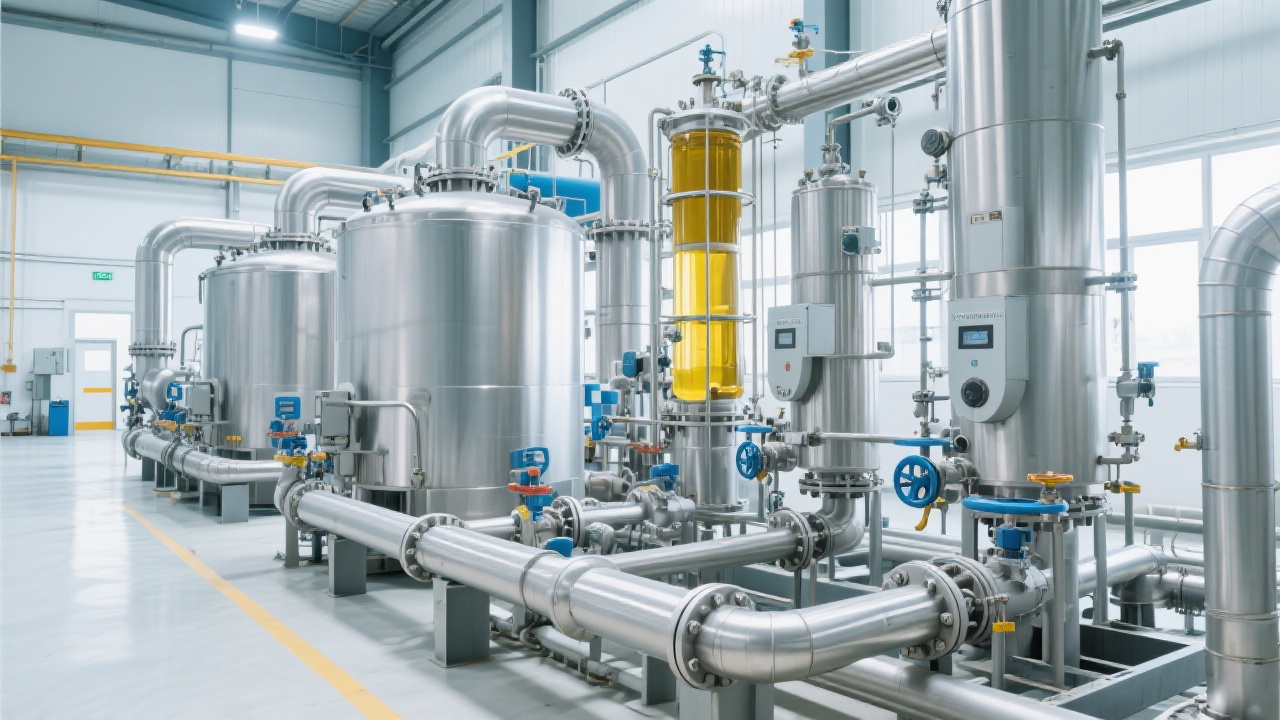
To address the challenges in the edible oil degumming process and achieve a smooth transition from experience - based to data - driven production, QI'E Group offers customized solutions. If you are looking to enhance the quality and efficiency of your edible oil refining process, contact QI'E Group today to explore how our expertise can benefit your business.

 <#else>