Advantages of Combined Degumming and Deacidification in Plant Oil Dewaxing: Practical Insights for Efficiency and Quality Improvement

20 12,2025
QI ' E Group
Application Tips
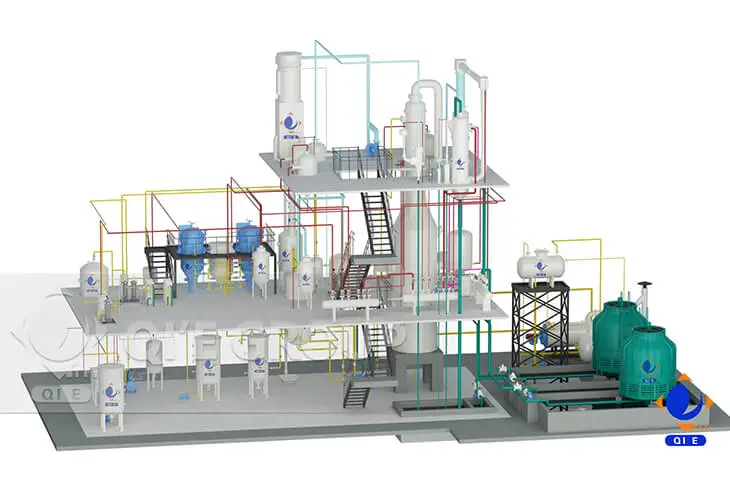
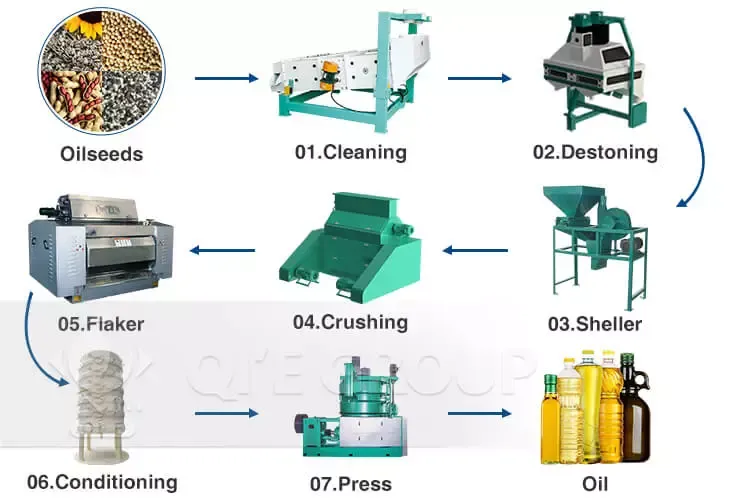
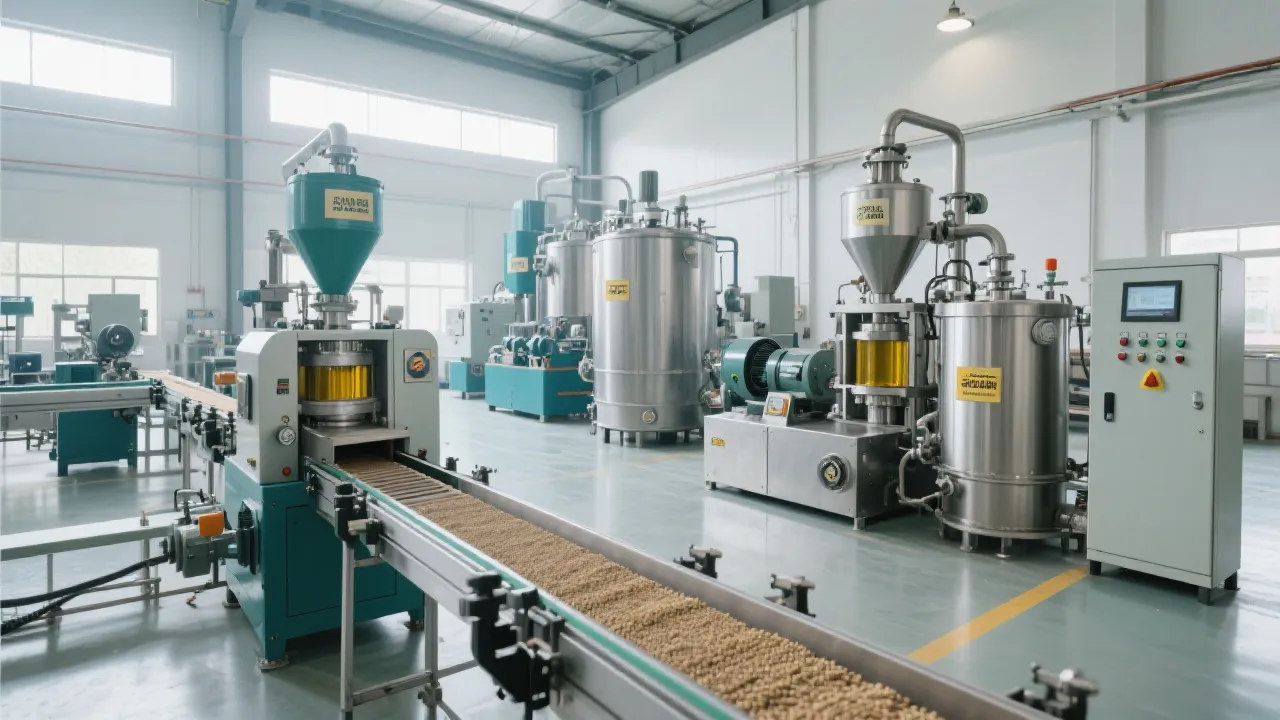
In plant oil refining, dewaxing significantly impacts final product quality and market competitiveness. This article explores the unique benefits of the combined degumming and deacidification method—enabling simultaneous removal of phospholipids and free fatty acids while enhancing low-temperature crystallization efficiency and wax recovery rate. Based on real-world applications with palm oil and peanut oil, this approach reduces energy consumption, simplifies operations, and outperforms conventional, solvent-based, and surfactant-assisted methods. Drawing from QIE Group’s engineering data across multiple small-to-medium-scale facilities, the article provides actionable insights for process optimization, cost savings, and quality enhancement—ideal for technical managers, production supervisors, and procurement teams seeking informed decision-making.
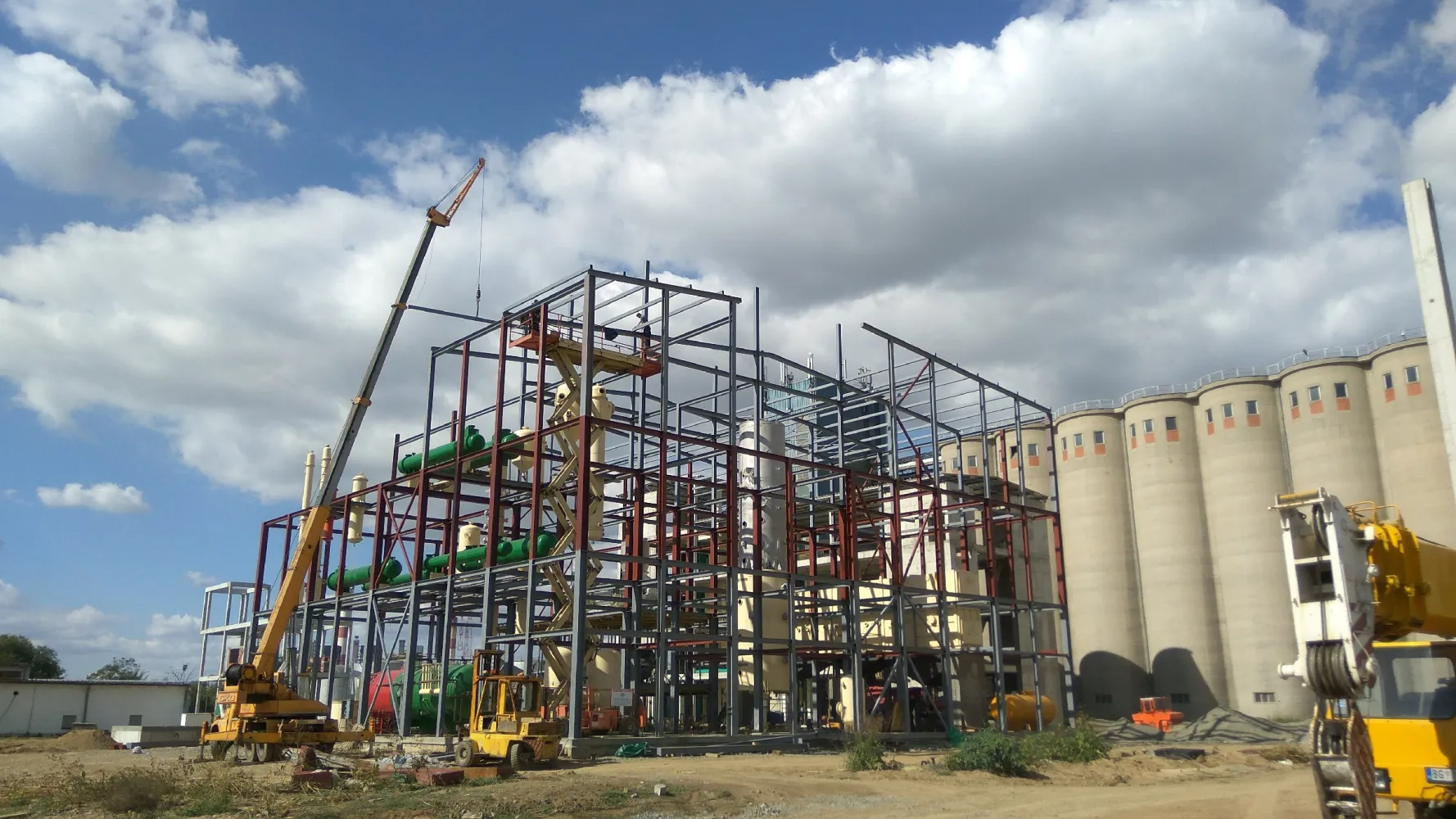
Hafdee27a45a54c9281fcfa8fcbc7cfdbv.jpg

Why Combined Dehydration and Acid Removal Boosts Wax Separation in Edible Oil Refining

In the competitive world of edible oil refining, efficiency isn’t just about speed—it’s about precision, consistency, and cost control. For small- to mid-scale producers, choosing the right wax removal method can make or break profitability. Traditional approaches like solvent extraction or surfactant-assisted crystallization often come with high energy costs, complex setups, and inconsistent yields.

The Power of Synergy: How Combined Dehydration and Acid Removal Works

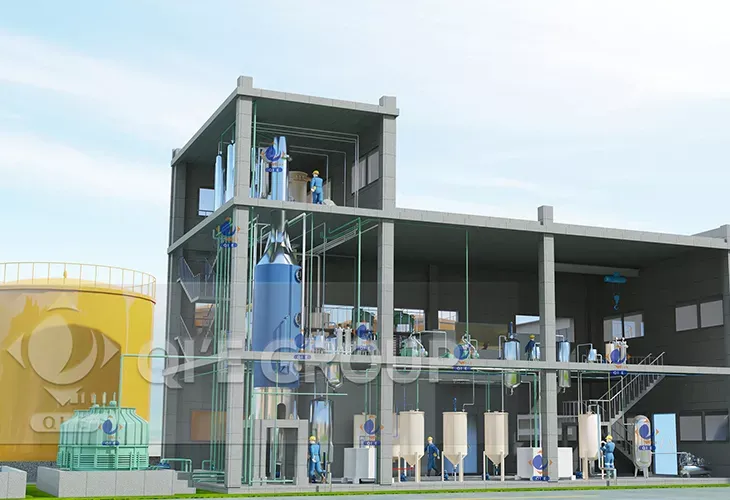
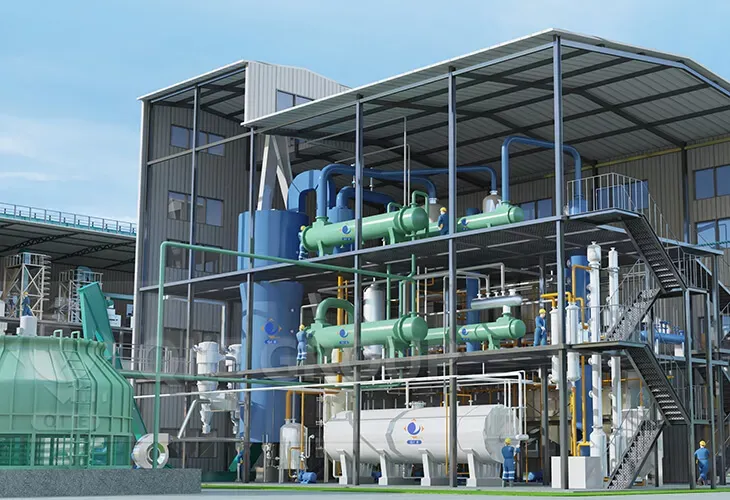
Unlike standalone processes, the combined dehydration-acid removal (D&A) method addresses two critical impurities—phospholipids and free fatty acids—in one step. This dual-action approach not only simplifies the workflow but also enhances the formation of uniform wax crystals during cooling, leading to better separation efficiency. According to field data from QIE Group’s engineering team, this technique improves wax recovery rates by up to 18% compared to conventional methods.

Method Wax Recovery (%) Energy Use (kWh/kg oil) Investment Cost (USD)
Solvent Extraction 65–72 0.8–1.2 $150K–$300K
Surface Active Agent 70–75 0.6–0.9 $80K–$150K
Combined D&A Method 78–85 0.4–0.6 $60K–$120K

Real-world impact: In a case study involving a peanut oil processor in India, switching to the combined D&A system reduced monthly energy consumption by 22%, improved wax purity by 15%, and cut downtime due to filter clogging by over 40%. These gains were achieved without major plant modifications—a key advantage for smaller facilities.

“Our engineers observed that pre-cleaning phospholipids before acid treatment creates more stable crystal nuclei—this is where the real magic happens.”
— QIE Engineering Team, Process Optimization Division

Key Operational Tips for Success

  • Pre-treatment temperature: Maintain 65–70°C during initial dehydration to avoid premature wax crystallization.
  • Acid concentration: Use 0.3–0.5% citric acid (not sulfuric!) for safer handling and easier neutralization later.
  • Crystallization rate: Cool at 1.5°C/hour for optimal wax size distribution—too fast = fine particles; too slow = poor yield.
  • Maintenance check: Clean filters weekly using warm water + mild detergent—not solvents!

Ready to Optimize Your Wax Removal Process?

Get your free copy of our “De-Waxing Process Selection Guide”—a practical PDF tailored to your production scale and oil type.

Download the Free Guide Now
Name *
Email *
Message*

Recommended Products

Popular articles
Recommended Reading
<#if (articleDetails.articleDetailsRelatedArticles.articleList?has_content)?? && (articleDetails.articleDetailsRelatedArticles.articleList?size>0)> <#if (articleDetails.articleDetailsRelatedArticles.isShow)?? && articleDetails.articleDetailsRelatedArticles.isShow> <#if (articleDetails.articleDetailsRelatedArticles.title)?? && articleDetails.articleDetailsRelatedArticles.title!="">

${articleDetails.articleDetailsRelatedArticles.title}

<#list articleDetails.articleDetailsRelatedArticles.articleList as list>
<#if (list.imgUrl?has_content)?? && (list.imgUrl?has_content)> ${list.imgAlt} <#else> img

${list.title}

${(list.updateTime)?number_to_datetime?string('dd MM ,yyyy')}
Contact us
Contact us
img
https://shmuker.oss-cn-hangzhou.aliyuncs.com/tmp/temporary/60ec5bd7f8d5a86c84ef79f2/60ec5bdcf8d5a86c84ef7a9a/thumb-prev.png