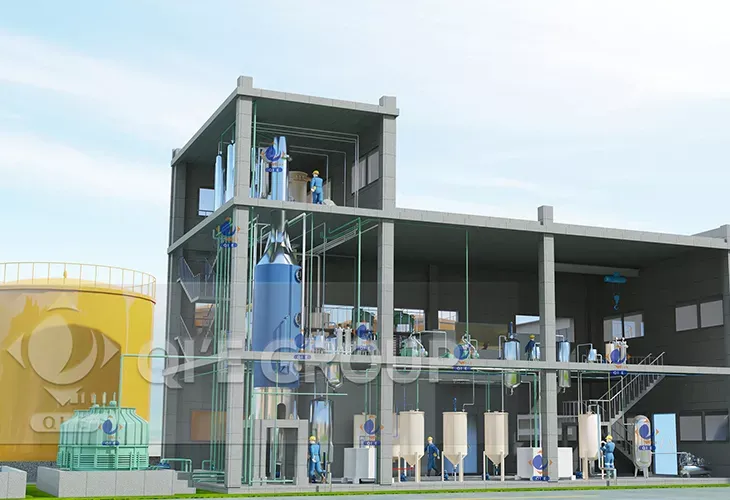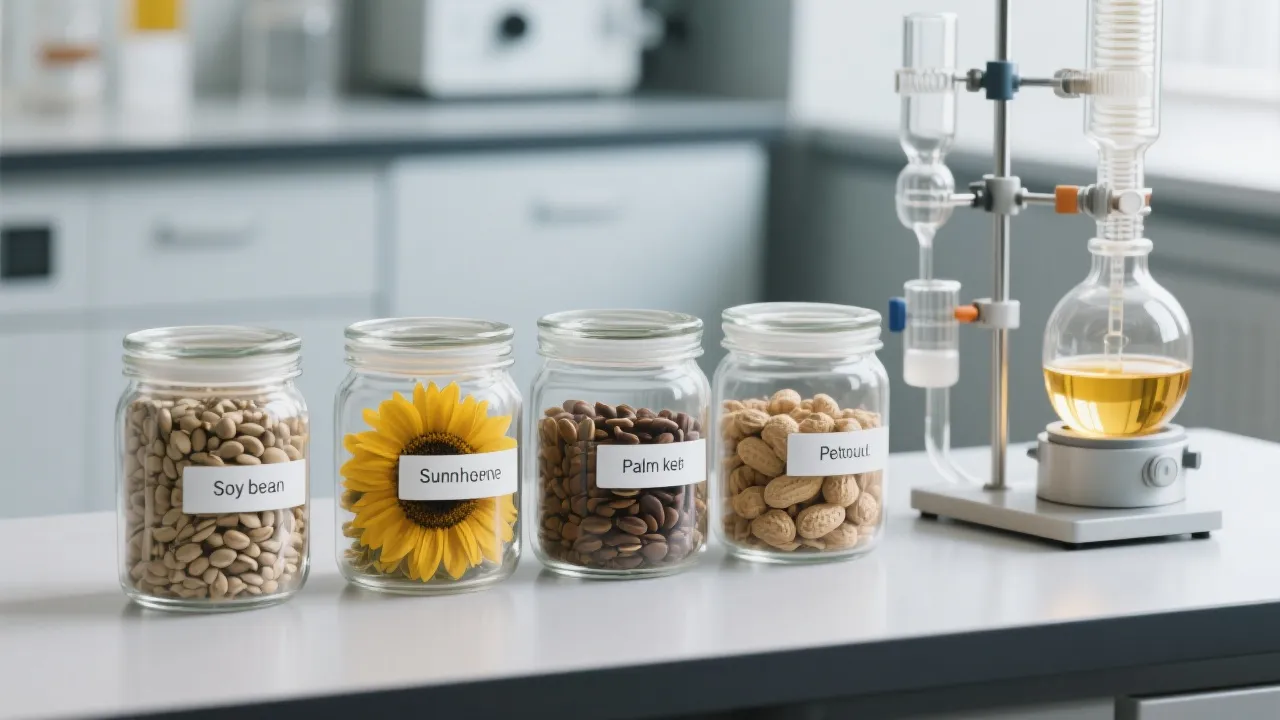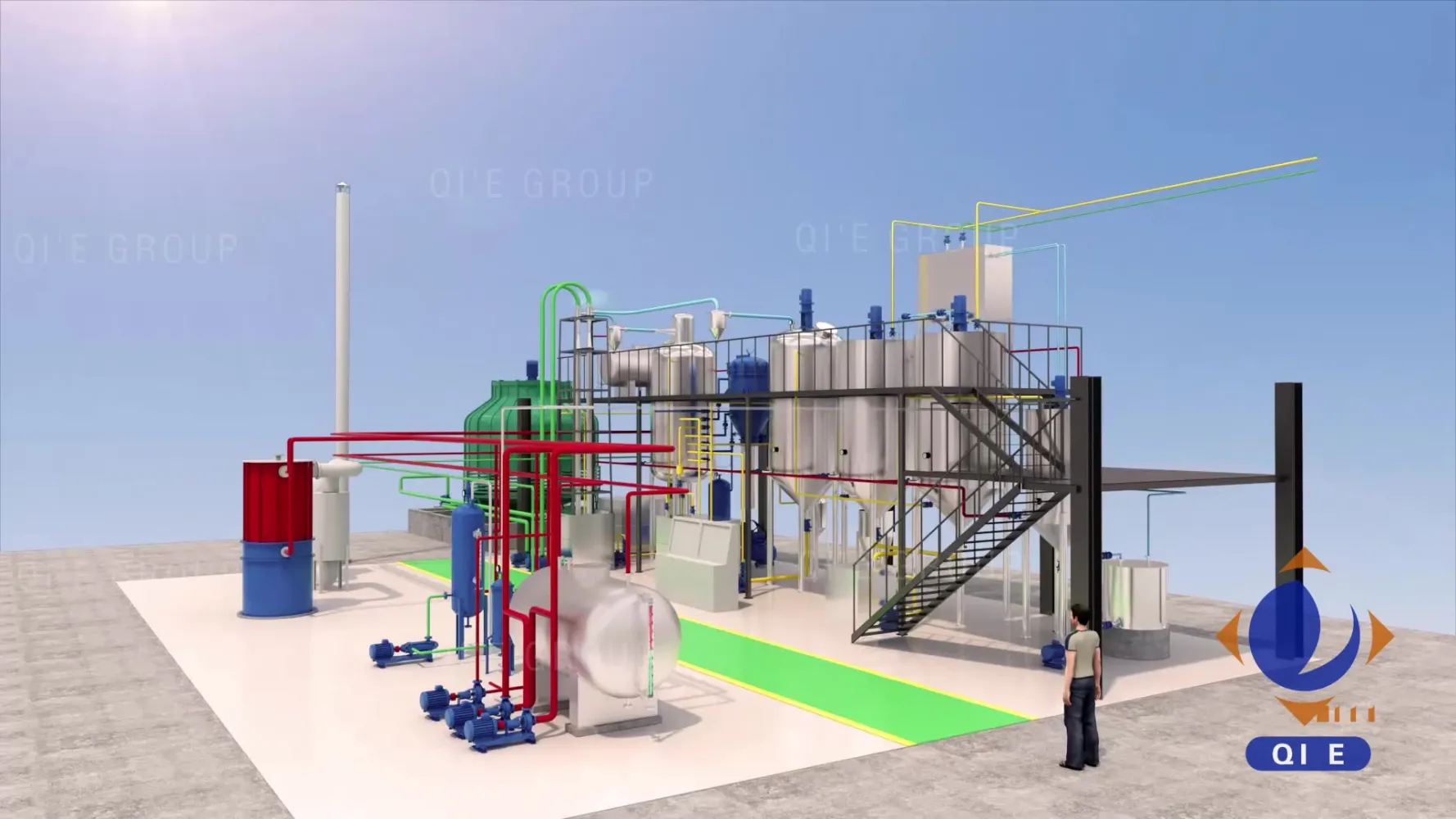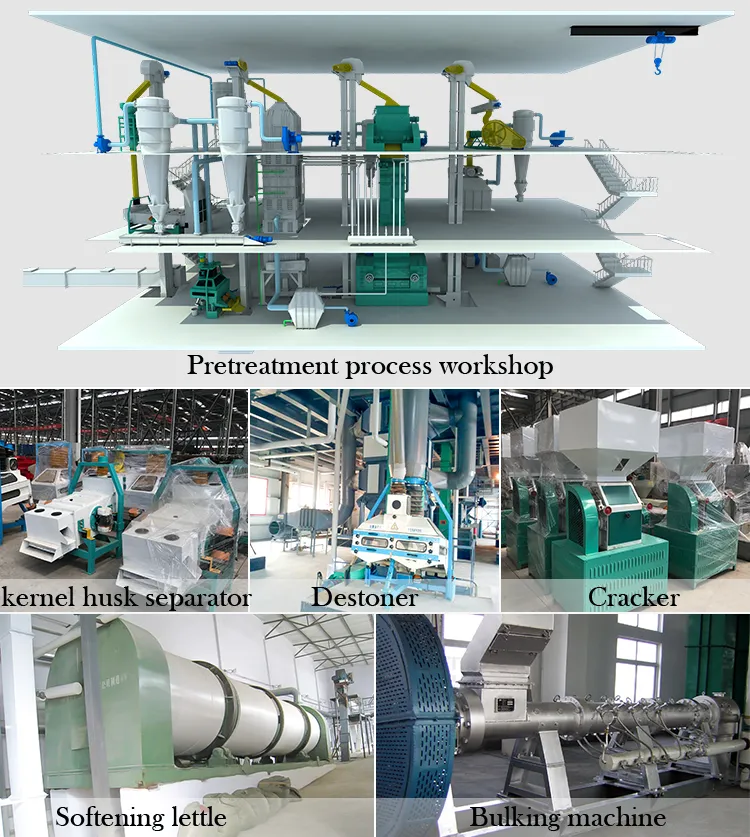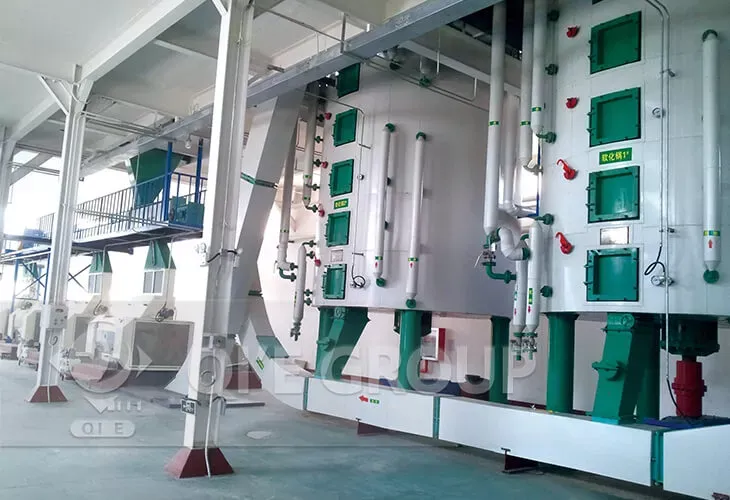
In today’s competitive vegetable oil industry, efficiency and sustainability are no longer optional—they’re essential. Traditional methods like single-step de-waxing or solvent-based treatments often fall short in balancing cost, yield, and environmental impact. The combined dehydration and degumming process has emerged as a scientifically optimized solution that delivers measurable improvements across multiple performance indicators.
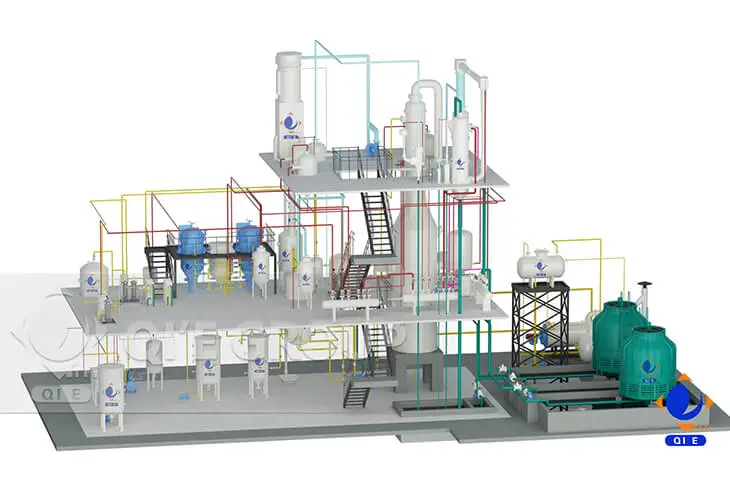
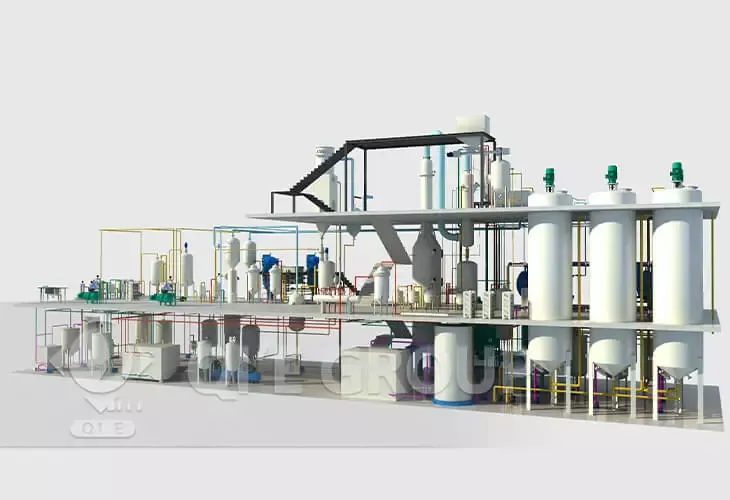
This method integrates two critical steps—removing phospholipids (degumming) and moisture (dehydration)—into a unified system. Unlike conventional approaches where these processes occur separately, the integrated approach reduces processing time by up to 30% while improving wax recovery rates from ~75% (in standard methods) to over 90%. This synergy minimizes reprocessing needs and avoids energy-intensive drying stages.
Key Insight: A 2023 study published in the Journal of Food Engineering showed that combined systems reduce total energy consumption per ton of processed oil by an average of 22%, translating to significant operational savings for mid-sized producers.
| Method | Energy Use (kWh/ton) | Wax Recovery Rate | Environmental Impact |
|---|---|---|---|
| Conventional | 120–140 | ~75% | High wastewater volume |
| Solvent-Based | 150–180 | ~82% | Chemical residue concerns |
| Surfactant-Assisted | 110–130 | ~85% | Moderate chemical use |
| Combined Dehydration & Degumming | 85–105 | ≥90% | Lowest emissions, minimal waste |
A palm oil processor in Indonesia reported a 28% drop in monthly utility costs after switching to the combined method. Similarly, a sunflower oil plant in Ukraine saw its wax purity increase from 82% to 94%, allowing it to sell higher-grade byproducts to cosmetics manufacturers. These cases highlight how the technology scales well—even with small capacities under 5 tons/hour.
Pro Tip: Many small-to-mid enterprises mistakenly believe that one-size-fits-all solutions work best. In reality, combining dehydration and degumming creates synergies that boost both output quality and resource efficiency—a key differentiator in global markets.
If your facility handles 3–10 tons/hour of oil, especially those using cold crystallization techniques (like peanut or rapeseed oil), this method offers a compelling ROI within 6–12 months. Equipment maintenance is simplified due to fewer moving parts, and operator training takes just 2–3 days—ideal for facilities lacking dedicated R&D teams.
For decision-makers focused on green compliance and long-term scalability, the combined approach isn’t just smarter—it’s future-proof.
Get your free copy of the “De-Waxing Process Selection Guide”—a practical PDF tailored for small and mid-scale processors worldwide.
Download Now →