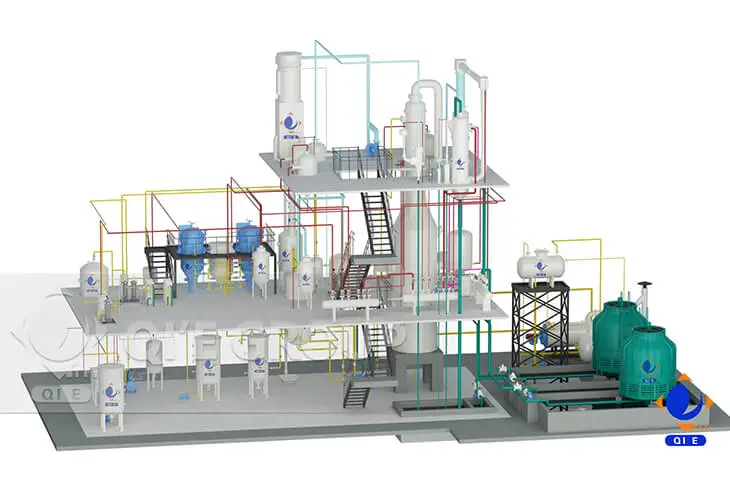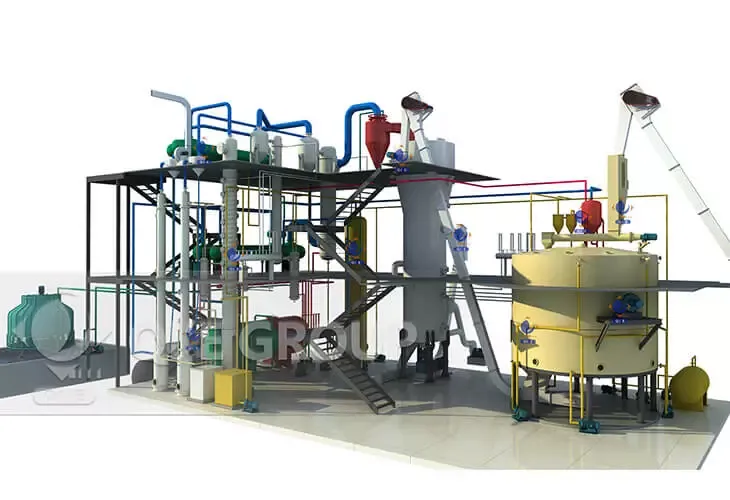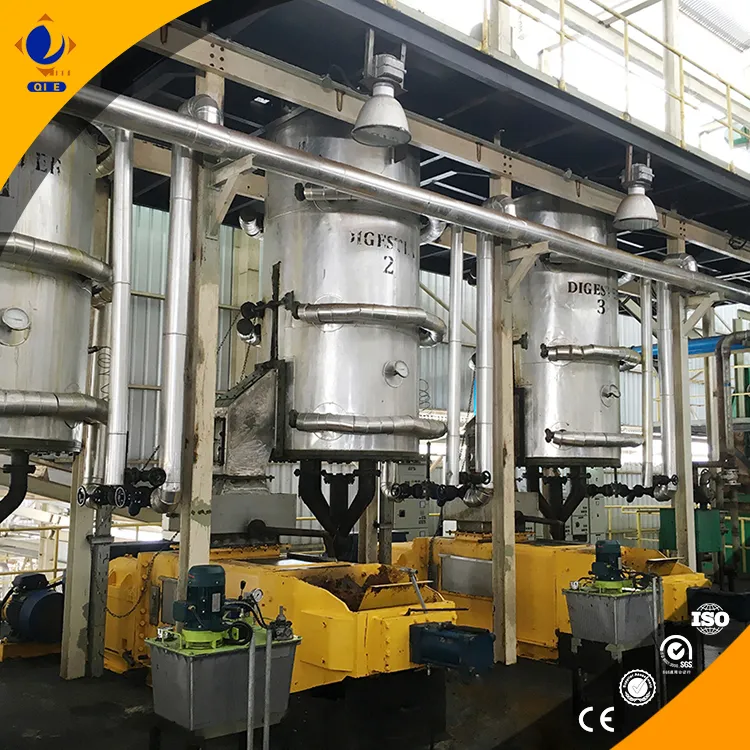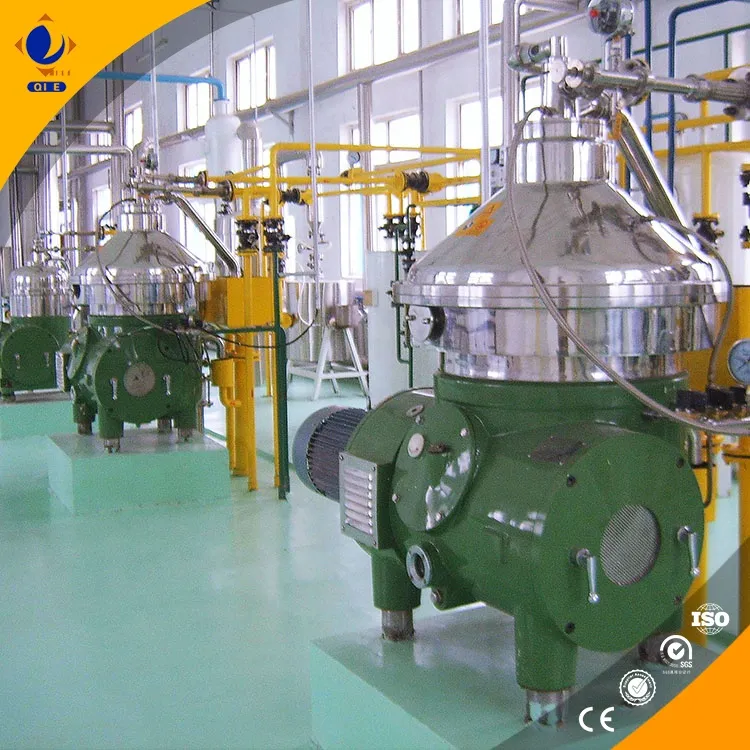

In the competitive landscape of modern industrial processing, efficiency and stability aren't just operational goals—they're the cornerstones of sustainable profitability. For businesses involved in oil refining, edible oil processing, and related industries, the performance of degumming and dewaxing equipment directly impacts product quality, production costs, and market competitiveness. This article explores how structural design innovations in integrated degumming and dewaxing systems drive tangible performance improvements, drawing on industry data and practical applications.
Processing efficiency in degumming and dewaxing operations depends on three interconnected factors: material flow dynamics, thermal energy management, and separation precision. According to industry research, optimized structural design can提升处理效率 by up to 35% while reducing energy consumption by an average of 22% compared to conventional systems. These improvements stem from thoughtful engineering decisions that address the unique challenges of separating gums and waxes from oil matrices.
Industry Insight:
A recent study by the International Association of Food Processors found that plants utilizing structurally optimized degumming/dewaxing equipment experienced 40% fewer production interruptions and 28% lower maintenance costs over a three-year period.
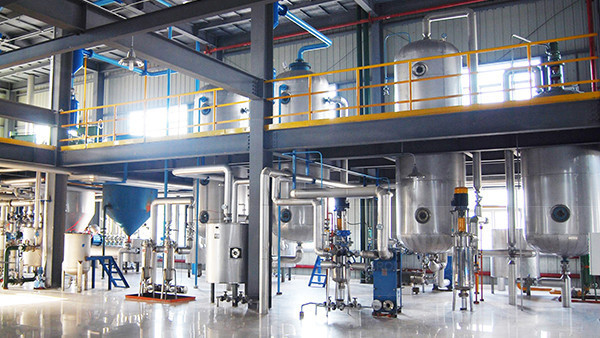
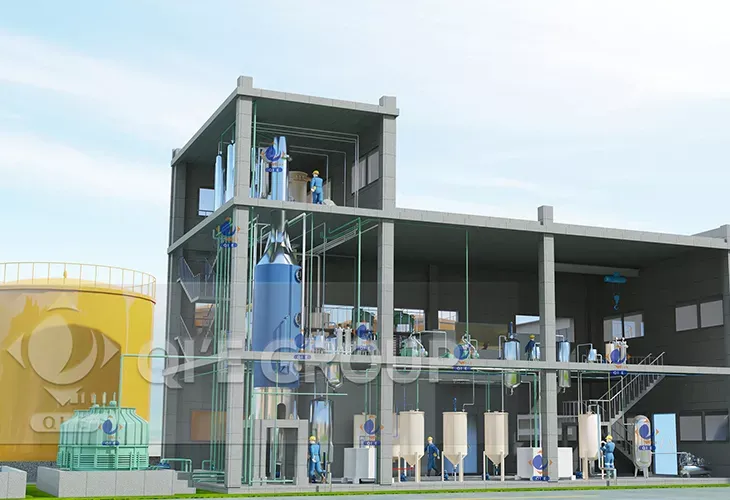
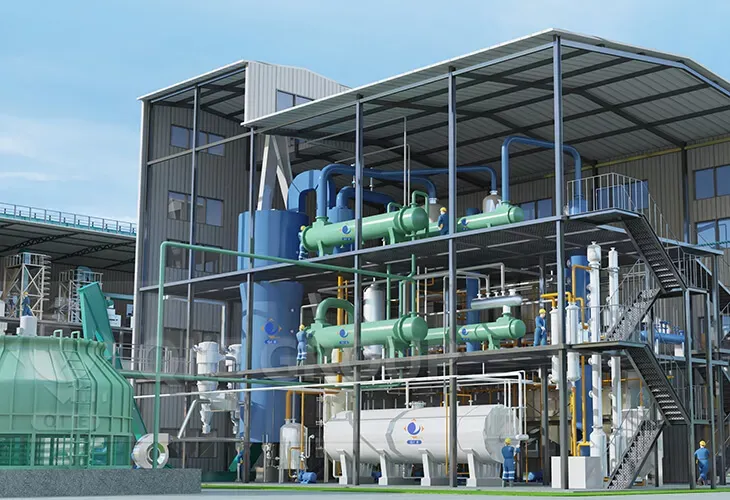
The distribution and control of thermal energy represent perhaps the most critical design element. Advanced systems incorporate multi-zone heating chambers with gradient temperature control, ensuring optimal viscosity at each processing stage. Unlike traditional single-chamber designs, this structural innovation allows for precise temperature adjustments across different processing zones, reducing wax crystallization time by up to 28% while minimizing oil degradation.
Material flow dynamics directly impact separation efficiency and processing time. Modern equipment features contoured flow channels with strategically placed baffles that create controlled turbulence, increasing contact between oil and separation agents by 40% compared to straight-through designs. This structural refinement ensures more complete gum and wax separation in a single pass, reducing recirculation needs and energy consumption.
Filter media configuration and replacement accessibility significantly affect maintenance downtime and operational costs. The latest structural designs incorporate quick-change filter cassettes with uniform pressure distribution systems, reducing filter changeover time by 65% and maintaining consistent separation efficiency throughout the filter life cycle.
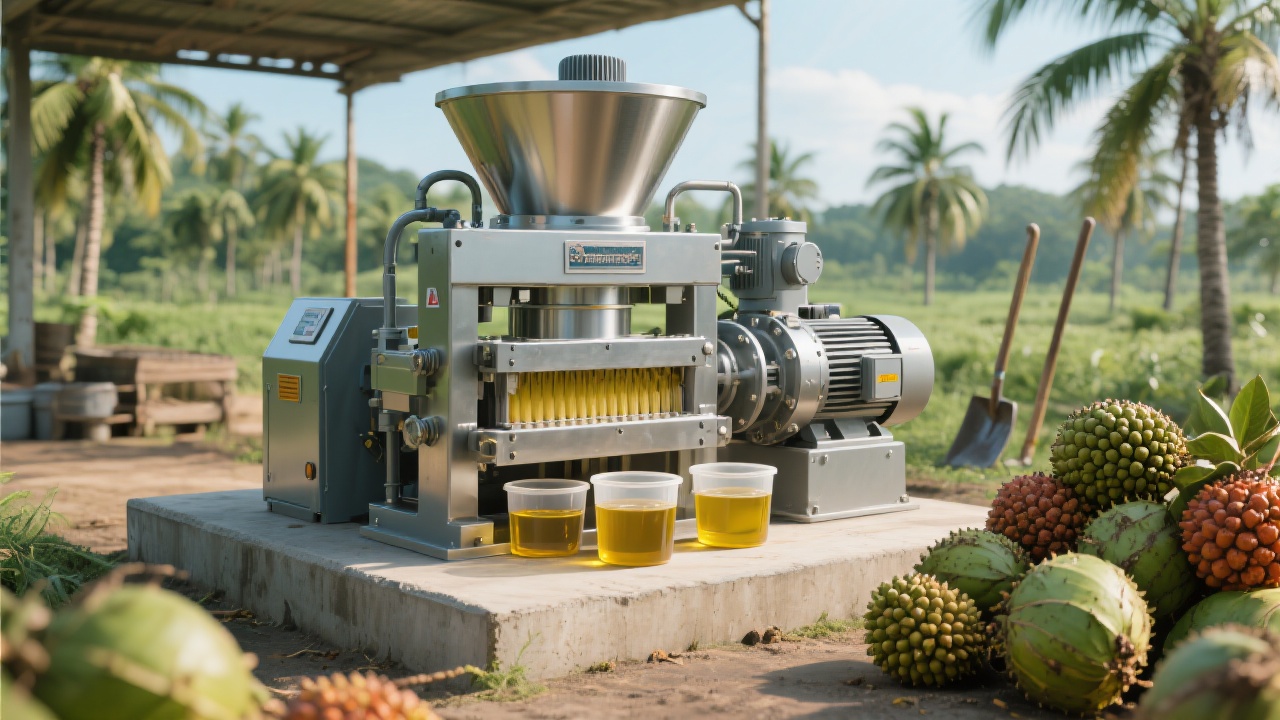
Consider the experience of a major edible oil processor in Southeast Asia that upgraded to Penguin Group's integrated degumming and dewaxing system. By implementing equipment with optimized flow dynamics and precision heating, the facility increased throughput by 32% while reducing energy consumption by 23%. Equally significant was the 45% reduction in maintenance-related downtime, achieved through improved access design and wear-resistant component materials.
"Your production line could be leaving significant efficiency gains untapped. Are you experiencing any of these common challenges?"
Modern processing facilities face growing pressure to reduce environmental impact while maintaining productivity. Structural design plays a pivotal role in achieving these dual goals. Closed-loop solvent recovery systems, integrated into the equipment structure, can reduce volatile organic compound emissions by up to 92%. Similarly, noise-dampening components and vibration isolation systems minimize operational sound levels to below 85 decibels—critical for both regulatory compliance and worker comfort.
Energy recovery systems, another structural innovation, capture and reuse waste heat from processing stages, reducing overall energy requirements by an average of 18%. These sustainability features not only reduce environmental footprint but also deliver significant long-term cost savings through lower utility and waste disposal expenses.
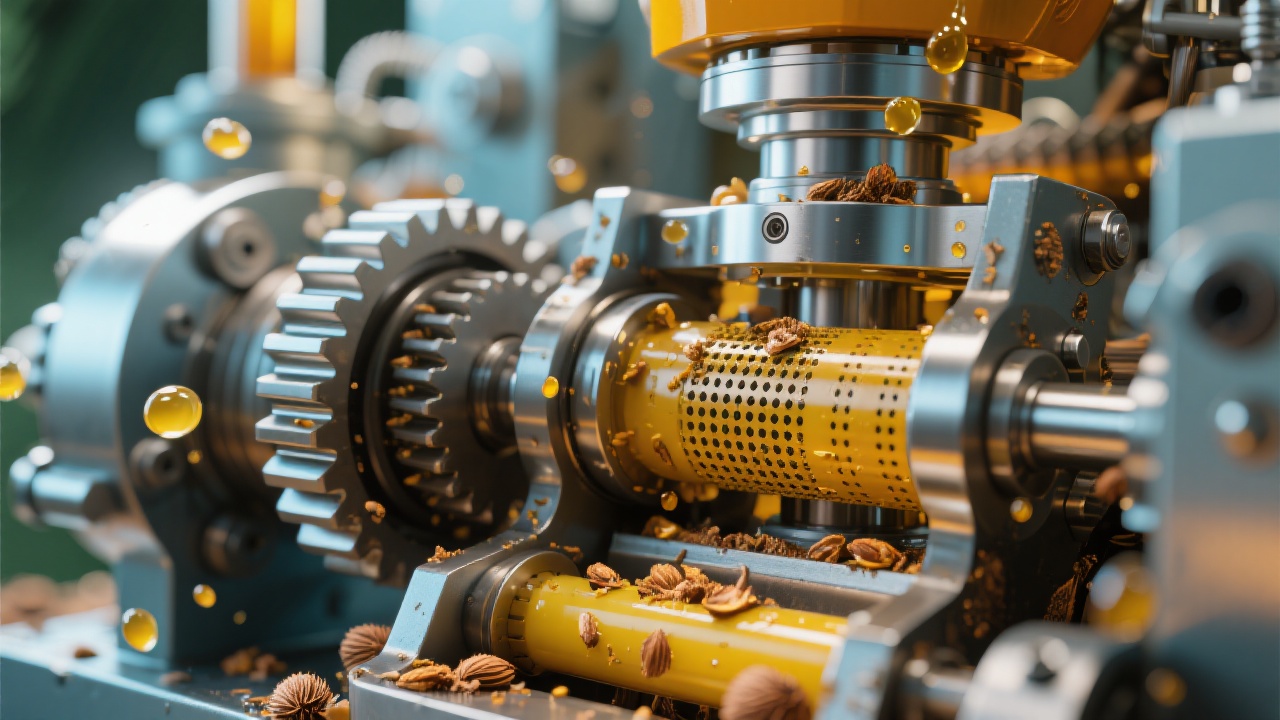
When evaluating degumming and dewaxing equipment, focus on structural features that align with your specific processing needs: capacity requirements, feedstock characteristics, and quality standards. Look for modular designs that allow for future expansion, as well as easy access to critical components for maintenance. Pay particular attention to material selection—stainless steel contact surfaces ensure product purity and reduce corrosion-related maintenance issues.
Automation integration is another structural consideration that shouldn't be overlooked. Equipment designed with smart sensor placement and control system integration allows for precise process monitoring and adjustment, reducing human error and ensuring consistent product quality. The structural layout should facilitate easy integration with existing process control systems for seamless operation.
Discover how Penguin Group's structurally optimized degumming and dewaxing solutions can提升 your production efficiency, product quality, and environmental performance.
Get Your Custom Equipment AssessmentThe difference between average and exceptional processing performance often lies in the details of structural design. By prioritizing equipment that optimizes material flow, thermal management, and separation efficiency, processors can achieve significant operational improvements that directly impact their bottom line. As processing requirements evolve and market pressures increase, the structural integrity and innovative design of your degumming and dewaxing equipment will become an even more critical competitive advantage.