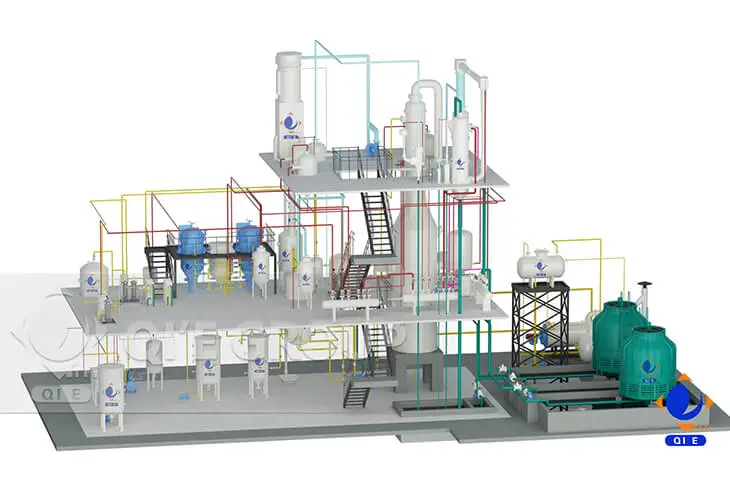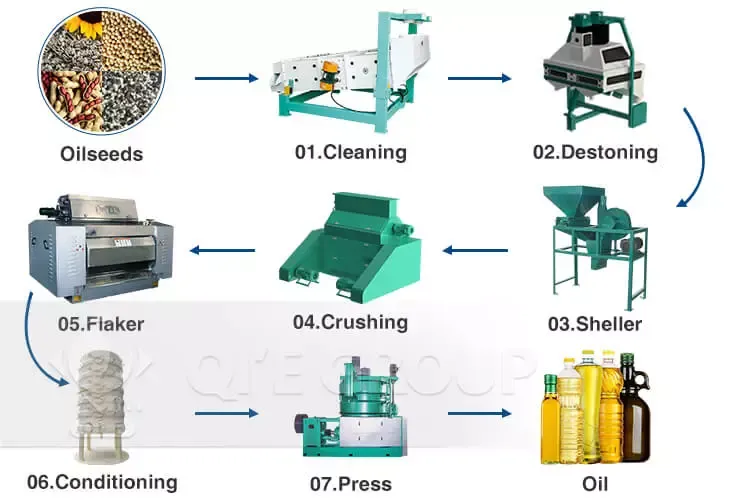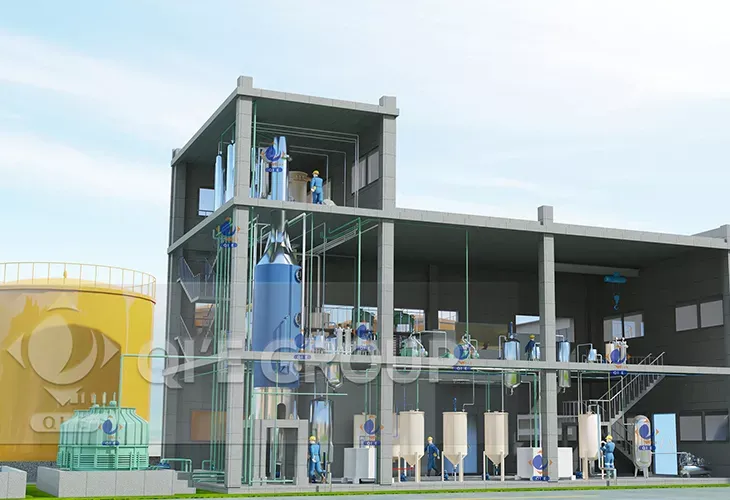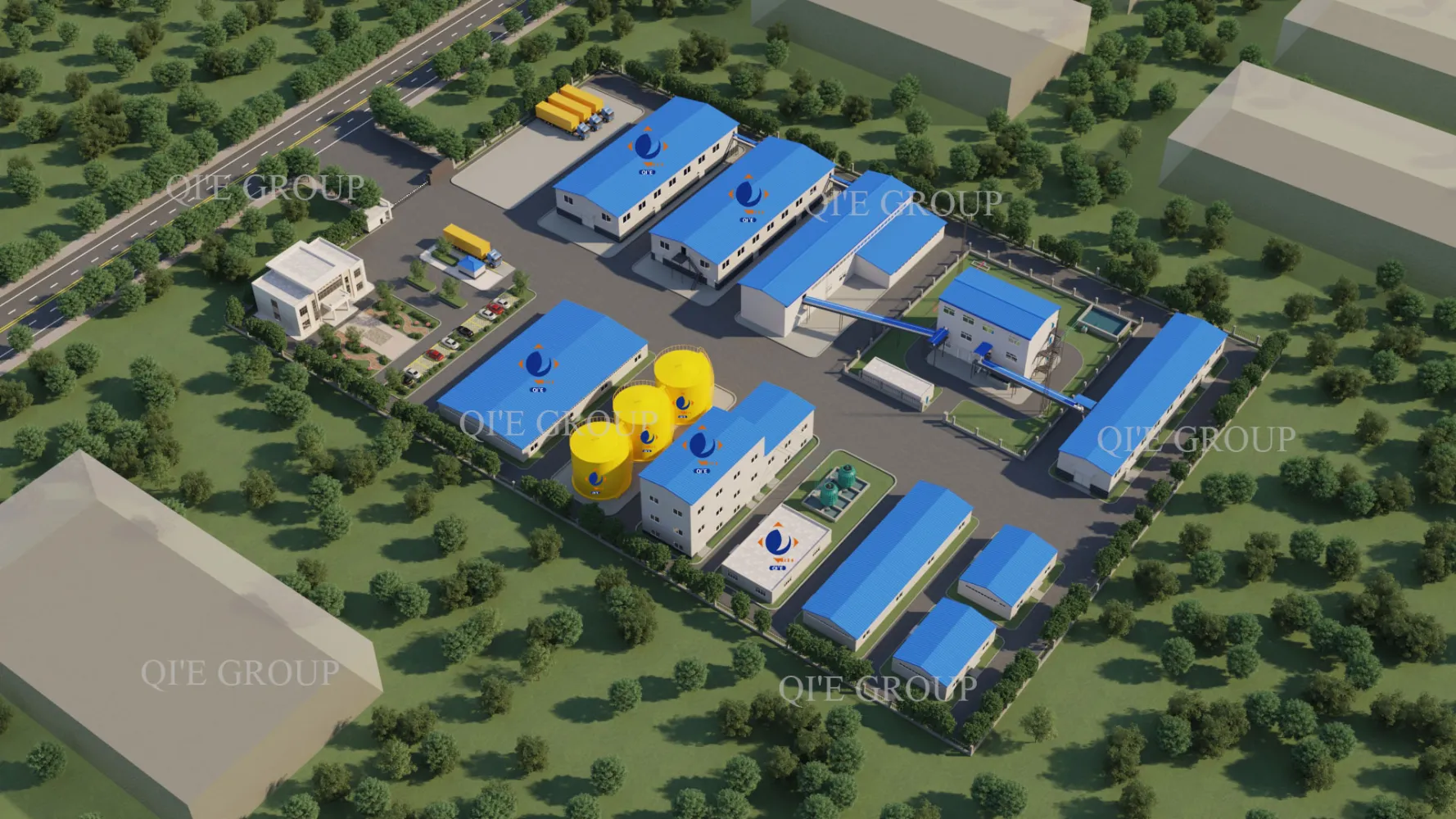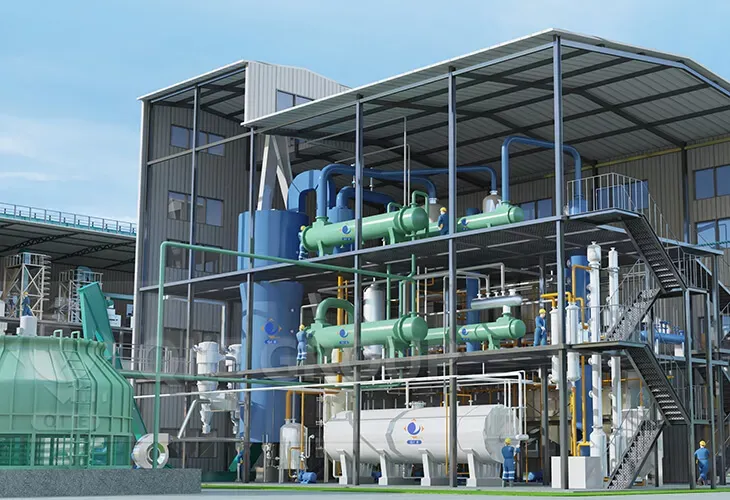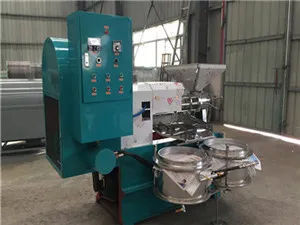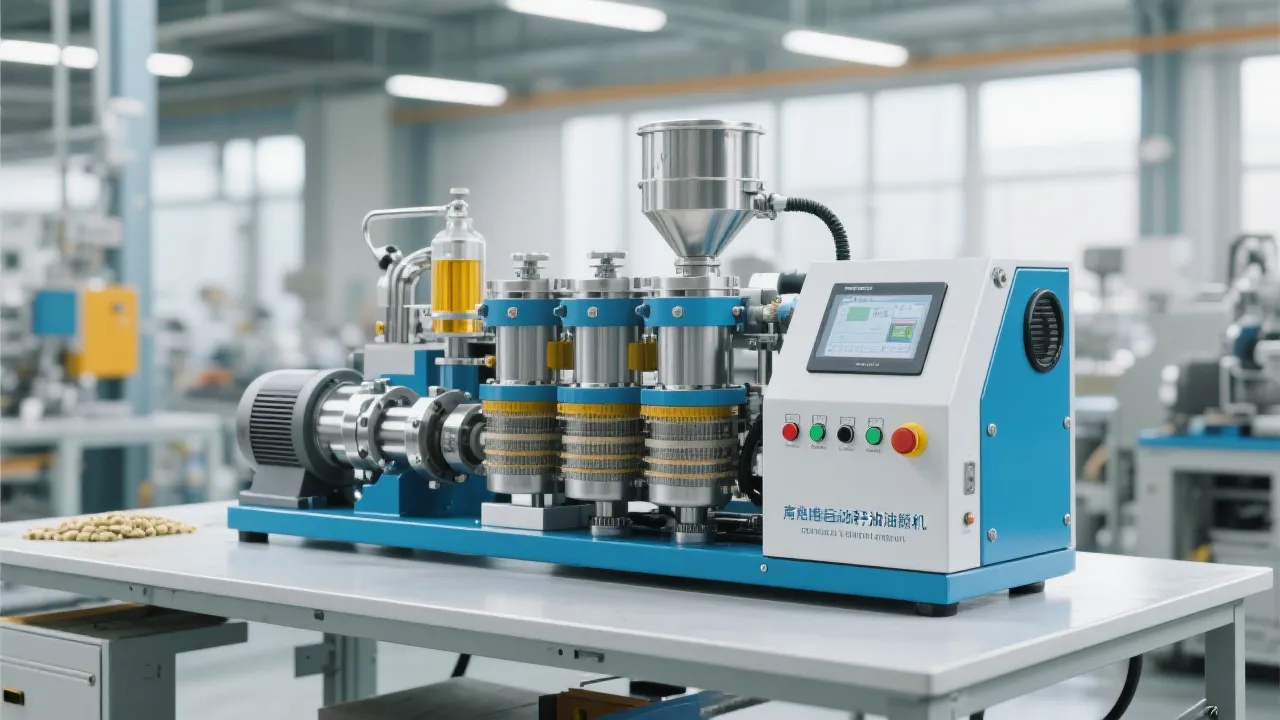

In the realm of industrial processing, the efficiency and reliability of production lines heavily depend on the performance of key equipment. Combined degumming and dewaxing systems play a critical role in various sectors including edible oil processing, petroleum refining, and chemical manufacturing. These integrated systems not only streamline production processes but also significantly impact product quality, operational costs, and environmental compliance.
"Modern degumming and dewaxing equipment must balance three critical factors: processing efficiency, material adaptability, and environmental sustainability. The structural design directly influences all three aspects." — Dr. Michael Chen, Process Engineering Specialist at Industrial Equipment Research Institute
The performance of combined degumming and dewaxing equipment is determined by several core structural elements. The heating system, for instance, directly affects processing efficiency and energy consumption. Advanced systems utilize multi-zone temperature control with precision within ±1°C, ensuring optimal chemical reactions while reducing energy waste by up to 18% compared to conventional designs.
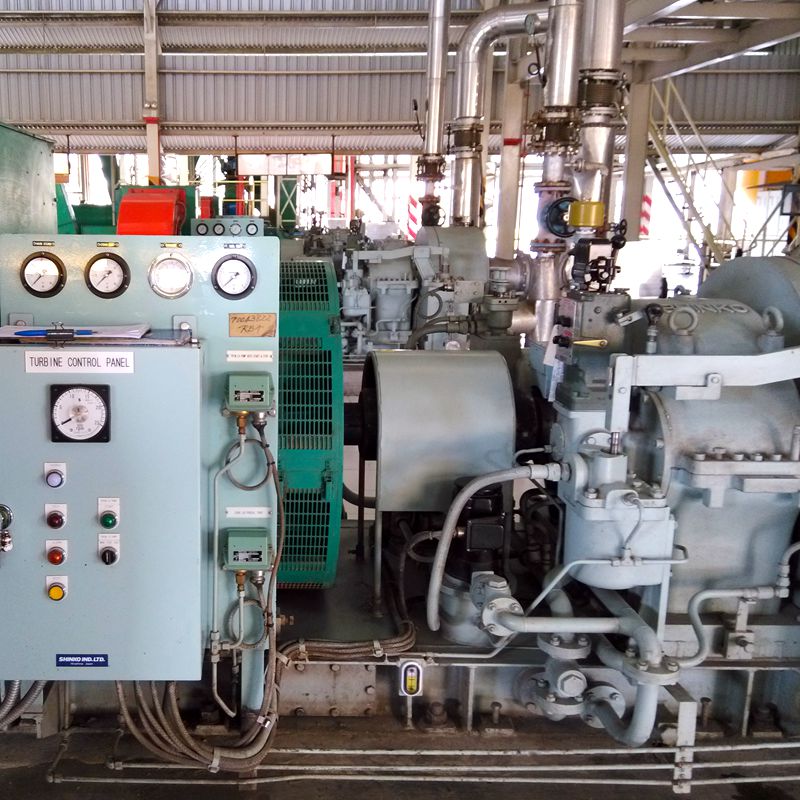
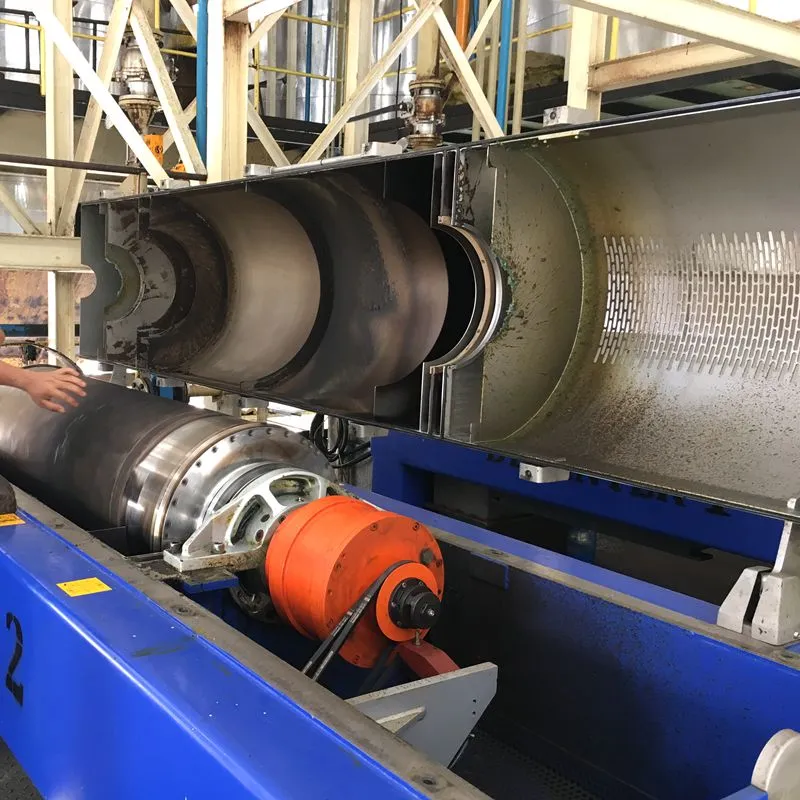
Transmission mechanisms represent another critical component. High-torque, variable-speed drives allow modern equipment to handle viscosity variations from 50 to 5000 cP, accommodating diverse feedstock types without compromising throughput. Seal structures, often overlooked but essential, prevent contamination and product loss—mechanical seal designs with double-lip technology can reduce leakage rates to less than 0.1 cc/hour in continuous operation.
| Performance Metric | Standard Model | Advanced Model | Premium Model |
|---|---|---|---|
| Processing Capacity | 500-1,000 L/h | 1,000-2,500 L/h | 2,500-5,000 L/h |
| Energy Consumption | 0.8-1.2 kWh/100L | 0.6-0.8 kWh/100L | 0.4-0.6 kWh/100L |
| Material Compatibility | 3-5 feedstock types | 6-10 feedstock types | 10+ feedstock types |
| Automation Level | Basic PLC control | Advanced HMI with data logging | AI-optimized process control |
Automation has become a key differentiator in modern equipment design. Systems equipped with advanced sensors and AI-driven process control can maintain product quality within specification limits 98.7% of the time, compared to 89.3% for manually operated systems. This translates to reduced waste, consistent output, and lower labor requirements.
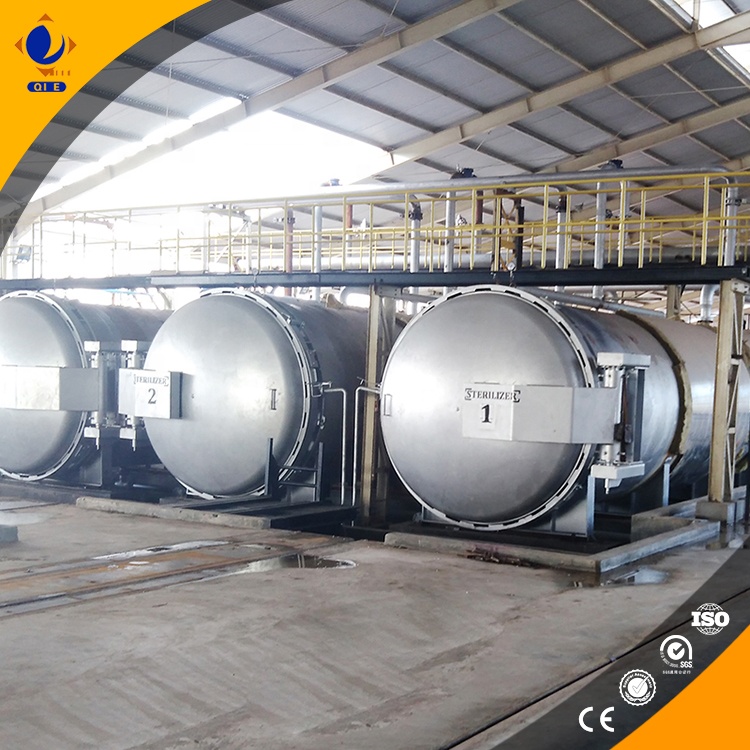
Environmental considerations have moved from secondary concerns to primary decision factors in equipment selection. Modern degumming and dewaxing systems incorporate several eco-friendly design features: heat recovery systems that capture and reuse up to 70% of waste heat, closed-loop water circulation reducing consumption by 40%, and integrated air purification systems that reduce volatile organic compound emissions to below 20 ppm.
When selecting combined degumming and dewaxing equipment, several critical factors should guide the decision-making process. Processing capacity requirements must align with current production needs while allowing for future expansion—typically a 20-30% capacity buffer is recommended. Material compatibility is equally important, as different feedstocks have varying characteristics that affect equipment performance.
Maintenance requirements and service support should not be overlooked. Equipment with modular design reduces downtime for maintenance by up to 40%, while comprehensive service agreements ensure prompt resolution of technical issues.企鹅集团 (Penguin Group) offers industry-leading support packages, including remote monitoring and predictive maintenance services that can reduce unexpected downtime by 35%.
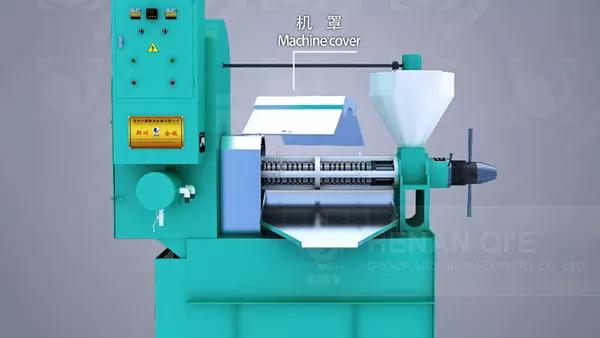
Real-world applications demonstrate the impact of structural design on operational efficiency. A recent case study in a vegetable oil processing plant showed that upgrading to a premium combined degumming and dewaxing system resulted in: 18% higher throughput, 22% lower energy consumption, 30% reduction in waste products, and a return on investment achieved in 14 months.
Every production facility has unique requirements and challenges. Our team of process engineers can help you identify the ideal degumming and dewaxing solution tailored to your specific needs.
Get Your Custom Equipment Assessment NowAs industrial processes continue to evolve, the importance of selecting the right equipment becomes increasingly critical. By focusing on structural design elements that enhance efficiency, adaptability, and sustainability, manufacturers can position themselves for long-term success in an increasingly competitive global market. The key lies in understanding how each component contributes to overall performance and aligning equipment capabilities with specific production requirements.