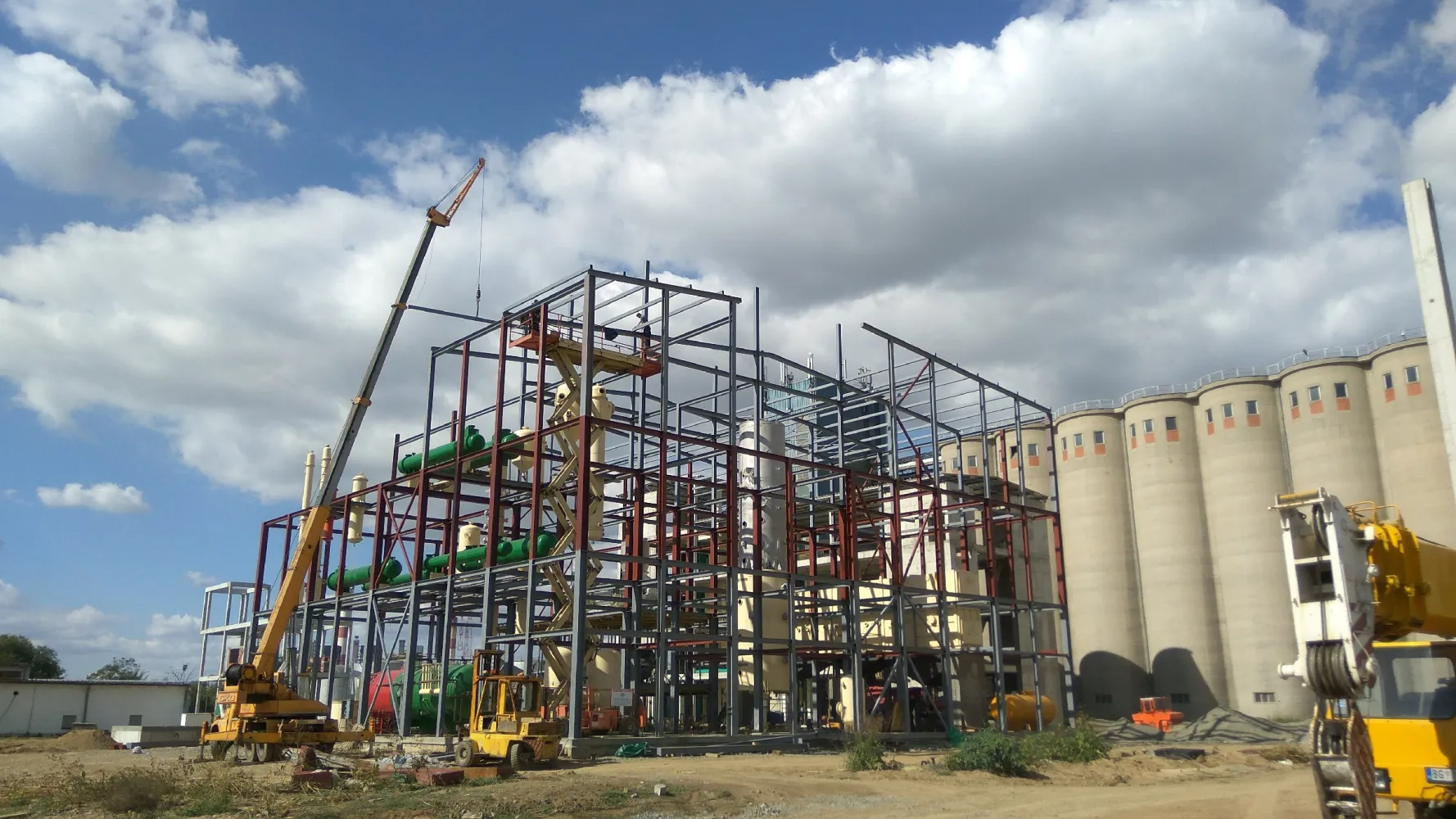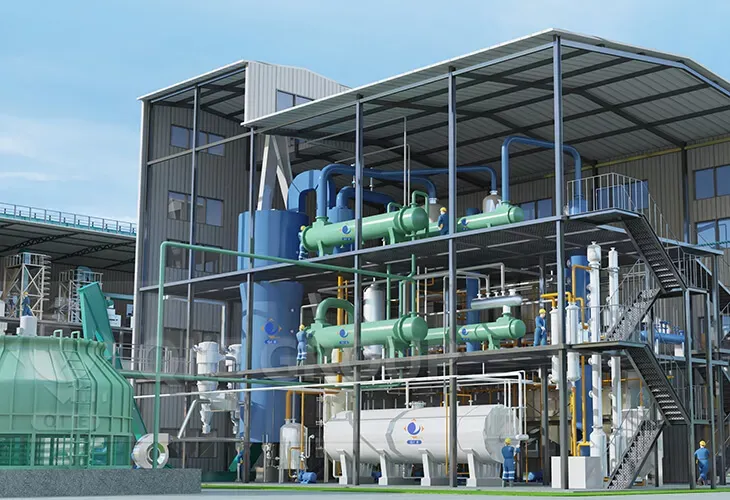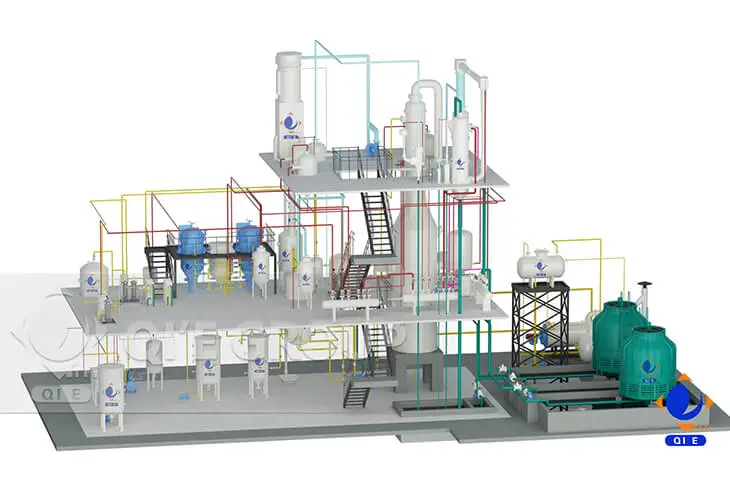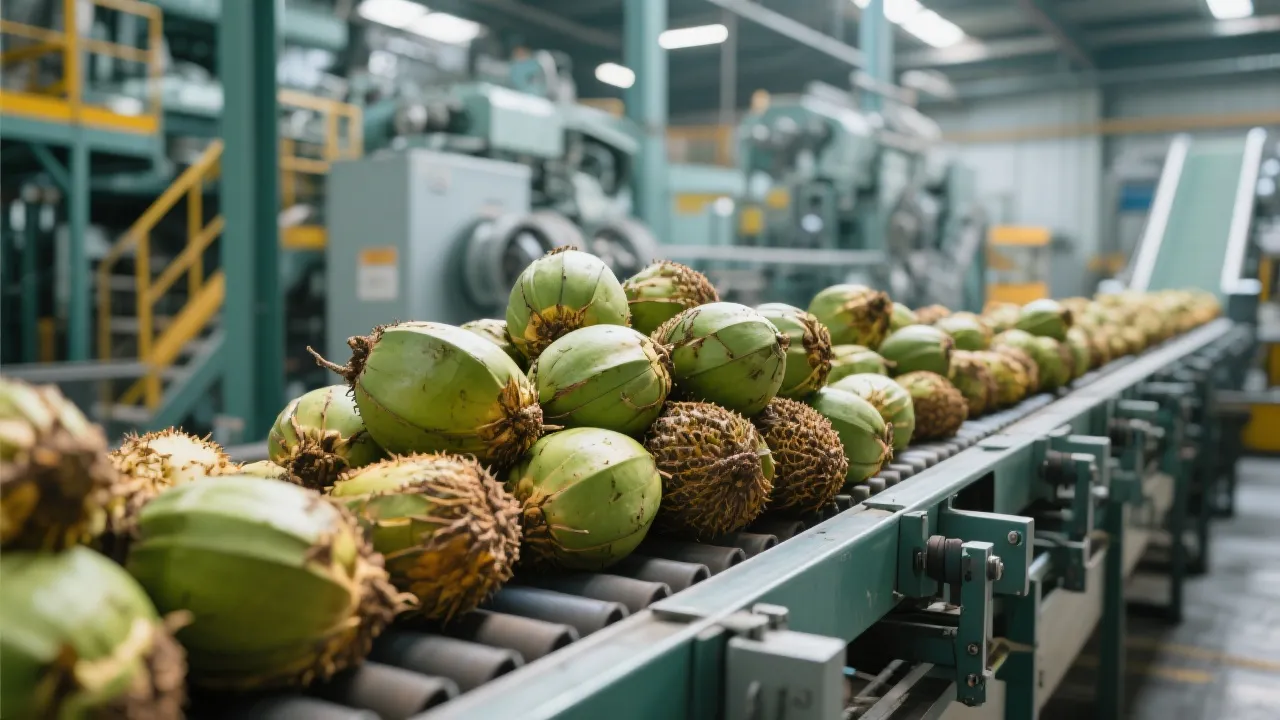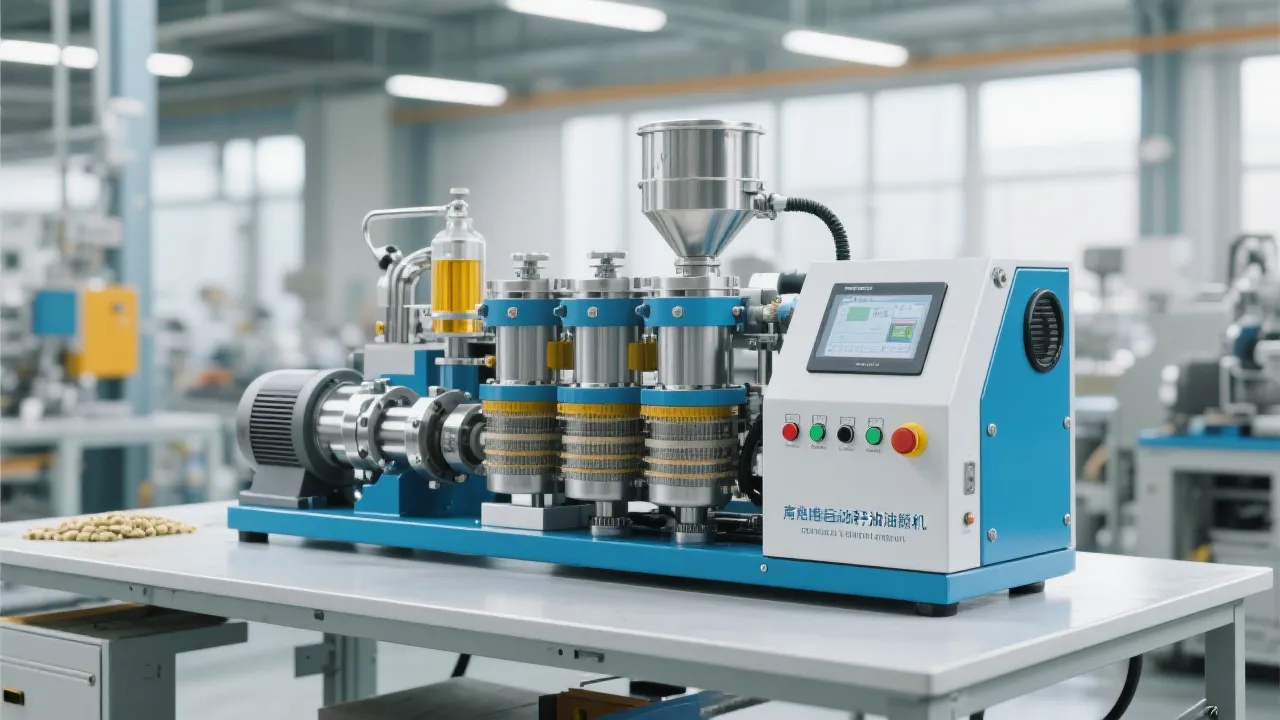
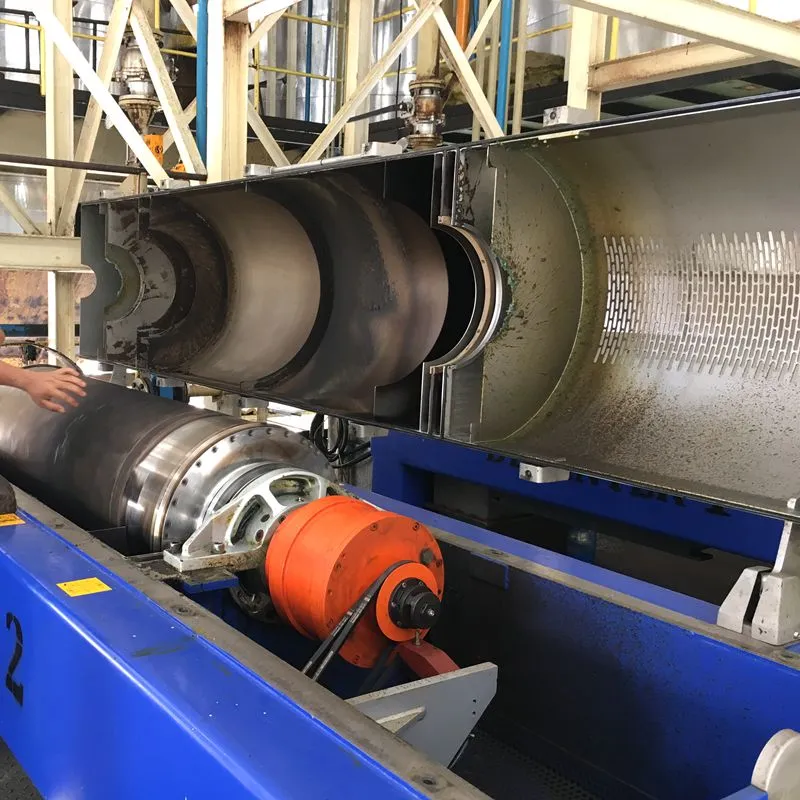
In today's rapidly evolving electronics industry, where component density increases by approximately 40% every two years according to industry reports, the demand for precision cleaning has never been more critical. Contamination issues during manufacturing can lead to product failure rates as high as 15% in conventional processes, directly impacting production costs and time-to-market. This is where combined degumming and dewaxing technology emerges as a transformative solution, offering a streamlined approach to surface preparation that addresses both resinous and waxy contaminants in a single integrated process.
The effectiveness of combined degumming and dewaxing lies in its ability to leverage complementary physical and chemical mechanisms. While traditional sequential cleaning processes typically achieve 85-90% contaminant removal, the integrated approach developed by 企鹅集团 (Penguin Group) has demonstrated removal efficiencies exceeding 99.5% in independent testing environments. This significant improvement stems from the technology's dual-action principle:
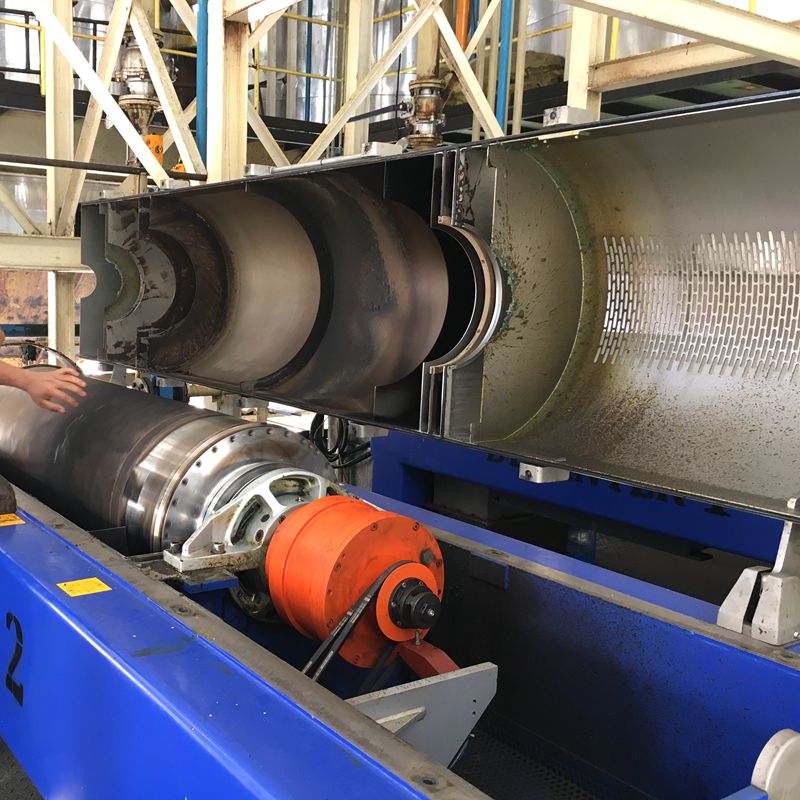
The versatility of this technology has led to successful implementation across multiple manufacturing sectors. In printed circuit board (PCB) production, manufacturers report a 32% reduction in cleaning cycle time compared to traditional methods, while achieving Class 3 cleanliness standards as defined by IPC-A-600. The technology's adaptability is further demonstrated in its applications:
Removes solder mask residues and flux agents from high-density interconnect boards, reducing post-cleaning defects by 47% in mass production environments.
Precision cleaning of flip-chip underfill materials without compromising delicate bonding structures, achieving particle counts below 10 particles/μm².
Surface preparation for bonding and coating processes, improving adhesion strength by an average of 28% across various substrate materials.
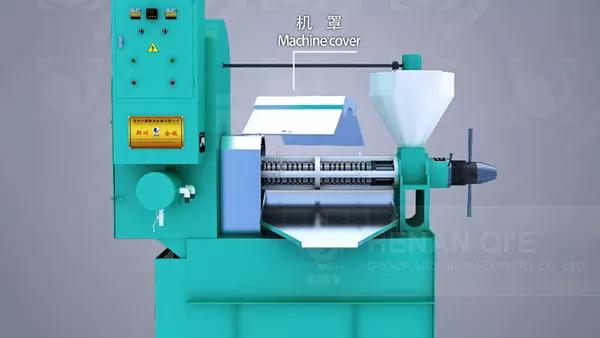
Modern manufacturing demands not only performance but also environmental responsibility and intelligent operation. The latest advancements in combined degumming and dewaxing technology address these requirements through several key innovations:
Integrated sensors continuously monitor solution concentration, temperature, and contamination levels, automatically adjusting parameters to maintain optimal cleaning efficiency. This smart system reduces chemical consumption by 23% while ensuring consistent results batch after batch.
Water-based solutions with biodegradable surfactants achieve 95% recovery and recycling rates, significantly reducing wastewater treatment costs and environmental impact. These formulations meet both RoHS and REACH compliance standards without sacrificing performance.
Heat recovery systems and variable-frequency ultrasonic generators reduce energy consumption by an impressive 31% compared to conventional cleaning equipment, delivering rapid return on investment in typical manufacturing environments.

When integrating combined degumming and dewaxing technology into existing manufacturing processes, several factors contribute to successful implementation. Companies that have achieved the best results typically follow these guidelines:
Discover how Penguin Group's combined degumming and dewaxing technology can reduce your production costs while improving product quality and environmental performance.
Schedule a Technical ConsultationManufacturing facilities implementing this technology report an average payback period of 7-9 months through reduced material waste, lower rework rates, and improved production throughput. As electronic components continue to shrink in size while increasing in complexity, the precision and efficiency offered by advanced cleaning technologies become not just competitive advantages, but essential requirements for market leadership.
The future of electronics manufacturing demands solutions that deliver exceptional performance while addressing sustainability goals and operational efficiency. With continuous innovation and a commitment to technical excellence, combined degumming and dewaxing technology stands at the forefront of this manufacturing evolution, enabling the next generation of electronic devices that power our connected world.