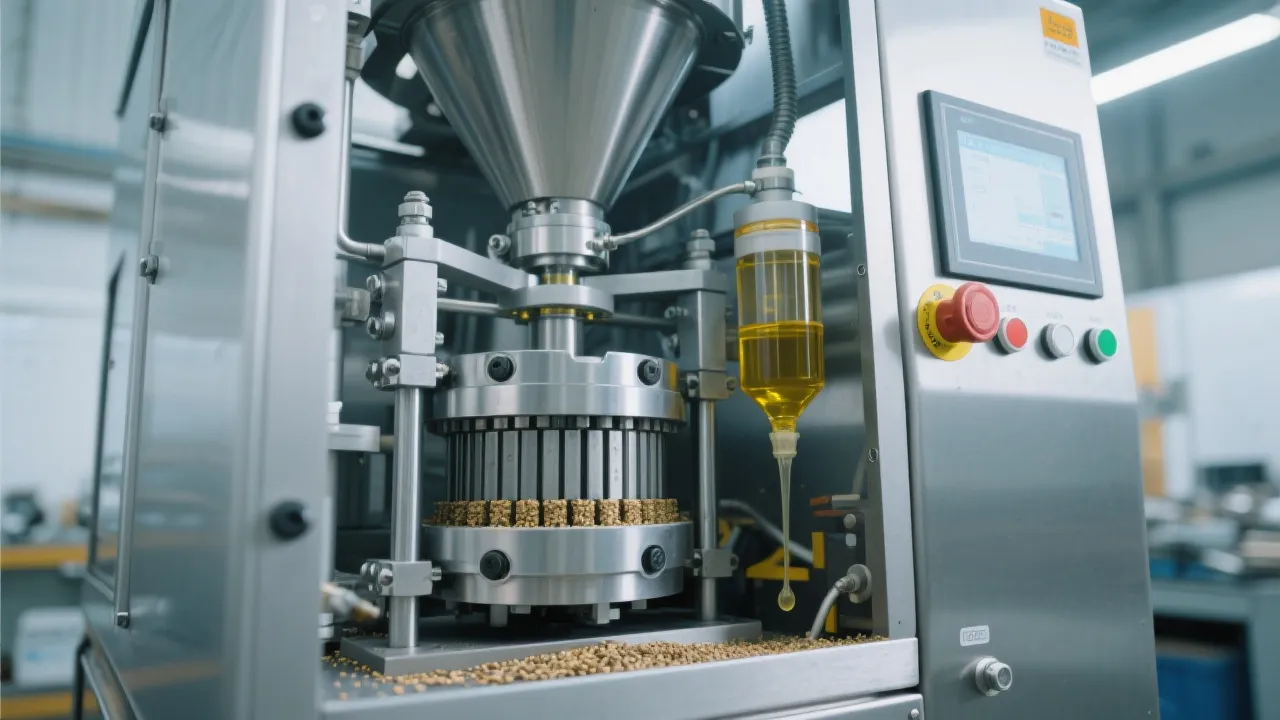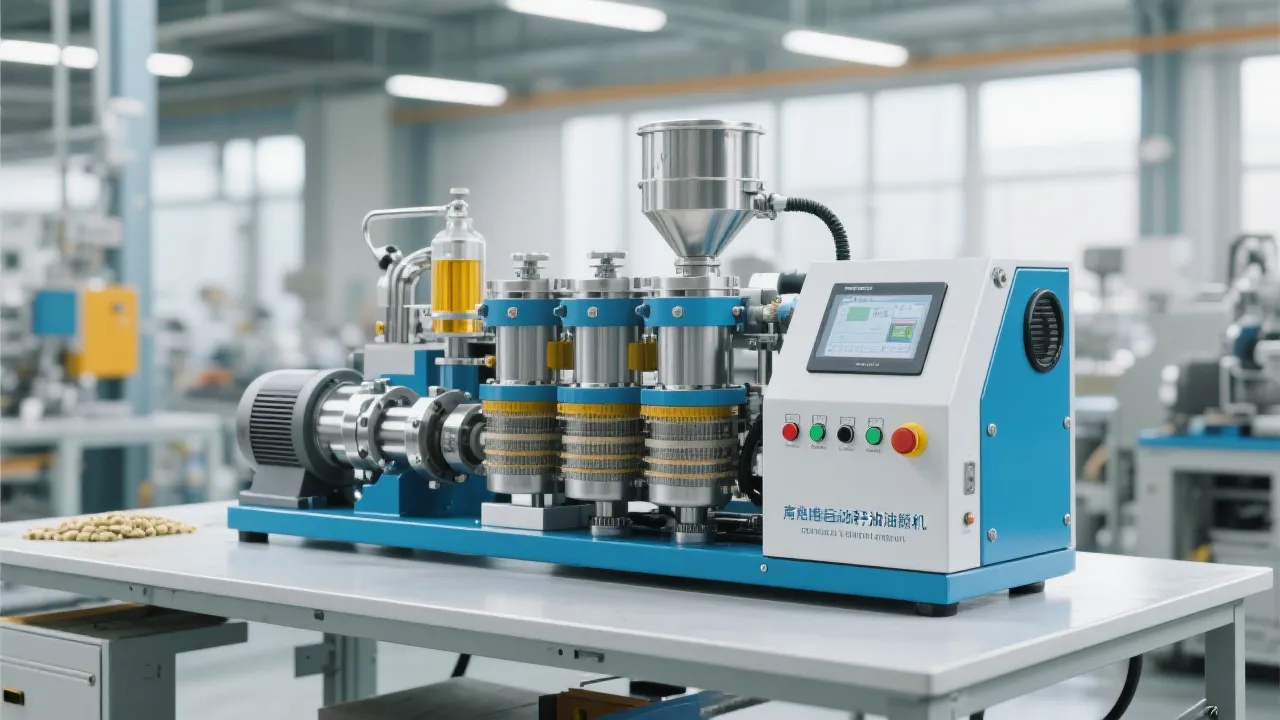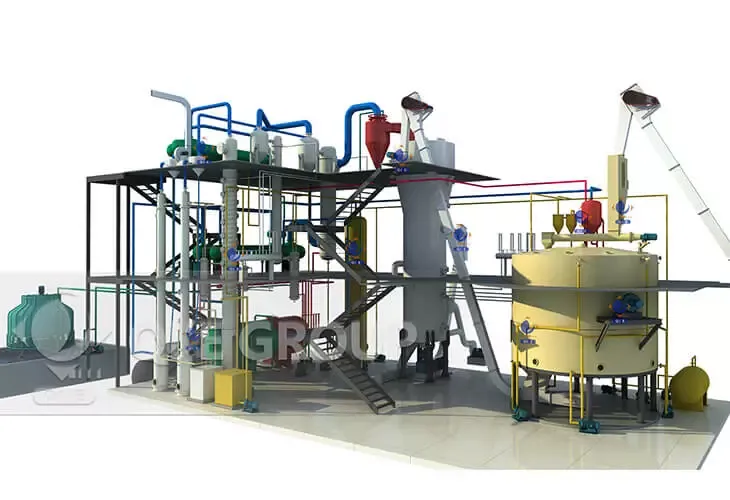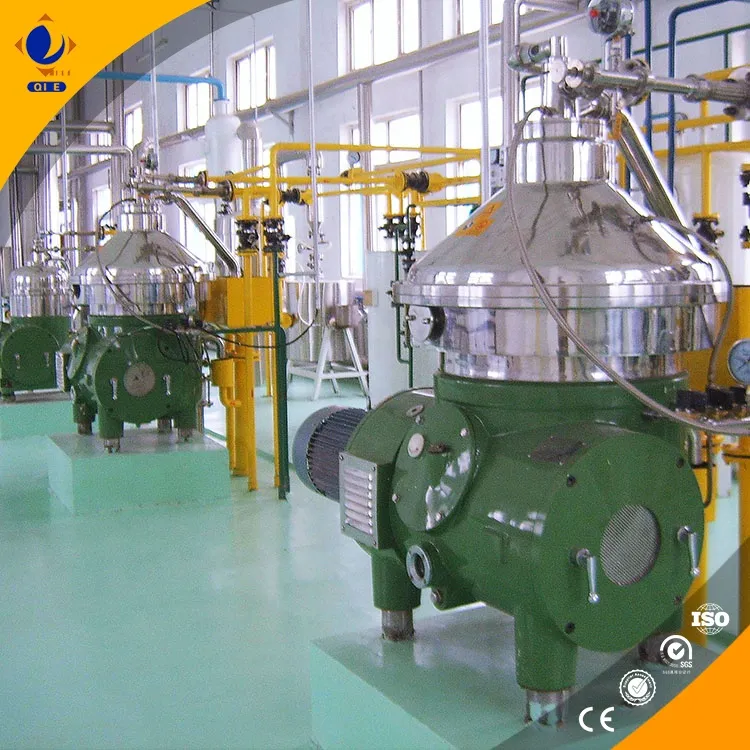
In today's rapidly evolving electronics manufacturing landscape, where precision and efficiency determine market leadership, the battle against production contaminants has never been more critical. As electronic components shrink to microscale dimensions and circuit densities reach unprecedented levels, the invisible enemies of manufacturing—adhesive residues and wax deposits—threaten product quality, production yields, and ultimately, your bottom line. This comprehensive guide reveals how combined degreasing and dewaxing technology is revolutionizing electronics manufacturing processes, delivering measurable improvements in production efficiency and product reliability.
Many manufacturers underestimate the true impact of residual adhesives and waxes on their production lines. Research conducted by the International Electronics Manufacturing Initiative (IEMI) reveals that inadequate cleaning processes contribute to approximately 23% of all PCB manufacturing defects. These defects translate to an average yield loss of 8-12% in high-volume production environments, equating to millions in potential revenue losses annually.
Consider this: A mid-sized electronics manufacturer producing 50,000 PCBs monthly with a 10% defect rate due to residue issues loses approximately 5,000 units per month. At an average profit margin of $25 per unit, this represents a monthly loss of $125,000—nearly $1.5 million annually—before accounting for rework costs and customer returns.
Modern combined degreasing and dewaxing technology represents a significant advancement over traditional single-process cleaning methods. By synergistically combining physical and chemical mechanisms, this technology addresses the complex nature of residues encountered in electronics manufacturing.
The technology operates through a sophisticated interplay of two primary mechanisms:
This combination achieves what neither process could accomplish alone. Laboratory tests show that combined systems reduce residual contamination to levels as low as 0.003 mg/cm², compared to 0.021 mg/cm² with chemical-only methods and 0.015 mg/cm² with mechanical-only approaches.
To achieve consistent, repeatable cleaning performance, manufacturers must carefully control three key parameters:
Optimal cleaning occurs within a specific temperature window (typically 45-65°C for most electronic applications). Temperature affects both chemical reactivity and residue viscosity—too low and cleaning agents underperform; too high and thermal damage becomes a risk.
The energy input must match the residue type and substrate sensitivity. Finer pitch components often require lower intensity ultrasonic cleaning (40-60 kHz), while more robust assemblies can benefit from higher energy systems (20-30 kHz).
Insufficient exposure time leaves residues; excessive time wastes energy and may cause component degradation. Most applications achieve optimal results with 3-8 minute cycles, depending on contamination levels.
By precisely controlling these three parameters, manufacturers typically see a 40-55% reduction in cleaning-related defects within the first three months of implementation.
The versatility of combined degreasing and dewaxing technology makes it applicable across multiple electronics manufacturing scenarios:
A leading automotive electronics supplier implemented a combined degreasing and dewaxing solution in their PCB production line. The results were striking:
In semiconductor packaging, where contamination can lead to bond failure and reliability issues, the technology has demonstrated impressive results. A major semiconductor manufacturer reported:
"Implementing the combined cleaning process reduced our wire bond failure rate by 47% and improved die attach yields by 5.3%. The technology paid for itself within 4.8 months through yield improvements alone."
— Process Engineering Manager, Major Semiconductor Manufacturer
Modern combined degreasing and dewaxing systems are not only more effective than traditional methods but also more environmentally responsible. The latest generation of systems incorporates closed-loop recycling, reducing chemical consumption by 60-75% compared to open-bath systems.
Furthermore, these systems are increasingly integrated with Industry 4.0 technologies: IoT sensors monitor cleaning bath chemistry in real-time, predictive maintenance algorithms reduce downtime by up to 35%, and data analytics provide actionable insights for continuous process improvement.
A: While plasma cleaning is effective for certain applications, it typically addresses only organic contaminants on exposed surfaces. Combined degreasing and dewaxing technology penetrates complex geometries and removes both organic and inorganic residues, making it more versatile for most electronics manufacturing applications.
A: Yes, most systems are designed for modular integration. The 企鹅集团 offers custom engineering services to adapt their cleaning solutions to existing production layouts, minimizing downtime during implementation.
A: Modern systems require minimal maintenance. Regular filter changes (typically monthly) and periodic bath replenishment are the primary maintenance tasks. Smart systems include predictive maintenance alerts to minimize unexpected downtime.
The data is clear: combined degreasing and dewaxing technology delivers measurable improvements in production yields, product quality, and operational efficiency. By addressing the root cause of contamination-related defects, manufacturers can realize significant cost savings while improving customer satisfaction and brand reputation.
Imagine a production line where cleaning-related defects are virtually eliminated, where rework stations sit idle, and where every product meets the highest quality standards. This vision can become your reality with the right cleaning technology partner.
Don't let invisible residues undermine your manufacturing success. The technology to achieve cleaner, more efficient production is available today. Take the first step toward operational excellence by evaluating how combined degreasing and dewaxing technology can address your specific manufacturing challenges.