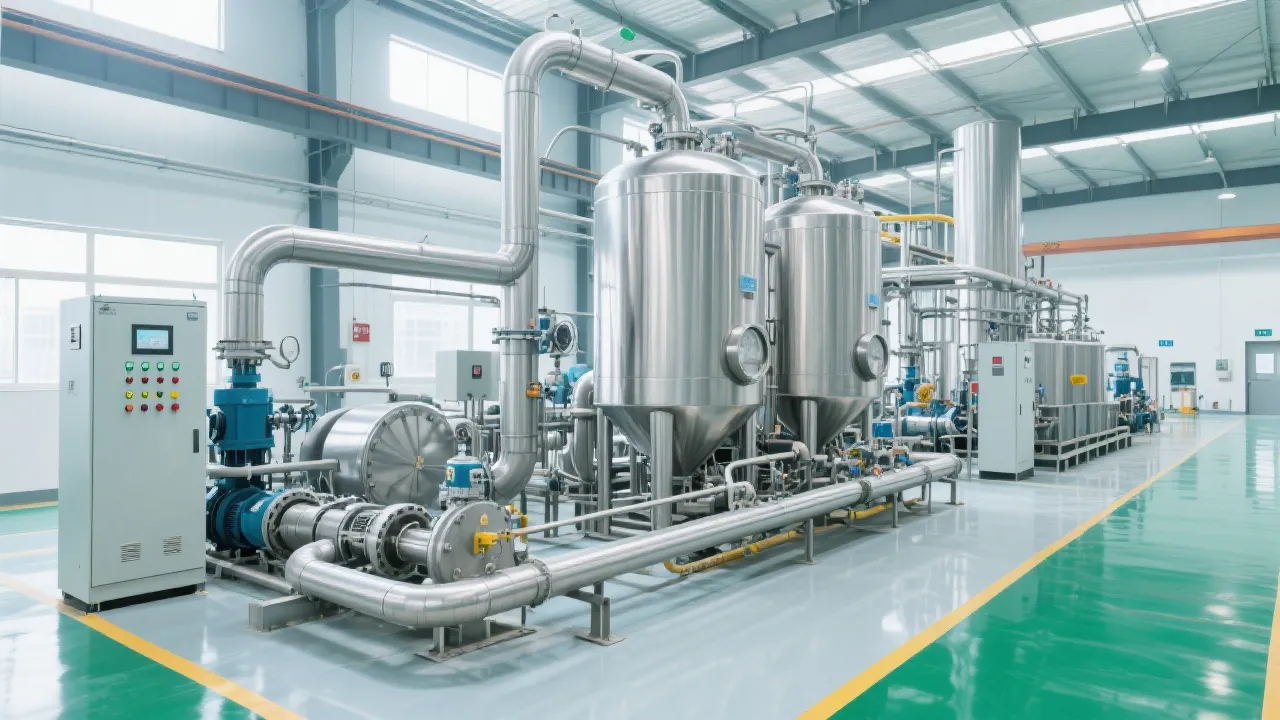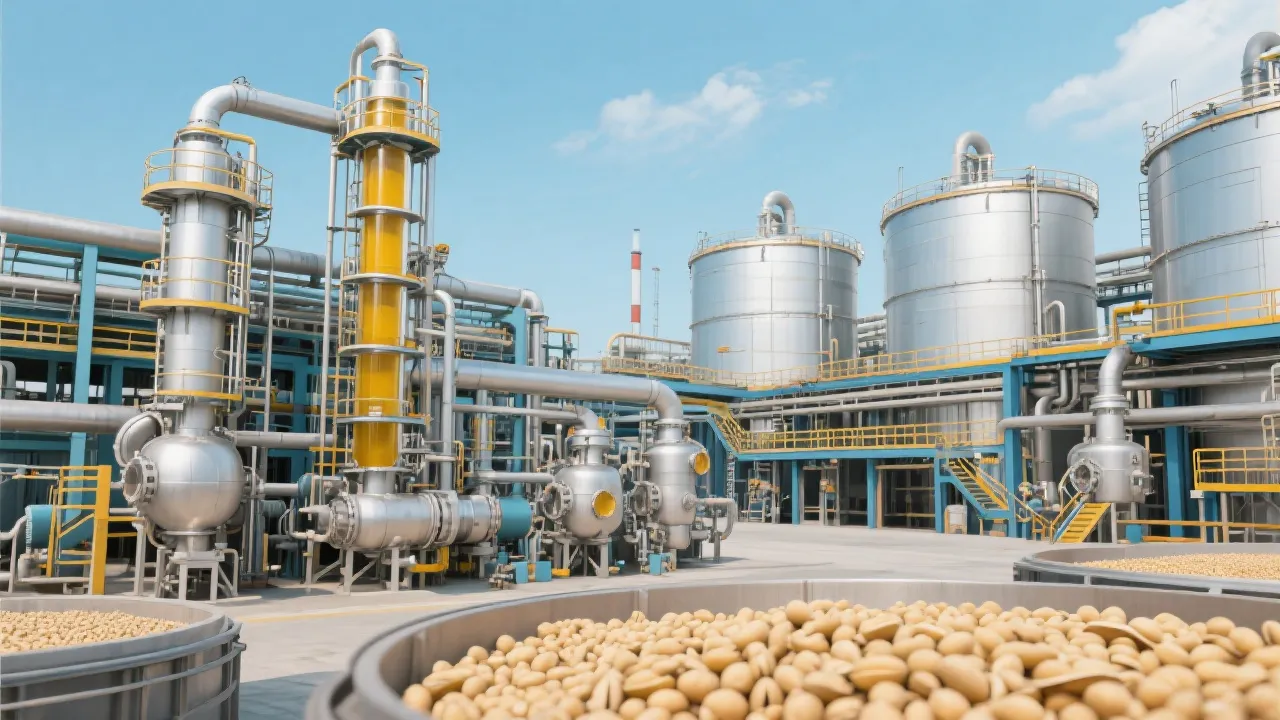

This article systematically analyzes the testing methods for key quality indicators of oils after dewaxing and the strategies for quality assurance. It mainly covers the laboratory and on - site testing techniques for indicators such as cloud point, wax content, acid value, color stability, and fluidity. By referring to standards like ASTM, this article details the testing procedures and precautions, and delves into how to optimize process parameters such as temperature control and filtration accuracy to ensure stable oil quality that meets the standards.
The cloud point is an important indicator reflecting the low - temperature performance of the dewaxed oil. According to ASTM D2500 standard, the cloud point is determined by observing the temperature at which a haze appears in the oil sample when cooled under specific conditions. Typically, for high - quality dewaxed oils, the cloud point should be below -10°C, which ensures good fluidity at low temperatures.
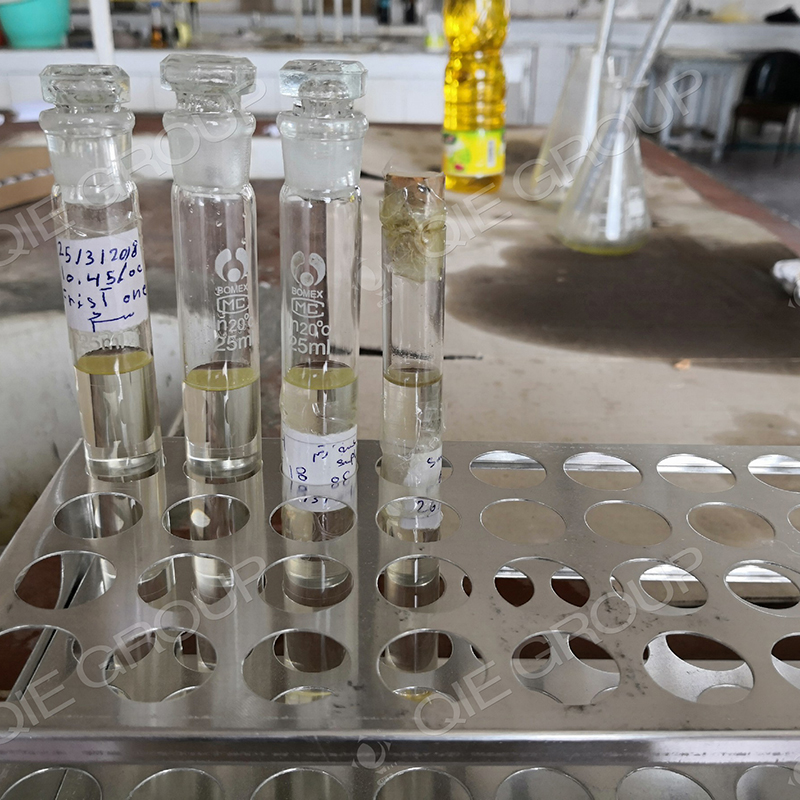
Wax content is another crucial factor. It can be measured through methods such as solvent extraction and centrifugation. The ideal wax content in dewaxed oils should be less than 0.1% to prevent the formation of wax crystals that may block pipelines and equipment. Acid value, representing the amount of free fatty acids in the oil, is measured according to ASTM D974. A low acid value, usually below 0.5 mg KOH/g, indicates better oxidation stability and longer shelf - life of the oil.
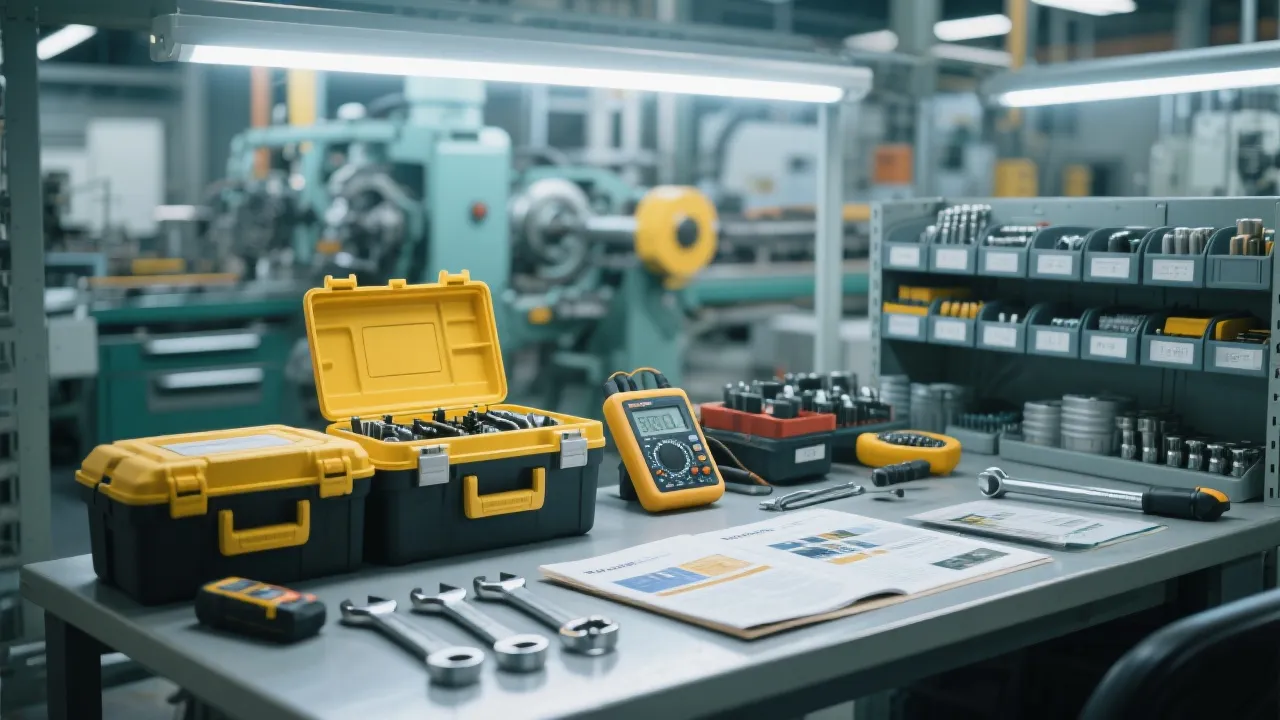
In the laboratory, precision equipment like gas chromatographs and differential scanning calorimeters can be used for accurate analysis of these indicators. However, on - site rapid testing is also essential for real - time quality control. For example, portable cloud point testers can provide quick results within 10 - 15 minutes, enabling immediate adjustments to the production process.
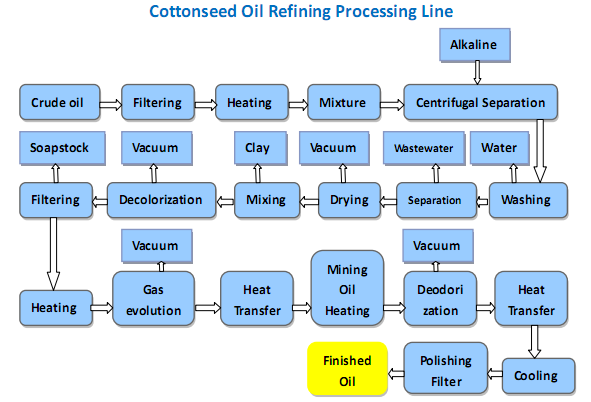
The use of on - site testing kits for wax content and acid value can also significantly improve production efficiency. These kits are easy to operate and can provide reliable results comparable to laboratory tests in most cases.
Process parameters play a vital role in ensuring the quality of dewaxed oils. Lowering the temperature during the dewaxing process can effectively reduce the wax content. For example, when the temperature is controlled between -15°C to -20°C, the wax precipitation rate can reach over 90%. Adjusting the filtration accuracy can also remove fine wax particles and impurities, improving the clarity and stability of the oil.
Common reasons for unqualified dewaxed oils include improper temperature control, low filtration efficiency, and problems with the raw materials. When the cloud point is too high, it may be due to insufficient cooling. In this case, adjusting the refrigeration system or extending the cooling time can be effective solutions. For high wax content, increasing the filtration pressure or changing the filter medium can improve the removal rate of wax.
By analyzing these cases and implementing targeted improvement measures, a closed - loop quality management mechanism can be established, enhancing the competitiveness of products and customer trust.
If you are looking to optimize your dewaxing process and improve your oil quality, don't miss this opportunity. Contact our professional suppliers now! Click here to get a personalized dewaxing quality testing and improvement plan, and turn your knowledge into business value!