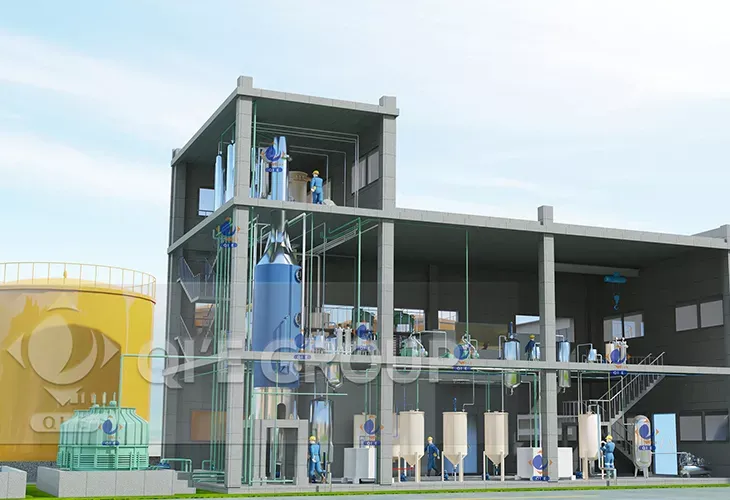
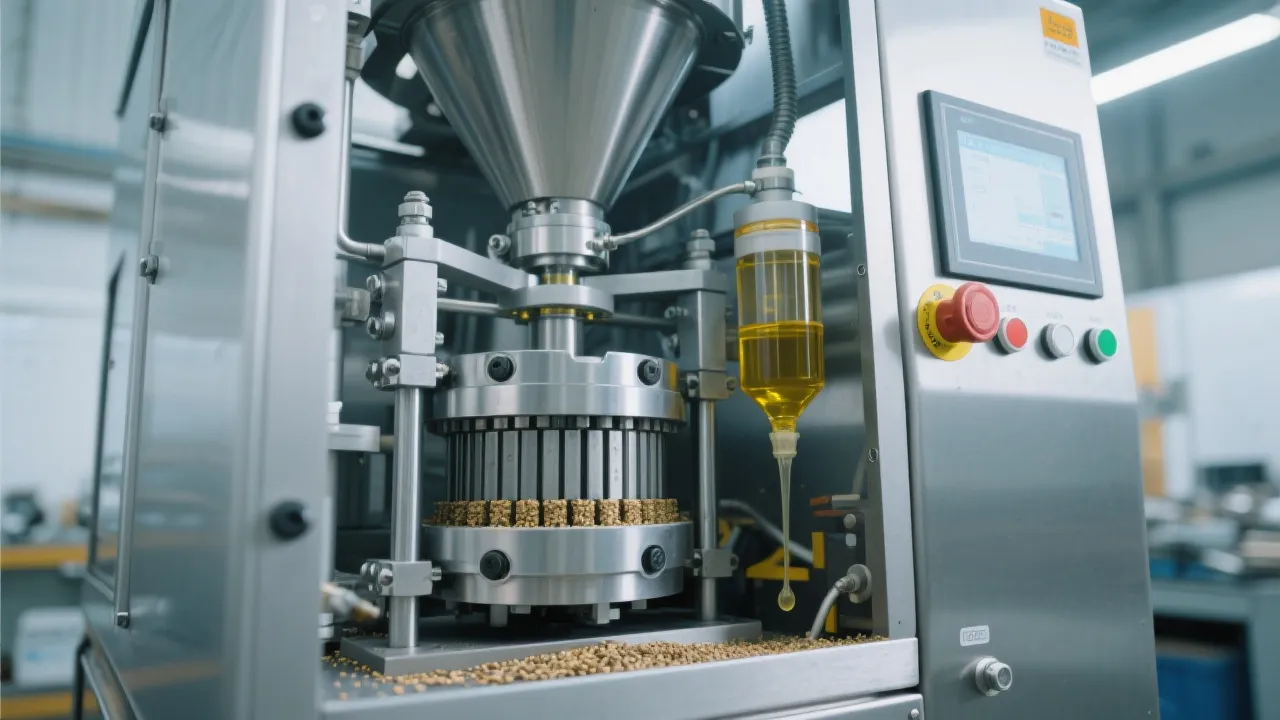
In the competitive landscape of vegetable oil processing, efficiency isn't just a goal—it's a necessity. As global demand for high-quality edible oils continues to rise, processors are constantly seeking ways to maximize yield while minimizing operational costs. One technology that has revolutionized the industry is continuous solvent extraction, a process that has transformed how we extract oil from oilseeds like soybeans, sunflower seeds, and cottonseeds. Today, we'll explore how this advanced technology enhances soybean oil extraction efficiency, delving into key technical principles and practical optimization strategies that can help your facility achieve remarkable results.
Continuous solvent extraction represents a significant leap forward from traditional batch processing methods. Unlike intermittent systems that require frequent loading and unloading, continuous extraction operates 24/7, creating a seamless flow that dramatically increases throughput while maintaining consistent product quality. In soybean processing, this technology typically achieves extraction efficiencies of 97-99%, compared to 85-90% with conventional mechanical pressing alone. This substantial difference directly impacts bottom-line profitability, especially for facilities processing 30-5000 tons of soybeans daily.
The core advantage of continuous extraction lies in its ability to maintain optimal conditions throughout the process. By precisely controlling variables such as temperature, solvent-to-feed ratio, and residence time, processors can achieve uniform extraction across the entire batch, eliminating the inconsistencies common in batch processing.
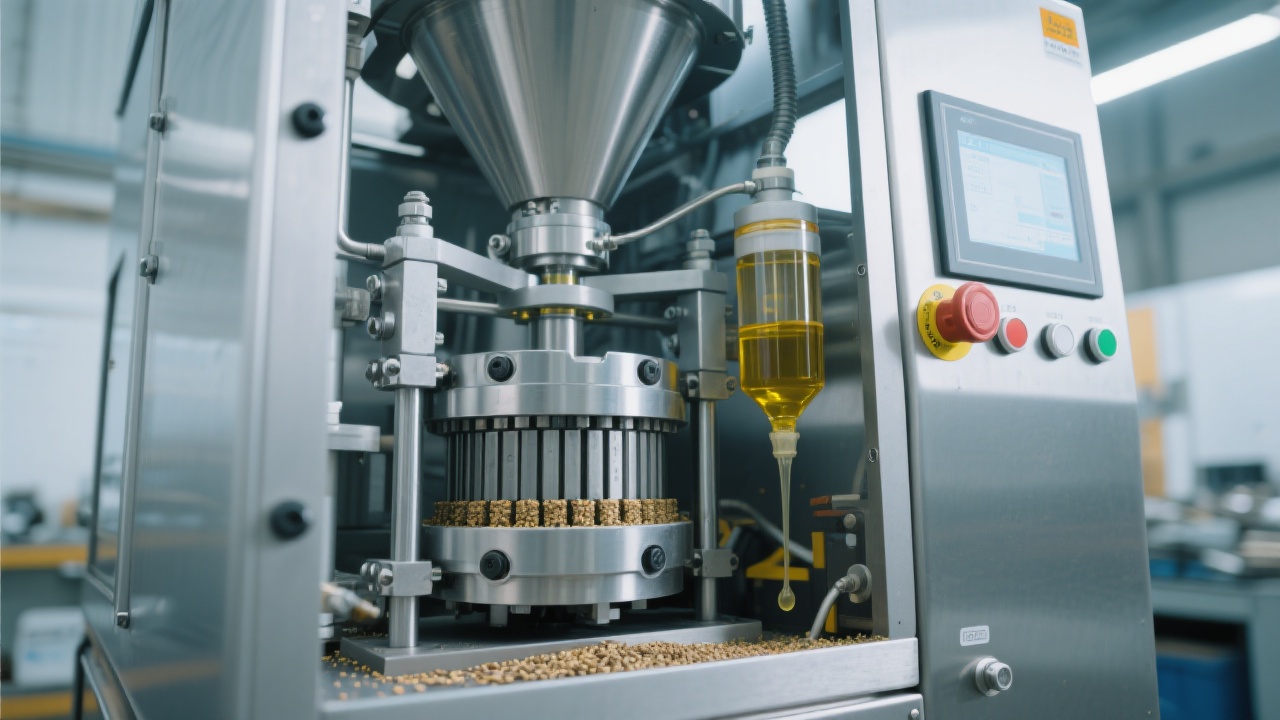
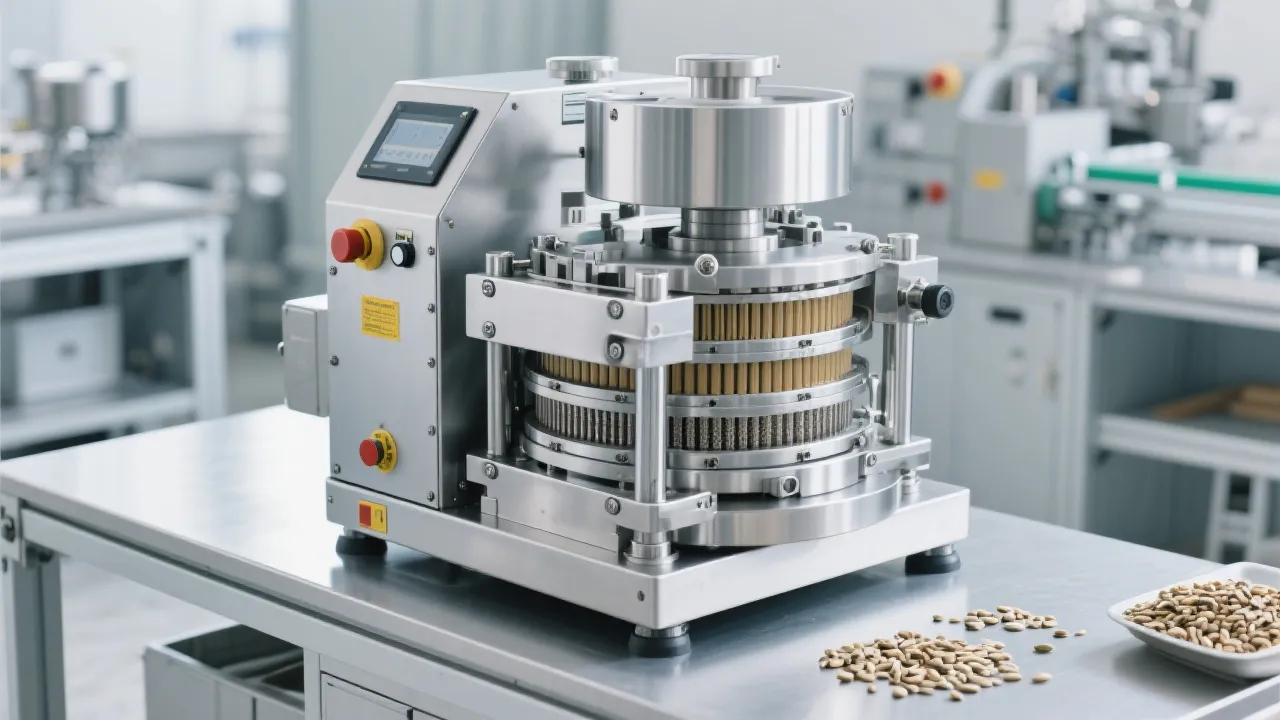
Effective solvent penetration is the first critical step in the extraction process. Soybean flakes, typically prepared through a series of rolling and flaking operations, must be optimized to allow maximum solvent access to the oil-bearing cells. The ideal flake thickness for soybeans ranges from 0.20 to 0.30 mm, providing a balance between surface area exposure and structural integrity. Too thin, and flakes may disintegrate during extraction; too thick, and solvent penetration becomes inadequate.
Modern extraction systems, like those designed by 企鹅集团 (Qi'e Group), incorporate specialized pre-treatment equipment that ensures consistent flake quality. This attention to detail in the pre-extraction phase can improve solvent penetration by up to 15%, directly translating to higher oil yields.
Once solvent has penetrated the soybean flakes, molecular diffusion takes over as the primary mechanism for oil extraction. This process is governed by Fick's Law, which describes how oil molecules move from areas of high concentration (within the seed cells) to areas of low concentration (the solvent phase). Temperature plays a crucial role here—for soybean extraction, the optimal temperature range is typically 50-55°C. This temperature balances solvent viscosity (lower at higher temperatures, improving flow) with oil solubility and thermal stability.
| Oilseed Type | Optimal Extraction Temperature | Solvent-to-Feed Ratio | Typical Extraction Efficiency |
|---|---|---|---|
| Soybeans | 50-55°C | 1.5-2.0:1 | 97-99% |
| Sunflower Seeds | 45-50°C | 1.8-2.2:1 | 96-98% |
| Cottonseeds | 55-60°C | 2.0-2.5:1 | 95-97% |
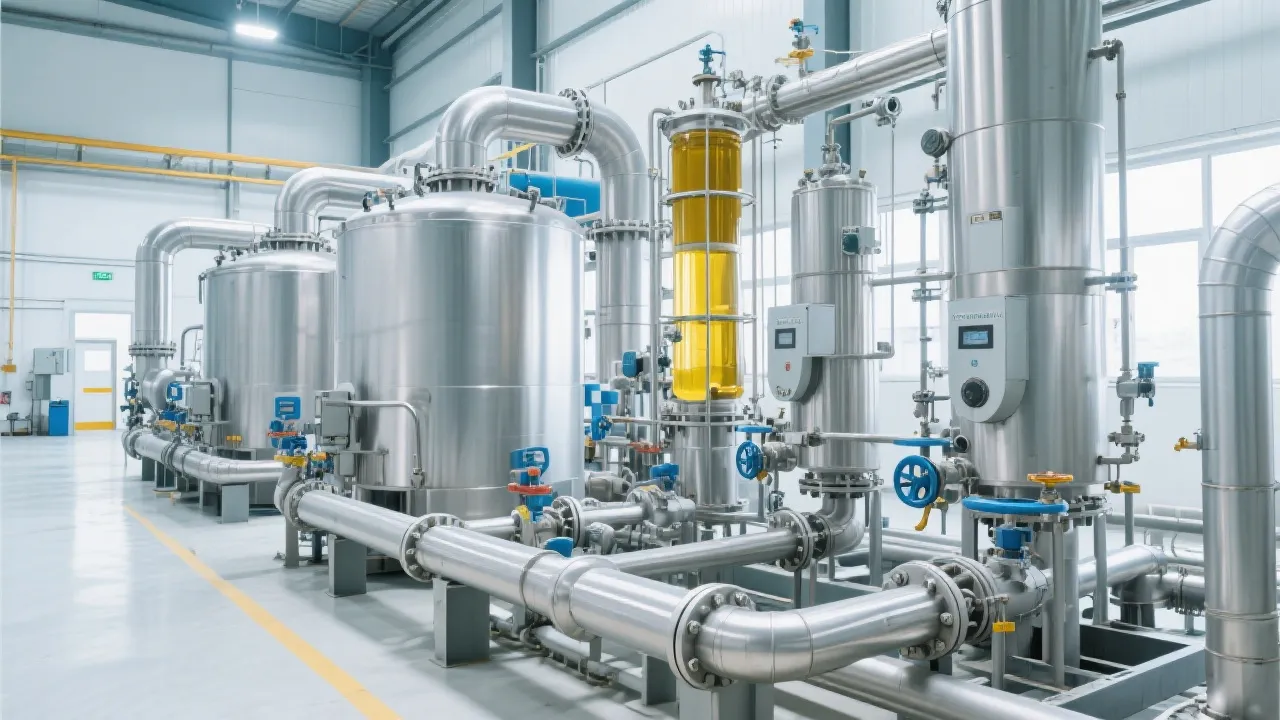
The third critical mechanism in continuous solvent extraction is convective mass transfer, which involves the movement of the solvent-oil solution away from the seed material, allowing fresh solvent to contact the remaining oil. This is typically achieved through countercurrent flow, where solvent and solids move in opposite directions. This configuration maximizes the concentration gradient between the seed material and the solvent, driving more complete oil extraction.
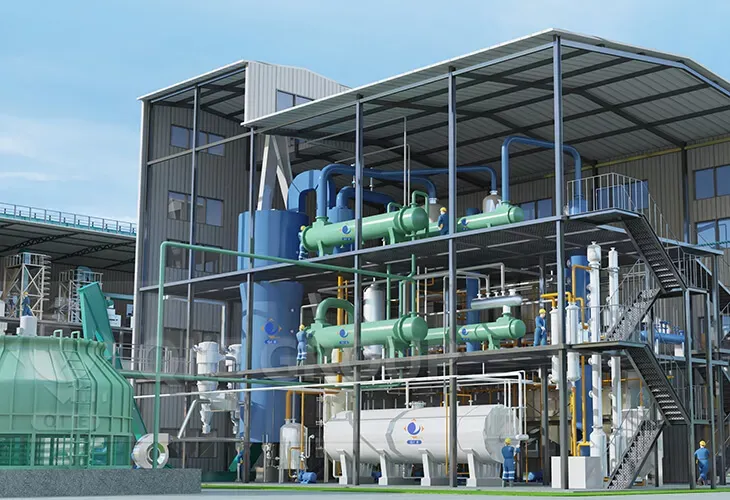
Modern extractors, such as the inclined belt and horizontal screw types, are engineered to optimize this countercurrent flow. The design ensures that the most oil-rich solvent contacts the freshest seed material, while the most oil-depleted solvent meets the most thoroughly extracted material. This sophisticated engineering results in extraction efficiencies that were once thought impossible.
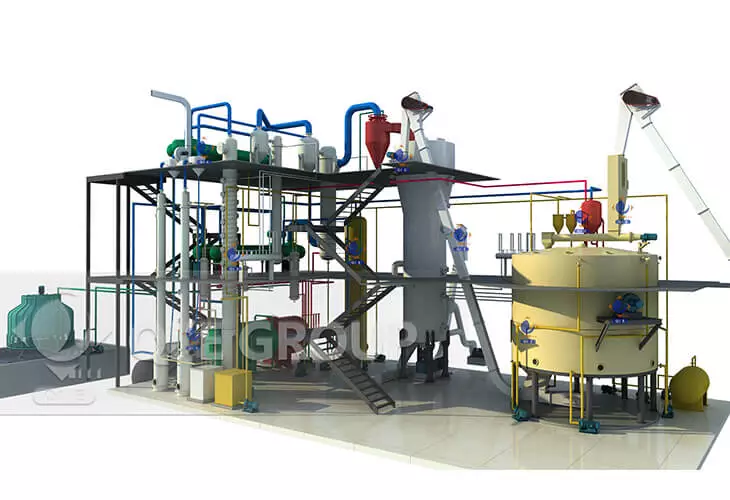
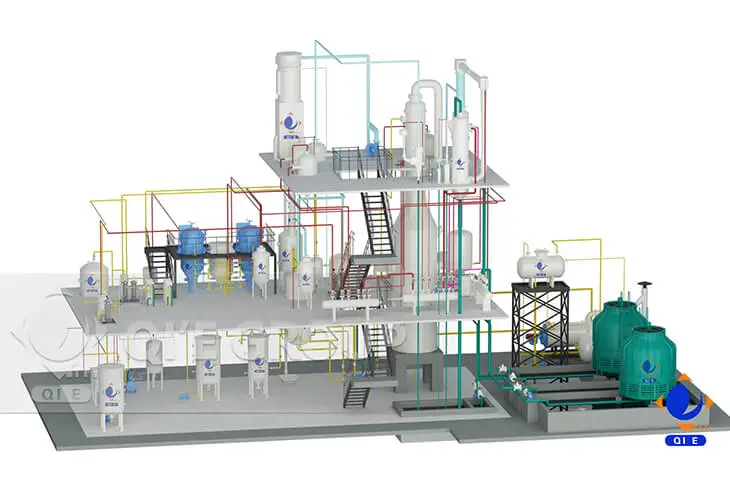
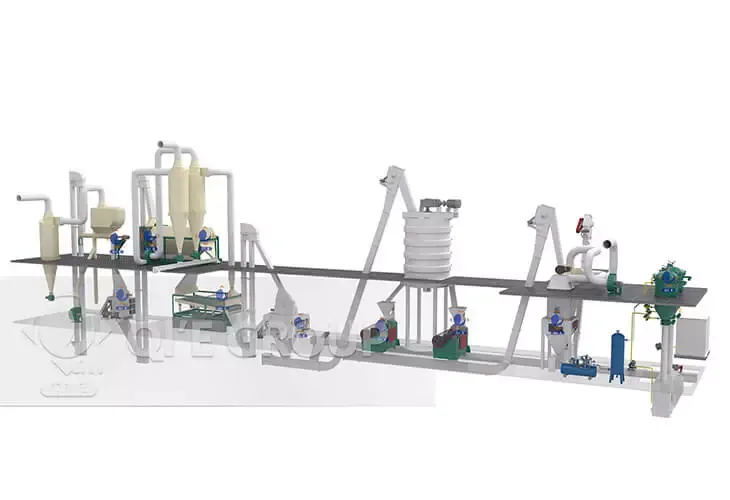
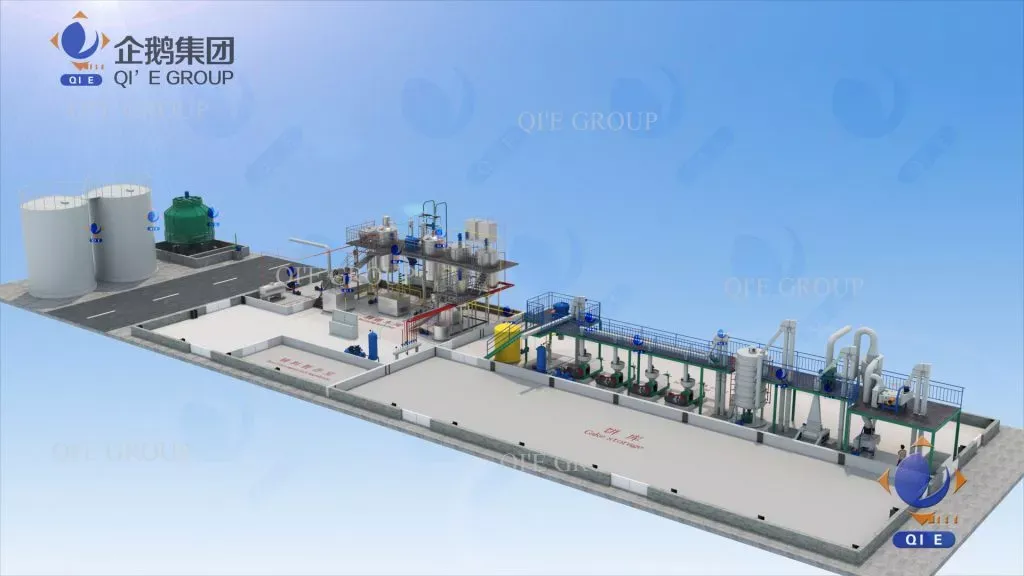
One of the most significant advantages of continuous solvent extraction systems is their ability to integrate seamlessly with other processing stages—from pre-treatment through to refining. This integration is critical for maintaining process efficiency and product quality. For example, the design of the desolventizing-toasting-drying-cooling (DTDC) system directly impacts both residual solvent levels and protein quality in the meal byproduct.
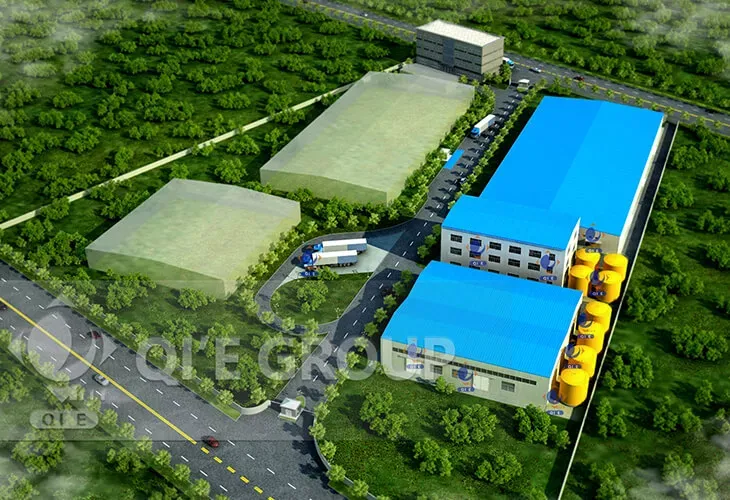
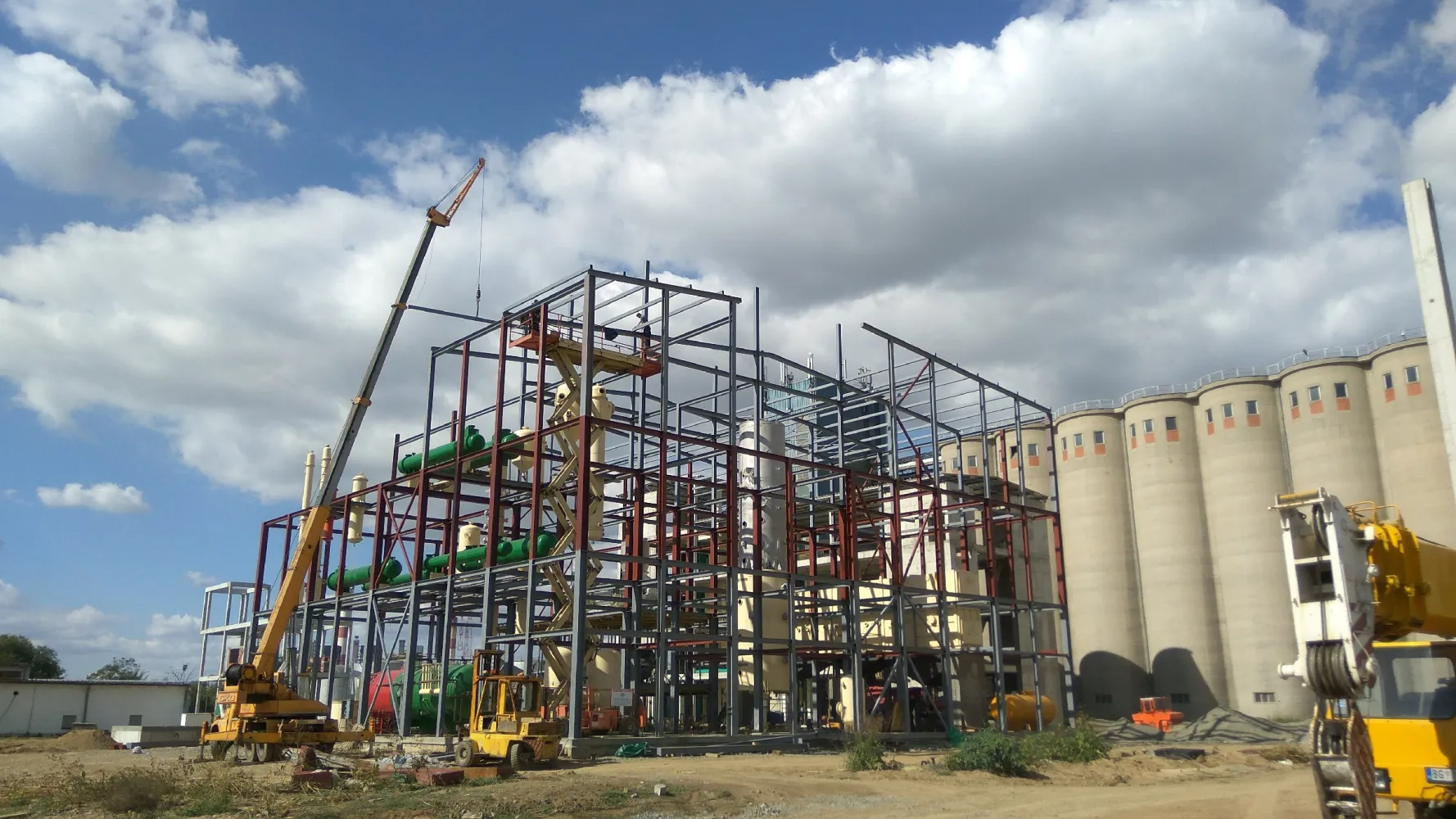
Facilities must also consider capacity flexibility. The ability to adjust production from 30 to 5000 tons per day is essential in responding to market demands and raw material availability. 企鹅集团 (Qi'e Group) specializes in designing systems with modular components that can be easily scaled, allowing processors to start small and expand as their business grows, or adjust production levels seasonally without sacrificing efficiency.
Today's oil processors face increasing pressure to reduce energy consumption and meet stringent environmental regulations. Continuous solvent extraction systems address both concerns through advanced design features. Heat recovery systems capture and reuse energy from the solvent recovery process, reducing overall energy consumption by 20-30% compared to older technologies. Additionally, modern systems are designed to minimize solvent emissions, typically achieving levels below 50 ppm—well within the most stringent global environmental standards.
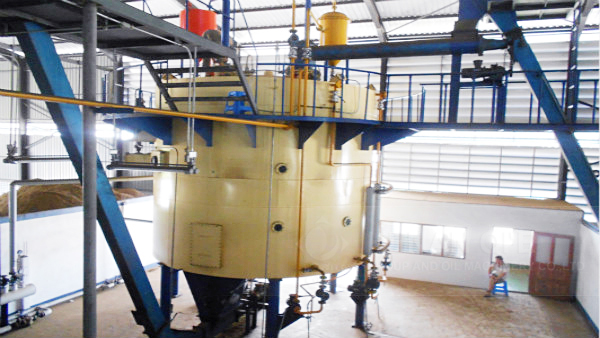
Achieving maximum efficiency with continuous solvent extraction requires careful attention to several key factors:
Consider this: A mid-sized soybean processing facility with a daily capacity of 500 tons implementing optimized continuous solvent extraction technology can potentially increase oil yield by 2-3% compared to conventional methods. For a facility processing 180,000 tons annually, this translates to an additional 3,600-5,400 tons of oil—representing millions in additional revenue each year.
Discover how 企鹅集团 (Qi'e Group)'s customized continuous solvent extraction solutions can help you achieve higher yields, lower energy costs, and meet global environmental standards. Our team of experts will work with you to design a system tailored to your specific needs, whether you're processing 30 tons or 5000 tons per day.
Request Your Custom Efficiency AnalysisAs the vegetable oil industry continues to evolve, the adoption of advanced continuous solvent extraction technology is no longer an option but a necessity for processors seeking to remain competitive. By understanding and optimizing the core mechanisms of solvent penetration, molecular diffusion, and convective mass transfer, facilities can unlock significant efficiency gains. When combined with integrated system design, flexible capacity, and a focus on energy efficiency, these technologies provide a path to sustainable profitability in an increasingly challenging market.
What specific challenges is your facility facing in oil extraction efficiency? Are there particular aspects of continuous solvent extraction technology you'd like to explore further? Share your thoughts and questions in the comments below—our team of experts is ready to help you find the optimal solution for your operation.