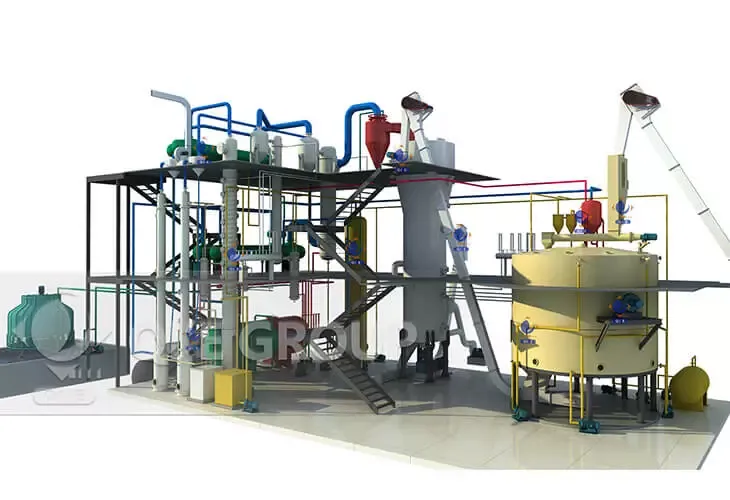
In the competitive landscape of vegetable oil processing, efficiency and consistency are not just operational goals but critical determinants of market success. As global demand for edible oils continues to rise—projected to reach 240 million metric tons by 2025 according to Statista—oil processors face increasing pressure to optimize extraction yields while maintaining product quality and minimizing operational costs.
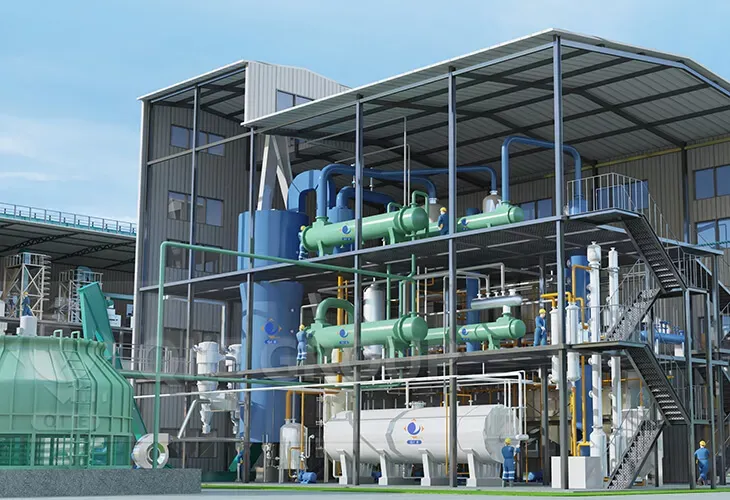
Traditional batch extraction methods, while simple in design, typically achieve extraction efficiencies of only 85-90%, leaving significant residual oil in the meal. Continuous solvent extraction systems, by contrast, have revolutionized the industry by delivering extraction efficiencies upwards of 99.5%, dramatically increasing overall yield while reducing solvent consumption by 30-40% compared to batch processes.
Effective solvent penetration relies on precise control of flake thickness and porosity. For soybean processing, optimal flake thickness ranges from 0.3 to 0.4 mm, creating sufficient surface area while maintaining structural integrity. The 企鹅集团 (QIE Group) extraction systems utilize specialized flaking rollers with adjustable pressure settings to achieve consistent flake quality, ensuring uniform solvent distribution throughout the material bed.
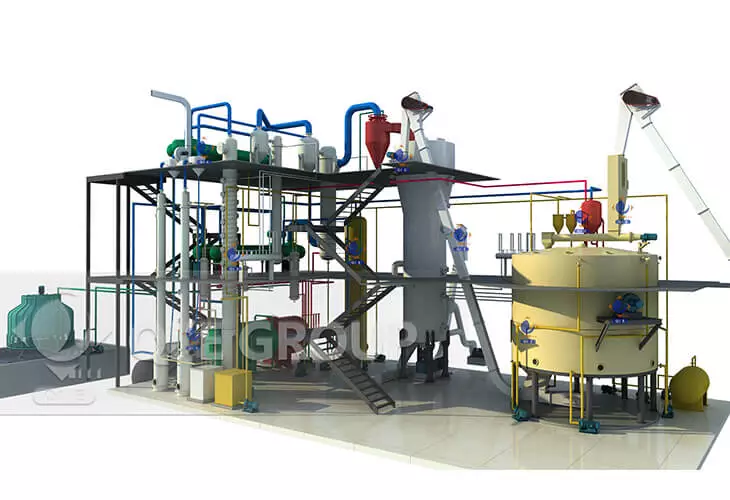
Molecular diffusion occurs when oil molecules move from regions of high concentration to low concentration within the solvent medium. Temperature control plays a critical role in this process—soybean extraction achieves optimal results at 50-55°C, while sunflower seeds perform best at slightly higher temperatures of 55-60°C. Maintaining this temperature range accelerates diffusion rates without compromising oil quality or causing solvent loss through evaporation.
Convective mass transfer is enhanced through strategic bed height control and solvent-to-solid ratio management. Modern extractors maintain bed heights between 1.2-1.5 meters, with solvent flow rates adjusted to achieve a 1:1.5 to 1:2 solvent-to-feed ratio. This balance ensures thorough oil extraction while minimizing solvent usage and reducing downstream recovery costs.
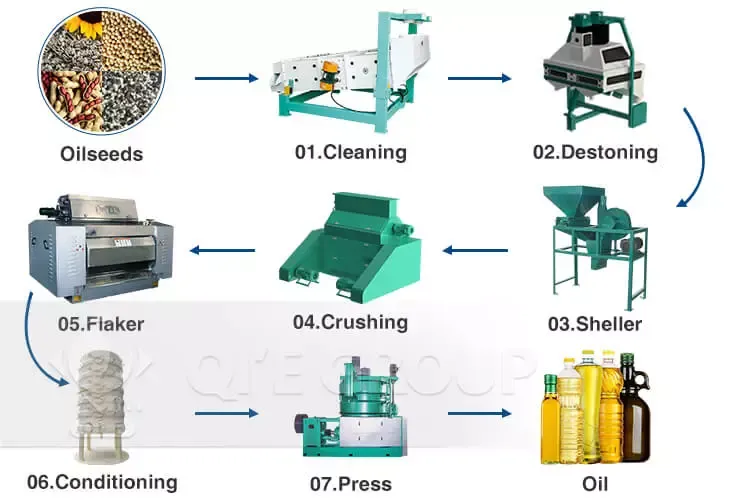
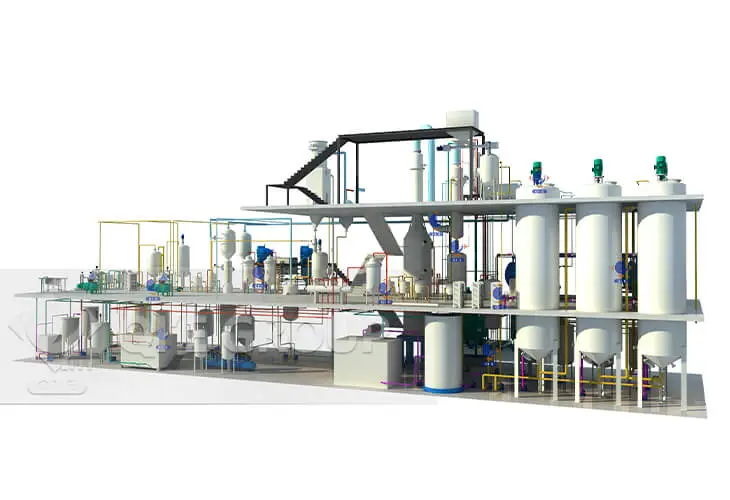
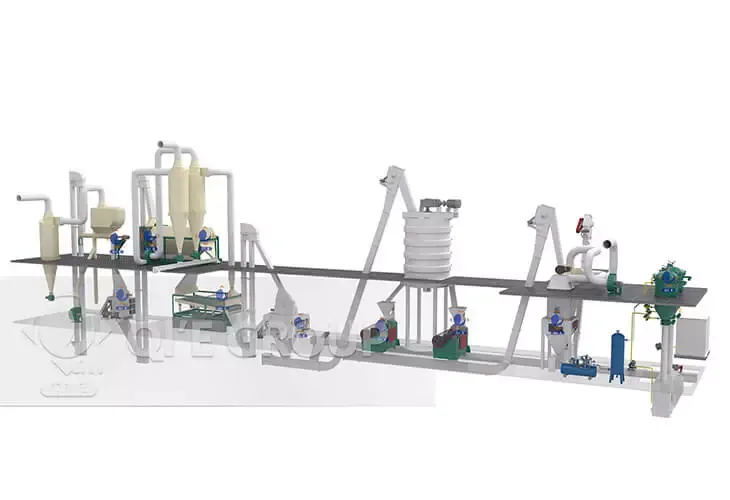
The true power of continuous solvent extraction lies in its seamless integration with upstream and downstream processes. Preprocessing steps—including cleaning, dehulling, and flaking—directly impact extraction efficiency. For example, effective dehulling of sunflower seeds to remove 98% of hulls can increase oil yield by 2-3% and reduce solvent consumption by 5%.
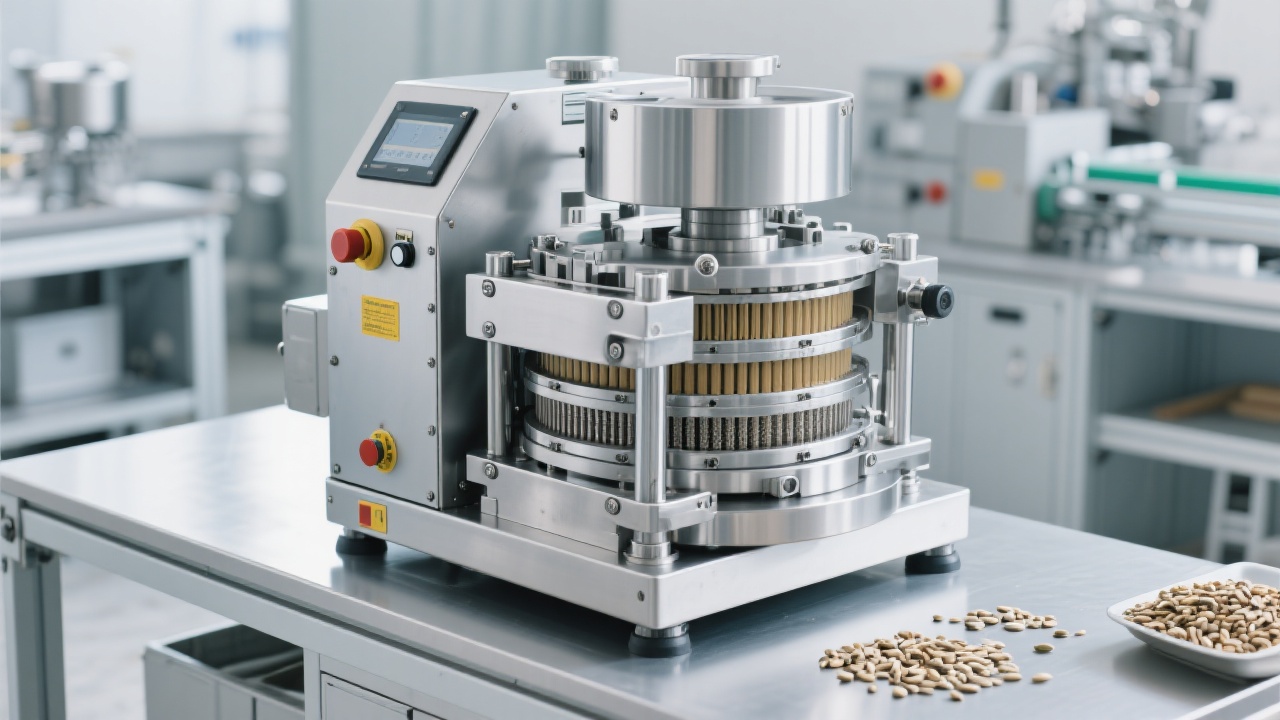
Post-extraction, efficient solvent recovery is essential for both economic and environmental reasons. Modern systems achieve solvent recovery rates exceeding 99.9%, with residual solvent in meal typically below 500 ppm. This not only reduces operating costs but also ensures compliance with strict environmental regulations regarding volatile organic compound emissions.
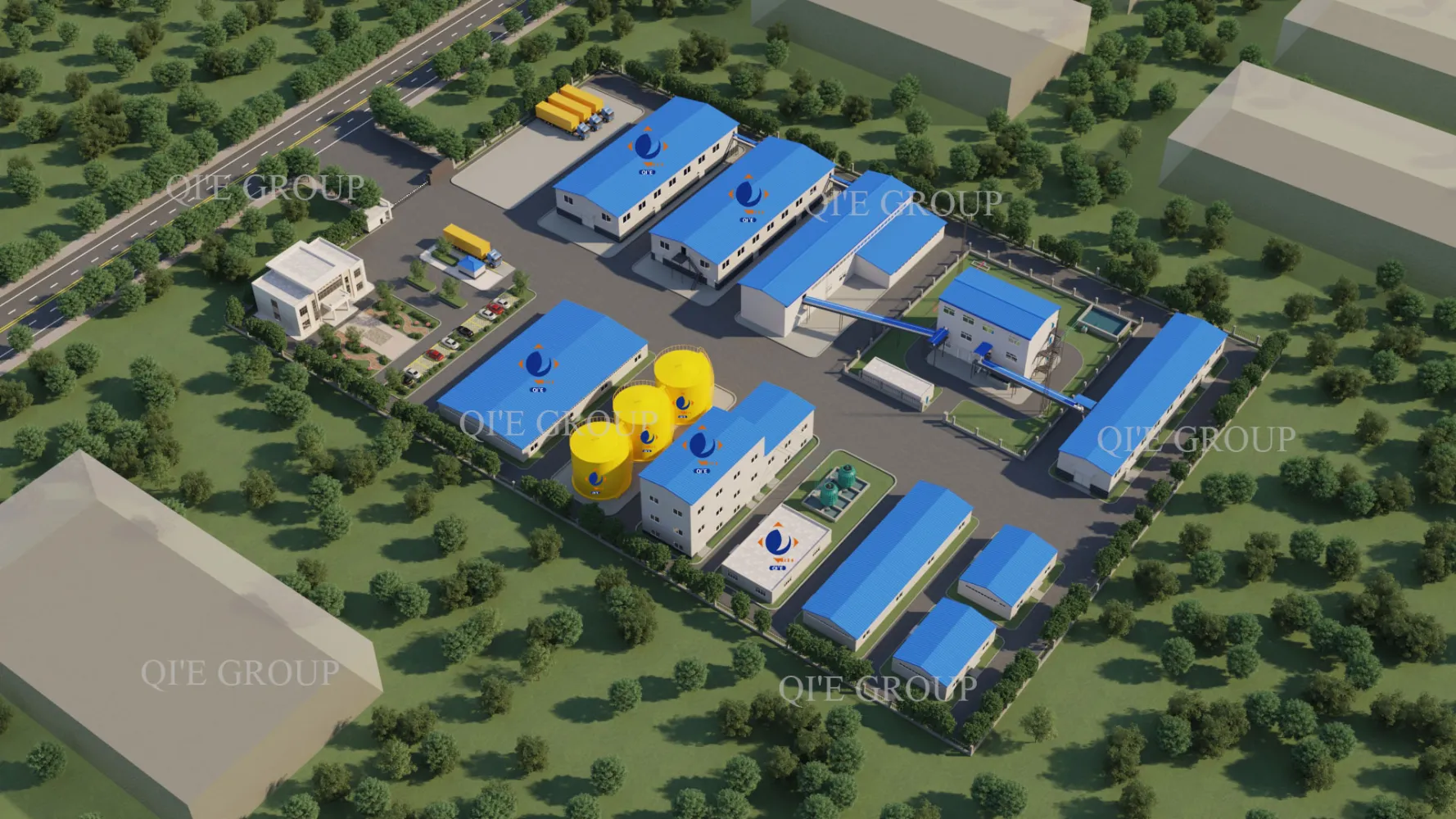
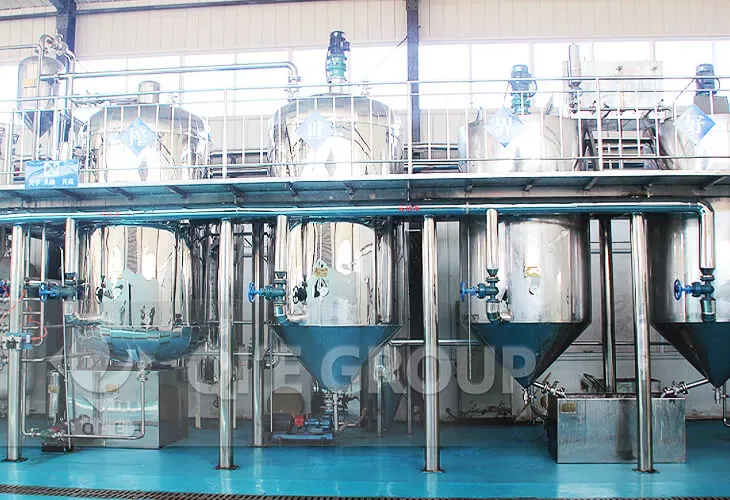
One of the most significant advantages of continuous extraction technology is its scalability. Whether establishing a new facility or expanding an existing operation, processors can select from modular designs that accommodate capacities ranging from 30 tons/day for specialty oil producers to 5000 tons/day for large-scale industrial operations.
This flexibility allows businesses to match production capabilities with market demand, minimizing capital investment while ensuring future expansion potential. For instance, a mid-sized processor starting with a 200 tons/day system can incrementally add modules to reach 500 tons/day as market share grows, avoiding the need for complete facility overhauls.
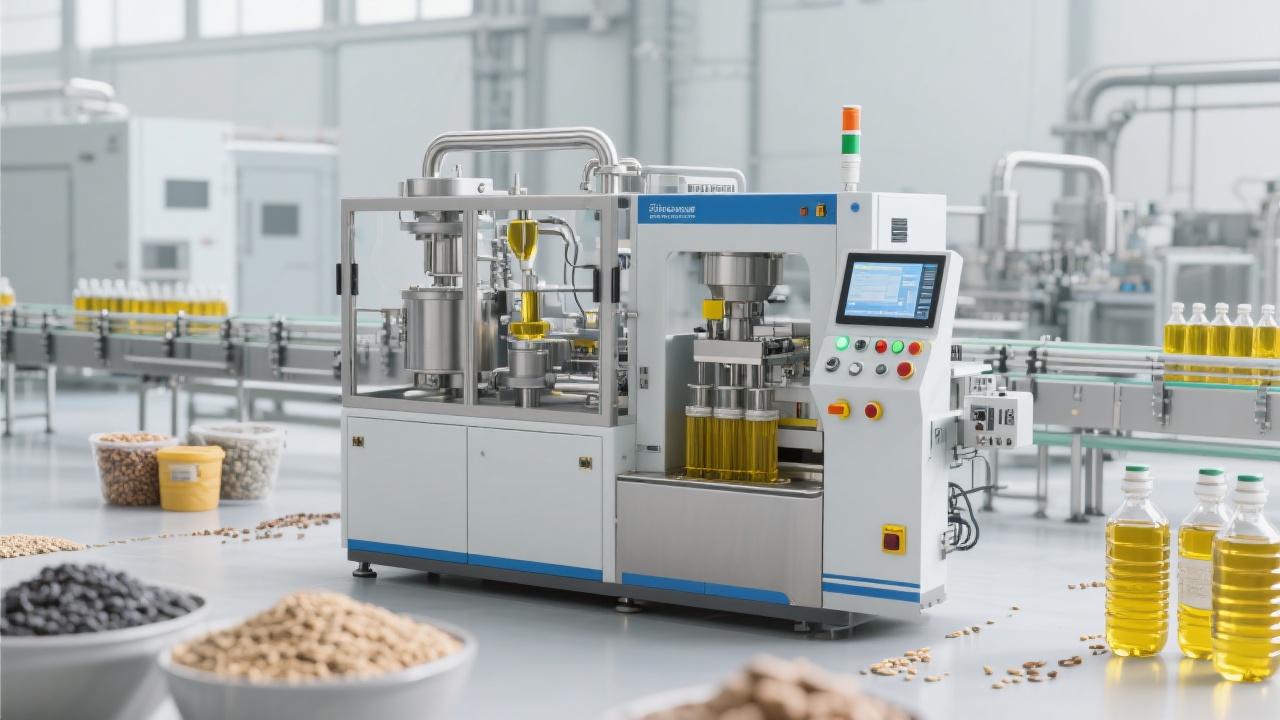
Discover how 企鹅集团 (QIE Group) continuous solvent extraction systems can increase your oil yield by up to 5% while reducing operational costs. Our technical experts will conduct a free efficiency assessment of your current process and provide a customized solution tailored to your specific oilseed and production requirements.
Schedule Your Free Technical ConsultationEnvironmental considerations have become increasingly important in modern oil processing facilities. Advanced continuous extraction systems incorporate heat recovery technologies that capture and reuse up to 70% of process heat, significantly reducing overall energy consumption. Additionally, closed-loop solvent systems minimize emissions and ensure compliance with even the most stringent environmental regulations in regions such as the EU and North America.
As the industry continues to evolve, processors must balance multiple priorities: maximizing yield, ensuring product quality, minimizing environmental impact, and maintaining economic viability. Continuous solvent extraction technology addresses all these challenges through its superior efficiency, flexibility, and integration capabilities, making it the cornerstone of modern vegetable oil processing operations worldwide.