In the competitive landscape of edible oil production, efficiency and quality are the cornerstones of success. As global demand for vegetable oils continues to rise—projected to reach 240 million metric tons by 2025 according to industry reports—producers face the challenge of optimizing extraction processes while maintaining product integrity. Continuous solvent extraction technology has emerged as the gold standard for large-scale operations, offering significant advantages over traditional batch processing. This comprehensive guide explores the scientific principles, operational parameters, and equipment integration strategies that drive modern vegetable oil extraction excellence.
At its core, continuous solvent extraction relies on three fundamental mass transfer mechanisms working in harmony to maximize oil recovery from oilseeds. Understanding these processes is essential for optimizing extraction efficiency and product quality.
The initial stage of extraction involves solvent molecules permeating the seed matrix to reach the oil-bearing cells. This process is significantly influenced by seed preparation, particularly flaking thickness and moisture content. For soybeans, optimal flaking thickness ranges from 0.30 to 0.35 mm, creating sufficient surface area while maintaining structural integrity. Research indicates that moisture levels between 8-10% yield the best balance between solvent penetration and oil viscosity, allowing for efficient extraction without compromising seed structure.
Once solvent has penetrated the seed matrix, oil molecules diffuse from the interior to the surface of the seed particles. Fick's Law governs this process, stating that the diffusion rate is proportional to the concentration gradient. Temperature plays a critical role here—each 10°C increase typically accelerates diffusion rates by 15-20%. For sunflower seeds, which contain larger oil bodies, maintaining a temperature of 55-60°C has been shown to increase extraction efficiency by up to 8% compared to lower temperatures.
The final stage involves the removal of the oil-solvent mixture from the seed bed. This is achieved through a combination of gravity flow and mechanical agitation, with the solvent-to-seed ratio playing a crucial role. Most industrial systems operate with a solvent-to-seed ratio between 1.5:1 and 2:1, ensuring efficient solute transport while minimizing solvent consumption. Proper bed height and conveyor speed adjustments allow for residence times tailored to specific oilseeds—typically 60-90 minutes for soybeans and 45-60 minutes for sunflower seeds.
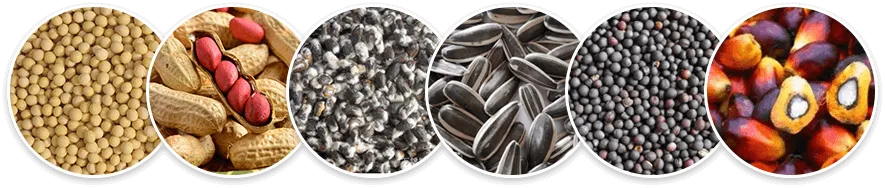
Different oilseeds present unique challenges and require specialized processing parameters. Understanding these characteristics is key to maximizing extraction efficiency and oil quality.
Soybeans represent the most widely processed oilseed globally, with specific requirements for optimal extraction. Research conducted by the American Oil Chemists' Society has identified the following optimal parameters:
These parameters balance oil yield—typically 97-98% of available oil—with the preservation of protein quality in the resulting meal, a valuable co-product in soybean processing.
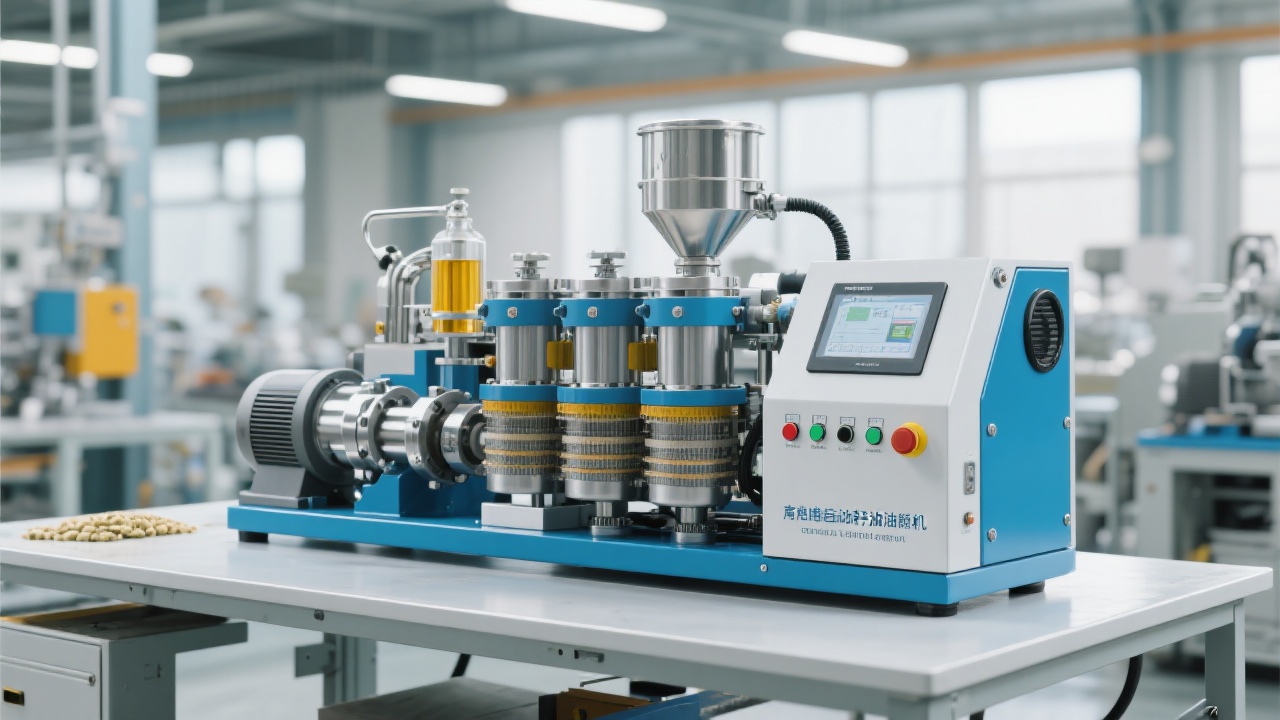
Sunflower seeds often undergo pre-pressing before solvent extraction, particularly when oil content exceeds 30%. This two-stage approach maximizes yield while reducing solvent requirements. Key optimization strategies include:
Post-press flake thickness should be reduced to 0.25-0.30 mm to compensate for oil loss during pre-pressing. Extraction temperatures can be slightly higher than with soybeans, typically 55-58°C, to account for the higher melting point of sunflower oil. Recent innovations in screw press design have increased pre-press efficiency, with modern systems extracting 60-65% of available oil before solvent extraction, reducing overall solvent consumption by 15-20%.
Cottonseed processing presents unique challenges due to the presence of gossypol, a naturally occurring compound that must be carefully managed. Optimal extraction parameters include:
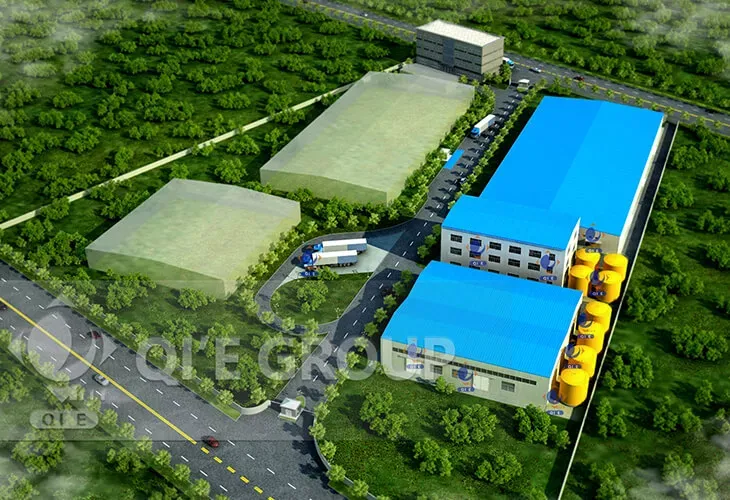
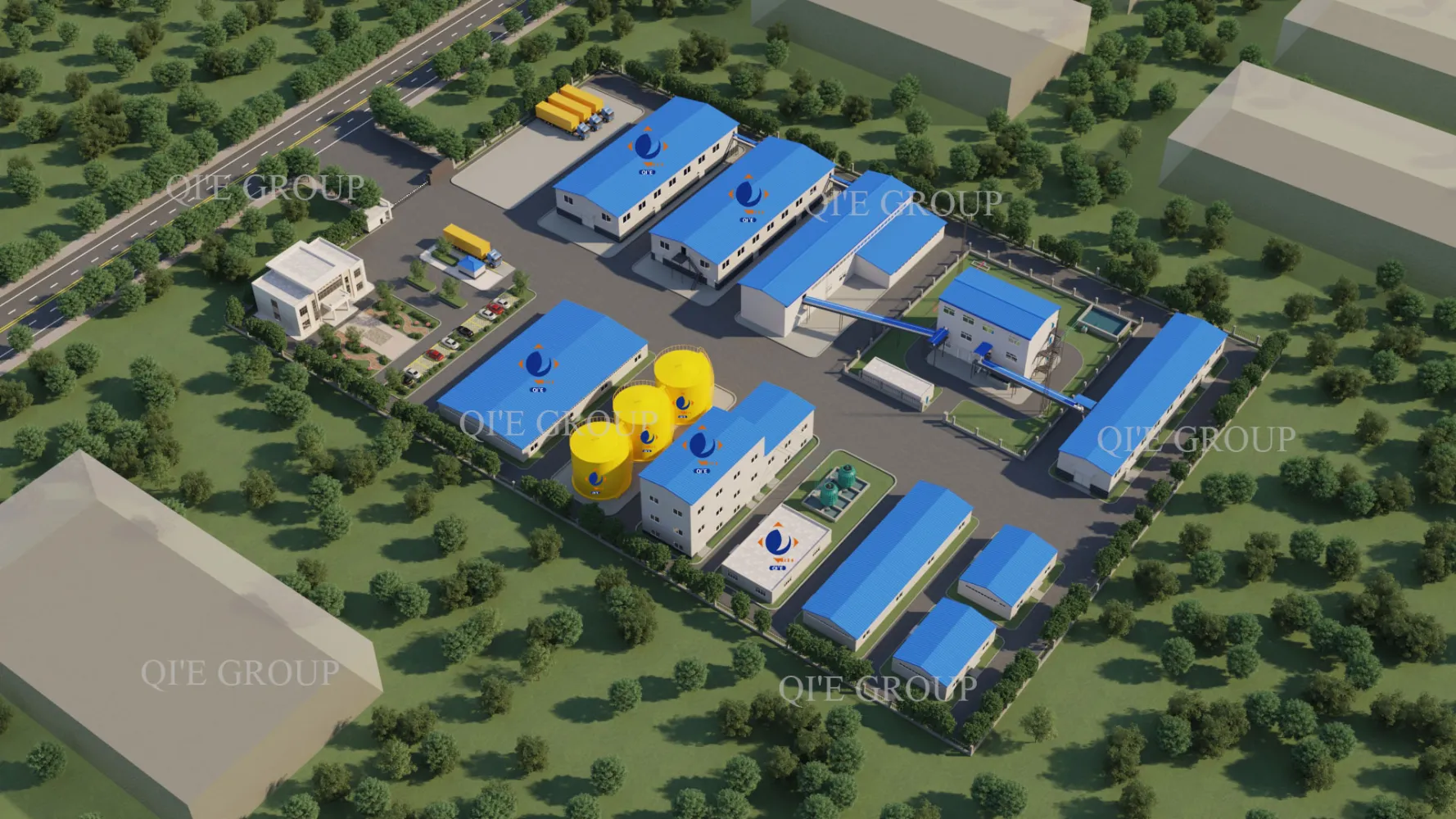
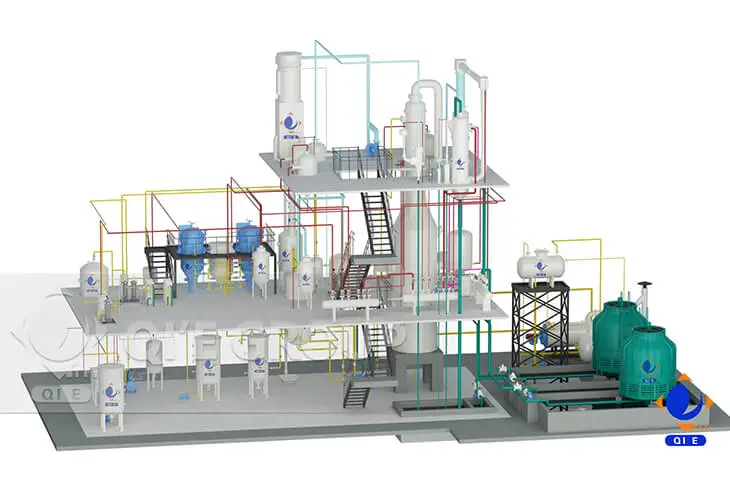
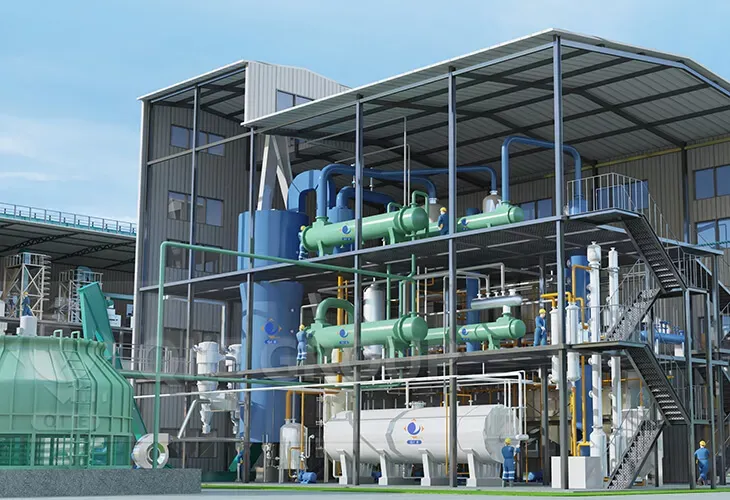
One of the primary advantages of continuous solvent extraction systems is their scalability, allowing processors to match production capacity with market demand. Modern extraction plants are designed with modular components that enable capacity adjustments without sacrificing efficiency.
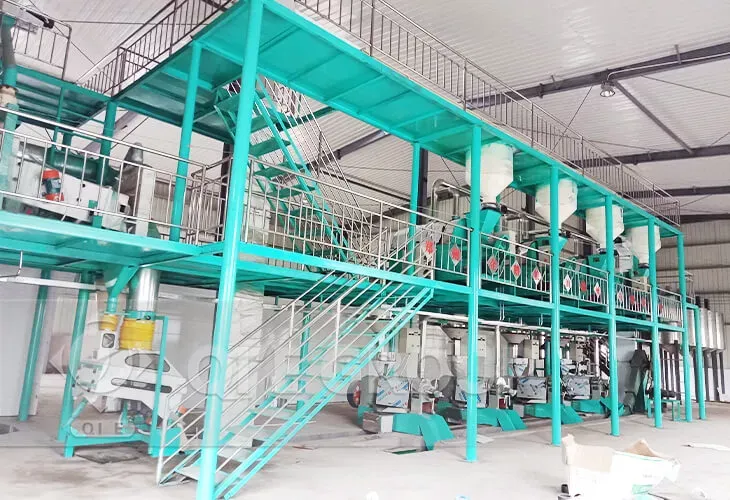
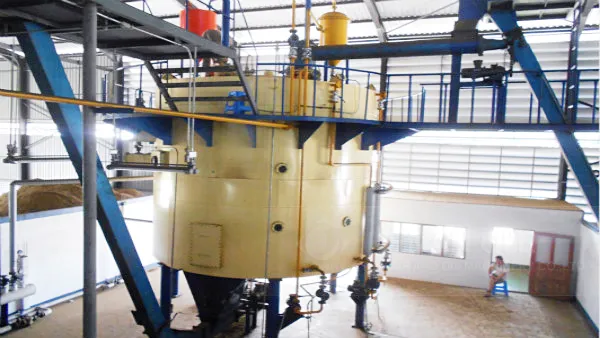
For small to medium-scale operations (30-200 tons/day), single-bank extractors with widths ranging from 1.2 to 2.4 meters provide optimal performance. These systems typically feature a single extraction stage with solvent recycling, requiring a footprint of approximately 400-600 square meters. Medium-scale plants (200-1000 tons/day) often incorporate double-bank extractors and multiple solvent recovery stages, improving energy efficiency by 15-20% compared to smaller systems.
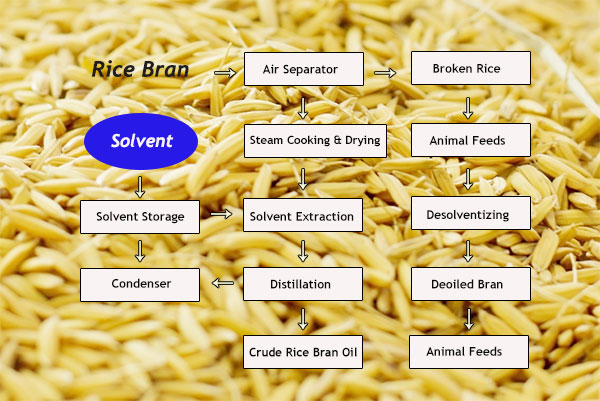
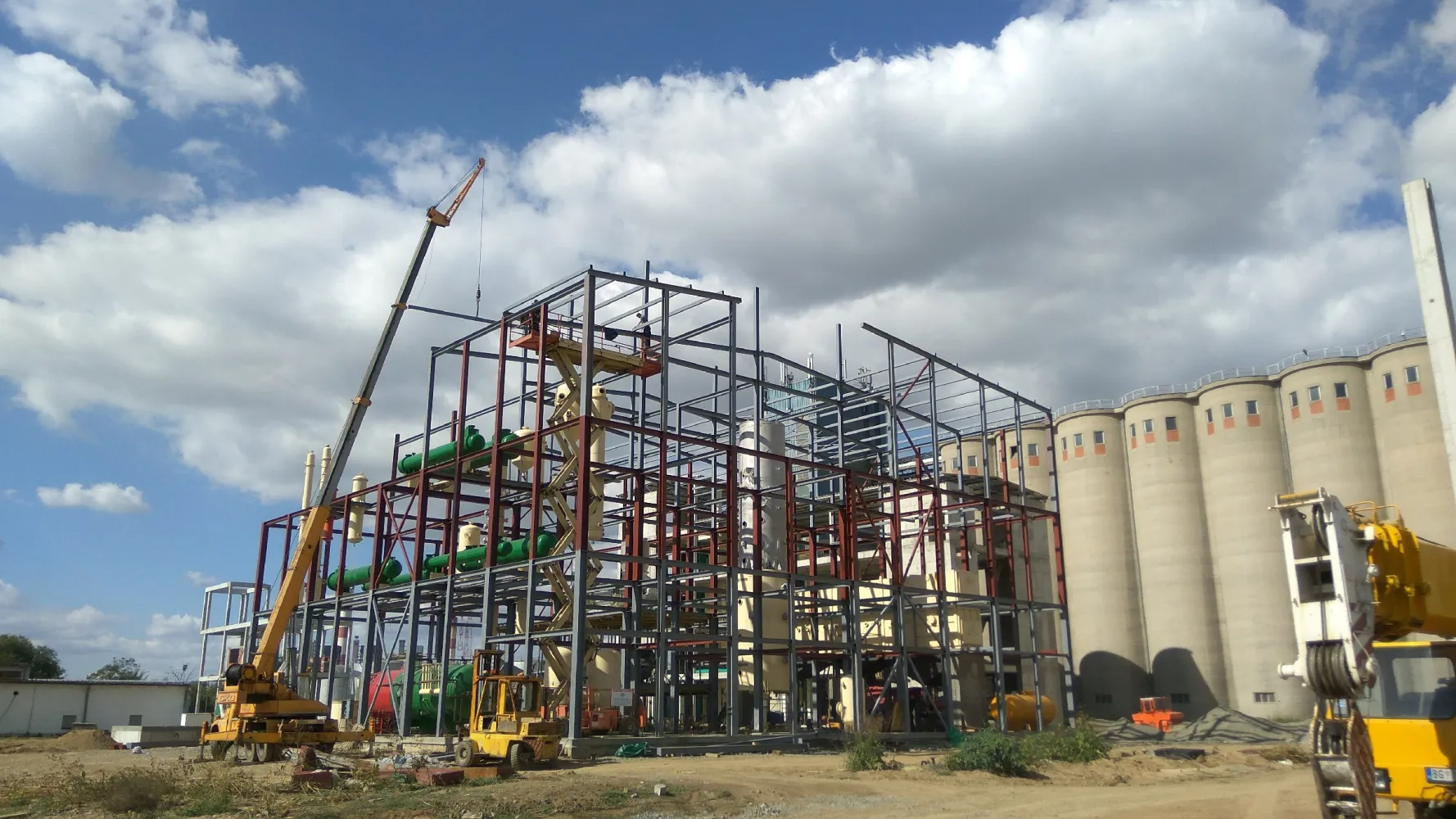
Large-scale operations (1000-5000 tons/day) represent the pinnacle of extraction technology, incorporating advanced features such as computerized process control, heat recovery systems, and integrated solvent management. These facilities require careful engineering to maintain uniform extraction across the entire seed bed, often utilizing multiple extractor units in parallel. A 5000-ton/day facility typically employs 4-6 extractor banks, each 4-5 meters wide, with a total processing area exceeding 3000 square meters.
What challenges have you encountered when scaling your oil extraction operations, and which production capacity range are you currently targeting for your next expansion? Share your experiences in the comments below.
Advanced control systems play a crucial role in maintaining efficiency across all scales. Modern PLC-based systems continuously monitor key parameters such as solvent-to-seed ratio, extraction temperature, and bed height, making automatic adjustments to maintain optimal conditions. This level of control typically results in extraction efficiencies of 96-98% across the entire production range, with minimal variation even during capacity adjustments.
Download our comprehensive Oilseed-Specific Extraction Parameters Guide to compare optimal settings for soybean, sunflower, cottonseed, and other major oilseeds.
Get Your Free Technical Parameters GuideAs the vegetable oil industry continues to evolve, processors must balance increasing demand with rising operational costs and environmental considerations. Continuous solvent extraction technology, when properly optimized for specific oilseeds and production scales, offers an effective solution for meeting these challenges. By understanding and applying the scientific principles outlined in this guide, producers can achieve higher extraction efficiencies, improved product quality, and greater operational flexibility—key factors in maintaining competitiveness in today's global market.