Continuous Vegetable Oil Solvent Extraction: Core Technologies for Enhanced Daily Output and Efficiency

07 03,2026
QI ' E Group
Technical knowledge
This article delves into the core technological principles of continuous vegetable oil solvent extraction, exploring how solvent penetration, molecular diffusion, and convective mass transfer synergistically boost daily production and extraction efficiency. It examines the impact of physical characteristics of different oilseeds like soybeans, sunflower seeds, and cottonseeds on the extraction process, and provides actionable parameter optimization solutions, enabling flexible capacity configuration from 30 tons/day to 5000 tons/day. A valuable professional reference for engineers and procurement decision-makers in the oil processing industry to enhance factory operational efficiency and product competitiveness.
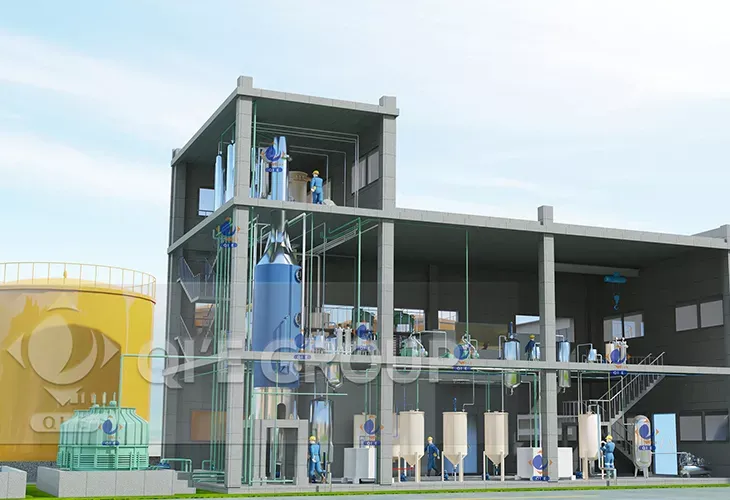
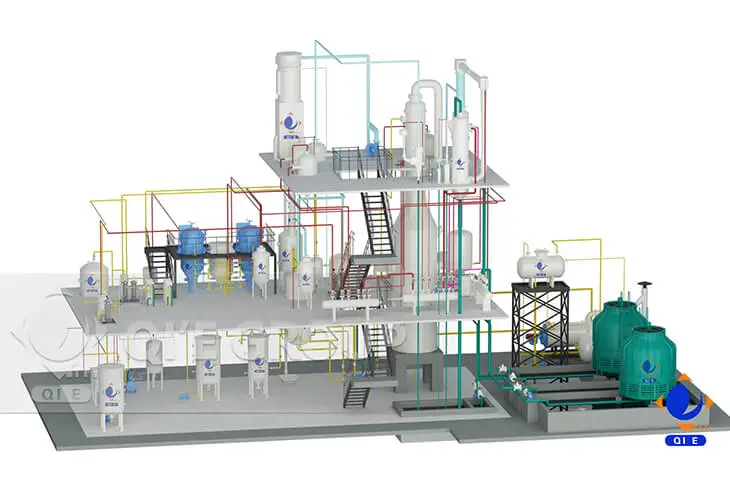
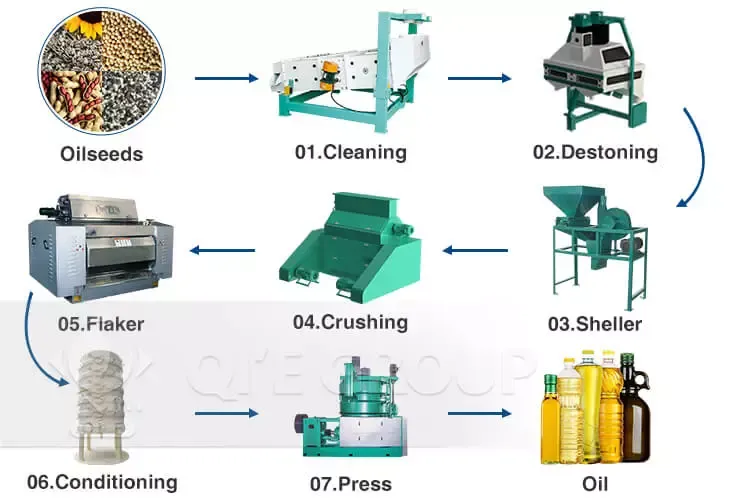
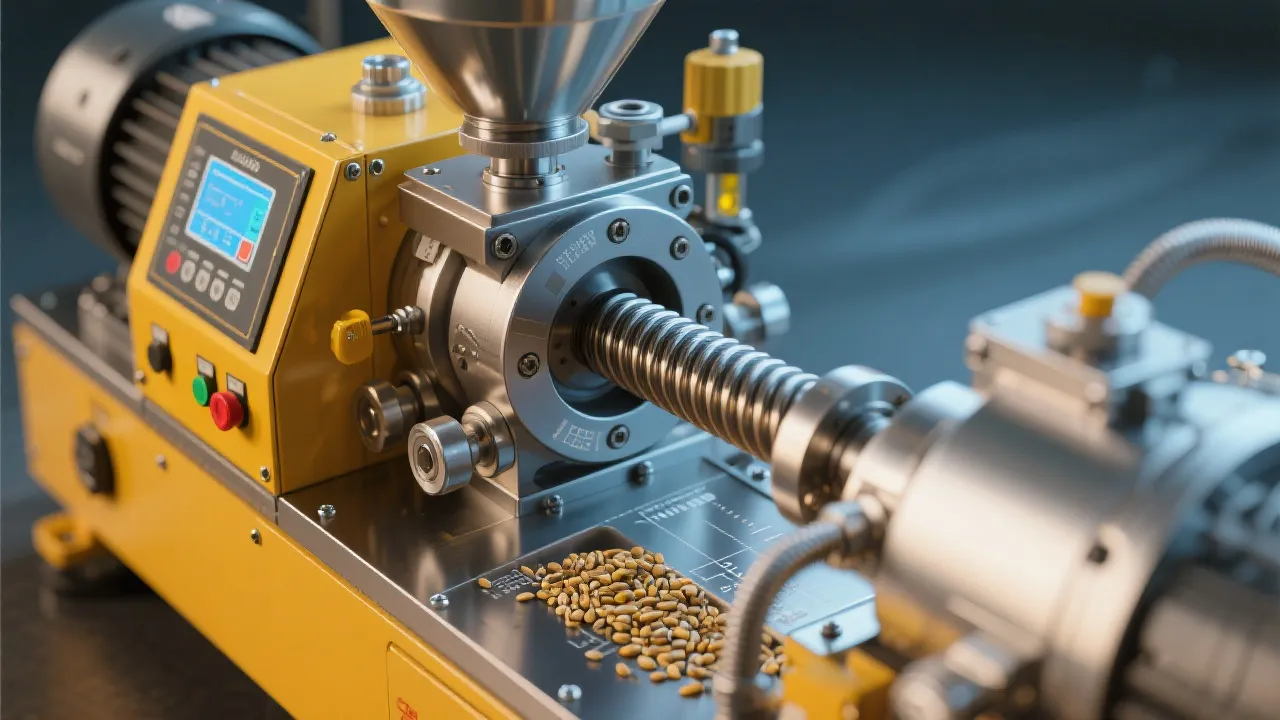
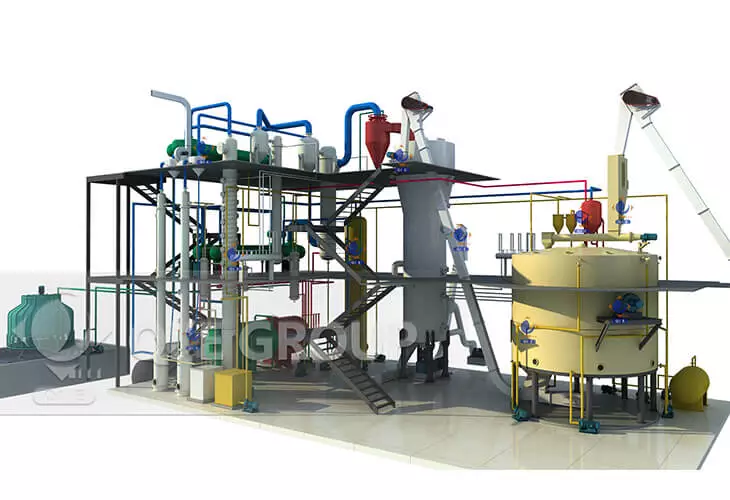
Continuous Solvent Extraction Process Flow Diagram showing solvent penetration, molecular diffusion and convective mass transfer stages

The Critical Role of Continuous Solvent Extraction in Modern Vegetable Oil Processing

In today's competitive edible oil industry, processing efficiency directly impacts profitability. Continuous solvent extraction technology has revolutionized vegetable oil production, enabling facilities to achieve remarkable throughput while maintaining product quality. This advanced processing method has become the backbone of modern oil mills, offering production capacities ranging from 30 tons to 5,000 tons per day—a versatility that meets the needs of both regional processors and global industry leaders.

"Modern solvent extraction systems can recover over 99% of available oil from oilseeds, compared to 85-90% recovery rates with traditional pressing methods alone."

Three Core Mechanisms Driving Extraction Efficiency

The efficiency of continuous solvent extraction relies on the harmonious interaction of three fundamental processes that work together to maximize oil yield:
  1. Solvent Penetration: The initial phase where solvent molecules infiltrate the oilseed matrix. Optimal penetration requires precise control of seed preparation, including flaking thickness (typically 0.3-0.5mm for soybeans) and moisture content (ideal range 8-10% for most oilseeds).
  2. Molecular Diffusion: The movement of oil molecules through the seed material into the solvent. Temperature control is critical here—soybeans extract most efficiently at 50-55°C, while sunflower seeds perform best at slightly higher temperatures of 55-60°C.
  3. Convective Mass Transfer: The removal of oil-laden solvent from the extraction chamber. This stage benefits from countercurrent flow design, which maintains maximum concentration gradient between solvent and seed material.
Continuous Solvent Extraction Process Flow Diagram showing solvent penetration, molecular diffusion and convective mass transfer stages

Oilseed-Specific Extraction Strategies

Different oilseeds present unique challenges and require tailored extraction approaches. Understanding these characteristics is essential for optimizing throughput and oil quality:

Soybean Extraction

High protein content (35-40%) requires careful flaking to avoid protein denaturation. Optimal solvent-to-seed ratio is 1.5:1, with extraction time of 30-45 minutes in a multi-stage extractor. Penguin Group's specialized soybean extraction systems typically achieve 99.2% oil recovery rates.

Sunflower Seed Extraction

Thin hulls and high oil content (40-50%) necessitate gentle handling. Pre-pressing to 60-65% oil recovery before solvent extraction optimizes overall efficiency. Our systems adjust for varying hull percentages, typically 20-30% in commercial sunflower seeds.

Cottonseed Extraction

Requires careful removal of gossypol to ensure food safety. Our specialized desolventizing systems maintain consistent temperatures (105-110°C) to reduce gossypol levels below 0.04% while preserving protein quality in the meal byproduct.
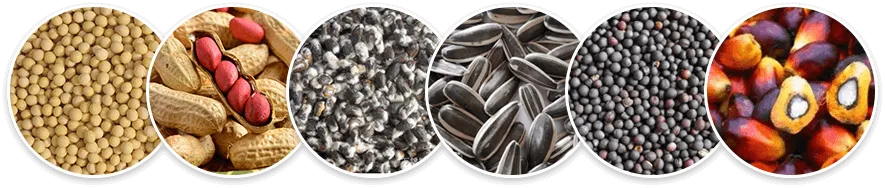
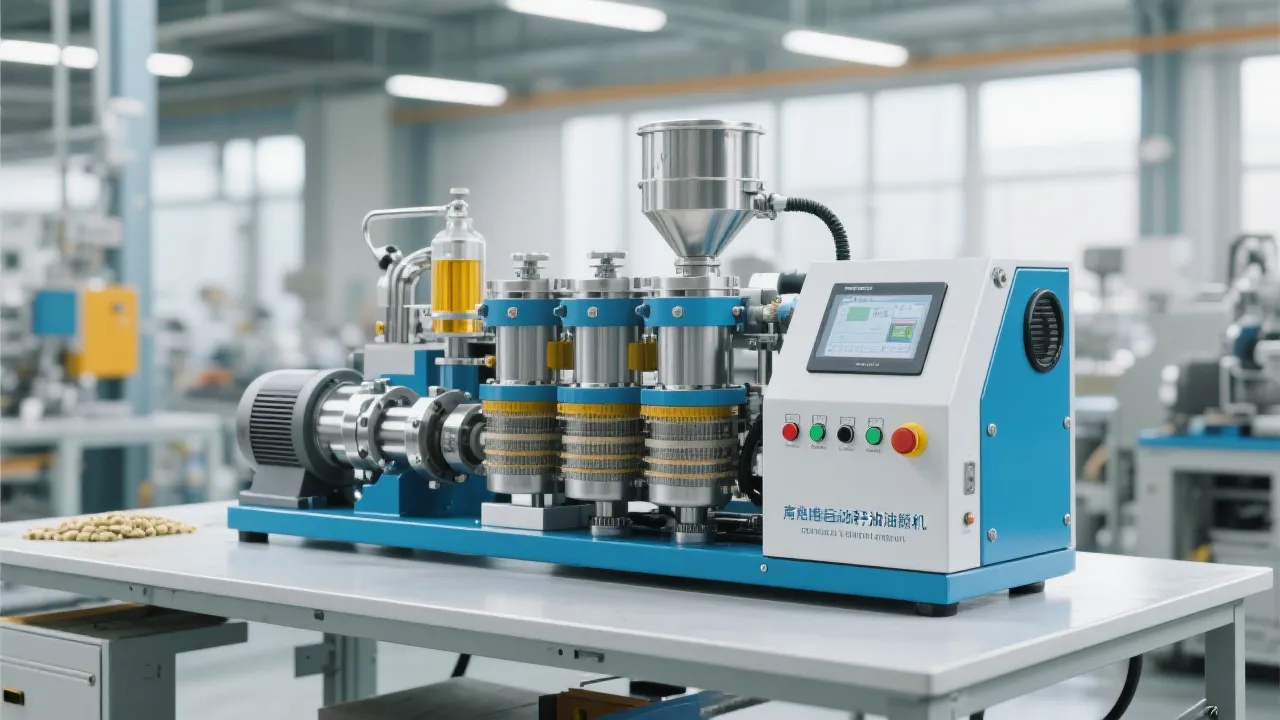
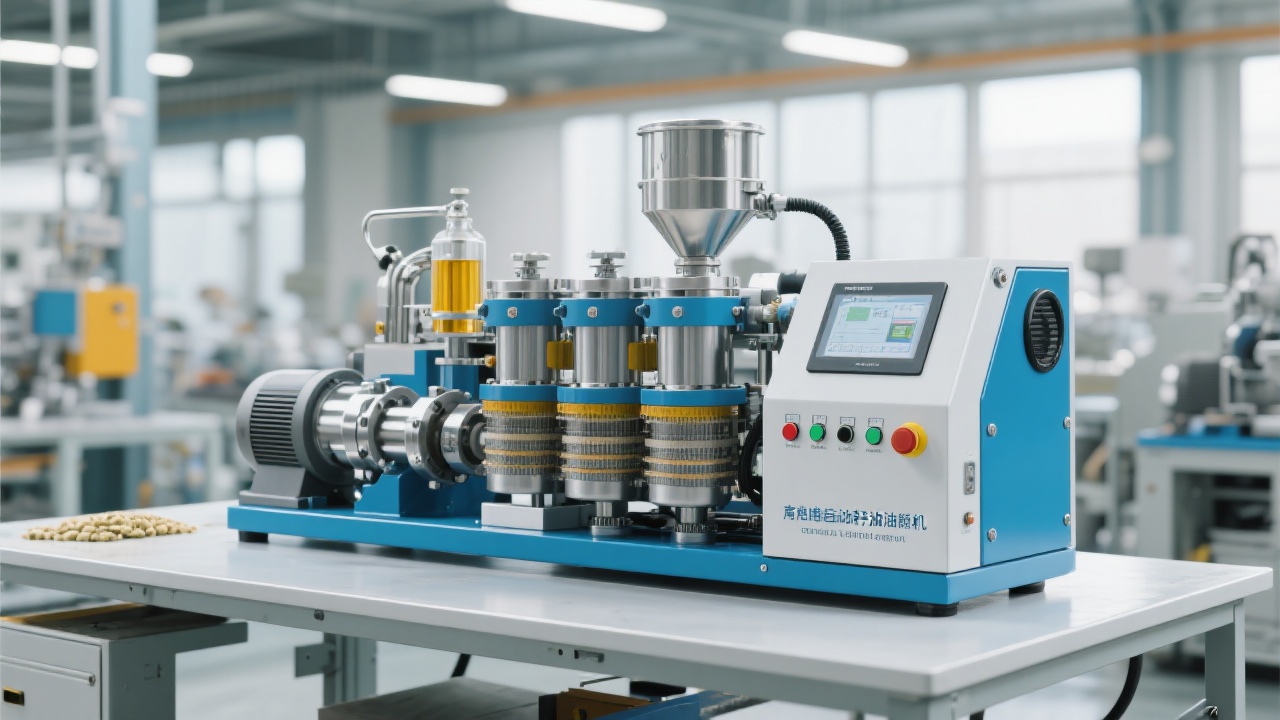
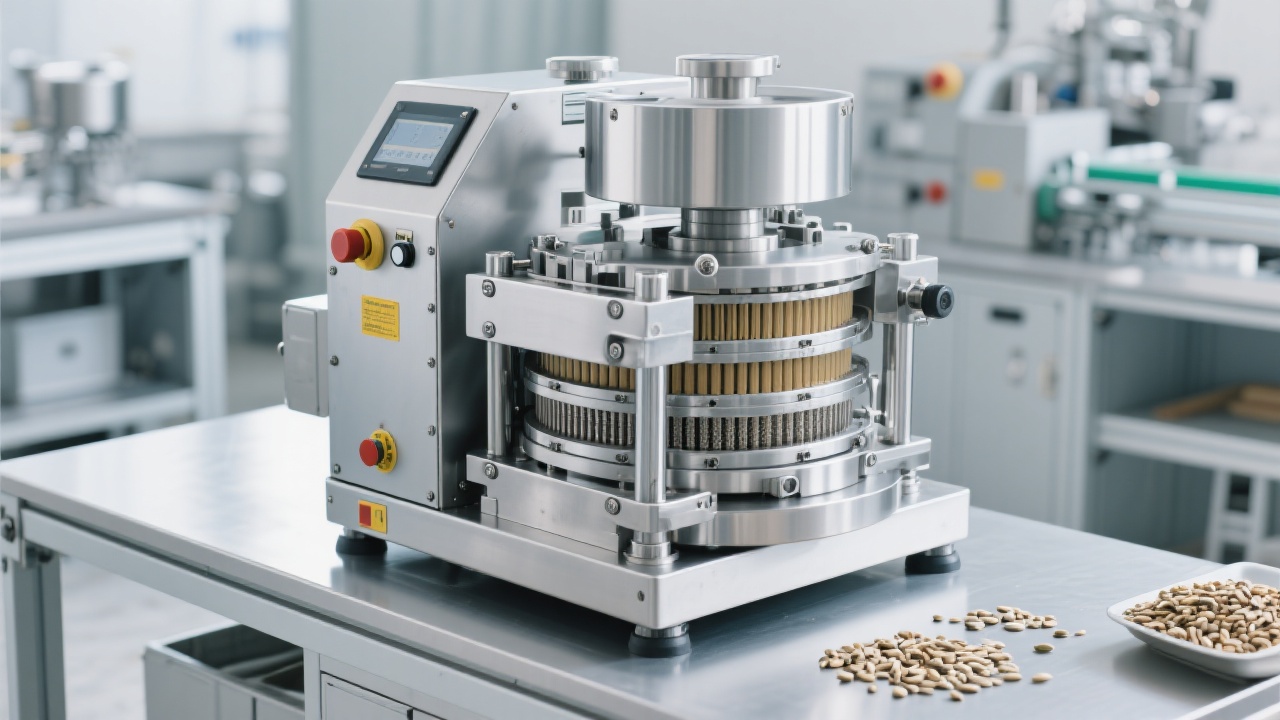
Oilseed Extraction Efficiency Comparison Chart for Soybean, Sunflower and Cottonseed processing

Integrated Process Design for Maximum Productivity

The true power of continuous solvent extraction lies in its integration with upstream and downstream processes. A well-designed system creates synergies between preprocessing, extraction, and refining that deliver benefits beyond individual process optimization:

  • Preprocessing: Dehulling, cleaning, and flaking prepare seeds for optimal solvent contact. Proper flaking increases surface area by 500-800%, dramatically improving extraction efficiency.
  • Pressing-Extraction Combination: For high-oil seeds, pre-pressing followed by solvent extraction reduces solvent consumption by 30-40% compared to extraction alone.
  • Desolventizing-Toasting-Drying-Cooling (DTDC): This critical downstream process removes residual solvent (to below 500 ppm) while preparing the meal for animal feed applications. Our advanced DTDC systems achieve energy savings of 15-20% compared to conventional designs.

Capacity Scaling: From 30 TPD to 5,000 TPD

Whether establishing a new facility or expanding an existing one, the modular nature of modern continuous extraction systems allows for precise capacity matching:
  • Small Scale (30-100 TPD): Compact single-bank extractors with integrated DTDC
  • Medium Scale (100-500 TPD): Dual-bank extractors with energy recovery systems
  • Large Scale (500-2,000 TPD): Multi-bank extraction lines with centralized solvent recovery
  • Mega Scale (2,000-5,000 TPD): Parallel extraction trains with advanced process automation
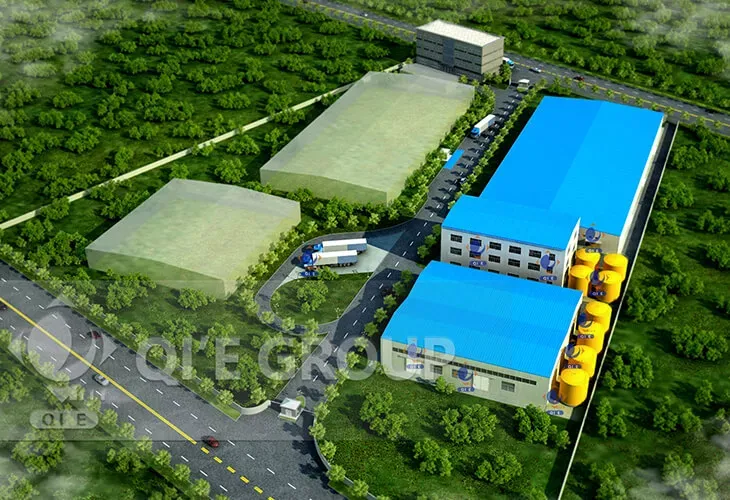
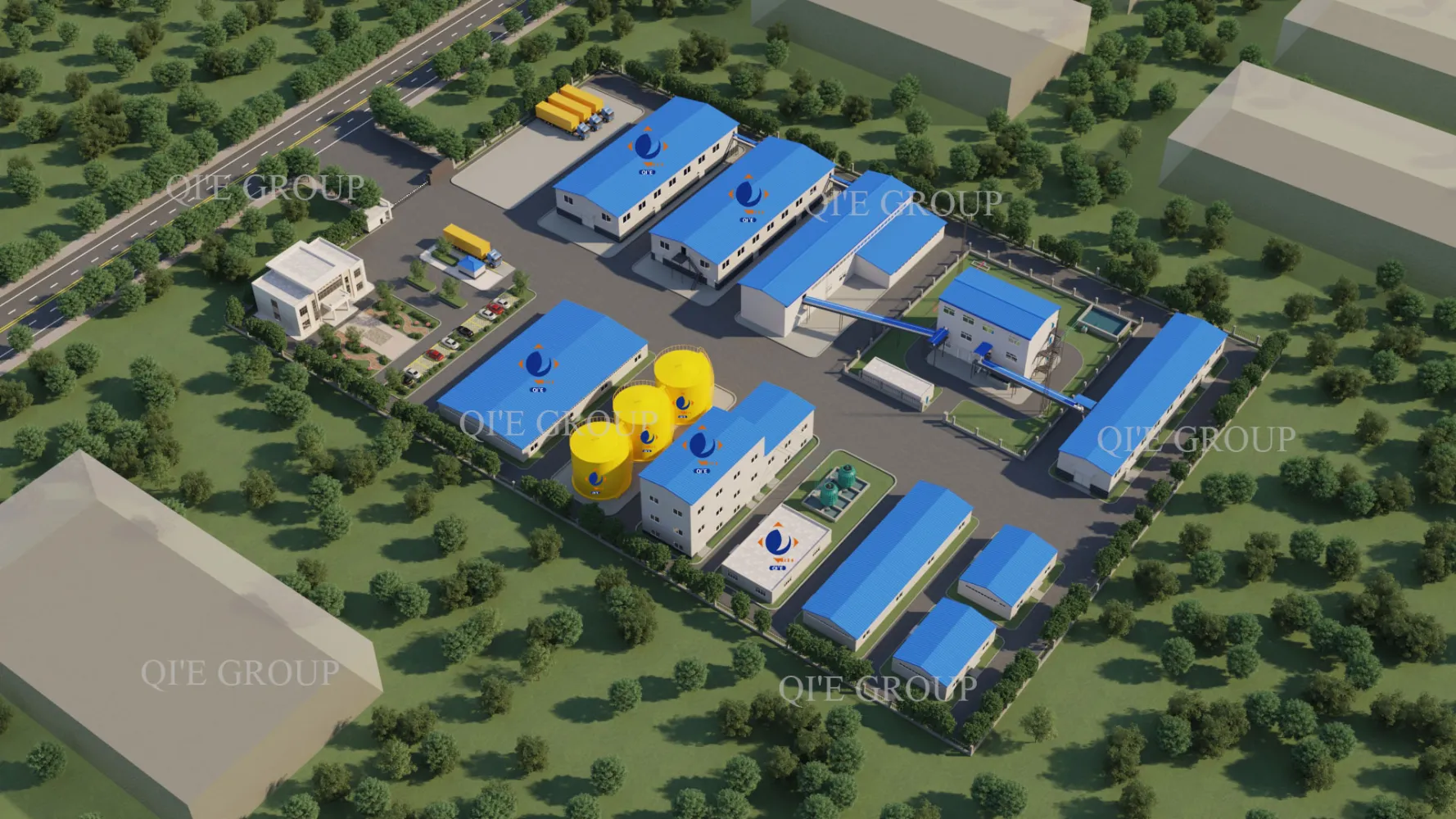
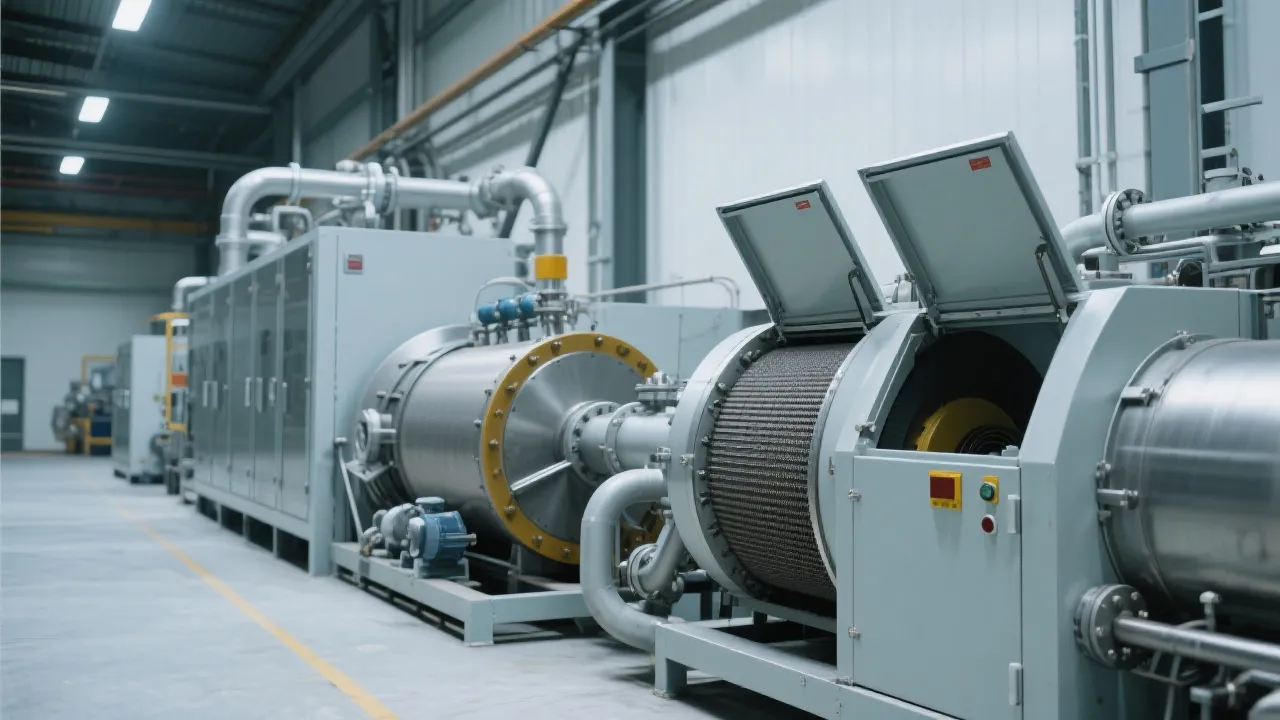
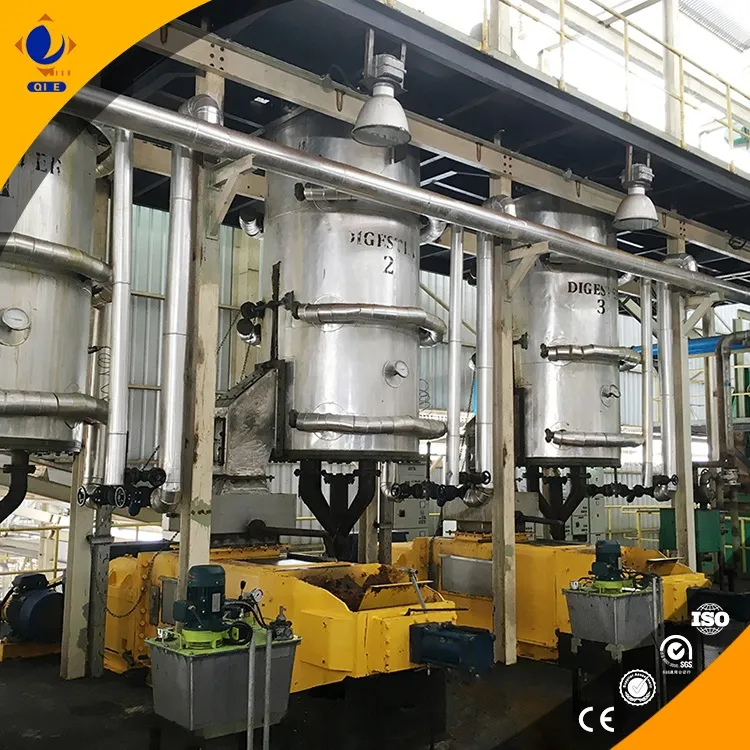
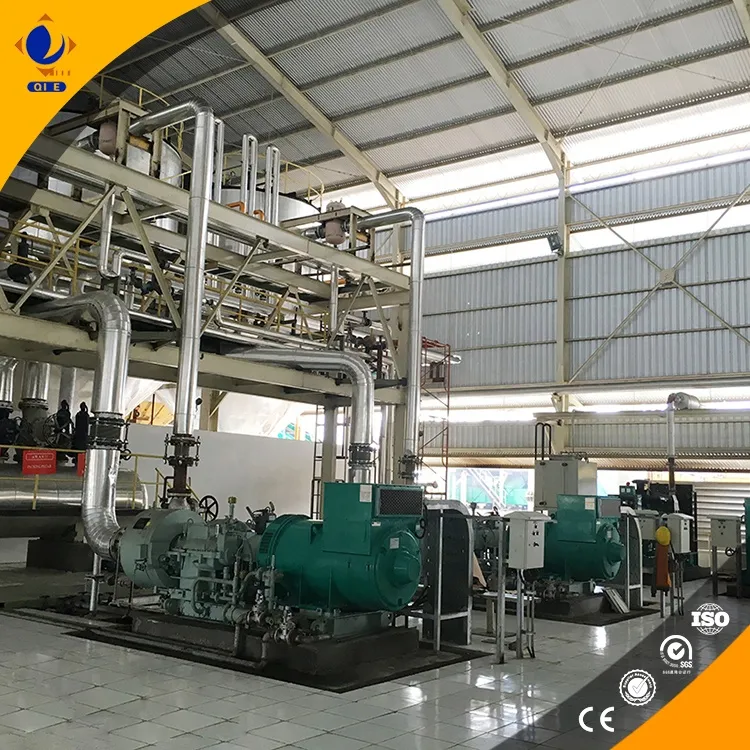
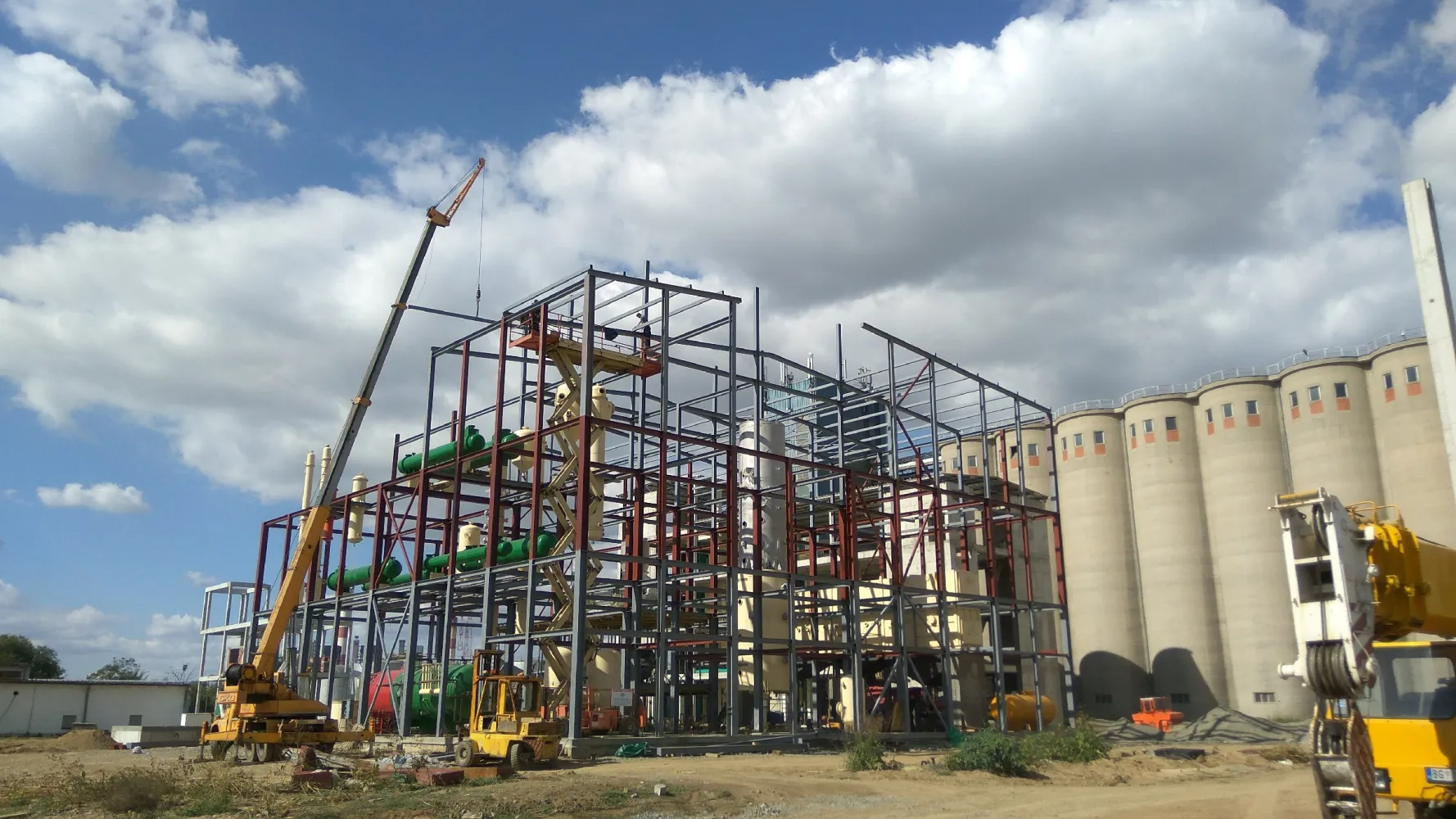
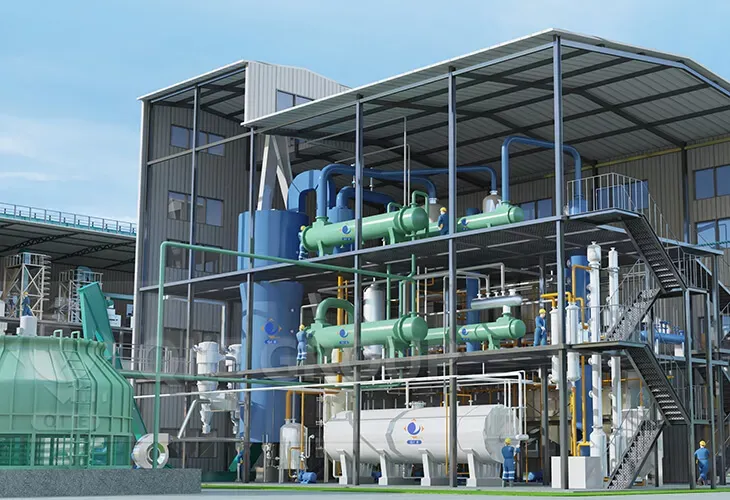
Penguin Group Continuous Solvent Extraction Plant showing modular design for scalable production capacity

Environmental and Economic Advantages

Modern solvent extraction systems offer compelling environmental and economic benefits that impact both the bottom line and sustainability metrics:

Energy efficiency has improved by 25-30% over the past decade, with specific energy consumption now as low as 0.4-0.6 kWh per kg of oil produced. Solvent recovery rates exceed 99.5%, minimizing both environmental impact and raw material costs. Our systems incorporate heat recovery technologies that capture and reuse up to 70% of process heat, significantly reducing overall energy requirements.

Ready to Optimize Your Oil Extraction Process?

Discover how Penguin Group's continuous solvent extraction technology can increase your oil yield by 5-8% while reducing energy consumption.

Get Your Custom Extraction Efficiency Analysis

Processing engineers and plant managers face the constant challenge of balancing throughput, quality, and operational costs. The right continuous solvent extraction system doesn't just solve today's production challenges—it provides a platform for future growth and adaptation to changing market demands. By understanding the core mechanisms, seed-specific requirements, and integration opportunities, you can make informed decisions that drive long-term success in the competitive vegetable oil industry.
Name *
Email *
Message*

Recommended Products

Popular articles
Recommended Reading

Related Reading

Contact us
Contact us
img
https://shmuker.oss-cn-hangzhou.aliyuncs.com/tmp/temporary/60ec5bd7f8d5a86c84ef79f2/60ec5bdcf8d5a86c84ef7a9a/thumb-prev.png