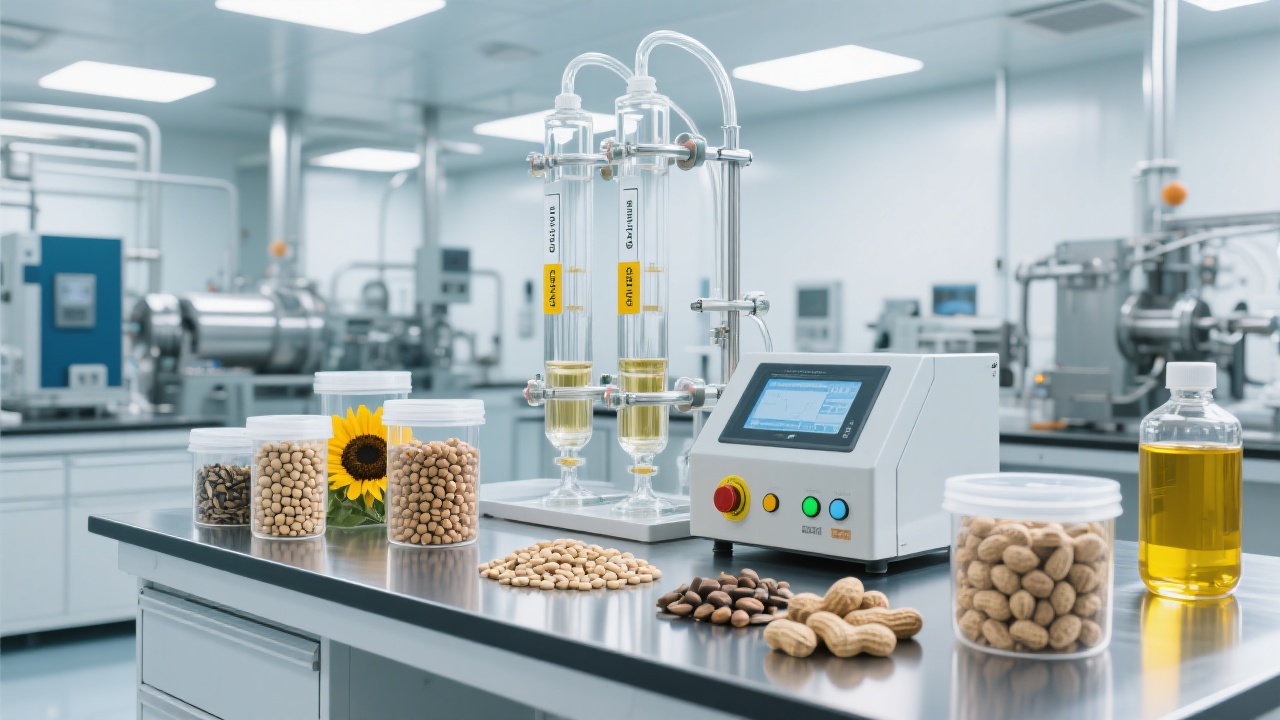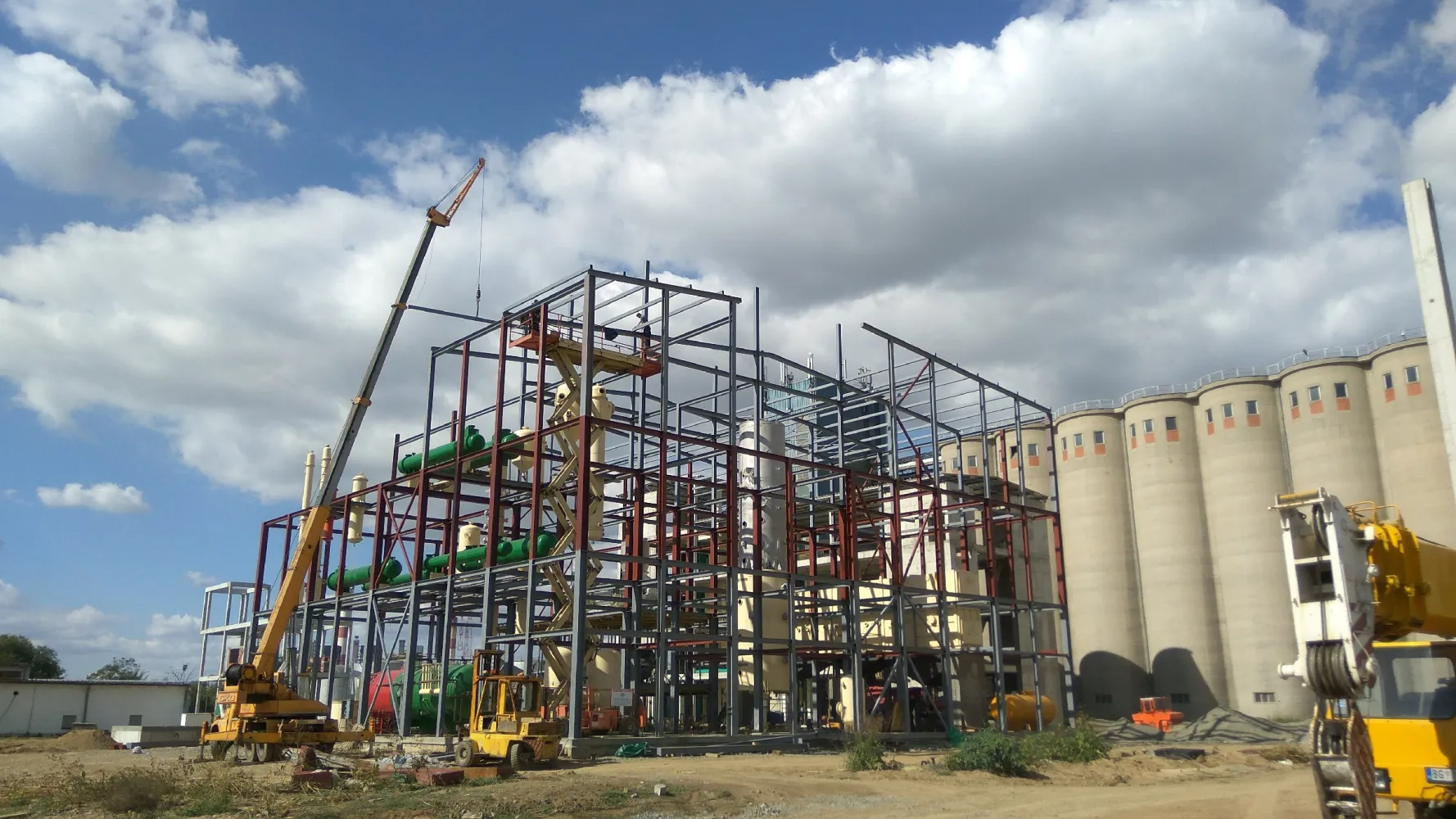
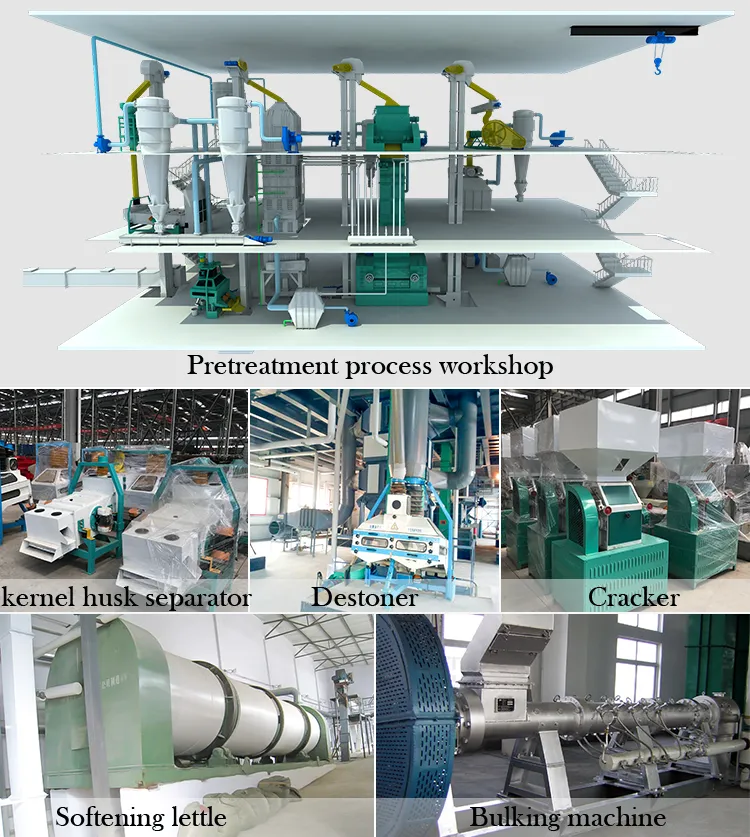
In the design of large-scale oil extraction plants, the pre-treatment system serves as the linchpin for maximizing yield and ensuring consistent oil quality. This guide dissects the five pivotal pre-processing steps—cleaning, crushing, softening, flaking, and cooking—highlighting how differences in seed physical properties, particularly between cottonseed and sunflower seed, dictate parameter optimization. Our insights stem from real-world failures and innovative solutions implemented by industry leaders like Qiee Group, aiming to equip engineers and technical managers with actionable knowledge for robust, scalable operations.
Effective cleaning removes impurities like dust, stems, stones, and other foreign materials which can impair downstream equipment and contaminate oil. For seeds such as cottonseed, which often harbor more husk and debris, advanced air-screen separators coupled with magnetic separators are recommended. Achieving at least 99.5% purity reduces risks of equipment erosion and product quality degradation.
Expert Tip: Integrate real-time impurity sensors to minimize manual inspection intervals, reducing downtime and operational costs.
Crushing physically breaks seeds to increase surface area, facilitating solvent penetration. Optimal particle size varies by seed type:
Data indicates that a variance >0.3 mm from these parameters can reduce extraction efficiency by up to 6%, highlighting the importance of precision.
Softening aims to condition seeds by adjusting moisture and temperature, easing flaking and reducing power consumption during rolling.
| Parameter | Cottonseed | Sunflower Seed |
|---|---|---|
| Moisture Content (%) | 8.5 - 9.5 | 7.5 - 8.5 |
| Temperature (°C) | 55 - 65 | 50 - 60 |
| Softening Time (min) | 20 - 25 | 18 - 22 |
*Excess moisture leads to equipment clogging, while insufficient softening increases power consumption during flaking.*
Flaking compresses softened seeds into thin plates to rupture oil cells. Maintaining appropriate flake thickness is critical:
Inconsistent thickness (> ±0.05 mm) can cause incomplete extraction or excessive fines, hurting filtration and solvent recovery.
Cooking or steaming enhances protein denaturation and oil mobilization but must be tightly regulated. Typical target conditions are:
Failure Case: An industry case documented that moisture control errors during cooking led to equipment blockages costing 48 hours of downtime and a 3% drop in yield. Implementing online moisture sensors and automated temperature control systems mitigated these risks, increasing overall uptime by 12%.
Beyond technical parameters, Qiee Group’s experience highlights these strategic factors:
Interactive Prompt: Have you encountered challenges with moisture control or equipment clogging in your oilseed processing? Share your experience or questions to optimize parameters collaboratively.
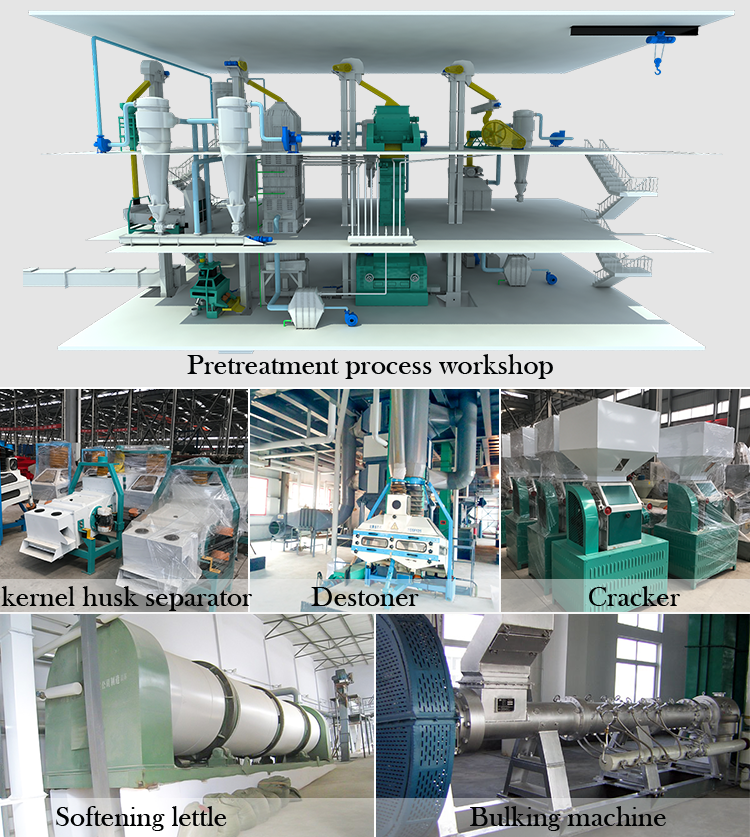
Mastering each pre-treatment step through rigorous parameter optimization tailored to seed characteristics is essential in achieving high extraction yields and oil quality. By leveraging Qiee Group’s proven engineering expertise and adopting data-driven control strategies, oil processors can secure operations that are not only efficient but resilient and scalable to future demands.
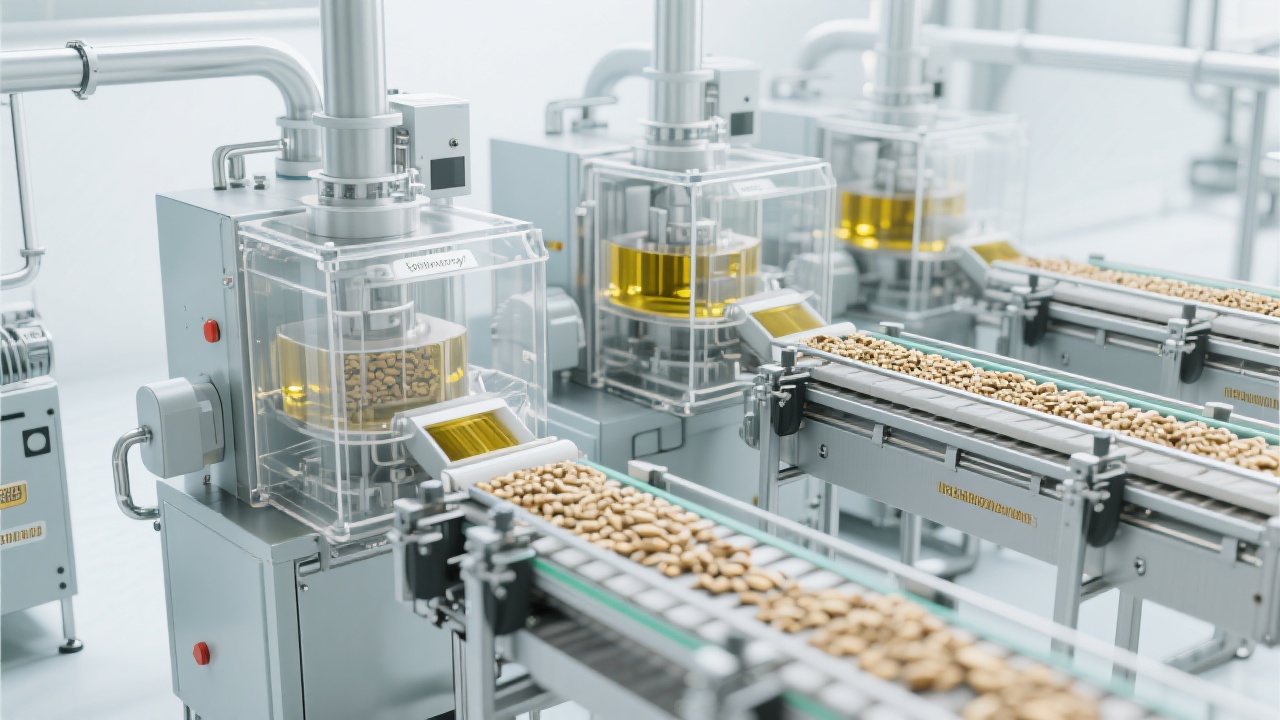
Choose Qiee — Let Every Ton of Oil Begin With Reliability From The Source