
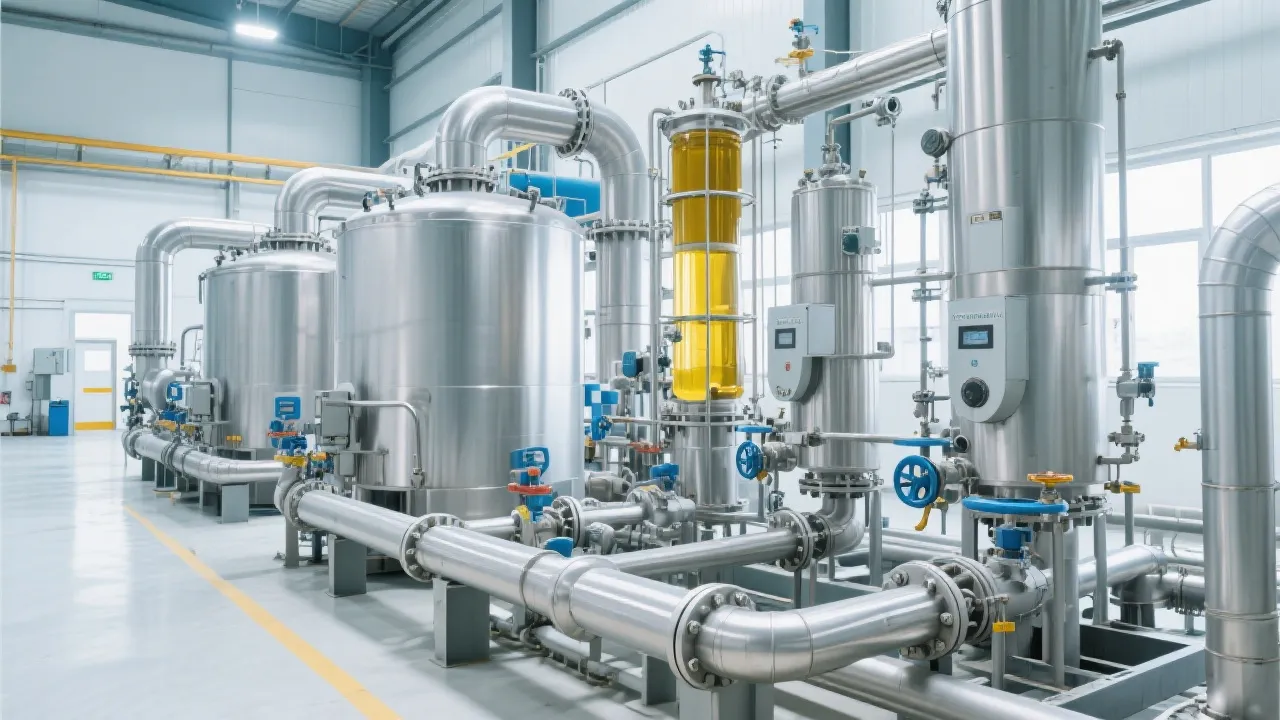
Degumming is the first crucial step in edible oil refining. If not properly handled, it will directly lead to a decline in the efficiency of subsequent decolorization and deodorization processes and may even cause equipment malfunctions. This article delves deep into typical degumming failure cases, such as excessive consumption of decolorizing agents caused by residual phospholipids and a sharp increase in steam consumption due to incomplete water removal. It also provides practical improvement plans from technical principles, process parameter optimization to automation control upgrades, helping users identify the root causes of problems, improve the stability of the entire production line, and ensure the consistency of product quality, truly achieving a transformation from experience - driven to data - driven operations.
In real - world scenarios, degumming failure can have a significant impact on various aspects of the refining process. For example, residual phospholipids can lead to a 30% - 40% increase in the consumption of decolorizing agents. This is because the phospholipids interfere with the decolorization reaction, making it less efficient. Additionally, if the water is not completely removed during the degumming process, it can cause the steam consumption in the subsequent deodorization process to increase by about 25% - 35%. Moreover, the presence of phospholipids and water can also cause equipment scaling, reducing the service life of the equipment by up to 20% - 30%.
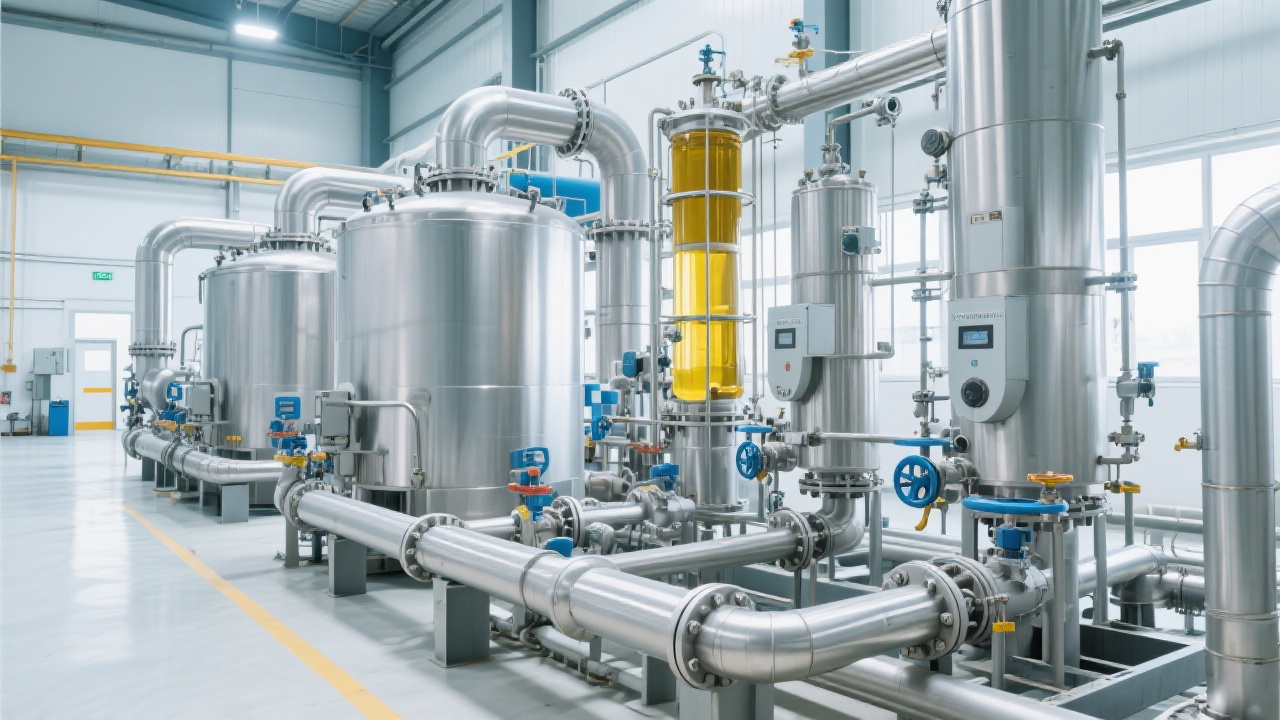
Phospholipids and water can seriously disrupt the neutralization and deodorization reactions. Phospholipids have a strong affinity for water and can form emulsions, which are difficult to separate during the refining process. These emulsions can interfere with the contact between the oil and the refining agents, reducing the efficiency of the reactions. Therefore, degumming is the cornerstone of the stability of the entire production line.
"Degumming is not just a simple step; it is the key to ensuring the smooth operation of the entire edible oil refining process." - Expert in the Edible Oil Industry
There are several common mistakes in degumming operations that can lead to production abnormalities. For instance, inaccurate pH control is a frequent problem. If the pH value is too high or too low, it can affect the separation of phospholipids. A study shows that improper pH control can cause the phospholipid content in the refined oil to exceed the standard by 50% - 80%. Another common issue is insufficient stirring intensity. Insufficient stirring fails to fully disperse the degumming agents, resulting in incomplete degumming. In some cases, this can lead to a 20% - 30% increase in the residual phospholipid content.
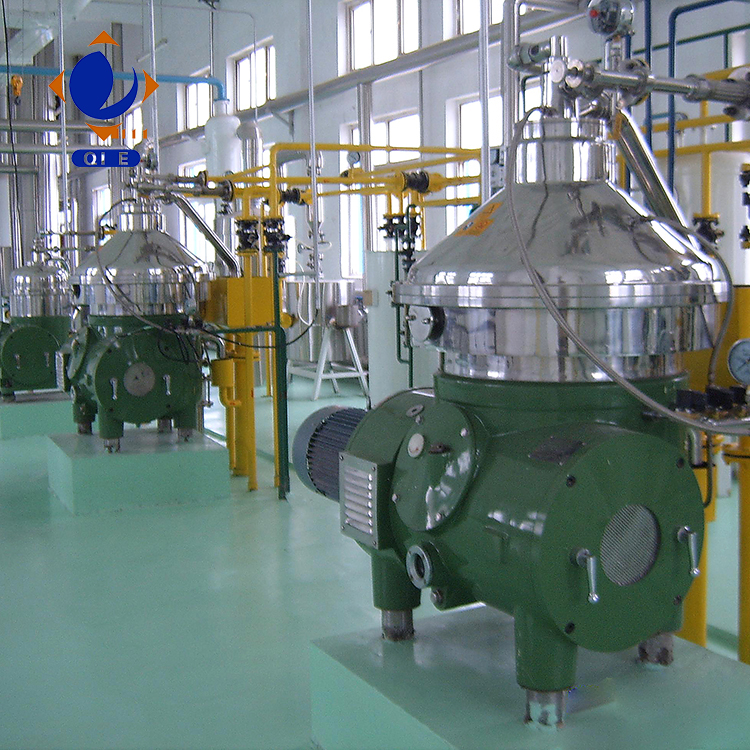
To address these problems, several practical improvement measures can be taken. Temperature gradient adjustment is an effective method. By precisely controlling the temperature at different stages of the degumming process, the separation efficiency of phospholipids can be significantly improved. For example, increasing the initial temperature by 5 - 10°C can increase the degumming efficiency by 15% - 20%. Hydration method optimization can also enhance the degumming effect. This includes adjusting the dosage of water and degumming agents and the reaction time. Automatic temperature control linkage can ensure the stability of the degumming process, reducing the error rate from 10% - 15% to less than 5%.
The application of intelligent control systems in the degumming section shows great potential. These systems can collect and analyze real - time data during the degumming process, enabling precise control of process parameters. This will help the industry move from relying on manual experience to achieving accurate management, improving production efficiency and product quality.
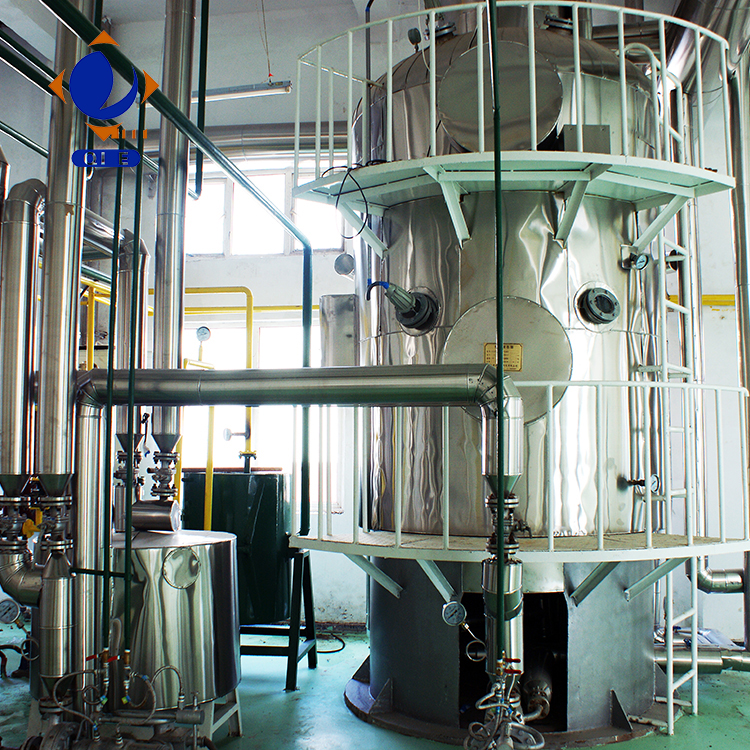
Choose our refined equipment to make every step more reliable. We don't just sell equipment; we help you build a sustainable and efficient production line. Explore Our Refined Equipment Now

 <#else>