

In the edible oil refining industry, the degumming process stands as a pivotal step that significantly influences the subsequent refining stages, including neutralization, decolorization, and deodorization. This article delves deep into the degumming process, exploring its effects on the overall refining flow, with a special focus on the direct correlation between degumming efficiency and equipment lifespan as well as steam consumption.
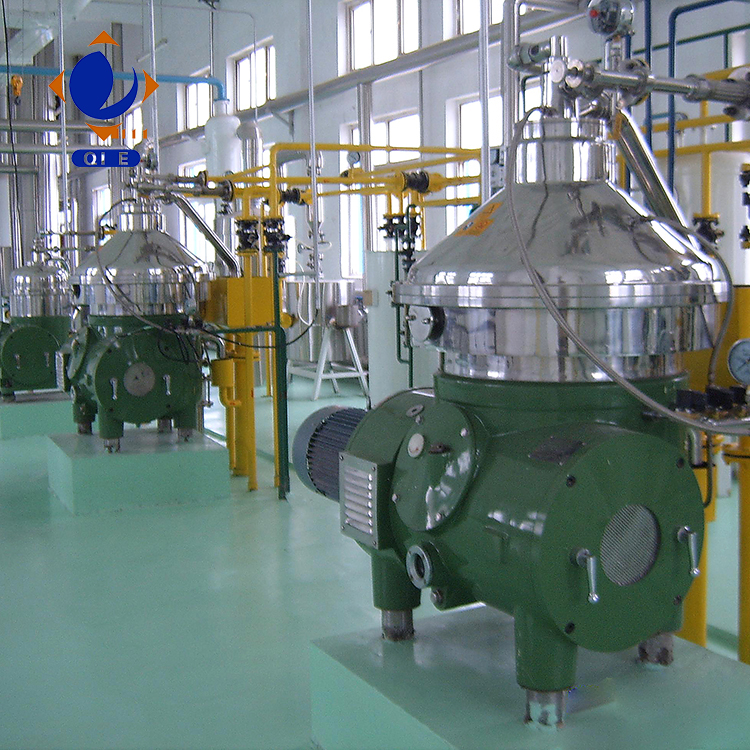
The degumming process is primarily aimed at removing phospholipids from crude oil. Phospholipids, if not properly removed, can cause a series of problems in the subsequent refining processes. According to a recent industry report, in a typical edible oil refining plant, the presence of 1% phospholipids in the oil can lead to a 10 - 15% increase in steam consumption during the deodorization process. Moreover, it can also reduce the lifespan of the refining equipment by up to 20% due to fouling and corrosion.
When the degumming process fails, it can have a detrimental impact on the efficiency of subsequent processes and the quality of the final product. For example, high levels of phospholipid residue can cause excessive foaming during neutralization, leading to a 15 - 20% reduction in the efficiency of the neutralization process. In the decolorization process, phospholipids can adsorb onto the surface of the adsorbent, reducing its effectiveness by up to 30% and increasing the consumption of adsorbent materials.

From a technical perspective, understanding the degumming principle and its key parameters is crucial. The degumming process usually involves the use of water or acid to hydrate and precipitate phospholipids. The optimal temperature for the degumming process is typically between 60 - 70°C, and the pH value should be carefully controlled within a specific range. From an engineering perspective, proper equipment selection and process matching are essential. The choice of degumming equipment should be based on the type and quality of the crude oil, as well as the production capacity requirements.
In terms of equipment maintenance, the application of automated control systems has become an emerging trend. An automated control system can continuously monitor the key parameters of the degumming process, such as temperature, pH value, and flow rate, and make real - time adjustments. This not only improves the stability of the refining process but also reduces the risk of human error. According to a case study, a company that implemented an automated control system in its degumming process saw a 15% improvement in product quality and a 12% reduction in production costs within a year.
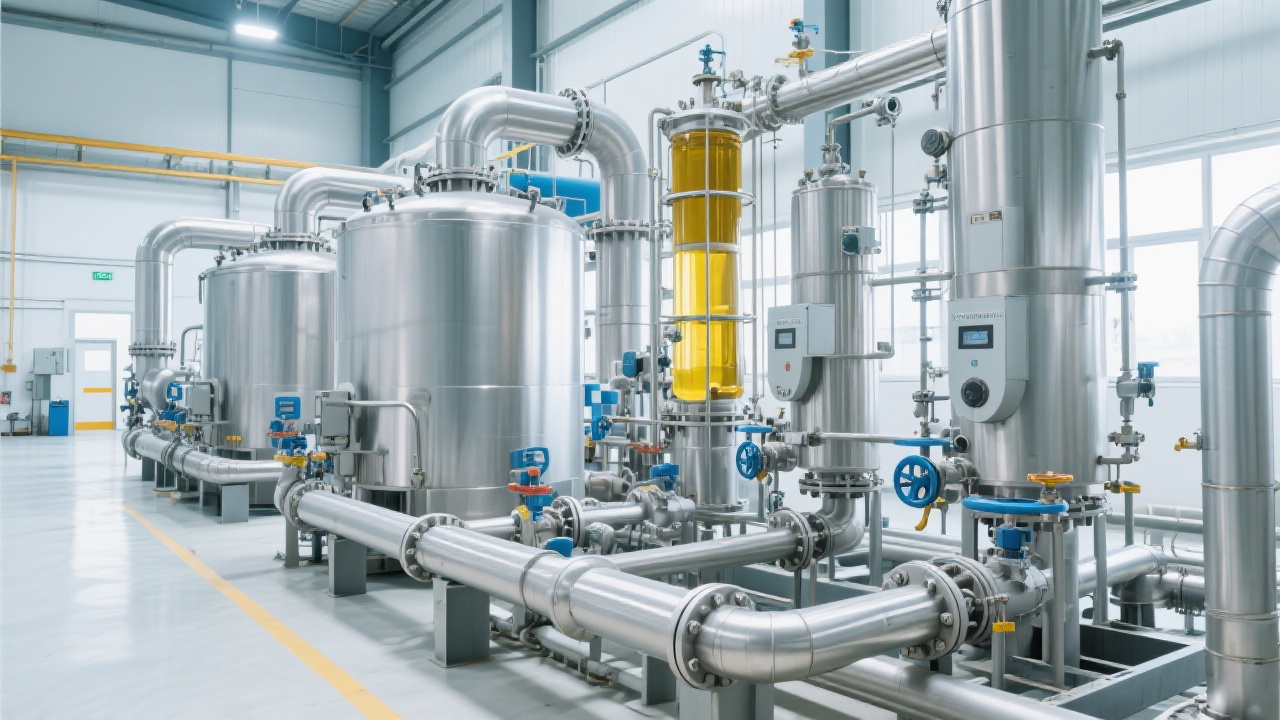
In conclusion, the degumming process is a critical link in the edible oil refining chain. By understanding its importance, analyzing the root causes of degumming failures, and implementing practical improvement measures, companies can enhance the stability of their refining processes and the quality of their products. If you are looking for personalized solutions and professional technical support for your edible oil refining process, contact Penguin Group today.

 <#else>