In the global edible oils and industrial lipid market, de-waxing is a critical step that directly impacts product purity, shelf life, and compliance with food safety standards like FDA and EU Regulation (EC) No 178/2002. Yet, many manufacturers still struggle with inconsistent results—especially in key metrics such as cloud point, wax content, acidity, color stability, and flow behavior.
According to ASTM D5773 and ISO 3676, these five parameters must be monitored rigorously:
A recent survey of 47 processing plants across Southeast Asia and Eastern Europe found that over 63% experienced quality deviations due to improper temperature control during the crystallization phase—a factor easily overlooked but crucial for consistent wax separation.
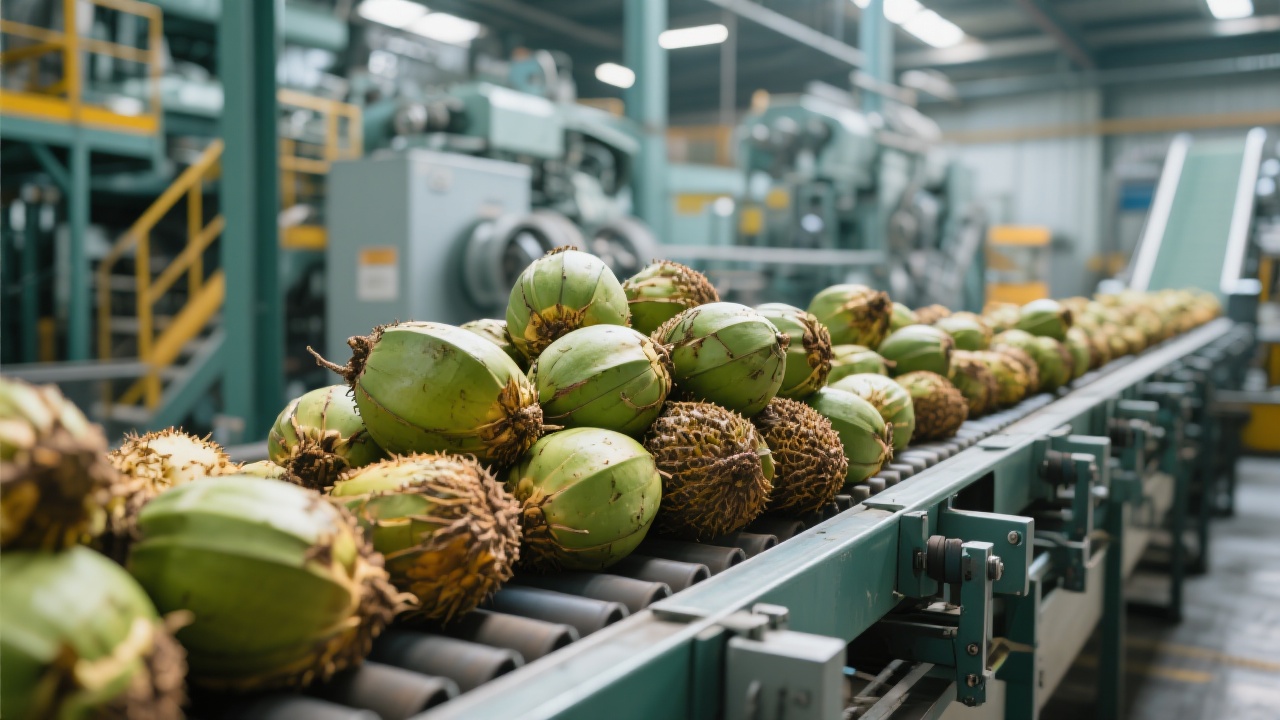
While lab-based methods like FTIR and GC are gold standards, field teams need fast, reliable tools. For example, handheld NIR analyzers now allow real-time wax detection within 90 seconds—reducing downtime by up to 40% compared to traditional wet chemistry methods.
One case study from a Malaysian palm oil refiner showed a 22% improvement in consistency after switching from manual sampling to automated inline sensors integrated with PLC systems. This not only boosted yield but also helped them win a contract with an EU-based B2B buyer requiring ISO 22000 certification.
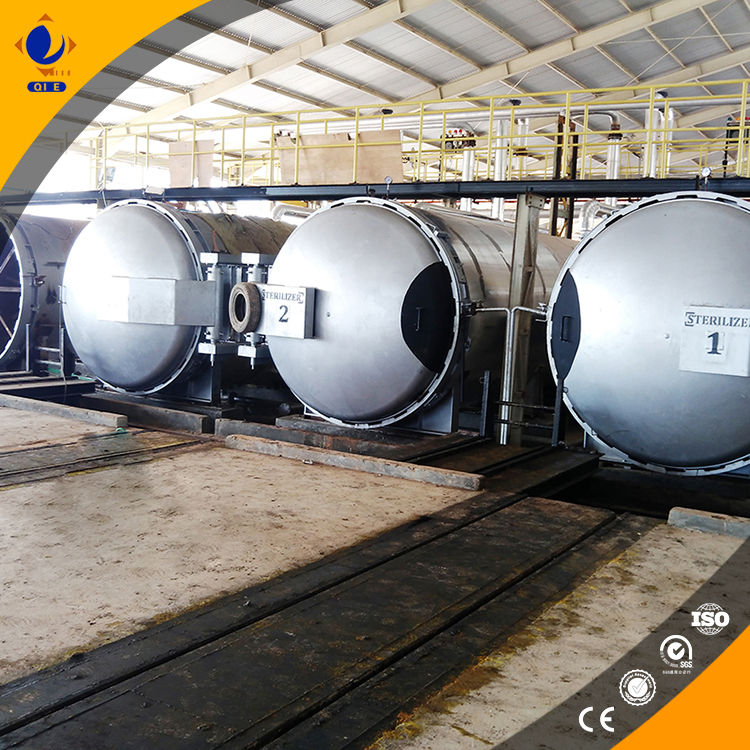
The takeaway? Build a closed-loop system where every batch’s data feeds into continuous improvement—not just reactive fixes.
We help processors worldwide implement precision de-waxing solutions tailored to their equipment, raw materials, and export markets. From on-site training to custom QC protocols—we’re here to turn quality challenges into competitive advantages.
Get Your Custom De-Waxing Optimization Plan TodayStay updated with industry best practices through our monthly technical newsletter—trusted by over 1,200 B2B buyers in 40+ countries.