
As a plant operator, you understand that unplanned downtime in degumming and dewaxing operations can cost your facility an average of $5,000 to $15,000 per hour in lost production. This guide will equip you with practical strategies to identify issues before they escalate, drawing on Penguin Group's 25 years of industry expertise in edible oil processing equipment.
Before initiating your degumming and dewaxing equipment, a systematic inspection can prevent 70% of common startup failures. Begin with verifying power supply parameters—voltage fluctuations beyond ±5% of rated capacity are a leading cause of motor burnout. Check all hydraulic lines for pressure integrity, ensuring connections are torqued to manufacturer specifications (typically 25-35 Nm for standard fittings).
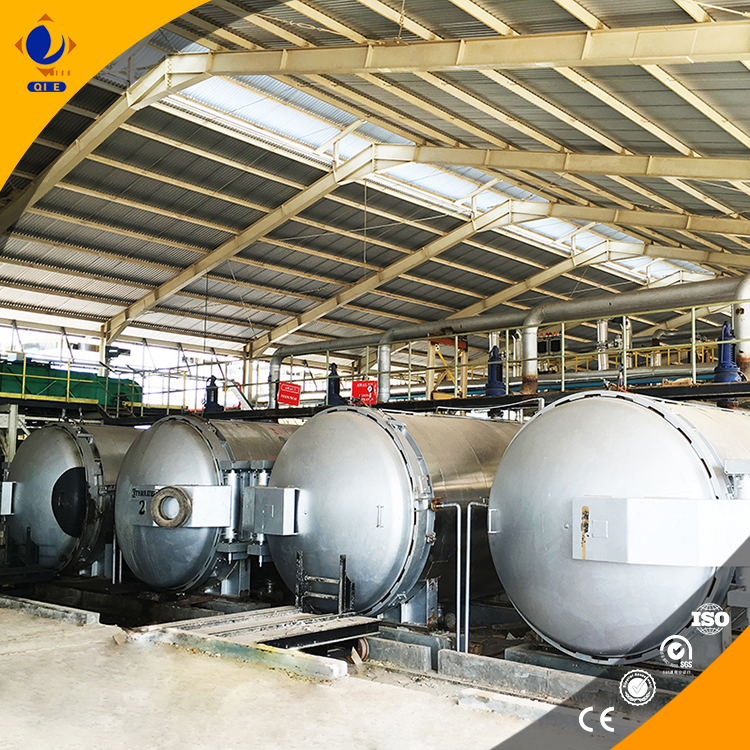
Continuous monitoring is crucial for maintaining product quality and preventing equipment damage. Key parameters require constant observation: oil feed rate should remain within ±3% of setpoint to prevent emulsion instability. Monitor water content in the degumming phase—exceeding 2.5% can cause excessive soap formation and subsequent filter clogging.
**Operator Insight:** When processing crude palm oil, maintain a 1:0.08 oil-to-water ratio during degumming. Deviations beyond ±10% of this ratio have been shown to increase wax precipitation issues by 40% in downstream dewaxing stages, based on Penguin Group's field data analysis.
Even with proper maintenance, equipment issues can arise. Here's how to diagnose and resolve the most frequent problems:
| Symptom | Probable Cause | Resolution |
|---|---|---|
| Excessive pressure drop in filters | Filter media clogging; incorrect pre-coat application | Implement backwash cycle; verify pre-coat thickness (3-5mm recommended) |
| Emulsion breakdown failure | Temperature fluctuation; insufficient mixing intensity | Stabilize heating system; check agitator RPM (maintain 65-75 RPM) |
| Wax crystal formation issues | Cooling rate too rapid; agitation insufficient during crystallization | Adjust cooling jacket flow to achieve 1-2°C per minute temperature decrease |
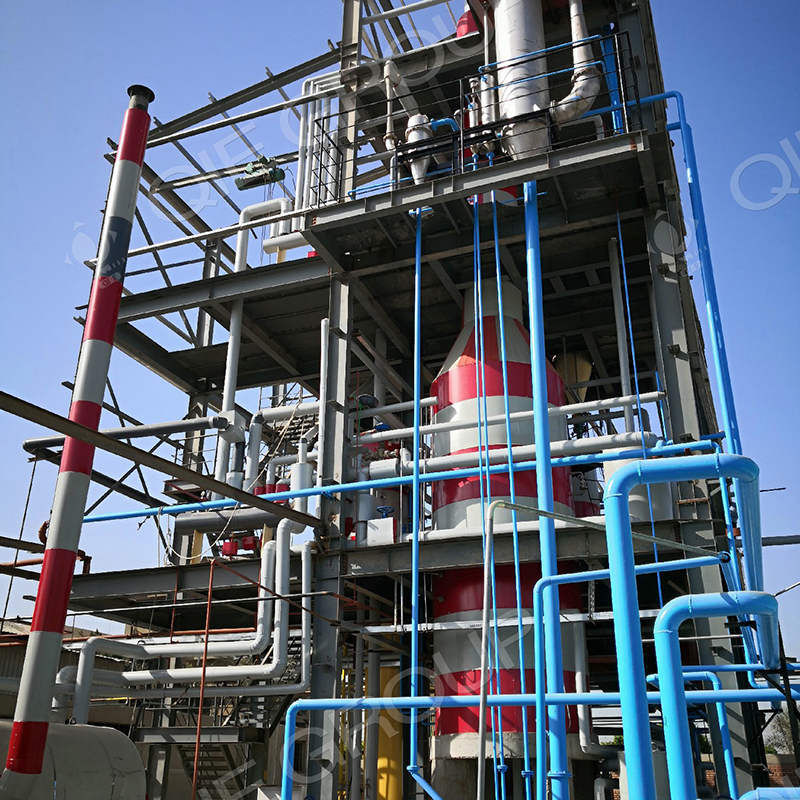
Proactive maintenance is the cornerstone of reliable equipment performance. Establishing a structured schedule can reduce unscheduled downtime by up to 45%. For degumming and dewaxing systems, critical maintenance tasks include:
In a recent case study at a Southeast Asian palm oil refinery, implementing Penguin Group's maintenance protocol reduced equipment failures by 62% over six months, resulting in annual savings of approximately $240,000 in maintenance costs and lost production.
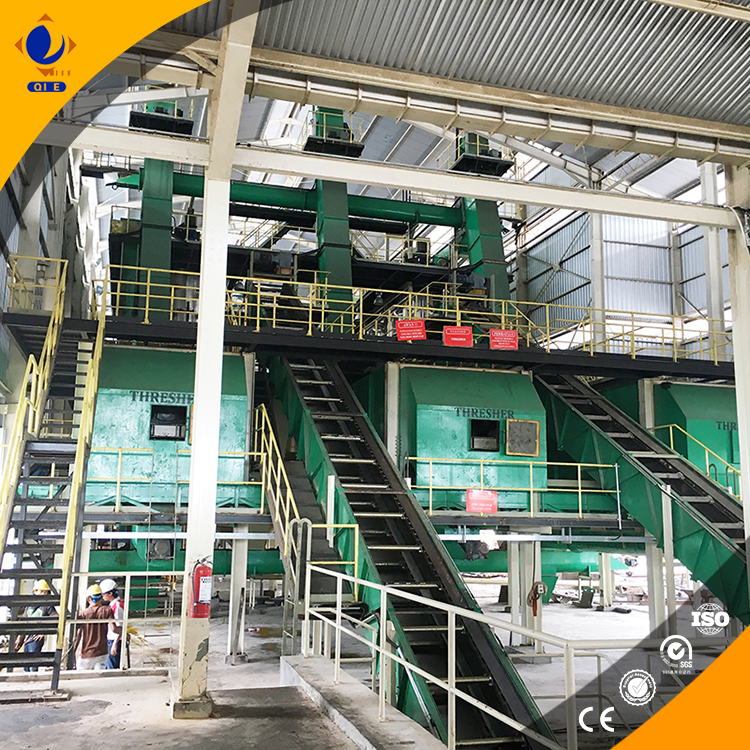
Every facility faces unique challenges based on raw materials, production volumes, and operating conditions. Get personalized recommendations tailored to your specific equipment configuration and processing requirements.
Get Your Custom Maintenance Optimization PlanRemember that consistent performance comes from combining proper operation with proactive maintenance. By implementing these guidelines and leveraging Penguin Group's technical expertise, you'll not only reduce downtime but also improve product quality and process efficiency. The key is establishing regular inspection routines and addressing minor issues before they become major problems.