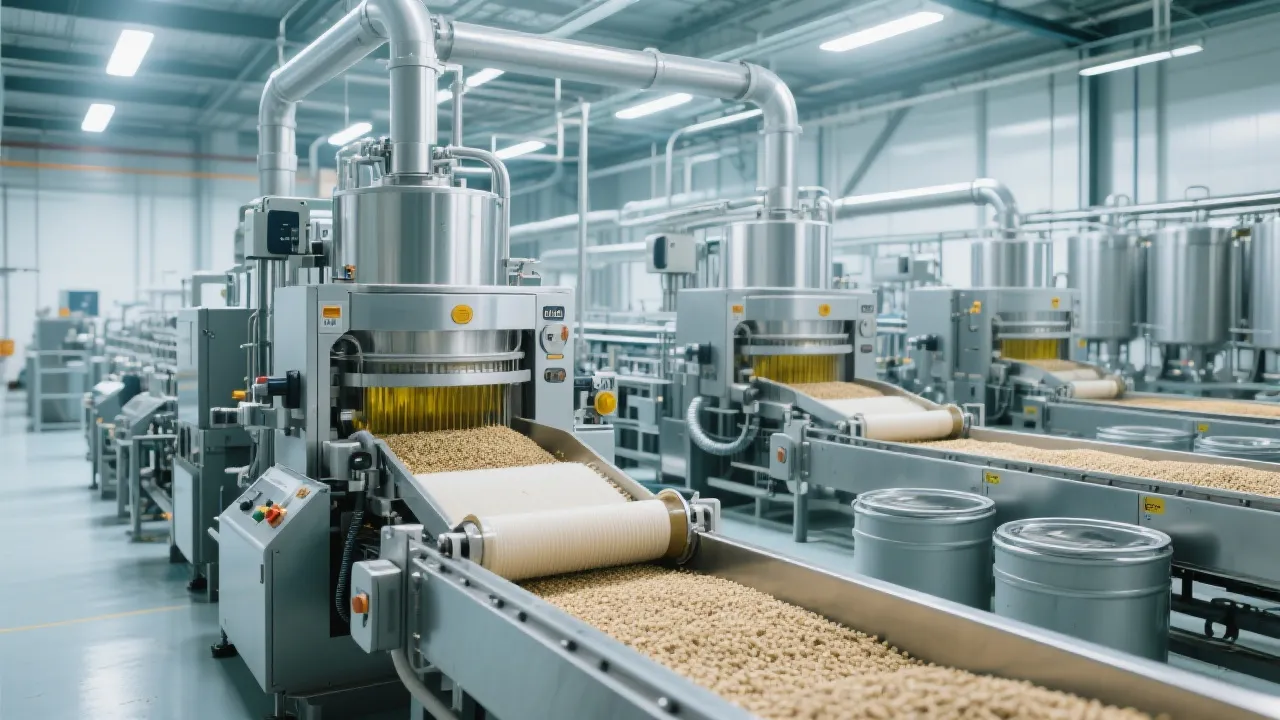
For sunflower oil producers aiming to meet global quality standards, mastering the degumming process is no longer optional—it’s a strategic imperative. This critical step in edible oil refining directly impacts final product clarity, shelf life, and oxidative stability. Yet many refineries still rely on manual judgment or outdated practices that lead to inconsistent results.
Studies show that even a 2–3% deviation in water addition during degumming can cause incomplete phospholipid removal—resulting in higher acidity levels (up to 0.3% free fatty acids) and faster oxidation in stored oils. Similarly, temperature fluctuations above ±5°C from the optimal range (60–65°C for sunflower oil) reduce emulsion formation efficiency, leading to poor separation and increased downstream losses.
| Parameter | Optimal Range | Impact of Deviation |
|---|---|---|
| Water Addition (% of oil weight) | 0.5–1.0% | >1.2% causes emulsification issues; <0.4% leaves gums unremoved |
| Temperature (°C) | 60–65 | ±5°C reduces yield by 1.5–3% |
| Mixing Intensity (rpm) | 200–300 | Too low = uneven hydration; too high = foam formation |
One major pitfall is assuming a one-size-fits-all approach across different oil sources. For instance, sunflower seeds with higher phospholipid content (often >0.8% in crude oil) require more precise water dosing than soybean or rapeseed oils. Another frequent error? Misjudging the endpoint of degumming based on visual cues alone—a method prone to human bias and inconsistency.
In a case study from a mid-sized refinery in Ukraine, implementing a standardized SOP reduced batch-to-batch variability by 40%, while increasing yield by an average of 1.8%. The key was combining operator training with real-time monitoring using inline conductivity sensors—a technology now widely adopted in EU-certified plants.
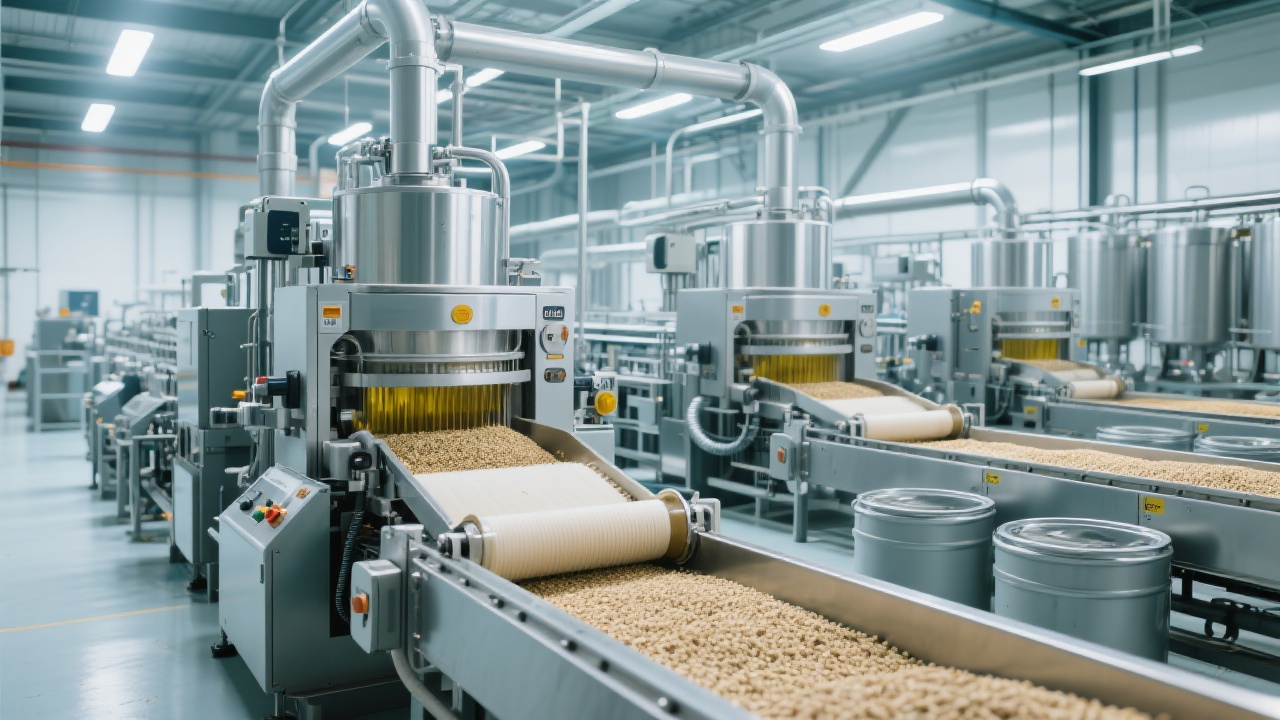
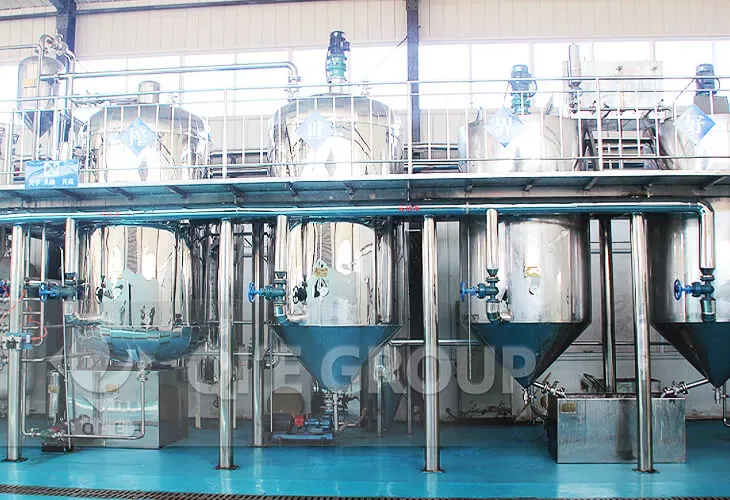
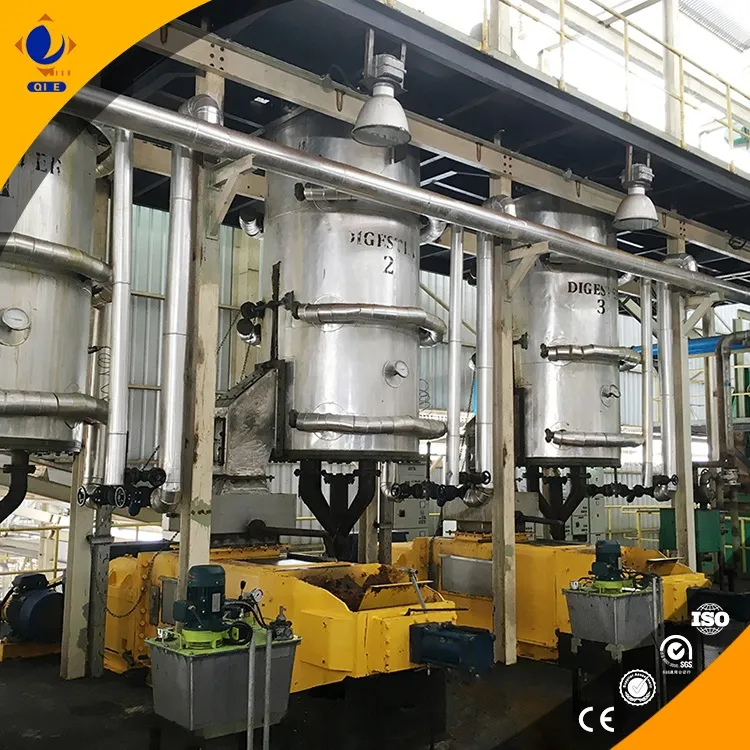
Modern solutions like automated control systems integrated with electric conductivity probes allow for live adjustment of water dosage and temperature—minimizing waste and ensuring consistent quality. These tools are especially valuable when scaling production or working with seasonal raw material variations.
While sunflower oil benefits most from moderate temperatures and controlled hydration, other oils like palm or corn demand stricter pH management and shorter residence times. A flexible, data-driven approach—not rigid formulas—is what separates top-tier processors from the rest.

If you're ready to move beyond guesswork and embrace precision in your degumming operations, consider how advanced equipment can transform your process—from manual oversight to intelligent automation.
Get a free technical consultation and see how our smart degumming systems can boost consistency, reduce waste, and improve your oil’s market value.
Request Your Customized Solution Now