Detailed Explanation of Standard Operating Procedure (SOP) for Degumming Process and Strategies to Avoid Common Mistakes
13 11,2025
Tutorial Guide
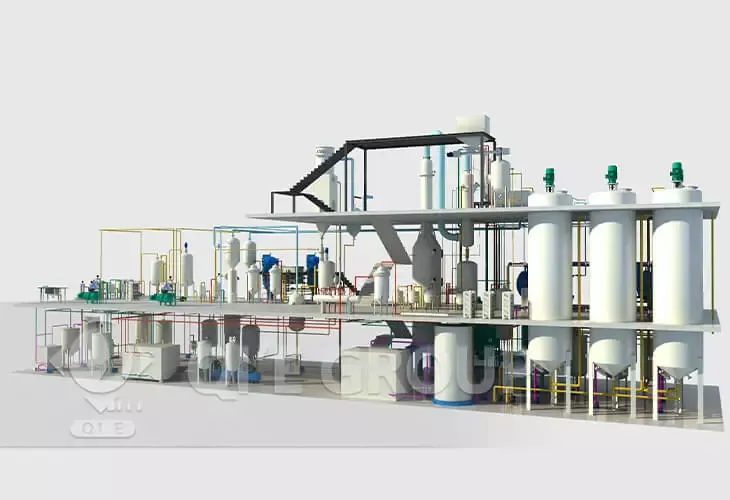
This article delves into the standard operating procedure (SOP) of degumming, a crucial step in edible oil refining. It focuses on the impacts of water addition, temperature control, stirring intensity, and sedimentation time on degumming efficiency and oil quality. Through real - world cases, common operating mistakes such as misjudging the degumming endpoint, neglecting raw material characteristics, and improper equipment selection are analyzed. Differentiated degumming strategies for various oilseeds are provided. The application of online detection technologies like conductivity in achieving precise degumming is also introduced, which helps enterprises improve production intelligence and the consistency of refined oil quality. Finally, efficient refining equipment solutions suitable for the degumming process are recommended. Contact QIE Group for professional support to upgrade your refining business.
In the realm of edible oil refining, degumming stands as a pivotal process, significantly influencing the quality and stability of the final product. This article delves deep into the Standard Operating Procedure (SOP) of the degumming process, explores the key control variables, and offers strategies to avoid common pitfalls.
The Core Role of Degumming in Edible Oil Refining
Degumming is a crucial step in edible oil refining. It involves the removal of phospholipids, mucilage, and other gummy substances from crude oil. These impurities can cause oil to darken, foam during frying, and have a shorter shelf - life. By effectively degumming, the quality of the refined oil can be significantly improved, meeting the high - standards of the market.
Key Control Variables in the Degumming Process
Several variables play a vital role in the degumming process:
- Moisture Addition: The right amount of water is essential for hydrating the phospholipids. Generally, for most oils, the moisture addition ranges from 2% - 5% of the oil weight. Too little water may result in incomplete degumming, while too much can lead to emulsion problems.
- Temperature Control: The temperature during degumming affects the reaction rate and the solubility of phospholipids. For example, in the case of soybean oil, the optimal temperature for degumming is around 60 - 70°C. Deviations from this range can reduce degumming efficiency.
- Stirring Intensity: Adequate stirring ensures uniform mixing of water and oil, promoting the aggregation of phospholipids. However, over - stirring can cause the formation of fine droplets that are difficult to separate.
- Settling Time: Sufficient settling time allows the aggregated phospholipids to separate from the oil. Depending on the oil type, settling time can range from a few hours to overnight.
Establishing and Implementing the Standard Operating Procedure (SOP)
Let's take a real - world case. A small - scale edible oil refinery was facing issues with inconsistent oil quality. By establishing a strict SOP for degumming, which included precise control of moisture addition, temperature, stirring, and settling time, they were able to improve the degumming efficiency by 20% and the overall oil quality significantly. The SOP should be based on industry standards and adjusted according to the specific characteristics of the raw materials.

In - depth Analysis of Common Degumming Pitfalls
There are several common mistakes in degumming:
- Misjudgment of Degumming End - point: Incorrectly determining when the degumming process is complete can lead to under - or over - degumming. This can be avoided by using reliable testing methods.
- Neglect of Raw Material Characteristics: Different oilseeds have different phospholipid contents and compositions. For example, rapeseed oil has a higher content of non - hydratable phospholipids compared to soybean oil, requiring a different degumming approach.
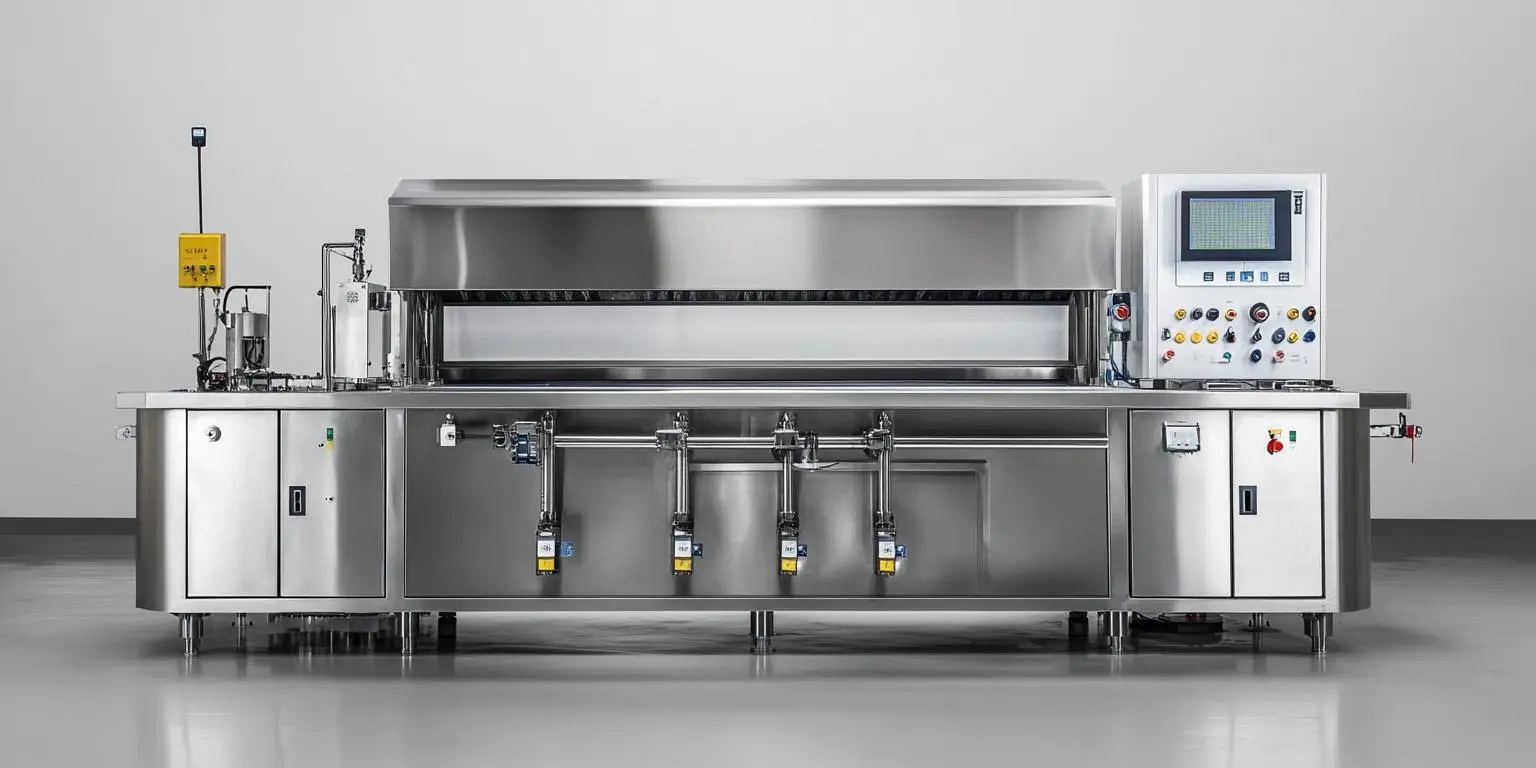
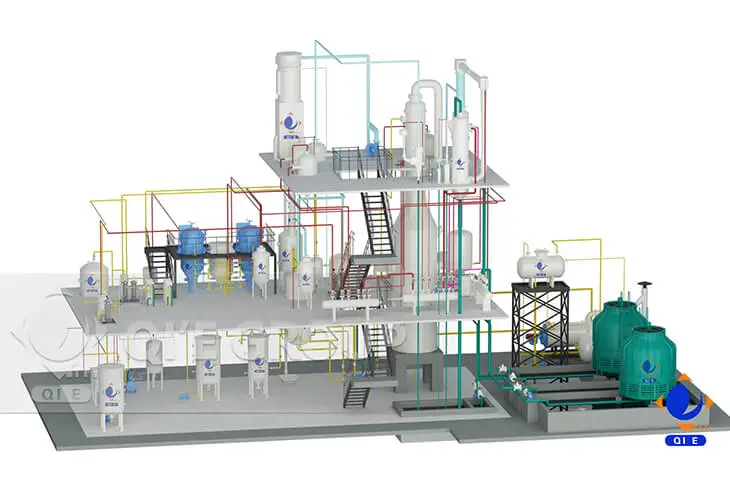
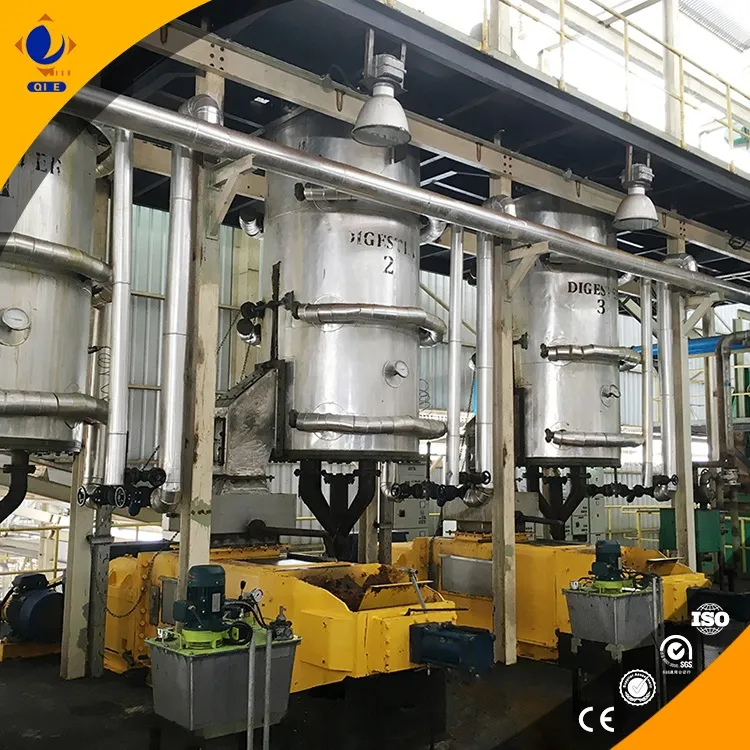
- Improper Equipment Selection: Using the wrong equipment can lead to inefficient degumming. For instance, a poorly designed mixer may not provide sufficient stirring, affecting the degumming process.
Differentiated Degumming Strategies for Different Oils
For different oilseeds, such as sunflower oil, a specific degumming strategy is needed. Sunflower oil has unique characteristics, and adjusting the moisture addition, temperature, and other parameters accordingly can optimize the degumming process.
The Application of Online Detection Technology
Online conductivity detection technology can play a significant role in achieving precise degumming. By continuously monitoring the conductivity of the oil during degumming, real - time adjustments can be made to the process parameters. This technology can improve the intelligence and controllability of the degumming process, ensuring consistent oil quality.

Industry Latest Technologies and Standards
The edible oil refining industry is constantly evolving. Staying updated with the latest technologies and standards is crucial for refineries to improve their competitiveness. Newer methods and equipment are emerging to make the degumming process more efficient and sustainable.
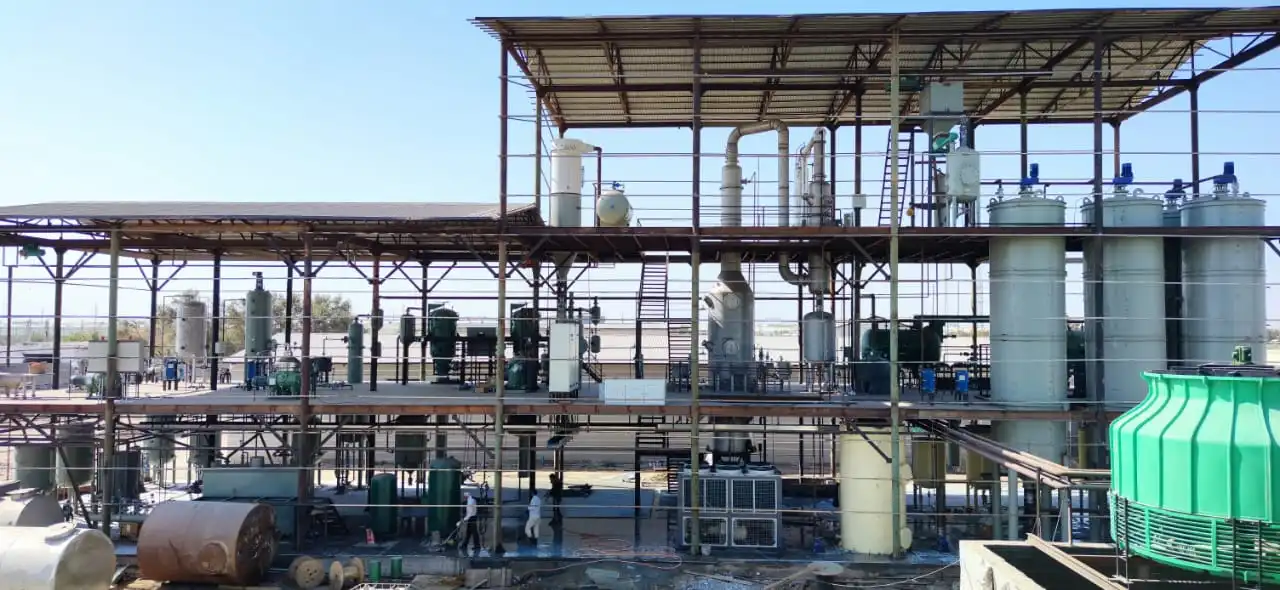
If you are looking to upgrade your degumming process and improve the quality of your refined oil, QIE Group offers professional and efficient refining equipment solutions. Our state - of - the - art equipment and technical support can help you achieve better results in your edible oil refining business. Contact QIE Group now to take your refining business to the next level!