Causes of Excessive Steam Consumption in Degumming and Automated Control System Optimization
Degumming is a critical phase in edible oil refining, where excessive steam usage leads to increased production costs and negatively impacts subsequent neutralization, bleaching, and deodorization stages. This article systematically analyzes the root causes of steam overconsumption during degumming, highlighting how improper phosphorus removal and moisture control disrupt the refining process. By examining typical failure cases, the study elucidates the interplay of physical and chemical factors contributing to inefficiencies. An advanced automated control system optimization strategy is proposed, encompassing temperature linkage, liquid level sensing, and intelligent feedback regulation to stabilize degumming operations and reduce steam waste. Supported by technical data, flowcharts, and comparative tables, this approach enables refined process management, energy savings, and improved oil quality. The insights deliver actionable guidance and best practices for industry professionals seeking to enhance equipment performance and advance intelligent edible oil refining.

Identifying Causes of Excessive Steam Consumption During the Degumming Stage in Edible Oil Refining
The degumming phase is a pivotal step in the edible oil refining process, where phospholipids and impurities are removed to prepare the oil for effective neutralization, bleaching, and deodorization. However, many refining operations encounter an issue of abnormally high steam consumption at this stage, leading to inflated operational costs and reduced downstream process efficiency. A technical audit reveals that improper phospholipid removal, alongside inaccurate moisture control, frequently exacerbates steam usage, undermining both energy efficiency and oil quality.
Root Causes of Steam Overuse in Degumming
Excessive steam demand in the degumming operation stems primarily from process imbalances:
- Phospholipid Residue: Insufficient removal increases oil viscosity and heat transfer resistance, forcing higher steam input to maintain target temperatures.
- Water Content Variability: Mismanagement of hydration water affects emulsion stability, leading to inefficient phase separation and extended steam heating duration.
- Temperature Instability: Uncontrolled temperature fluctuations cause oversteering steam valves, resulting in surges in steam consumption.
- Mechanical Agitation Deficiencies: Inadequate mixing lowers mass transfer rates, demanding prolonged steam application to achieve degumming targets.
Impact of Excess Steam on Refining Process and Costs
Overconsumption of steam during degumming drives up operational expenditures, accounting for up to 15-20% of total energy costs in a typical edible oil plant. Additionally, prolonged heating risks degrading oil quality by promoting oxidation reactions. The inefficiency cascades downstream, impairing neutralization and bleaching steps, as residual phospholipids resist removal, increasing chemical additive requirements and waste generation.
| Parameter |
Normal Range |
Effect If Not Controlled |
| Steam Consumption (kg/ton oil) |
50-70 |
Rises up to 90+, increasing energy costs |
| Phospholipid Content (%) |
<0.1 after degumming |
Residuals cause downstream processing issues |
| Temperature Stability (°C) |
70-75 ±1 |
Fluctuations lead to steam overuse |
Advanced Automatic Control System Optimization Strategies
To address steam inefficiency, integrating sophisticated automation solutions is essential. Modern control systems employ:
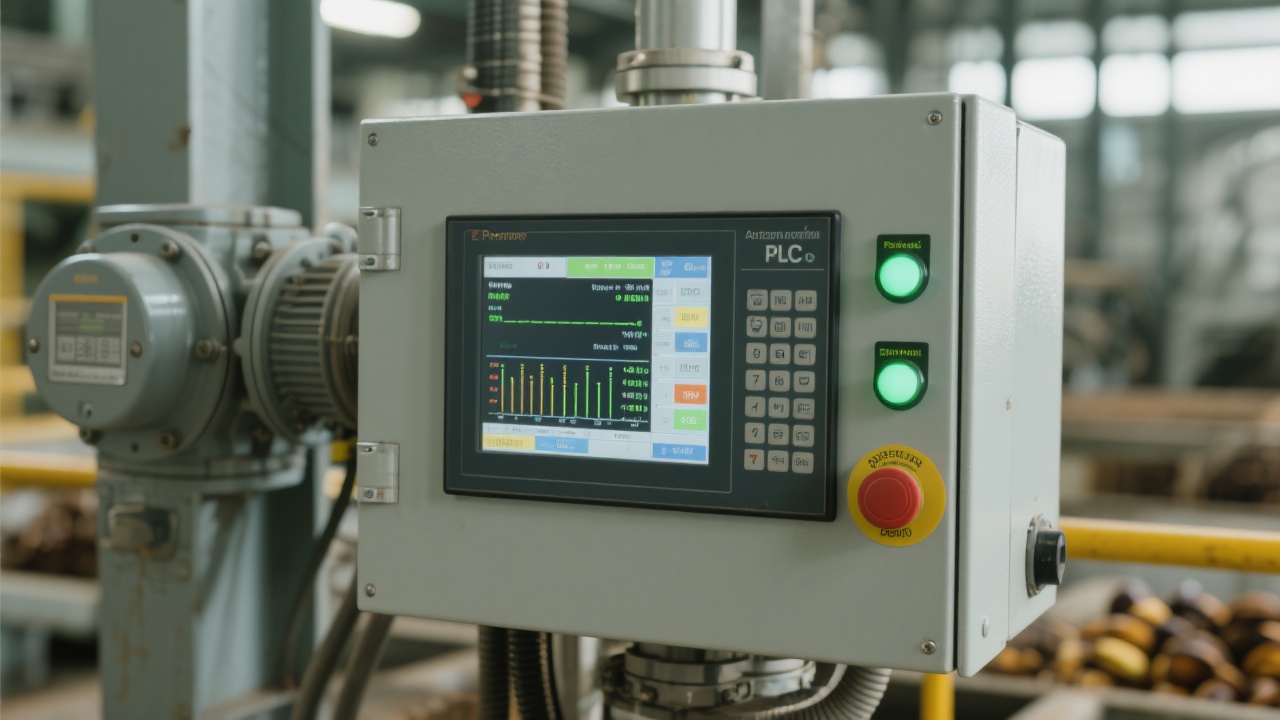
- Temperature-Linked Steam Regulation: Utilizes precise PID controllers for real-time steam flow adjustment, maintaining tight temperature bands and preventing overshoot.
- Liquid Level Sensors with Feedback Loops: Ensure optimal hydration water dosing, stabilizing emulsification and minimizing steam waste.
- Intelligent Agitation Control: Monitors mixing intensity and adapts motor speed, maximizing phospholipid dispersion and reducing steam input demand.
Field implementations have demonstrated steam savings of up to 25%, with corresponding improvements in product consistency and reduced chemical usage. Data-driven dashboards empower operators with actionable insights, enhancing operational transparency and decision-making speed.
Case Insights and Technical Considerations
A mid-scale refinery in Southeast Asia reported a 30% steam reduction within six months after integrating an adaptive temperature-steam linkage system combined with real-time phospholipid monitoring. The elimination of residual gums minimized fouling, reducing maintenance downtime by 15%. Key success factors included:
- Calibrated instrumentation tailored for local raw oil variability.
- Operator training focused on interpreting control system alerts.
- Scheduled performance audits to fine-tune automatic parameters.
Attention to detail in degumming automation not only optimizes energy but also enhances the entire refining chain’s robustness against feedstock variability challenges.


 <#else>