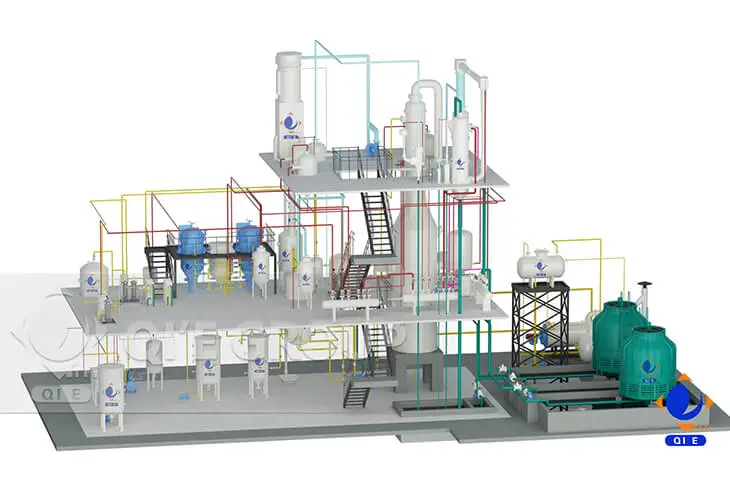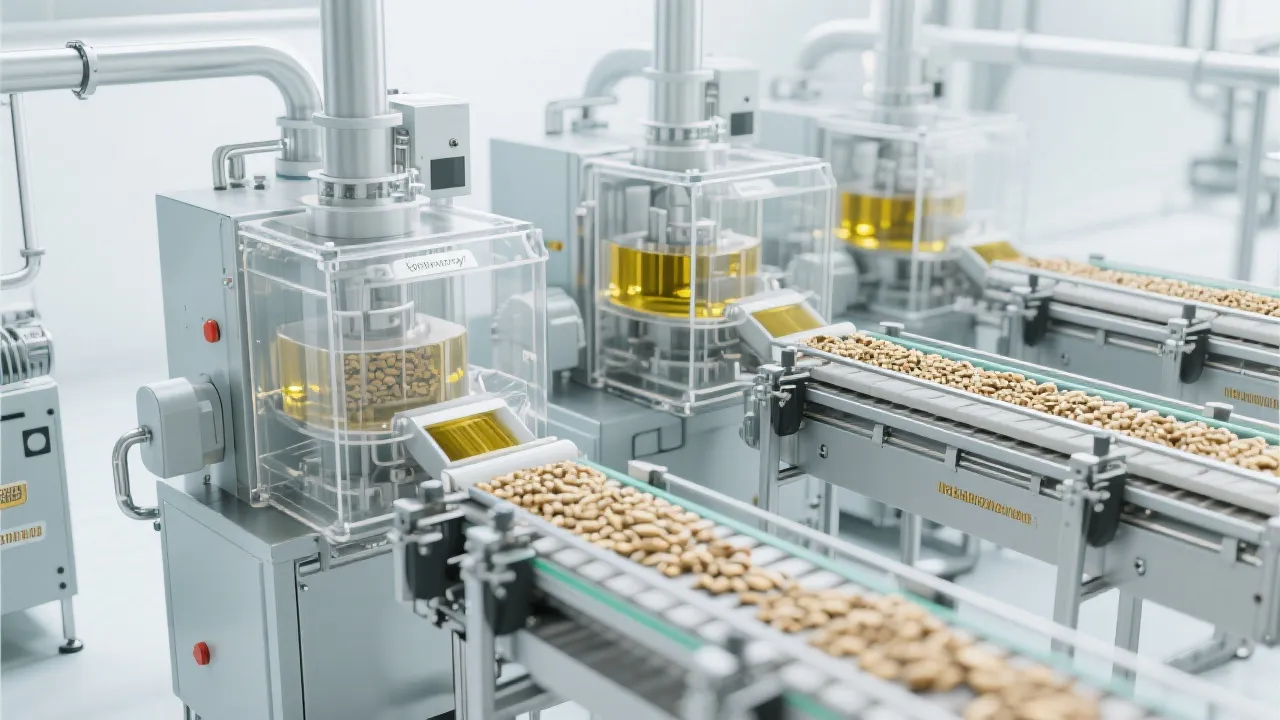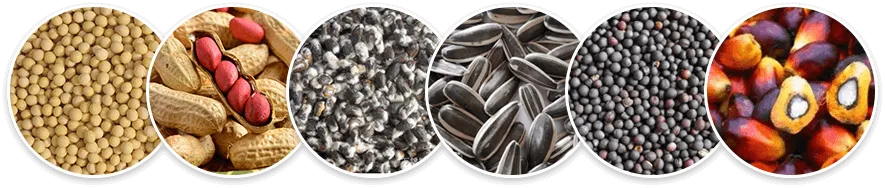
Dehydration—often overlooked—is the cornerstone of high-quality edible oil refining. Whether you're processing soybean or canola oil, mastering this pre-treatment step ensures smoother downstream operations like neutralization, bleaching, and deodorization. In fact, studies show that improper dehydration can reduce oil yield by up to 4–6% and increase energy consumption during refining by 10–15%. This article breaks down how water-based and acid-based dehydration methods work, what parameters matter most, and how real-world refineries solve common issues.
In water-based dehydration (also known as hydration), phospholipids in crude oil react with water at controlled temperatures (typically 60–70°C) to form hydrated complexes that settle out. For soybean oil, which contains about 0.8–1.2% phospholipids, optimal water addition is 2–3% of the oil weight. Too little water leaves residual gums; too much increases emulsion formation and complicates separation. Industry data from Chinese and Indian refineries shows that maintaining a pH between 5.5 and 6.5 significantly improves settling efficiency—reducing sludge volume by up to 30% compared to uncontrolled pH levels.
| Oil Type | Optimal Water Addition (%) | Ideal Temperature (°C) | Typical Yield Loss if Mismanaged (%) |
|---|---|---|---|
| Soybean Oil | 2–3% | 60–70°C | 4–6% |
| Canola Oil | 1.5–2.5% | 55–65°C | 3–5% |
For oils with higher free fatty acid content—such as some canola batches after long storage—an acid-based method may be more effective. Adding 0.1–0.3% citric or phosphoric acid helps break down gum complexes that resist hydration alone. One refinery in Brazil reported a 25% improvement in clarity after switching from pure water to acid-assisted dehydration for low-grade canola oil. However, over-acidification risks soap stock formation, so precise dosing and post-neutralization checks are critical.
Real-time monitoring of moisture content using NIR sensors has become standard in modern facilities. These tools allow operators to adjust water input dynamically—cutting waste and boosting consistency. A case study from a Malaysian plant showed a 12% reduction in reprocessing costs after implementing automated feedback loops based on inline moisture readings.
If you’ve read this far, you’re already thinking beyond theory—you want actionable insights. That’s why we don’t just publish articles—we build solutions. At QIE Group, our engineers have helped over 120 global clients optimize their dehydration steps using smart automation, custom-designed separators, and real-time analytics. We’ve seen firsthand how small adjustments in temperature, pH, or water timing can transform your output quality—and your bottom line.
Ready to move from understanding to implementation? Let’s talk about your specific challenges. Our team will review your current setup and recommend tailored improvements—no generic advice, no fluff.
Get a Free Process Audit from Our Refining Experts