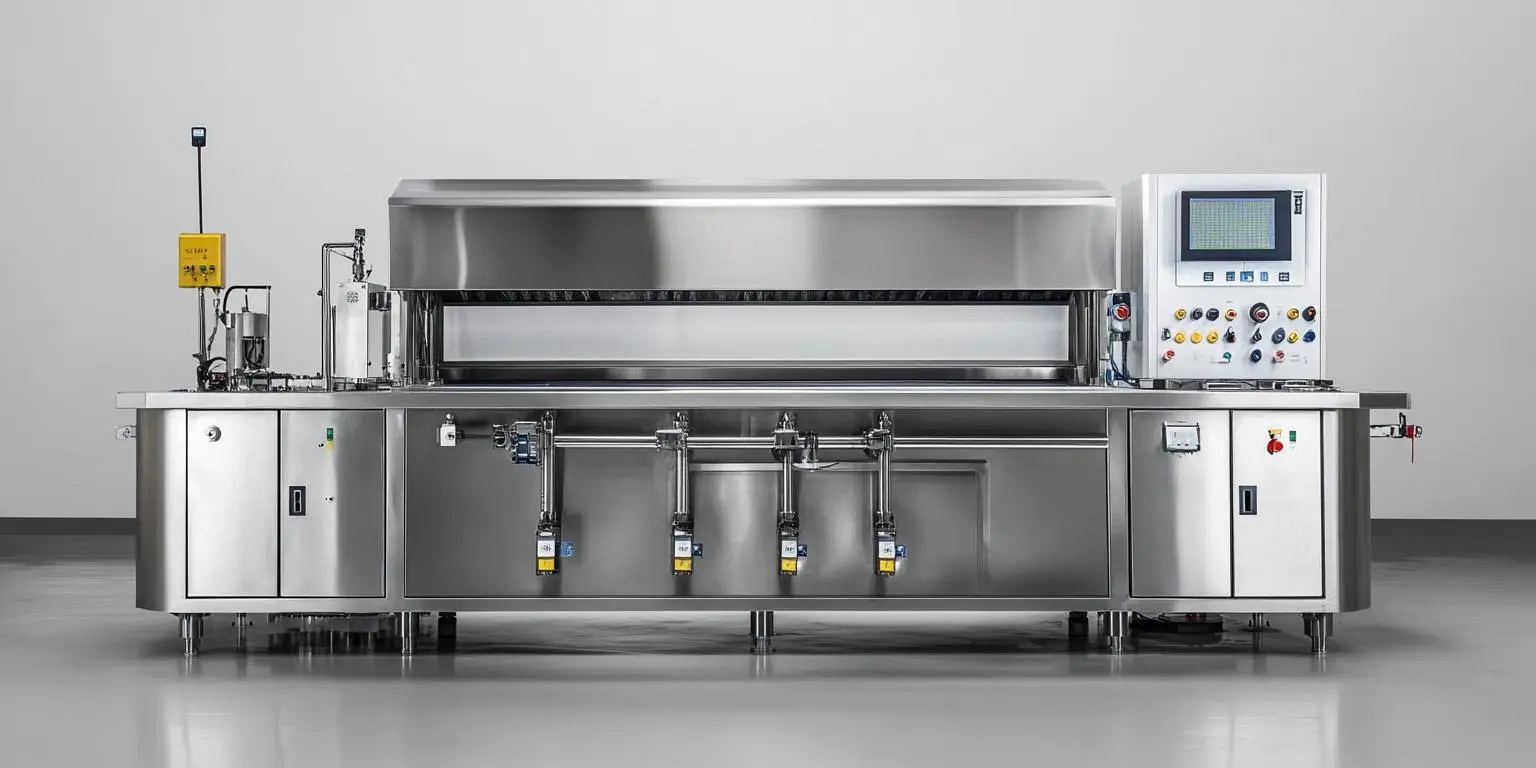

In the global edible oil industry, consistent quality is not just a goal—it’s a competitive necessity. Whether you're producing refined palm oil, sunflower oil, or canola oil, ensuring that your de-waxed product meets international standards like ASTM D97 (Cloud Point) and ASTM D241 (Wax Content) is critical for customer trust and regulatory compliance.
ASTM D97: "This method covers the determination of the cloud point of petroleum products using a visual observation technique." — A standard trusted by major processors in EU, US, and APAC markets.
The cloud point—the temperature at which wax crystals begin to form—directly impacts cold stability, shelf life, and consumer satisfaction. Meanwhile, wax content above 0.1% (per ASTM D241) may lead to filter clogging during packaging or off-flavors in end-use applications such as frying oils or margarine production.
For example, one Chinese vegetable oil manufacturer reported a 23% drop in export orders after failing to meet UAE importers’ cloud point requirements (≤−2°C). The root cause? Inconsistent temperature control during the crystallization phase—not poor raw material.
Traditional lab methods take 2–4 hours per sample. But with portable testers based on ASTM-compliant infrared sensors, you can reduce testing time to under 15 minutes—with accuracy within ±0.5°C for cloud point and ±0.03% for wax content.
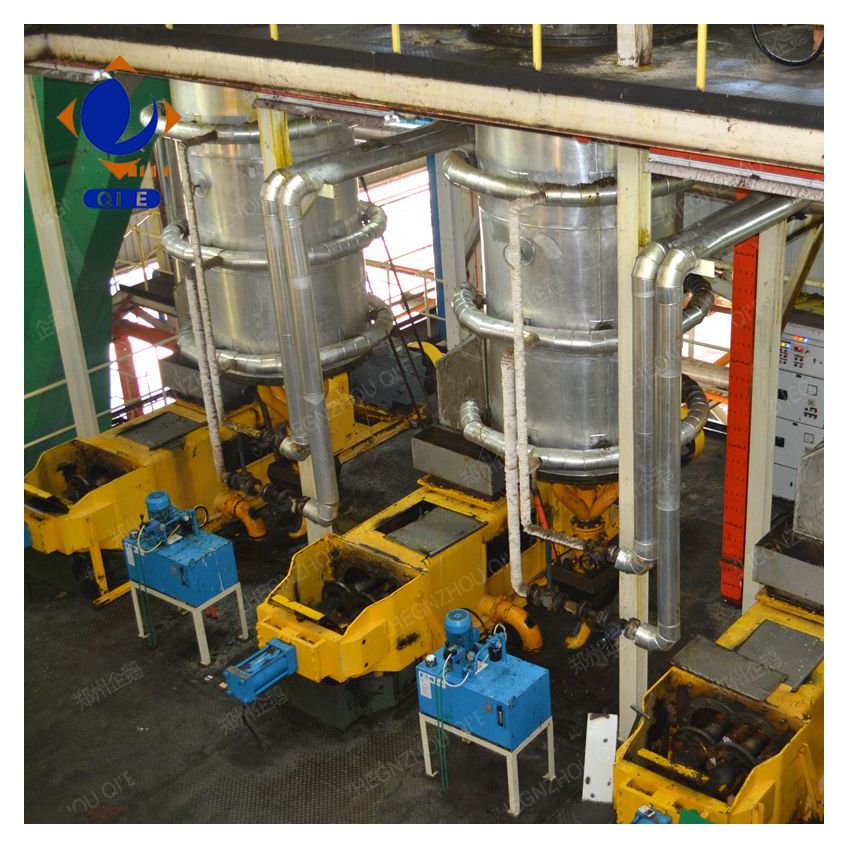
Temperature control during cooling (typically 3–8°C/hour), filter mesh size (preferably 1–3 µm), and residence time in the crystallizer all play decisive roles. For instance, increasing filtration precision from 5 µm to 2 µm reduces wax residue by up to 40%, according to data from a Malaysian refinery audit.
Don’t overlook acidity either—though less directly tied to wax, an acid value >0.5 mg KOH/g signals potential oxidation issues that compound with wax-related problems in storage.
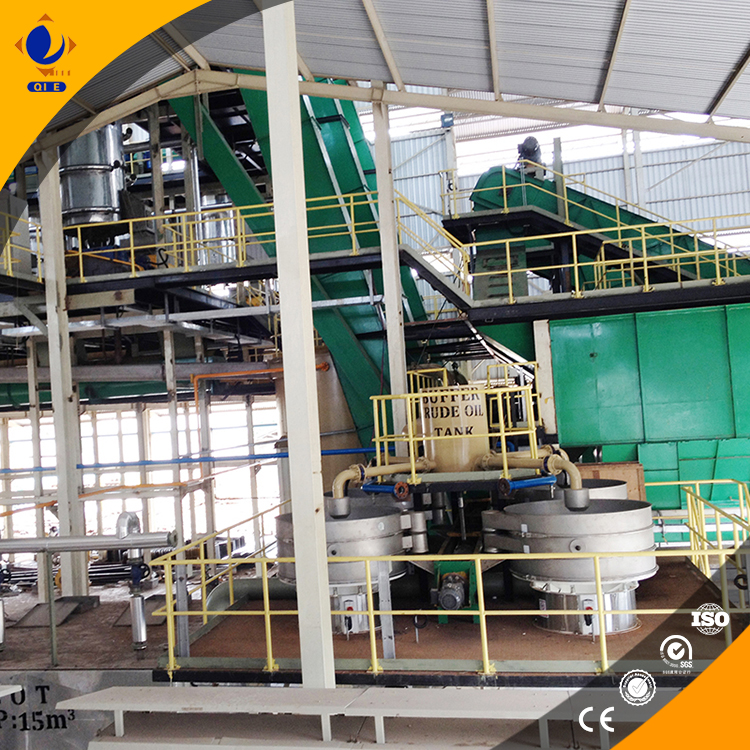
Common failures include:
Solution? Implement a feedback loop: test → analyze → adjust → retest. One Indonesian processor cut rejection rates from 12% to 3% in just three months using this approach.
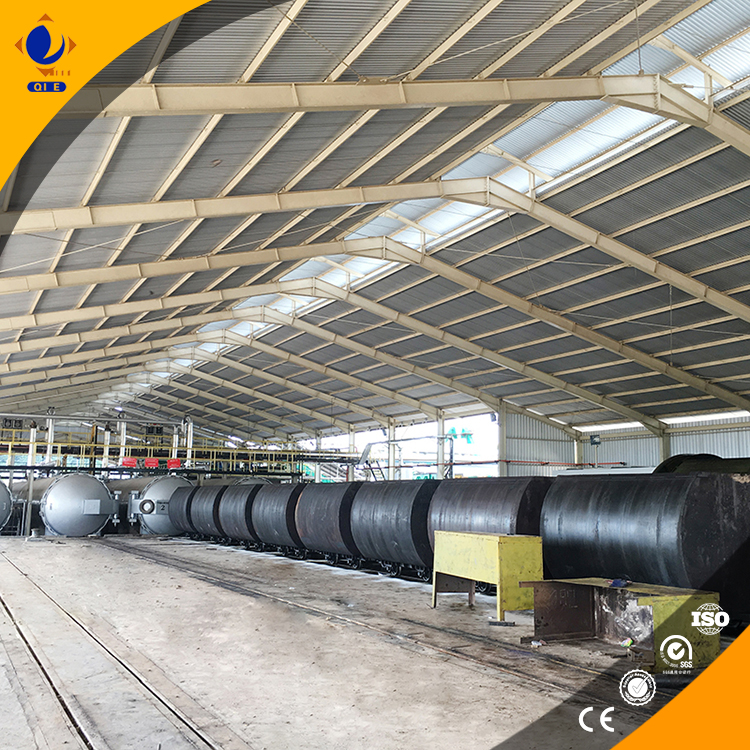
Whether you’re scaling up production or entering new markets like Saudi Arabia or Vietnam, having reliable on-site detection tools isn't optional anymore—it's foundational.
Get a customized assessment of your current setup and actionable recommendations—from equipment selection to operator training—based on real-world data from QIE Group’s global clients.
Download Our Free Guide: “5 Steps to Reduce De-Waxing Failures by 50%”











 <#else>