Understanding Key Quality Indicators in Dewaxed Oils: Testing Methods and Process Optimization

22 12,2025
QI ' E Group
Technical knowledge
How do you ensure your dewaxed oil meets market standards? This article systematically explains five critical quality indicators—cloud point, wax content, acid value, color stability, and low-temperature flowability—and their testing methods per ASTM standards and field-applicable rapid techniques. It also outlines how to optimize process parameters like temperature and filtration precision for consistent product performance. Practical solutions for common non-conformance issues are provided to help production managers establish a closed-loop quality control system, enhancing both product competitiveness and customer trust.
Hf5edbd92d7d64afbb9f1f0920c078f95K.jpg

Understanding Key Quality Indicators in Post-De-waxing Oils

For global food and industrial oil producers, ensuring consistent quality after de-waxing is not just a technical necessity—it’s a competitive advantage. According to industry data from the International Olive Council (IOC), over 70% of B2B buyers prioritize stable turbidity and low wax content when evaluating refined oils for export markets like the EU and GCC.

Why These Five Metrics Matter

The performance of your de-waxed oil hinges on five critical parameters:

  • Turbidity Point (ASTM D97): Determines cold flow behavior—essential for winter applications.
  • Wax Content: Must stay below 0.5% for premium edible oils per ISO 3656.
  • Acid Value: A rise above 0.5 mg KOH/g indicates oxidation risks during storage.
  • Color Stability: Measured via Lovibond scale—red/yellow values must be within ±1 unit of target.
  • Low-Temperature Flowability: Critical for packaging lines in colder climates (e.g., Northern Europe).

Lab vs Field Testing: What Works Where

While ASTM D97 remains the gold standard for turbidity testing in labs, field teams often rely on handheld refractometers or infrared sensors for real-time monitoring. For instance, a leading palm oil processor in Malaysia reduced batch rejection by 22% using portable IR analyzers at pre-filtration stages—saving ~$45K/month in waste disposal costs.

“The key isn’t just measuring—it’s understanding how each parameter shifts with temperature, pressure, and filtration speed.” — From ASTM D97 Standard Practice

Similarly, solvent extraction methods for wax quantification remain accurate but slow. In contrast, FTIR-based systems now offer results in under 5 minutes—with accuracy comparable to lab-grade equipment (±0.03% error margin).

Process Optimization That Delivers Results

Temperature control is crucial: raising the crystallization zone from 12°C to 16°C can reduce wax content by up to 15%, while maintaining viscosity. Likewise, filtering at 0.5 μm instead of 1 μm improves clarity without compromising throughput—especially important for high-volume exporters targeting North America.
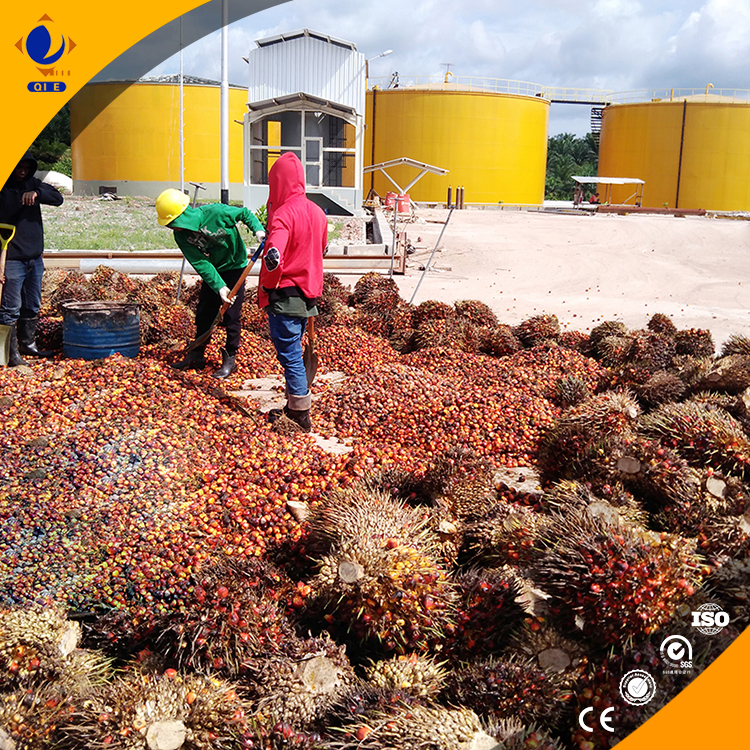
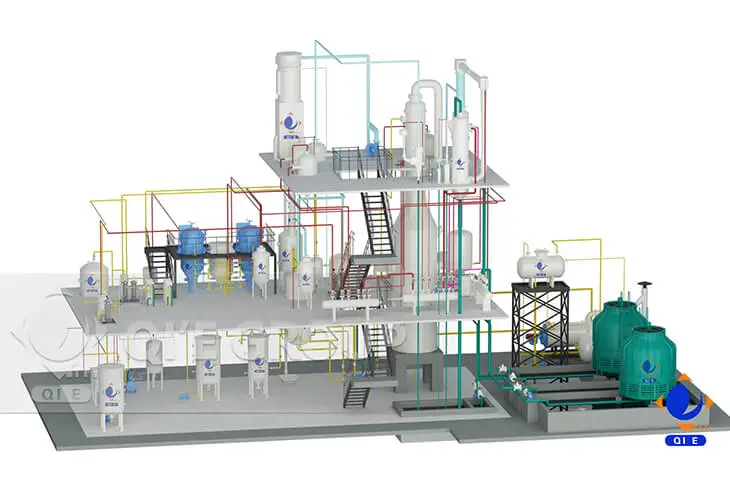
Flowchart showing steps in de-waxing process including cooling, crystallization, filtration, and final quality checks

When these variables are tracked together—not in isolation—you build predictive models that prevent failures before they occur. One client in Saudi Arabia used this approach to cut customer complaints by 60% in six months, improving repeat order rates significantly.

From Data to Action: Build Your Own QC Loop

Start small: record daily values for turbidity, acid value, and color. Then compare them against historical baselines. If deviations exceed 10% of average, trigger an internal review. This simple system has helped mid-sized refineries in Indonesia increase export compliance scores from 78% to 94% within one year.

Ready to Optimize Your De-Waxing Process?

Let QIE Group help you turn quality metrics into measurable business outcomes—whether it's reducing rework, boosting shelf life, or winning new contracts in Europe or the Middle East.

Get Customized De-Waxing Quality Solutions Today
Name *
Email *
Message*

Recommended Products

Popular articles
Recommended Reading
<#if (articleDetails.articleDetailsRelatedArticles.articleList?has_content)?? && (articleDetails.articleDetailsRelatedArticles.articleList?size>0)> <#if (articleDetails.articleDetailsRelatedArticles.isShow)?? && articleDetails.articleDetailsRelatedArticles.isShow> <#if (articleDetails.articleDetailsRelatedArticles.title)?? && articleDetails.articleDetailsRelatedArticles.title!="">

${articleDetails.articleDetailsRelatedArticles.title}

<#list articleDetails.articleDetailsRelatedArticles.articleList as list>
<#if (list.imgUrl?has_content)?? && (list.imgUrl?has_content)> ${list.imgAlt} <#else> img

${list.title}

${(list.updateTime)?number_to_datetime?string('dd MM ,yyyy')}
Contact us
Contact us
img
https://shmuker.oss-cn-hangzhou.aliyuncs.com/tmp/temporary/60ec5bd7f8d5a86c84ef79f2/60ec5bdcf8d5a86c84ef7a9a/thumb-prev.png