
Ensuring the quality of oils after dewaxing is paramount for edible oil manufacturers striving to meet stringent food safety and industry standards. This article delves into the five critical quality parameters—cloud point, wax content, acid value, color stability, and flowability—linking each to practical ASTM standard testing methods. By combining laboratory precision and rapid on-site testing techniques, producers can better understand the principles behind each test, operational requirements, and common pitfalls influencing oil quality.
Cloud Point reflects the lowest temperature at which wax crystals begin to form and cause oil turbidity. According to ASTM D2500, it is crucial for predicting cold storage and transport stability. High cloud points often indicate insufficient wax removal or process control issues.
Wax Content, measured by gravimetric or solvent extraction methods (ASTM D721), quantifies residual wax levels. Industrial benchmarks suggest that wax content below 250 mg/kg typically ensures clarity and acceptable mouthfeel in edible oils.
The Acid Value (ASTM D974) indicates free fatty acid concentration, reflecting oil degradation or hydrolysis. Maintaining acid values below 0.1 mg KOH/g is advised for food-grade quality, preventing off-flavors and shelf-life reduction.
Color Stability traces oxidative changes and impurity removal during dewaxing. Spectrophotometric assessments (ASTM D1500) are standard, with consistent lightness values signifying effective processing.
Lastly, Flowability analysis examines oil viscosity and pour point (ASTM D97), critical for manufacturing line efficiency and end-user satisfaction.
The gold standard testing utilizes precise laboratory instruments under ASTM protocols such as D97 for pour point, D2500 for cloud point, and D721 for wax content. While highly accurate, these require controlled environments and trained personnel.
For faster decision-making, onsite methods employing portable refractometers, wax precipitation kits, or colorimetric strips offer actionable insights. However, operators must be aware of their limitations—such as sensitivity to temperature fluctuations and lower resolution—complementing rather than replacing lab analysis.
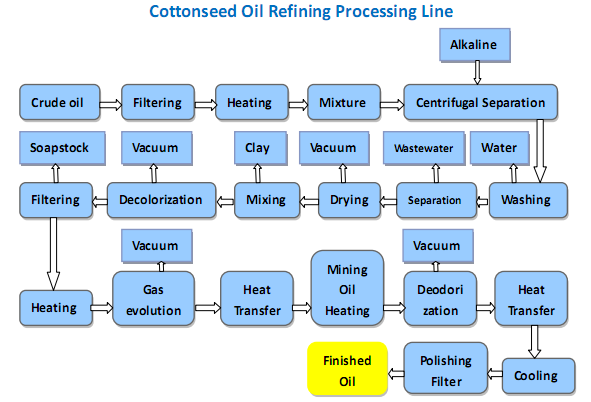
Elevated cloud points or wax residues often stem from suboptimal crystallization conditions—especially improper cooling rates or inadequate seed crystals leading to inconsistent wax separation. Adjusting crystallization temperatures between 5-15°C, maintaining uniform cooling ramps, and optimizing stirring can drastically improve wax removal.
Selection of filtering media with finer porosity enhances wax retention but must balance throughput and avoid excessive pressure drops. Solvent recovery efficiency also impacts acid values and color clarity; improving solvent regeneration can reduce residual impurities.
Implementing a closed-loop quality feedback mechanism involves continuous data capture on these indicators, linked to process controls and corrective actions. Such integration supports proactive management, minimizing product recalls and maintaining compliance with food safety regulations.
Quality assurance extends beyond single-point inspection. Utilizing digital data tracking tools to log ASTM-based test results enables longitudinal analysis of process trends. Dashboards highlighting shifts in acid value or flowability prompt early interventions, reducing waste and enhancing yield.
Cross-functional collaboration—linking lab analytics with production and R&D—fosters iterative process refinement, aligning with international standards and consumer expectations. This systemic approach is vital as regulatory scrutiny intensifies globally.