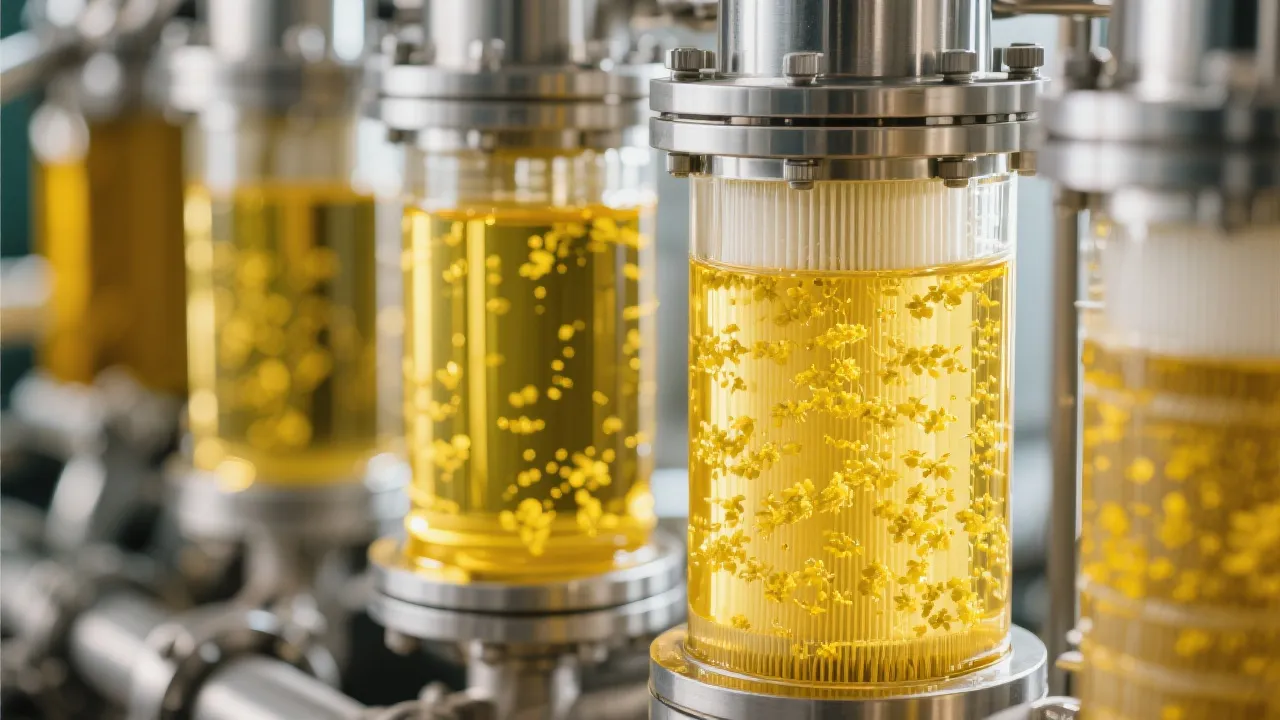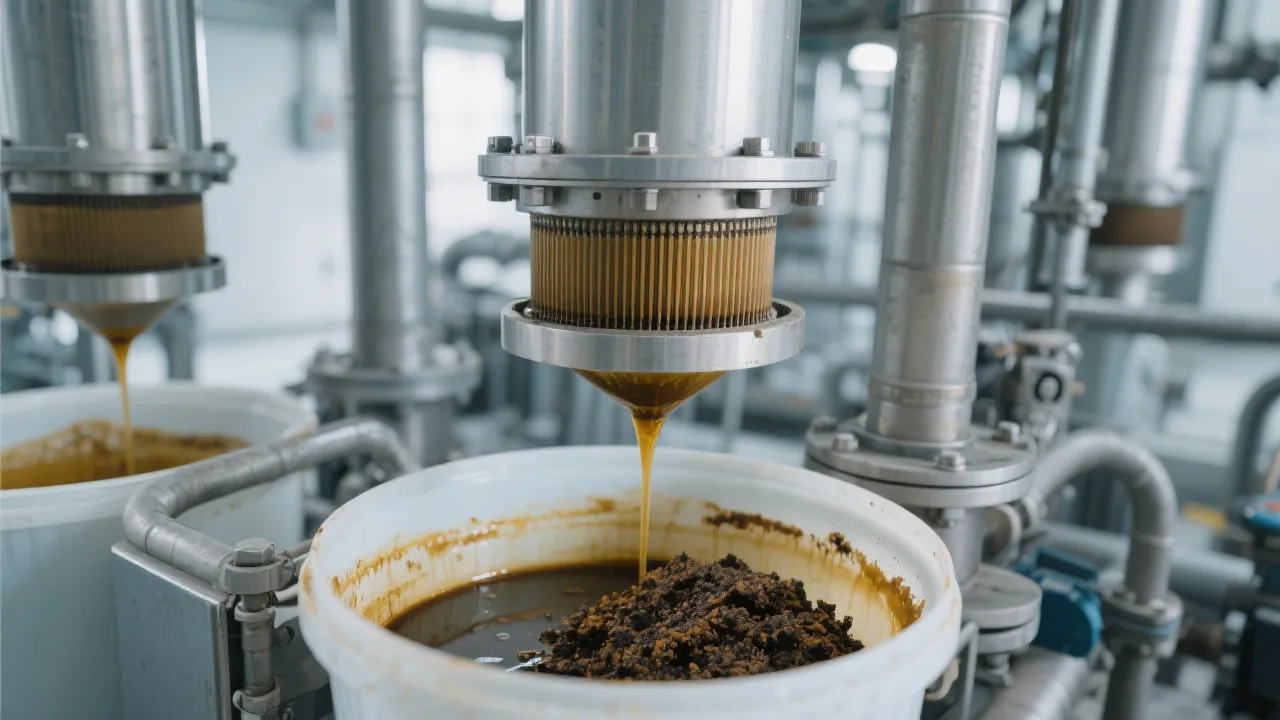

If you're managing an edible oil refining line—especially with soybean or rapeseed oil—you know that de-gumming is the critical first step that determines both yield and final quality. Skipping this phase or mismanaging it can lead to downstream issues like emulsification, filtration problems, or even regulatory non-compliance.
Phospholipids are naturally present in crude oils at levels ranging from 0.1% to 1.5%, depending on the source. If not removed effectively during de-gumming, these compounds cause:
The goal? Remove >95% of phospholipids without losing valuable triglycerides—a balance only achievable through precise control of three core variables: temperature, pH, and agitation speed.
| Parameter | Water De-gumming | Acid De-gumming |
|---|---|---|
| Best For | Soybean, sunflower, canola | High-phosphorus oils (e.g., cottonseed) |
| Typical Temperature Range | 55–65°C | 60–70°C |
| pH Adjustment | Neutral to slightly acidic (pH 4.5–6.0) | Strong acid (pH 2.0–3.0) |
| Mixing Speed | 50–100 RPM | 100–150 RPM |
Here’s what often goes wrong—and how to fix it fast:
| Issue | Likely Cause | Corrective Action |
|---|---|---|
| Oil appears cloudy after de-gumming | Too low a temperature (<50°C) or poor mixing | Increase temp to 60–65°C, verify mixer performance |
| Two-phase separation fails (oil/water doesn’t clear) | Incorrect pH adjustment or excessive water addition | Check pH with calibrated meter; reduce water by 5–10% |
These aren't hypotheticals—they’re daily challenges faced by refineries worldwide. What separates successful operations from those struggling? It's not just equipment—it’s process intelligence.
“Choosing the right de-gumming parameters isn’t about following a manual—it’s about understanding your oil’s behavior under real conditions.”
Whether you're optimizing an existing setup or launching a new plant, getting this step right sets the foundation for consistent output, fewer rejects, and higher customer satisfaction.
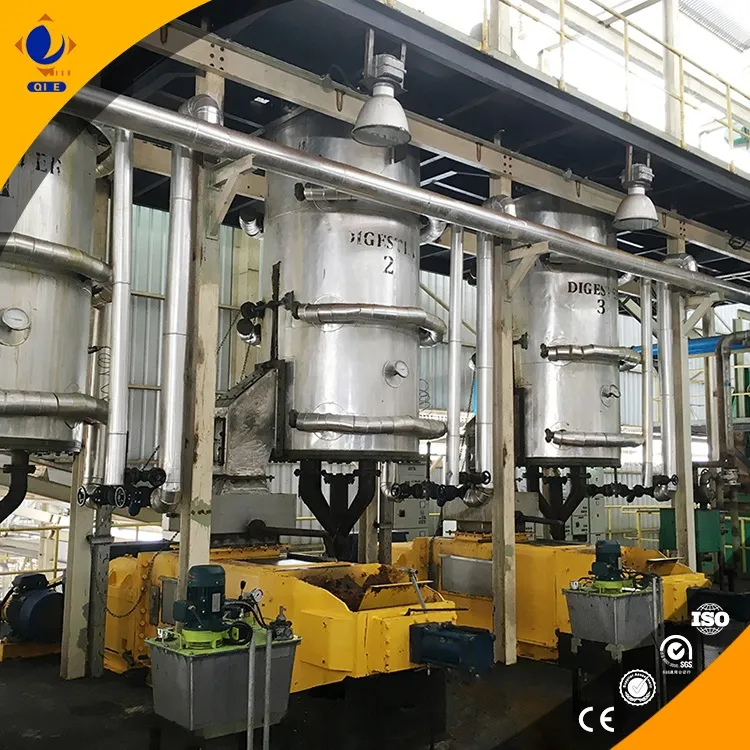
Choose QIE Group Equipment — Precision Process Support, Reliable Output