
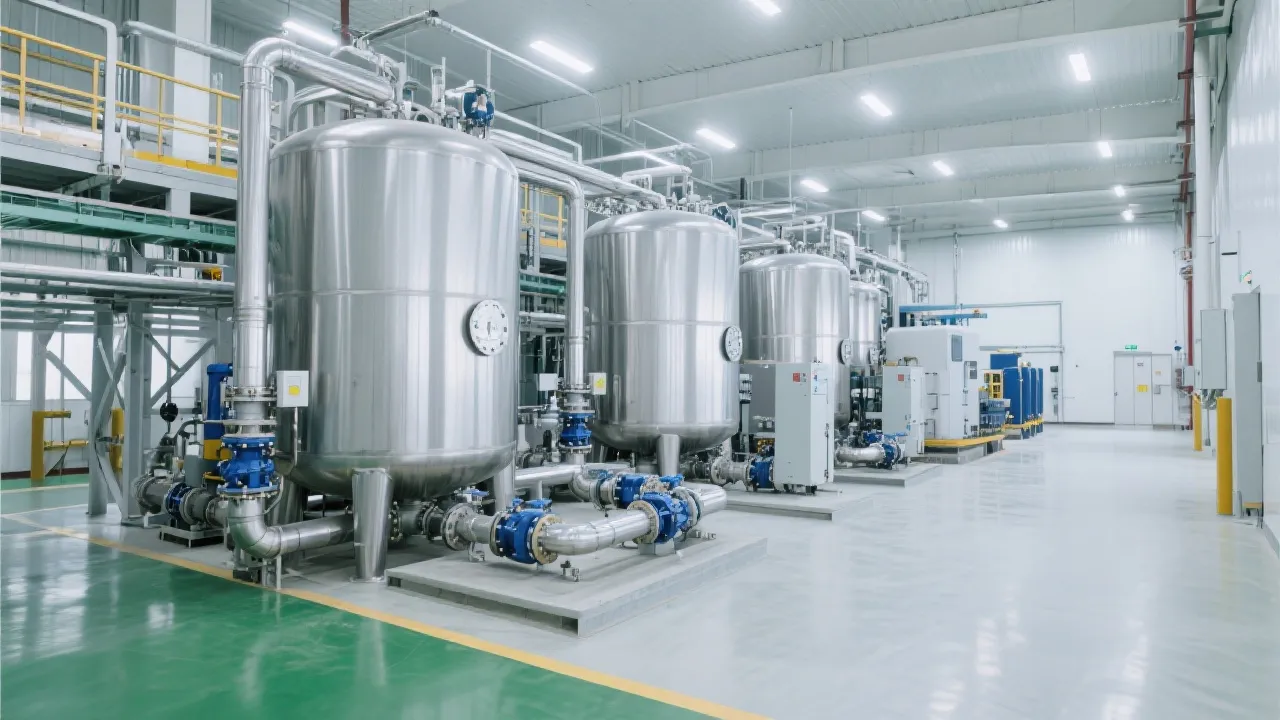
Phospholipids are among the most common impurities in crude vegetable oils, and their incomplete removal during the degumming stage can significantly reduce the efficiency of subsequent bleaching processes—often increasing clay consumption by up to 20–30% in real-world operations.
In a typical edible oil refining chain, degumming serves as the first critical purification step. If phospholipids remain in the oil after this stage, they act like "sponge-like" contaminants that bind with bleaching earth (activated clay), reducing its active surface area. According to a 2022 study from the International Journal of Food Engineering, untreated phospholipids increase bleaching agent usage by an average of 25%, while also raising steam consumption in the deodorization phase due to increased water retention.
| Process Step | Impact of Poor Degumming | Typical Solution |
|---|---|---|
| Degumming | Residual phospholipids > 100 ppm | Optimize pH (4.0–4.5) + controlled temperature (60–70°C) |
| Bleaching | Clay consumption ↑ 20–30% | Pre-treatment with acid or enzymatic degumming |
| Deodorization | Steam usage ↑ 15–20% | Implement automated moisture sensors |
A mid-sized refinery in São Paulo experienced consistent bleaching inefficiencies despite using high-quality clay. After analyzing the process, engineers discovered that the degumming unit had been operating at pH levels above 5.0 due to inconsistent feedstock quality. This led to poor phospholipid coagulation—resulting in visible gum particles in the oil stream and excessive clay usage. Once adjusted to optimal conditions (pH 4.2, temp 65°C), clay consumption dropped by 27% within two weeks.
The choice between water degumming and acid degumming depends on your feedstock type and target product quality. Water degumming is cost-effective for low-phosphorus oils (like palm or sunflower), while acid degumming works better for soybean or rapeseed oil where phospholipid content exceeds 300 ppm. Both methods benefit from precise control of temperature, mixing intensity, and settling time—parameters often overlooked in manual systems.
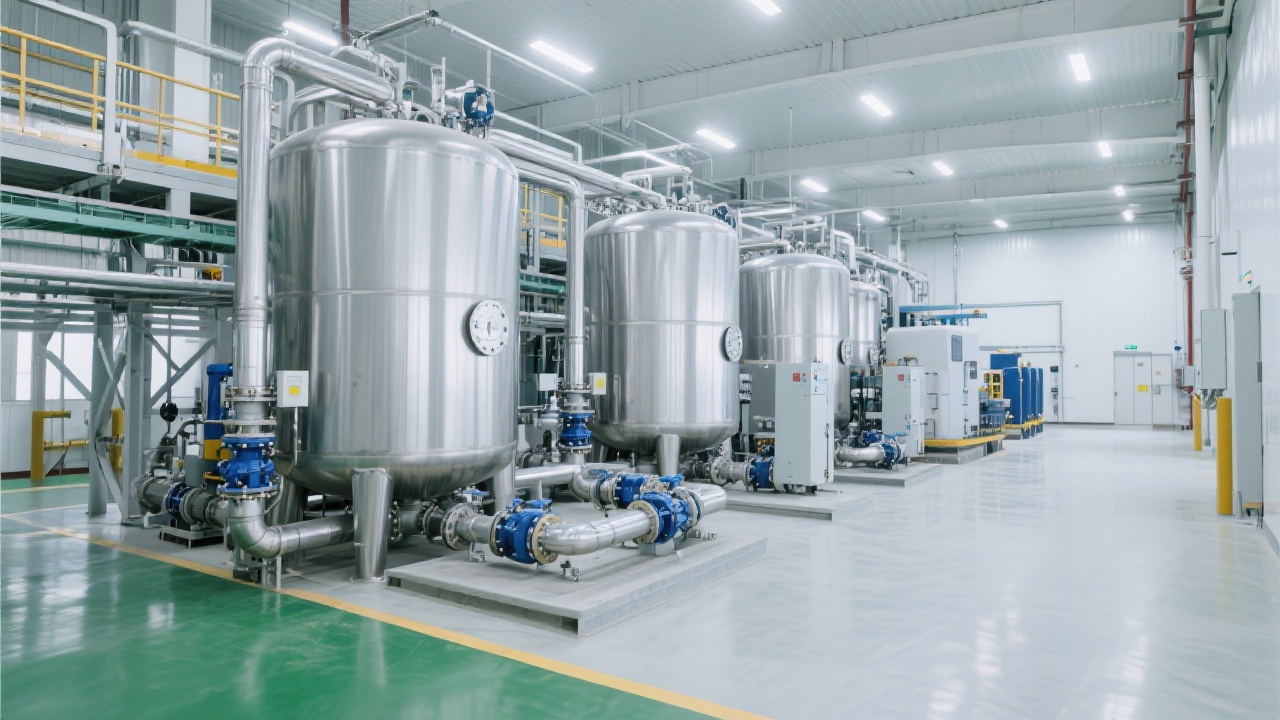
Modern refineries increasingly adopt automated control systems—not just for compliance, but for stability. Real-time monitoring of pH, liquid level, and temperature allows immediate correction before batch deviation occurs. One case study from a Chinese olive oil processor showed a 15% reduction in rework rates after integrating PLC-based feedback loops into their degumming tanks.
If you're facing recurring issues with bleaching efficiency or unexpected increases in chemical costs, it may be time to revisit your degumming strategy—not just as a technical step, but as a strategic lever for overall yield optimization.


 <#else>