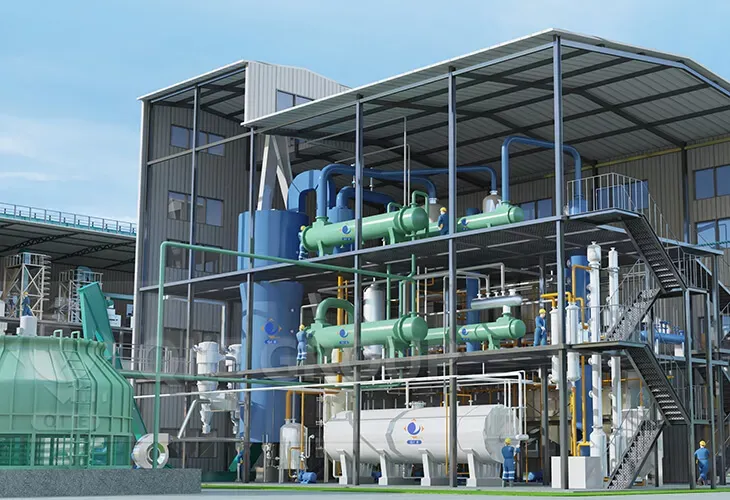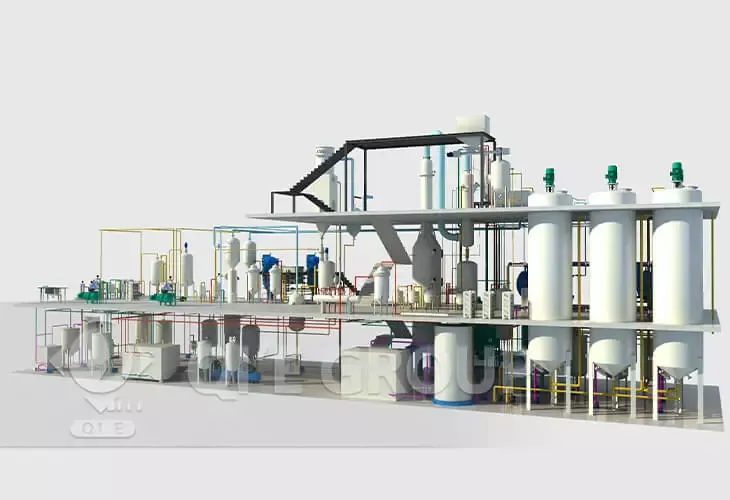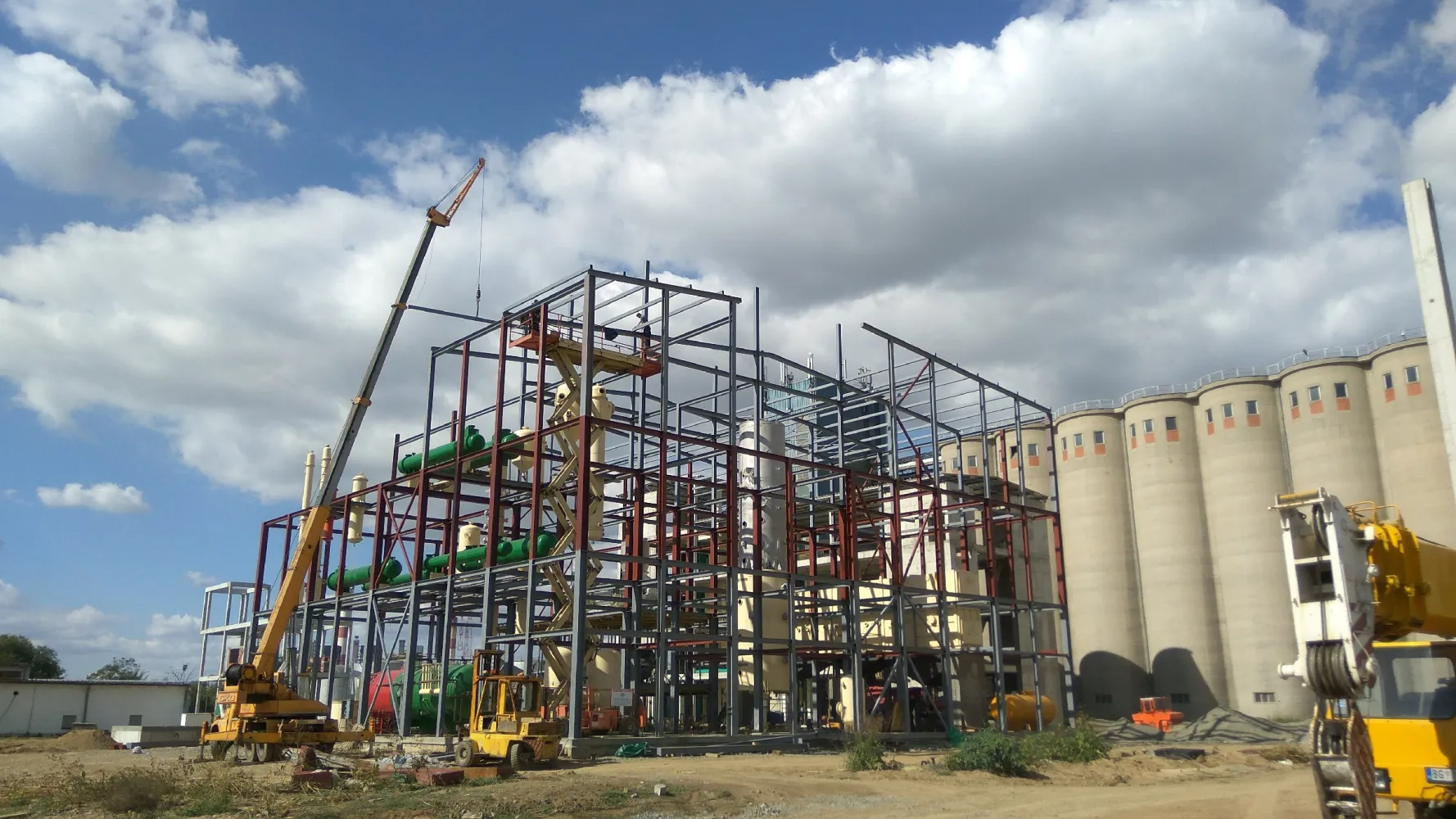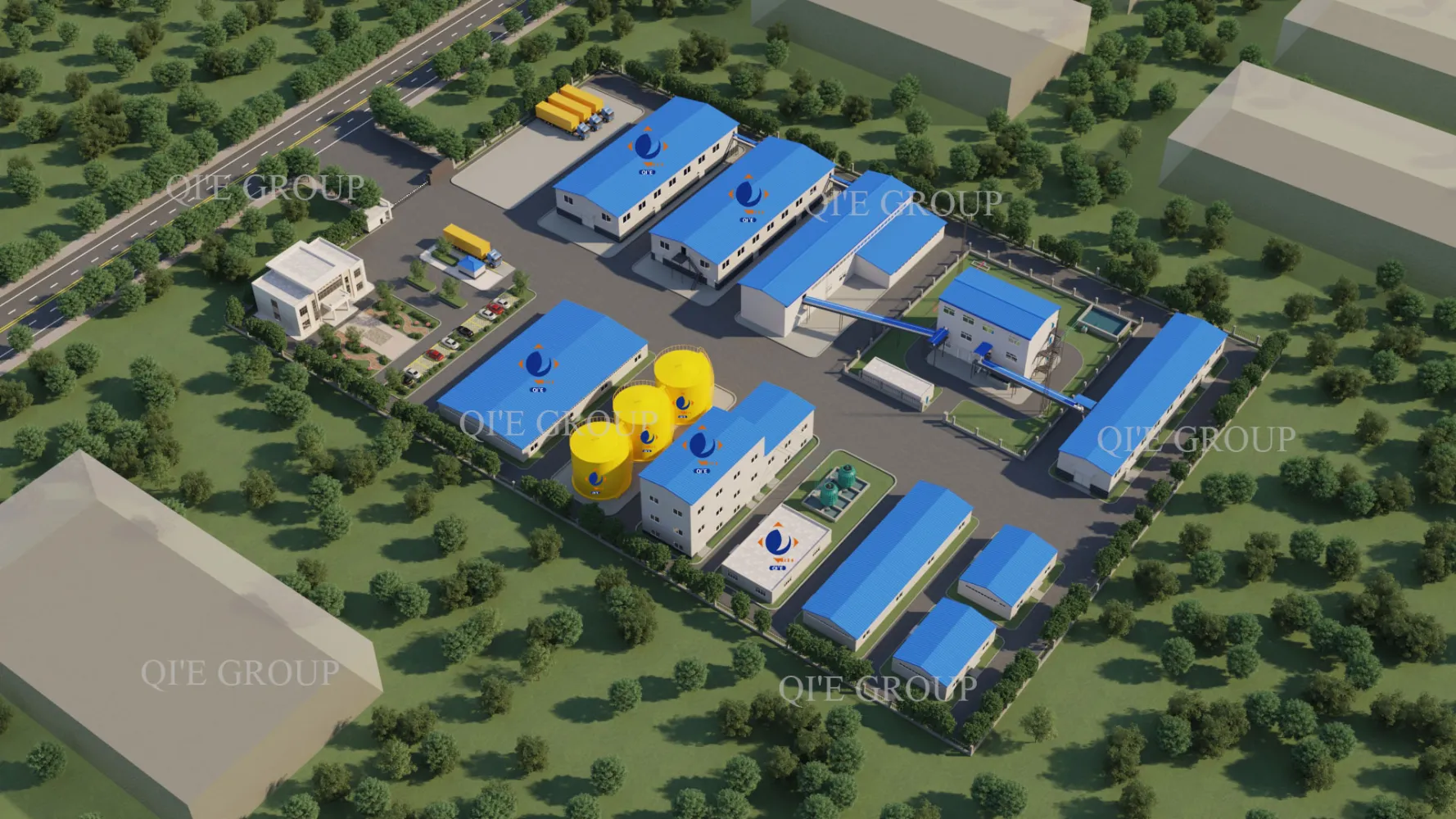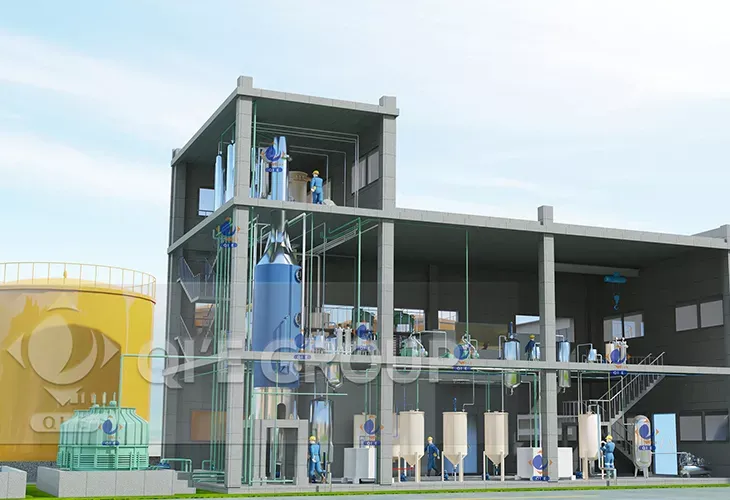

In the edible oil refining process, dehydration (or dephosphorization) is often overlooked—but it’s the foundation for everything that follows. A poorly executed dehydrating step can lead to a cascade of inefficiencies downstream: excessive bleaching agent usage, increased steam consumption during degumming, and even premature equipment wear.
According to industry data from the International Olive Council, up to 40% of refineries report inconsistent quality in final products due to suboptimal phospholipid removal in the initial stage. This isn’t just about yield—it’s about consistency, compliance, and profitability.
| Issue | Impact on Process | Typical Cause |
|---|---|---|
| Excess Bleaching Agent Usage | +15–30% chemical cost increase per batch | Residual phospholipids act as adsorption sites |
| High Steam Consumption | Up to 20% more energy used in distillation | Moisture retention increases boiling point |
| Equipment Scaling | Frequent maintenance downtime (avg. 8 hrs/month) | Phosphoric acid salts form hard deposits |
These aren’t isolated incidents—they’re symptoms of one core problem: inadequate phospholipid removal. When water is added to crude oil, phospholipids hydrate and swell, forming emulsions that resist separation unless properly managed. If pH or temperature deviates by even 0.5 units, the efficiency drops significantly—often without visible signs until downstream costs spike.
A mid-sized soybean oil refiner in Brazil experienced rising bleaching agent costs despite no change in raw material quality. After analyzing their process logs, engineers discovered that the dehydration unit operated at an average pH of 5.8 instead of the optimal range of 4.5–5.0. This small deviation caused incomplete hydration, leaving behind 12% more phospholipids than expected.
Once they adjusted the pH control system using automated sensors and introduced a two-stage centrifugal separation, not only did the bleaching agent usage drop by 27%, but the steam consumption during the next stage decreased by 18%. The plant also saw a 40% reduction in cleaning cycles for heat exchangers over six months.
The shift from reactive troubleshooting to proactive monitoring is now a competitive necessity—not a luxury. In fact, plants that adopted smart automation in 2023 reported a 35% improvement in overall throughput stability, according to a FOODTECH Insights survey of 120 global refineries.
If you're looking to eliminate unnecessary variability in your edible oil refining line—or simply want to know how to avoid wasting chemicals and energy—your next step should be clear.
Optimize Your Dehydration Process Today — Get Our Free Technical Checklist