
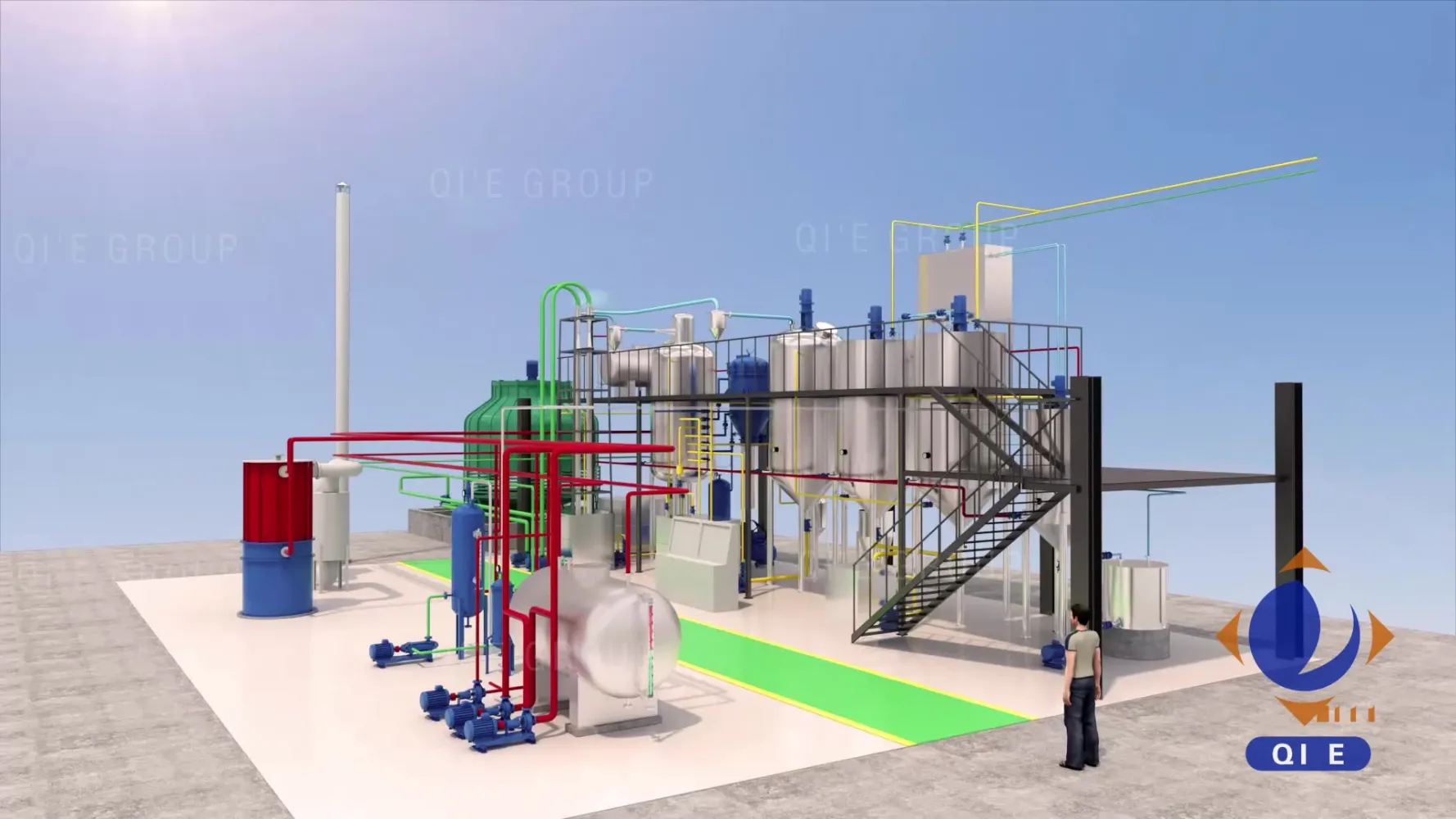
In the edible oil refining process, de-gumming is often treated as a preliminary step—but it’s actually the cornerstone that determines whether your downstream operations (neutralization, bleaching, and deodorization) run smoothly or not. According to industry data from the International Society of油脂 Chemists (ISOC), over 60% of refineries report increased operational costs due to incomplete phospholipid removal in crude oil.
Phospholipids are natural emulsifiers in crude oil. If left behind after de-gumming, they can cause serious issues:
A case study from a South Asian palm oil refinery revealed that poor mixing during de-gumming caused inconsistent hydration. Their moisture content varied between 0.8% and 2.5%, leading to unpredictable results. The result? A 30% spike in filter press downtime and a 12% drop in yield over three months.
| Method | Pros | Cons |
|---|---|---|
| Water Hydration | Low cost, widely used | Sensitive to temperature & pH |
| Acid Treatment | More consistent under controlled conditions | Higher chemical cost, requires neutralization |
The key takeaway? Success lies in precise control—not just of chemistry, but of process parameters like pH (ideal range: 4.2–4.8), temperature gradients (typically 50–65°C for hydration), and mechanical mixing intensity.
“De-gumming isn’t just about removing gums—it’s about setting the stage for predictable performance across the entire refining line.” — Dr. Lena Zhang, Senior Process Engineer at Global AgriTech Solutions
Modern refineries are moving toward automation. Installing real-time pH and temperature sensors with PLC-based control systems has helped some plants reduce variability in de-gumming outcomes by over 70%. This shift—from experience-driven to data-driven—is no longer optional; it's essential for competitiveness.
Whether you're struggling with inconsistent yields, rising chemical costs, or equipment wear, our team at Qingnian Group specializes in turning these challenges into opportunities—with tailored solutions based on your specific oil type, equipment setup, and production goals.
Get Your Customized De-gumming Audit Today
 <#else>