Advanced Edible Oil Dewaxing: Enhancing Transparency and Digestibility through Low-Temperature Crystallization

01 01,2026
QI ' E Group
Technical knowledge
This article provides an in-depth exploration of edible oil dewaxing processes, focusing on how advanced low-temperature crystallization (winterization) techniques improve oil transparency and digestibility. Key operational parameters—such as cooling rate, stirring intensity, and solvent ratio—are thoroughly analyzed for their impact on wax separation efficiency. The discussion includes differentiated dewaxing strategies for various oil types like soybean and sunflower oils. Practical troubleshooting tips and case studies backed by data underline methods to stabilize production and enhance product quality. Designed for grain and oil industry professionals, this guide offers actionable insights to optimize processing workflows and guarantee consistent performance.

Unlocking Clarity and Digestibility: A Deep Dive into Edible Oil Dewaxing Technologies

Edible oil quality is closely tied to its clarity and digestibility, two factors largely influenced by wax content. As global demand for premium edible oils rises, exporters face the pressing challenge of enhancing oil transparency and consumer health benefits. Dewaxing, also known as winterization, offers a pivotal solution by removing high-melting-point waxes and impurities through controlled low-temperature crystallization. This article explores the critical parameters shaping dewaxing efficiency to optimize oil clarity and digestibility, underpinned by hands-on industrial insights.

Understanding Dewaxing and Its Role in Edible Oil Quality

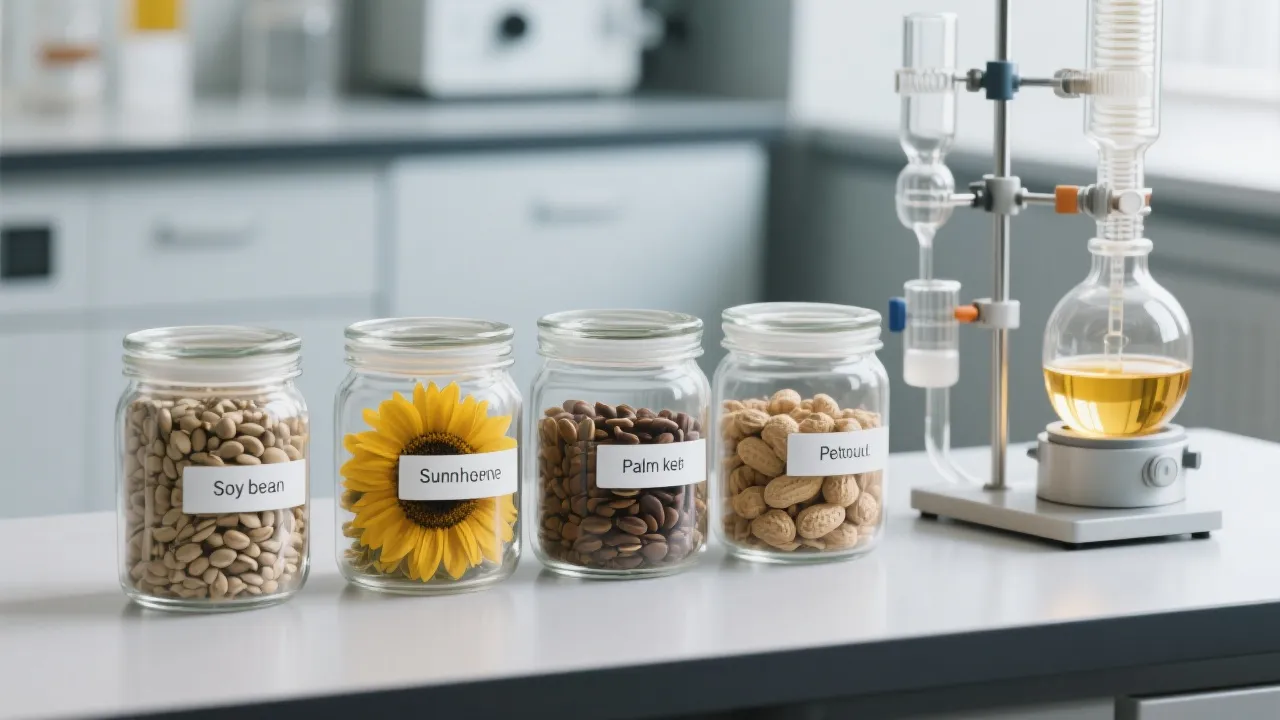
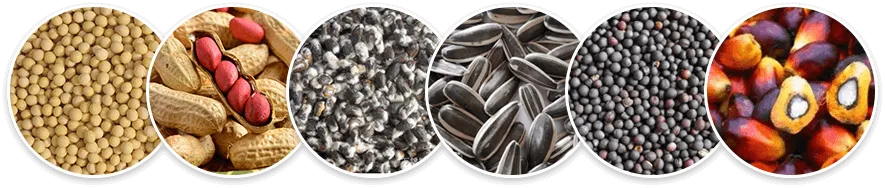
Dewaxing is a physical refining process designed to reduce wax, sterol, and other high-melting impurities that cause turbidity and digestive issues. Common in oils like soybean, sunflower, and corn oil, the technique improves cold stability and transparency, meeting international export standards and consumer expectations.
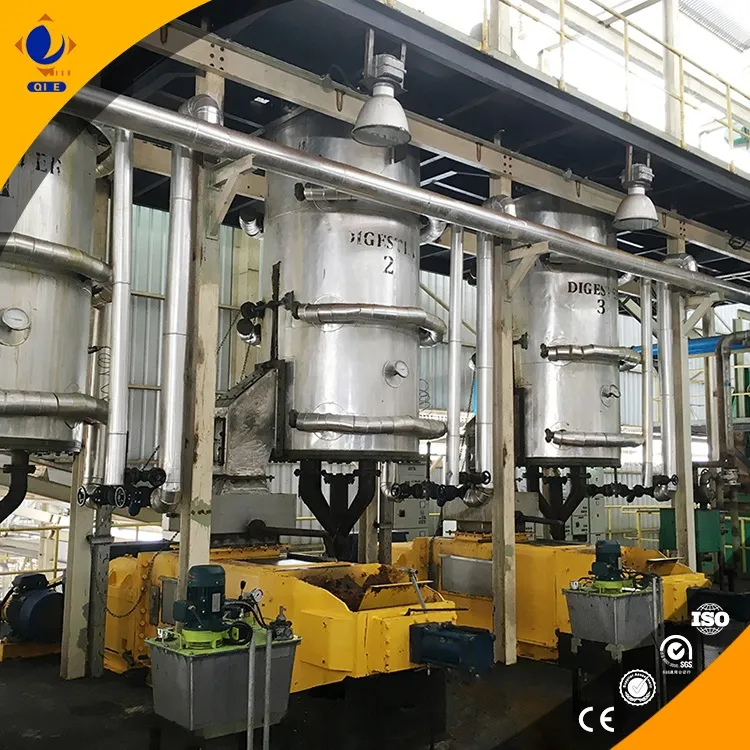
At its core, dewaxing uses low-temperature crystallization to precipitate wax crystals, which are then separated through filtration. The process demands precise control of key factors to maximize wax removal while conserving valuable triglycerides.

Key Process Parameters Impacting Dewaxing Efficiency

1. Cooling Rate

The rate at which oil temperature is lowered critically influences the size and purity of wax crystals:

  • Slow Cooling (0.5-1°C/hour): Promotes formation of larger, well-defined crystals that are easier to filter, but prolongs process time.
  • Rapid Cooling (above 5°C/hour): Leads to numerous smaller crystals, reducing separation efficiency and increasing oil losses.

Industry-standard practice targets a cooling rate of approximately 1-2°C/hour to balance crystal growth and throughput, minimizing wax residues to below 2 mg/kg for export-grade oils.

2. Agitation Intensity

Proper mixing ensures uniform temperature distribution, fostering consistent crystallization:

  • Moderate stirring speeds (~50-100 rpm for industrial vessels) facilitate homogeneous crystal growth without breaking crystals.
  • Overly vigorous stirring can shear wax crystals, forming slurries that clog filters and reduce filtration efficiency.

3. Solvent-to-Oil Ratio

Solvent winterization uses volatile agents (e.g., acetone or MEK) to enhance dewaxing, especially for oils with high wax content:

  • Typical solvent ratios range from 1:3 to 1:5 (solvent to oil by volume), optimized per oil type.
  • Too low solvent content results in incomplete wax removal; excessive solvent increases costs and solvent recovery challenges.

Tailoring Dewaxing Strategies for Different Edible Oils

Each edible oil exhibits unique wax profiles and crystallization behaviors, necessitating customized approaches:

  • Soybean Oil: Moderate wax content; benefits from controlled slow cooling and medium agitation. Dewaxing efficiency typically achieves transparency improvements of 30-40%, with digestibility indices rising by 10-15% post-treatment.
  • Sunflower Oil: Higher wax content demands solvent dewaxing combined with extended crystallization times to reach target clarity. Achieves downstream filtration rates above 95% and wax content reduction under 1.5 mg/kg.

Understanding these traits allows processors to fine-tune parameters for maximum quality gain while minimizing oil yield loss.

Troubleshooting Common Dewaxing Challenges

Production stability is impacted by several recurring issues that require proactive management:

  • Incomplete Wax Separation: Often caused by overly fast cooling or insufficient agitation. Solution involves adjusting cooling profiles and stirrer calibration.
  • Filter Clogging: Results from small, fragmented wax crystals or poor solvent removal. Remedy by optimizing agitation speed and improving solvent recovery systems.
  • Quality Variability: Linked to raw oil wax fluctuations; regular wax content testing and batch adjustments ensure consistent product.

Data-Driven Insights & Case Examples

An extensive review of processing data from a mid-sized soybean oil mill showed that optimizing cooling from 3°C/hour to 1.5°C/hour reduced wax residuals by 35%, enhancing visual transparency scores from 85% to 95% in standardized testing.
Another sunflower oil processor integrated solvent winterization with a 1:4 solvent-to-oil ratio, boosting filtration throughput by 20% and reducing downtime linked to filter cleaning by 40% over six months.

For professionals seeking tailored guidance on perfecting edible oil dewaxing operations or exploring innovative crystallization techniques, your questions and insights are welcome. Connect with experts to advance your production process and ensure your export oils meet the highest standards.

Discover Customized Edible Oil Dewaxing Solutions
Name *
Email *
Message*

Recommended Products

Popular articles
Recommended Reading

Related Reading

Contact us
Contact us
img
https://shmuker.oss-cn-hangzhou.aliyuncs.com/tmp/temporary/60ec5bd7f8d5a86c84ef79f2/60ec5bdcf8d5a86c84ef7a9a/thumb-prev.png