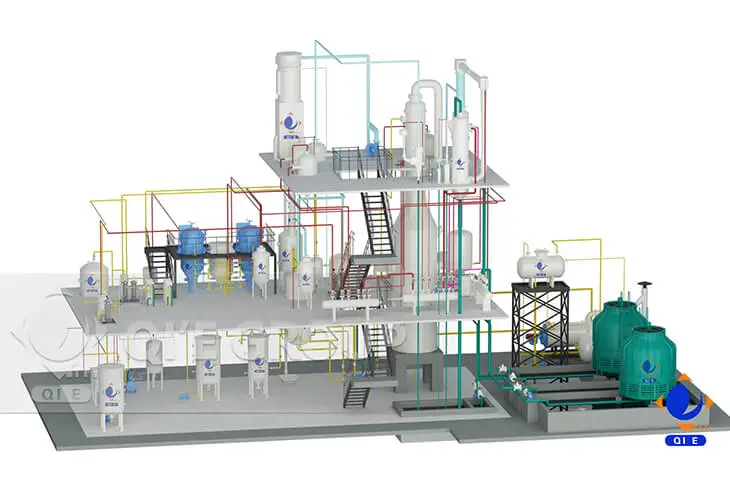
Have you ever faced the headache of high wax residue in your edible oil production, which affects the transparency and digestibility of the oil and reduces its export quality? You're not alone. Many edible oil manufacturers struggle with these issues in their daily production. But don't worry, this guide will help you understand and optimize the edible oil dewaxing process to improve your product quality and competitiveness.
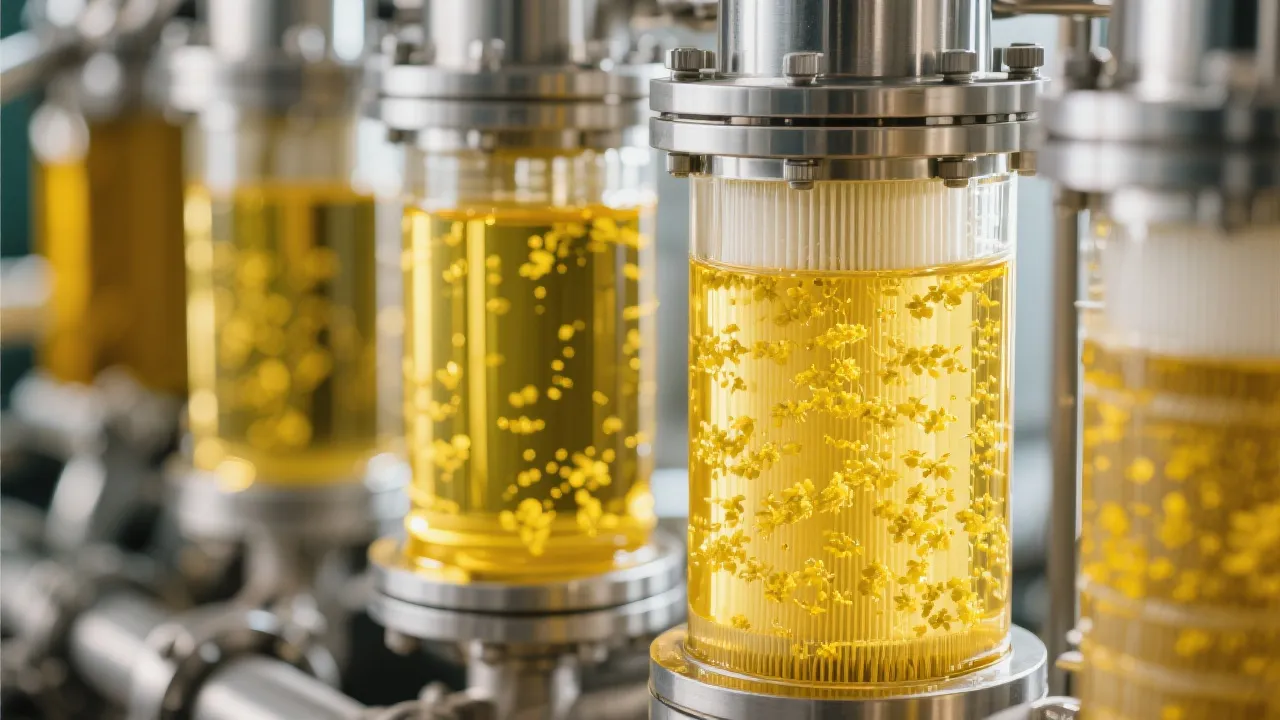
Let's start by demystifying the low-temperature crystallization, also known as winterization. Think of it like making ice cubes. When you put water in the freezer, the water molecules slow down and start to form a solid structure, which is ice. Similarly, in the edible oil dewaxing process, by lowering the temperature, the wax molecules in the oil slow down and form crystals. These wax crystals can then be separated from the oil, reducing the wax content.
Several factors play crucial roles in the wax crystal formation and separation process. Let's take a closer look at them:
To better understand these relationships, you can create a parameter对照表 (table) showing the different values of cooling rate, stirring intensity, and solvent ratio and their corresponding effects on wax separation efficiency.
Different types of oils, such as soybean oil and sunflower oil, have different characteristics. For example, soybean oil has a relatively higher wax content compared to sunflower oil. Therefore, when dewaxing soybean oil, you may need a lower cooling rate and a higher solvent ratio to achieve better wax separation. On the other hand, sunflower oil may require a slightly higher stirring intensity to ensure uniform cooling and crystal formation.
Let's now look at some common problems in the edible oil dewaxing process and how to solve them:
If you find that the wax residue in your final product is too high, you can follow these steps to troubleshoot:
High oil loss can be a significant concern. Here's how you can address it:
Many edible oil manufacturers have successfully optimized their dewaxing processes using the methods mentioned above. For example, a company was struggling with high wax residue in their soybean oil production. By adjusting the cooling rate from 1.5°C per hour to 0.8°C per hour and increasing the solvent ratio from 1:1 to 1:2, they were able to reduce the wax residue by 50% and significantly improve the transparency of their oil.
If you're facing challenges in your edible oil dewaxing process and need customized support, don't hesitate to contact QIE Group. Our experts are ready to help you optimize your process and enhance your product quality.
We'd love to hear about your experiences and challenges in the edible oil dewaxing process. Leave a comment below and let's start a conversation!