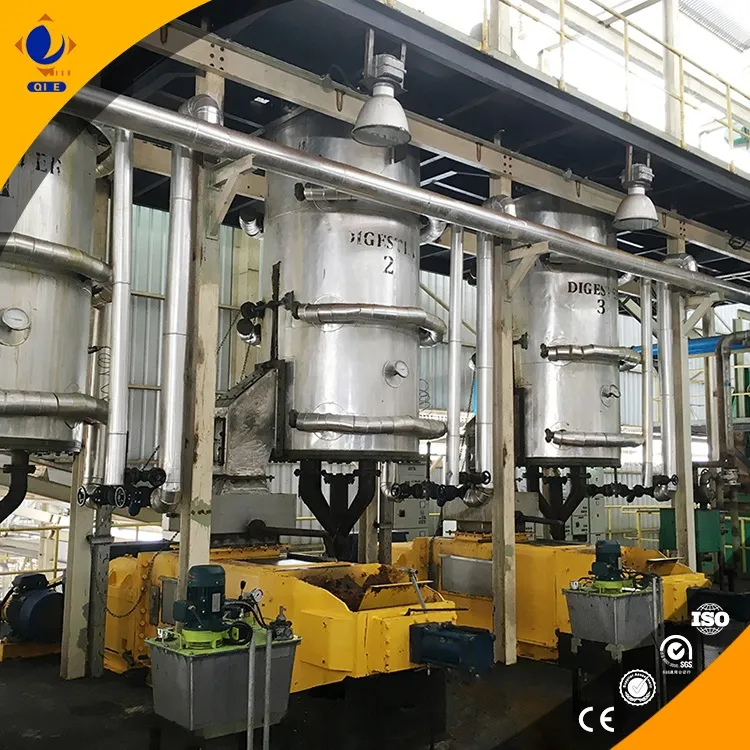
When optimizing edible oil quality, dewaxing is a critical refining step that significantly influences oil transparency and digestibility. This article walks you through the low-temperature crystallization principle underpinning dewaxing, then zeroes in on the three core parameters—cooling rate, stirring intensity, and solvent ratio—that determine wax separation efficiency. Drawing from real-world experiences with soybean and sunflower oils, it offers actionable troubleshooting strategies to help you reduce wax residues without sacrificing yield.
Dewaxing improves edible oil clarity by removing waxy compounds that increase turbidity and can interfere with digestion. Through controlled cooling (commonly between 0.5°C and 1.5°C per minute), wax crystals selectively precipitate out. These crystals are then separated mechanically, typically by filtration or centrifugation. The proper control of this low-temperature crystallization step directly correlates with a reduced cloud point and improved bioavailability of the final oil product.
Industry data shows that maintaining a cooling rate within 0.8–1.2°C/min, combined with moderate stirring speed (~100 rpm), typically yields the best wax crystal size distribution for efficient separation with minimal oil loss.
Oils differ in their wax composition and crystallization traits. Soybean oil often requires slower cooling due to its higher saturated wax content, necessitating a fine balance to avoid residual wax. In contrast, sunflower oil's lower wax content allows faster processing but is more sensitive to solvent ratio changes.
Adapting dewaxing parameters tailored to each oil improves yield and product stability. For example, adjusting solvent proportions by ±2–3% based on batch analysis can decrease wax residual by up to 20% without increasing oil losses.
A mid-sized soybean oil refinery implemented incremental adjustments in their dewaxing setup. By stabilizing cooling to 1.0°C/min and fine-tuning their solvent ratio to 12%, they saw wax residue drop from 0.25% to 0.1%, alongside a 1.5% increase in oil yield. Their operators applied gradual stirring ranging between 90–110 rpm depending on batch analytics, which improved filter longevity and throughput.
These results underscore the importance of calibrated control, not only adhering to industry guidelines but leveraging batch-specific parameters to address variability in raw material quality.
Mastering dewaxing requires continuous monitoring of key parameters and a readiness to apply iterative improvements. Incorporate sensor data on cooling curves, torque during stirring, and solvent feed rates into your routine quality control to preempt common issues.
If you encounter challenges with edible oil dewaxing or want to share your experience, feel free to leave a comment below or send a private message for customized support.