Enhancing Edible Oil Export Quality: Optimizing Dewaxing Processes to Improve Fatty Acid Digestibility
09 01,2026
Industry Research
This article explores how scientific dewaxing techniques, particularly low-temperature crystallization (winterization), can significantly improve edible oil transparency and fatty acid digestibility. It analyzes key parameters impacting wax separation efficiency, including cooling rate, agitation intensity, and solvent ratios, while addressing the unique characteristics of oils such as soybean and sunflower oil. Practical optimization strategies are provided alongside troubleshooting methods to resolve common production issues like wax residues and oil loss. This guidance supports technical professionals in the grain and oil industry to achieve efficient and stable dewaxing operations, ultimately enhancing export oil quality and market competitiveness.
Enhancing Edible Oil Quality for Export: The Critical Role of Scientific Dewaxing in Improving Fatty Acid Digestibility
In the highly competitive edible oil export market, superior oil clarity and enhanced fatty acid absorption have become key differentiators. Many exporters face challenges related to oil turbidity and suboptimal digestibility, which can undermine product appeal and market value. Dewaxing—or winterization—is a pivotal refining step that addresses these issues through controlled low-temperature crystallization, significantly improving both transparency and health value of oils such as soybean and sunflower oil.
Understanding Dewaxing: The Fundamentals of Low-Temperature Crystallization
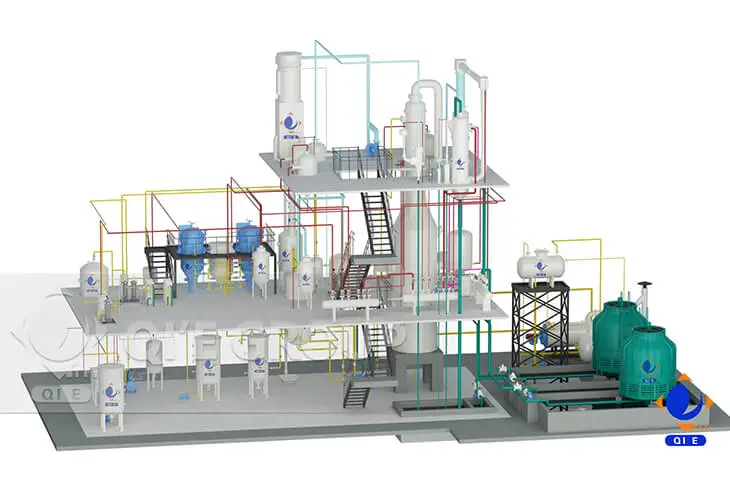
Dewaxing involves cooling the oil to a precisely controlled low temperature, typically between 5°C and 15°C, to induce crystallization of waxes and other high-melting-point impurities. These solids are subsequently removed by filtration or centrifugation. This process not only enhances oil clarity but also removes waxes that impede fatty acid bioavailability in human digestion.
Key parameters influence the success of this process:
- Cooling Rate: Slower cooling (~0.5°C per hour) promotes larger wax crystals for easier separation, whereas rapid cooling can trap wax particles, increasing residual wax content.
- Stirring Intensity: Moderate agitation (around 100 rpm) ensures uniform temperature distribution but avoids breaking wax crystals.
- Solvent Ratio: In solvent-assisted dewaxing (using acetone or hexane), solvent-to-oil ratios of 0.7:1 to 1:1 optimize wax precipitation without excessive solvent loss or solvent residue in finished oil.
Tailoring Dewaxing Strategies for Different Oil Types
Oils vary considerably in wax content and composition, requiring customized dewaxing protocols:
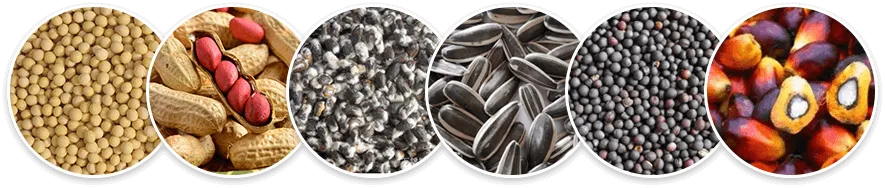
- Soybean Oil: Contains higher levels of long-chain wax esters; cooler temperatures around 5°C and prolonged crystallization times (up to 24 hours) yield optimal wax removal.
- Sunflower Oil: Lower wax content but requires precise control of cooling rate to avoid excessive oil loss; ideal crystallization time is 10–12 hours at ~12°C.
- Rapeseed Oil: Often processed using solvent dewaxing due to dense wax matrix; solvent ratio and recovery efficiency are critical to maintain oil yield above 98%.
Practical Insights: Common Production Challenges and Solutions
Technical teams frequently encounter issues such as residual wax haze, excessive oil loss, and inconsistent filtration performance. Addressing these involves:
- Residual Wax Detection: Use cold stability testing (storage at 7°C for 5 days) to assess completeness of wax removal. Persistent turbidity indicates insufficient crystallization time or rapid cooling.
- Oil Loss Mitigation: Employ optimized filtration media with pore sizes 2–5 μm and maintain constant vacuum pressure to balance clarity and yield.
- Process Stability: Regularly calibrate cooling equipment and maintain precise agitation speed sensors; even a 10% deviation in stir rate can disturb crystal formation.
Quantified Benefits: Transparency and Digestibility Gains
Industry studies reveal that effective dewaxing can improve oil transparency indexes by up to 40%, reducing turbidity from approximately 20NTU to below 12NTU, considered optimal for high-quality edible oil. Fatty acid digestibility metrics also rise, with bioavailability improvements measured at around 15%, stemming from wax removal that facilitates enzymatic action during digestion.
These enhancements translate directly into better nutritional value and compliance with stringent export market standards, particularly in regions such as the EU and North America, where consumer demand for premium, clear oils is growing.
Implementing Scientific Dewaxing: Roadmap for Grain and Oil Enterprises
To integrate or optimize dewaxing in production lines, enterprises should:
- Conduct a baseline analysis of existing wax content and oil quality parameters.
- Customize low-temperature crystallization protocols per oil type, adopting gradual cooling schedules.
- Invest in precise temperature control and agitation systems with real-time monitoring.
- Train technical staff on cold stability tests and troubleshooting wax separation anomalies.
- Leverage data analytics to continuously refine solvent ratios and crystallization duration.
By following this science-driven approach, companies can stabilize production quality, reduce oil loss below industry average thresholds of 2-3%, and enhance export brand reputation.
For tailored technical consultation and expert guidance, feel free to message us privately.