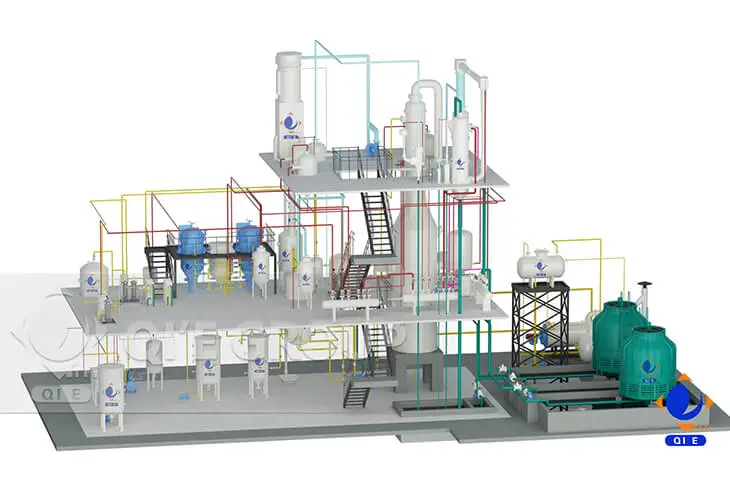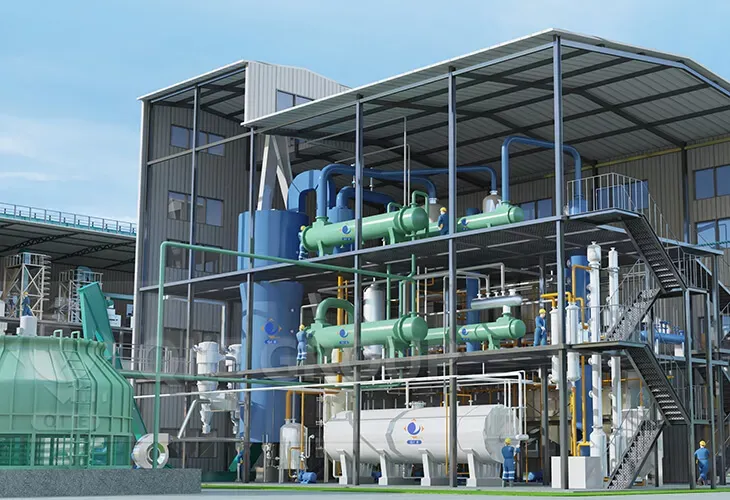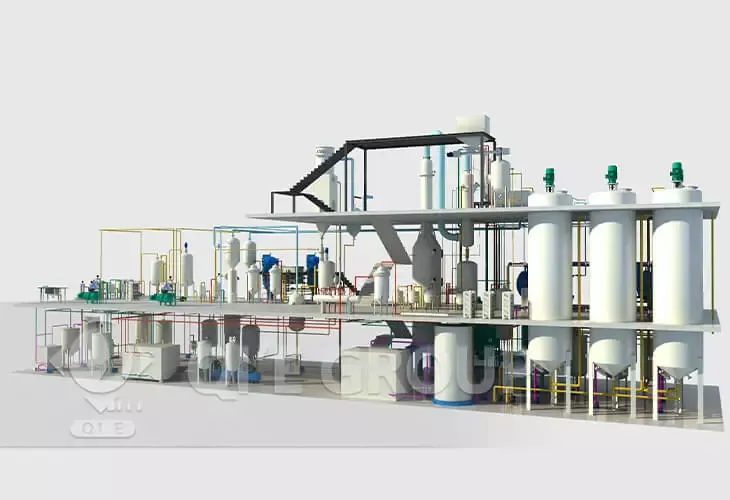

Selecting an edible oil processing line requires more than comparing equipment models. The right solution should match the raw material, required production capacity, oil quality objectives, processing method, energy and environmental requirements, automation level, and available technical support. Qi'e Grain and Oil Machinery Co., Ltd. provides edible oil processing equipment and customized production line solutions for soybean, palm kernel, sunflower, palm, and other vegetable oils.
A suitable edible oil processing line is selected by evaluating the complete production route—from seed preparation and pressing or extraction to crude oil refining, storage, and quality control. Raw material characteristics and target capacity should be confirmed before choosing individual machines, because they influence the process design, equipment configuration, operating conditions, and investment scope.
Different oil-bearing materials require different preparation and processing considerations. Soybean, rapeseed, sunflower seed, palm, palm kernel, and cottonseed can vary in oil content, moisture, impurities, wax content, and the refining treatment required after oil extraction.
The vegetable oil extraction process may use mechanical pressing, solvent extraction, or a combination of methods. The choice depends on the raw material, expected oil recovery, project scale, product requirements, and local operating conditions.
Oil-bearing material is processed through pressing equipment to separate oil from oil cake. This route may be considered for projects that prioritize a straightforward mechanical process or require a smaller-scale configuration.
Solvent extraction can be evaluated when the project requires an extraction process designed for larger-scale oil production. Its selection should account for plant layout, safety requirements, operating procedures, and applicable local regulations.
A combined pressing and extraction arrangement may be considered when the production plan requires a coordinated approach to oil recovery and by-product handling. The final configuration should be based on feedstock and capacity requirements.
Capacity should be calculated from the expected raw material supply, operating schedule, storage conditions, labor resources, and sales plan rather than selected only by the nominal output of a single machine. Qi'e edible oil refining equipment can be configured for capacities from 1 to 500 TPD, supporting different project scales and customized production requirements.
| Selection factor | Why it matters |
|---|---|
| Available feedstock | Determines whether the line can operate consistently at the planned capacity. |
| Target output | Helps define the required equipment size and the overall production line configuration. |
| Oil quality requirements | Influences the refining stages, process controls, and possible dewaxing or fractionation requirements. |
| Expansion plans | Allows the initial design to reserve practical options for future capacity or feedstock changes. |
Crude oil normally contains components that can affect color, flavor, stability, storage performance, and suitability for food processing. The refining system should therefore be selected according to the characteristics of the crude oil and the quality specification for the finished product.
Automation should be considered together with the process complexity, operator skills, control accuracy, and maintenance resources available at the plant. Temperature control is particularly important in processes such as deodorization, dewaxing, and fractionation.
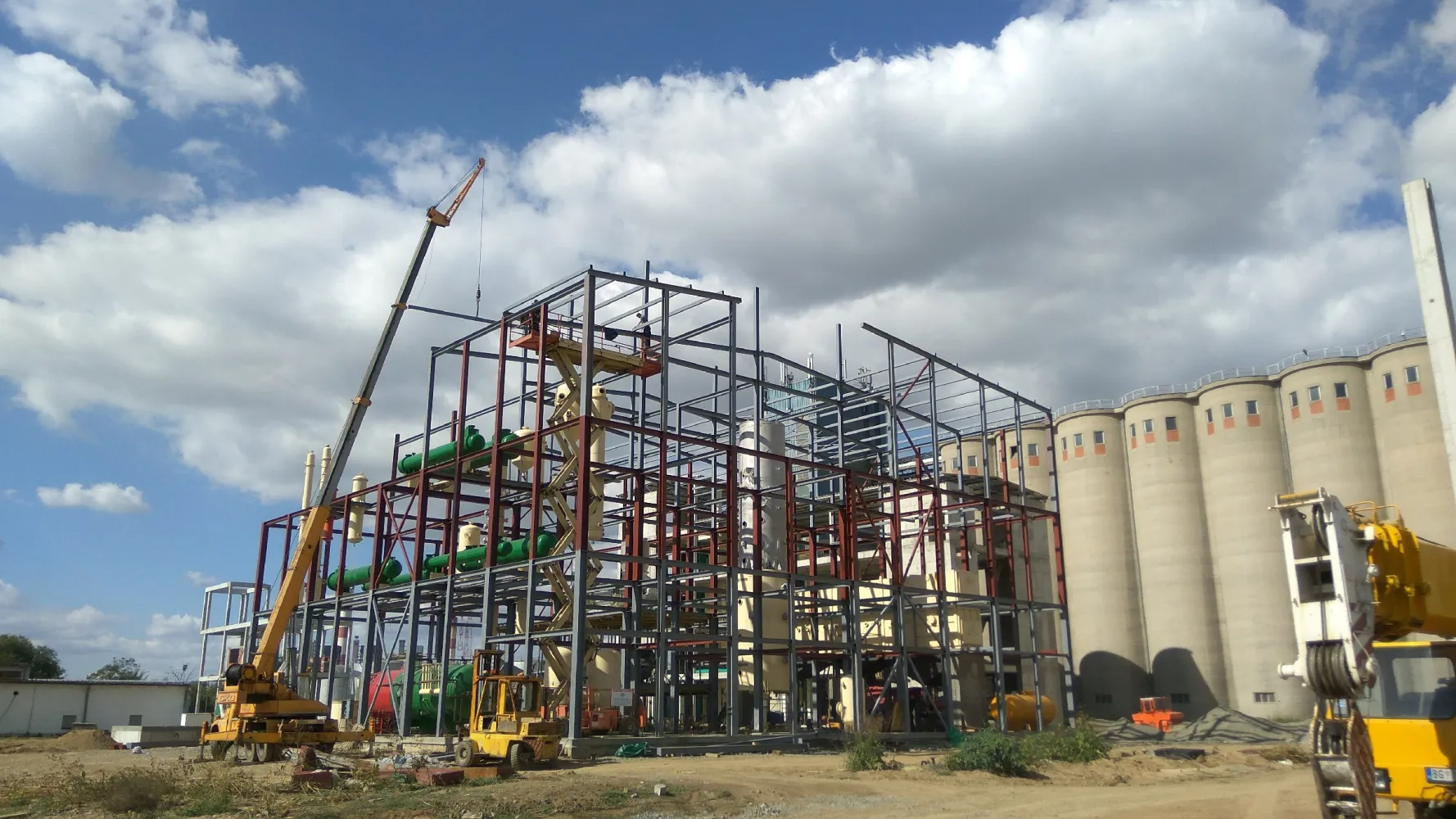
An edible oil processing line is a coordinated system rather than a collection of independent machines. Process design, equipment matching, installation, commissioning, operation guidance, and after-sales support all influence the practical performance of a project. Qi'e Grain and Oil Machinery Co., Ltd. provides equipment, production line design, installation support, technical service, and customized solutions for customers in Asia, Africa, South America, and other international markets.
Before requesting an edible oil processing line proposal, prepare the following information:
With clear information about raw materials, capacity, processing objectives, and site conditions, Qi'e Grain and Oil Machinery Co., Ltd. can help develop an edible oil processing line solution that is aligned with the project’s actual requirements. The company’s refining equipment is designed for diverse vegetable oils and can be configured from small-scale projects to production capacities of up to 500 TPD, with professional technical support throughout the project process.