This article systematically analyzes the crucial step in edible oil refining - the degumming process, with a focus on how to effectively remove phospholipids to enhance subsequent decolorization efficiency and overall refining quality. Starting from a failed degumming case, it explores the influence mechanism of impurities such as phospholipids on processes like neutralization, decolorization, and deodorization, and proposes practical technical improvement solutions such as pH value control, temperature adjustment, and the application of automated control systems.
In the entire edible oil refining process, the degumming step plays a vital role. A well - executed degumming process can significantly reduce the consumption of decolorizing agents in the subsequent decolorization process. For example, in some cases, ineffective degumming can lead to a 30% - 50% increase in decolorizing agent consumption. Table 1 below shows the comparison of decolorizing agent consumption under different degumming conditions:
| Degumming Condition | Decolorizing Agent Consumption (kg/ton of oil) |
|---|---|
| Effective Degumming | 3 - 5 |
| Ineffective Degumming | 5 - 8 |
Moreover, failed degumming can also cause problems such as equipment scaling and increased steam consumption. Equipment scaling can reduce the heat transfer efficiency of the equipment by about 20% - 30%, and the steam consumption can increase by 15% - 25%.
There are mainly two degumming methods: the hydration method and the acid method. The hydration method is based on the property that phospholipids are hydrophilic. By adding a certain amount of water, the phospholipids can absorb water and form aggregates, which can be separated from the oil. The key parameters of the hydration method include temperature, water content, and stirring intensity. Generally, the appropriate temperature for the hydration method is between 60 - 80°C, and the water content is about 2% - 5% of the oil weight.
The acid method is to add an appropriate amount of acid (such as phosphoric acid) to the oil. The acid can react with non - hydratable phospholipids to convert them into hydratable phospholipids, and then remove them through the hydration process. The key parameters of the acid method include acid dosage, reaction time, and temperature. Usually, the acid dosage is about 0.1% - 0.3% of the oil weight, and the reaction temperature is between 70 - 90°C.

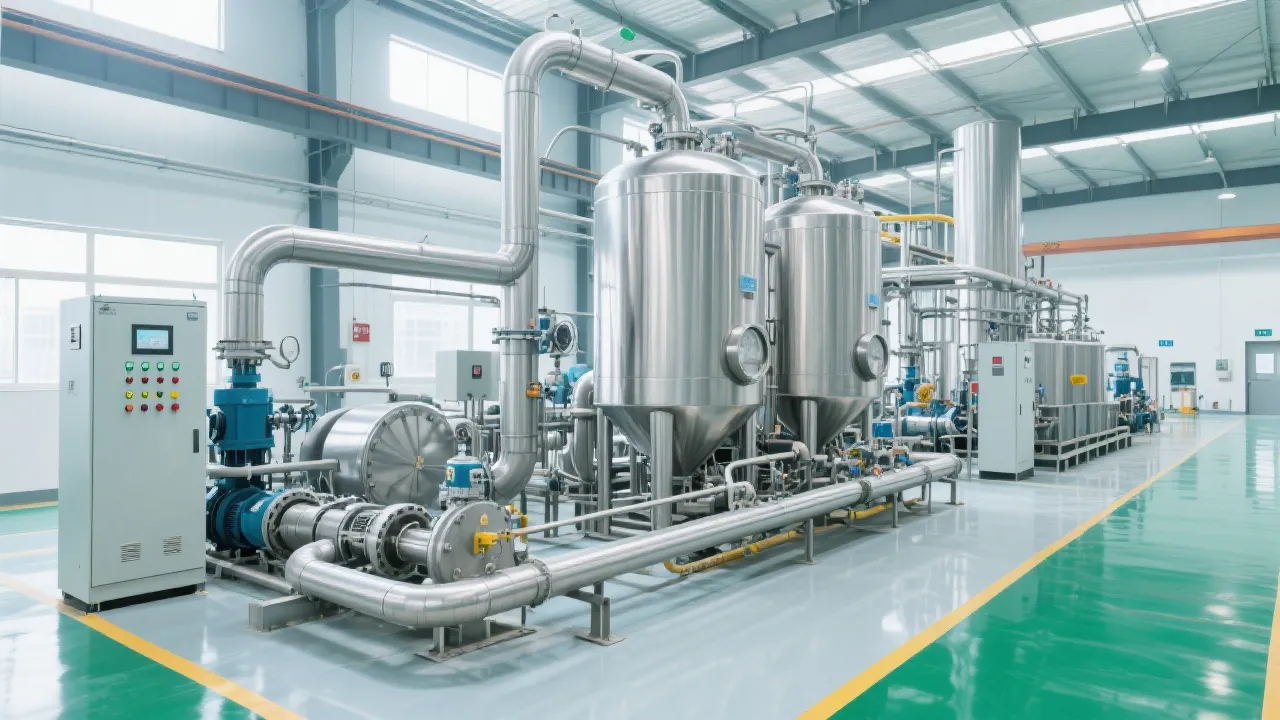
Different degumming equipment configurations have different effects on the degumming process. For example, a high - efficiency mixer can improve the mixing effect of oil and water or acid, thereby improving the degumming efficiency. The application of automated control systems can also significantly improve the stability of the degumming process. An automated control system can accurately control parameters such as temperature, pH value, and flow rate, reducing the influence of human factors. With an automated control system, the degumming process stability can be improved by about 30% - 40%.
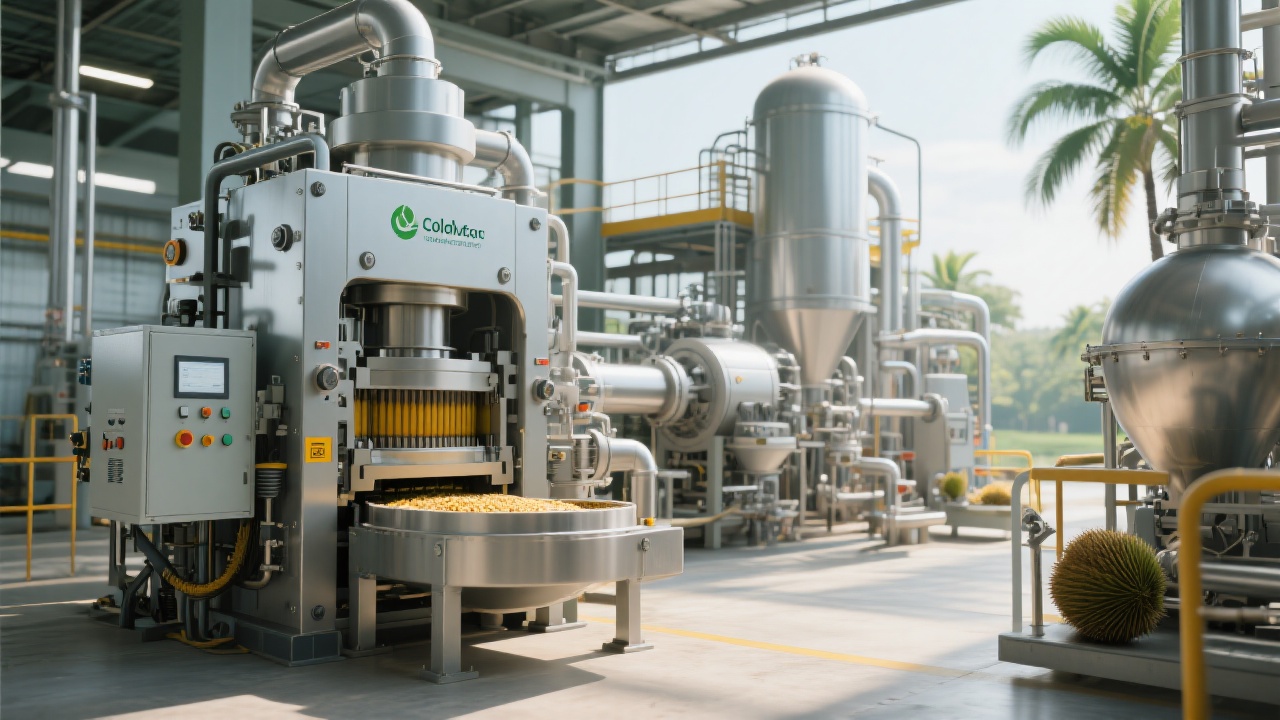
Penguin Group's equipment has significant technical advantages in the degumming process. Our equipment uses advanced mixing technology and precise control systems, which can effectively improve the degumming efficiency and product quality. We also provide professional technical support to help enterprises optimize the degumming process and achieve data - driven refining upgrades.
In conclusion, a well - optimized degumming process is crucial for edible oil refining. By understanding the principle and key parameters of degumming methods, and choosing appropriate equipment and control systems, enterprises can improve the quality of edible oil and reduce production costs.
If you are looking to enhance your edible oil production efficiency and quality, don't miss the opportunity to explore Penguin Group's advanced degumming solutions. Click here to learn more!

 <#else>