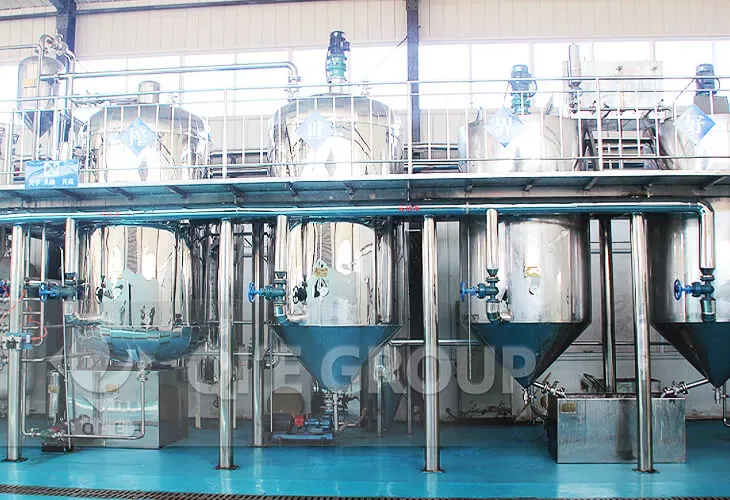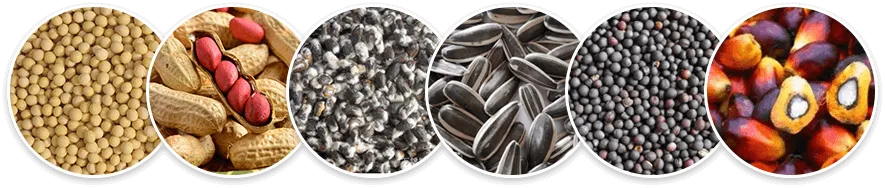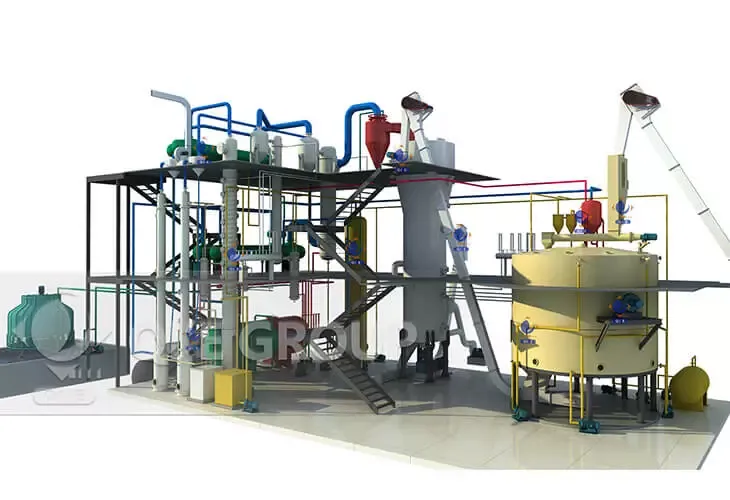

In the edible oil refining process, degumming stands as the crucial first step to ensure product quality and process stability. Phospholipids and proteins are common hydrophilic impurities in crude oil, which can cause problems such as oil turbidity, foaming, and color deterioration during subsequent refining processes. Therefore, effective removal of these impurities is essential for high - quality edible oil production.

Hydration degumming is based on the property that phospholipids can absorb water and form aggregates. When water is added to the crude oil, the hydrophilic groups of phospholipids combine with water molecules, causing the phospholipids to swell and aggregate, and then separate from the oil phase through sedimentation or centrifugation. This method is suitable for oils with high - content of hydratable phospholipids, such as soybean oil. Generally, the water addition amount is about 2% - 3% of the oil weight, and the reaction temperature is around 60 - 70°C.
Acid degumming uses acids (such as phosphoric acid, citric acid) to convert non - hydratable phospholipids into hydratable forms. The acid reacts with the metal ions associated with non - hydratable phospholipids, releasing the phospholipids and making them easier to remove. Acid degumming is more effective for oils with a high proportion of non - hydratable phospholipids, like some types of rapeseed oil. The acid addition amount is usually 0.1% - 0.5% of the oil weight, and the reaction temperature can be slightly lower, around 50 - 60°C.
Different raw material oils have different phospholipid compositions, which require different degumming parameters. For example, soybean oil typically contains a relatively high proportion of hydratable phospholipids, so hydration degumming can achieve good results. In contrast, rapeseed oil may have more non - hydratable phospholipids, and acid degumming is often necessary. Table 1 shows a comparison of degumming parameters for different oils:
| Oil Type | Degumming Method | Temperature (°C) | Additive Amount |
|---|---|---|---|
| Soybean Oil | Hydration Degumming | 60 - 70 | 2% - 3% water |
| Rapeseed Oil | Acid Degumming | 50 - 60 | 0.1% - 0.5% acid |
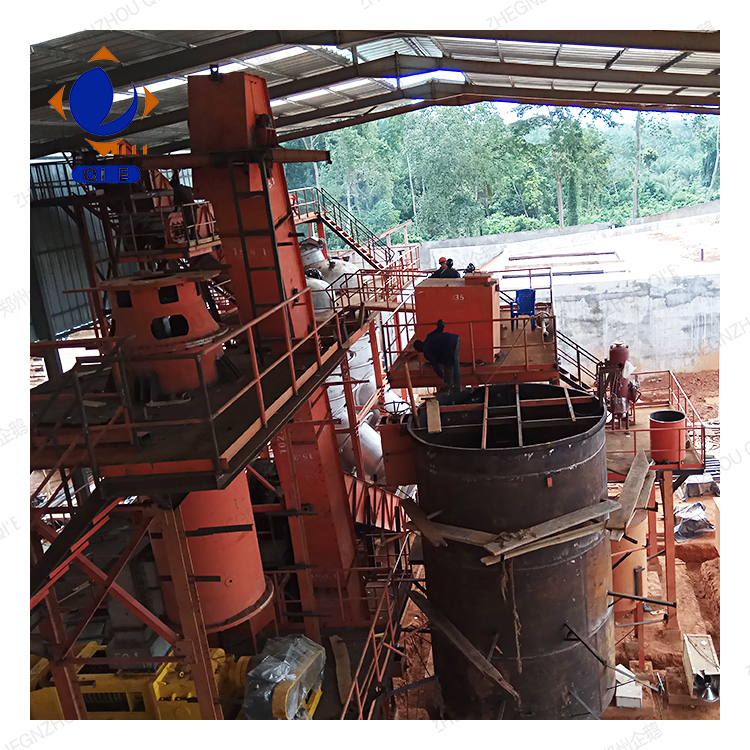
Oil turbidity after degumming may be due to incomplete aggregation of phospholipids or excessive stirring, which breaks the aggregates. To solve this problem, the temperature and water/acid addition amount can be adjusted, and the stirring speed can be optimized. Usually, a moderate stirring speed of 30 - 50 rpm is recommended.
Abnormal layering may be caused by improper pH value or the presence of emulsifiers in the oil. By adjusting the pH value to the appropriate range (usually around 5 - 7) and adding demulsifiers if necessary, the problem can be resolved.
Degumming lays a solid foundation for subsequent neutralization, decolorization, and deodorization processes. High - quality degumming can reduce the consumption of chemicals in the neutralization process, improve the efficiency of decolorization, and enhance the stability of the oil during deodorization. For example, removing phospholipids in advance can prevent them from reacting with alkalis in the neutralization process, reducing the formation of soaps and improving the oil yield.
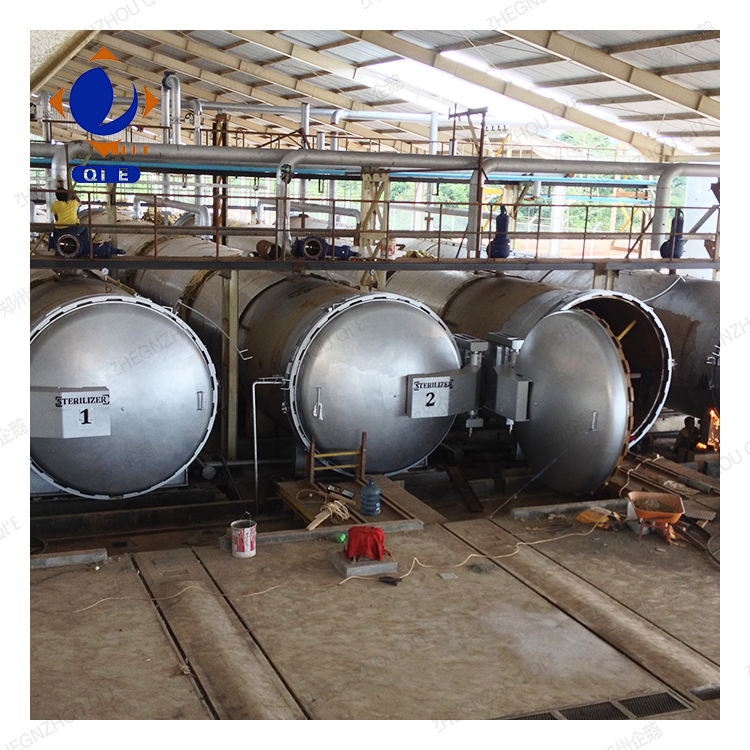
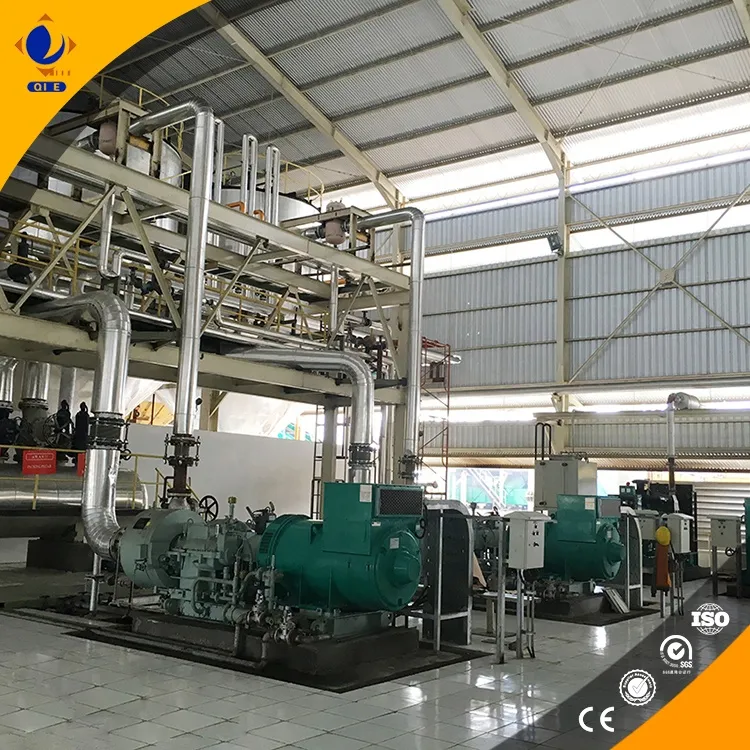
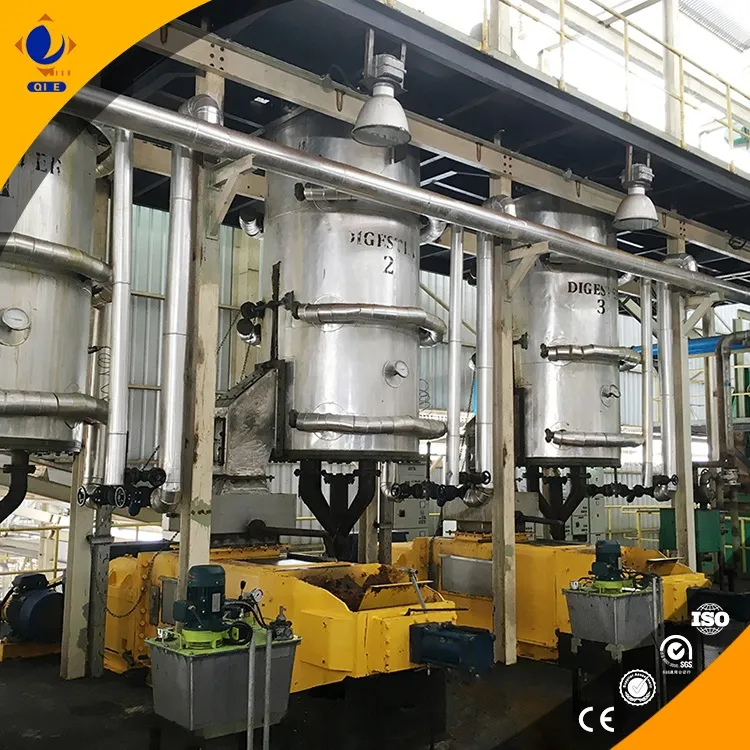
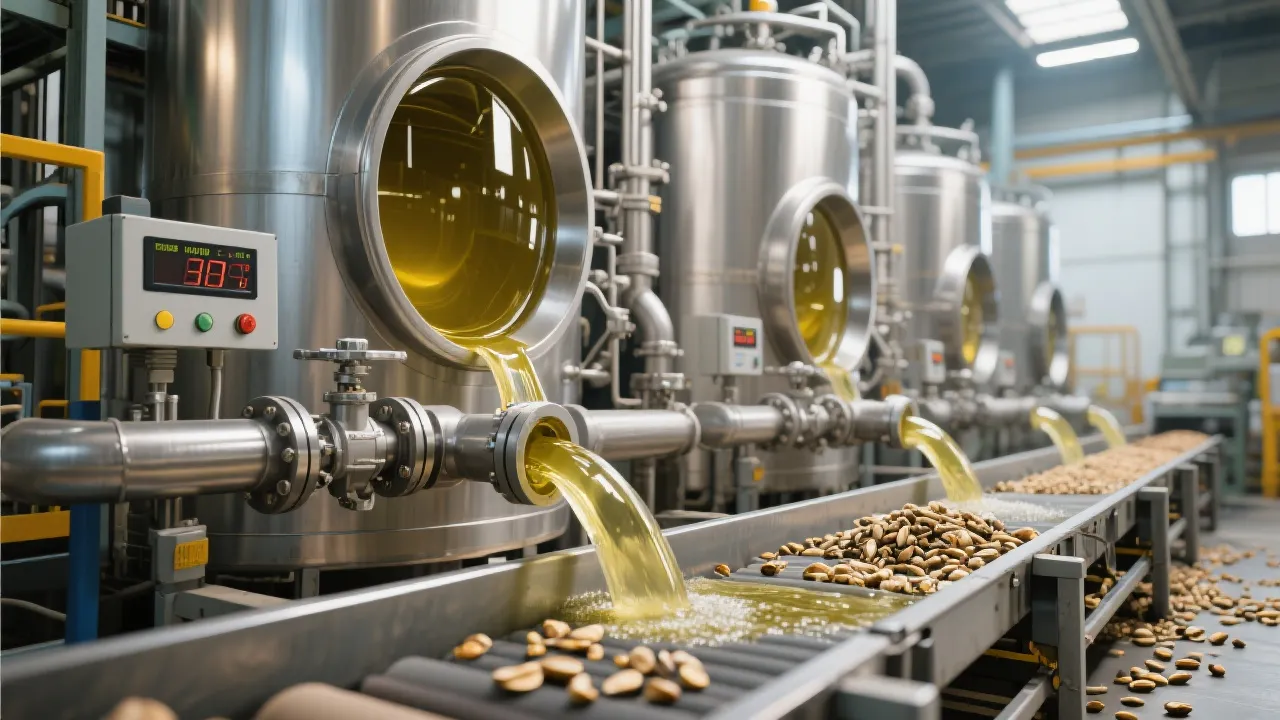
QIE Group equipment supports precise temperature control and automatic regulation, which can effectively assist in achieving efficient and stable degumming. With advanced technology and reliable performance, QIE Group equipment can help you optimize the degumming process and improve the quality of your edible oil products.
Ready to take your edible oil refining to the next level? Explore QIE Group degumming solutions now!