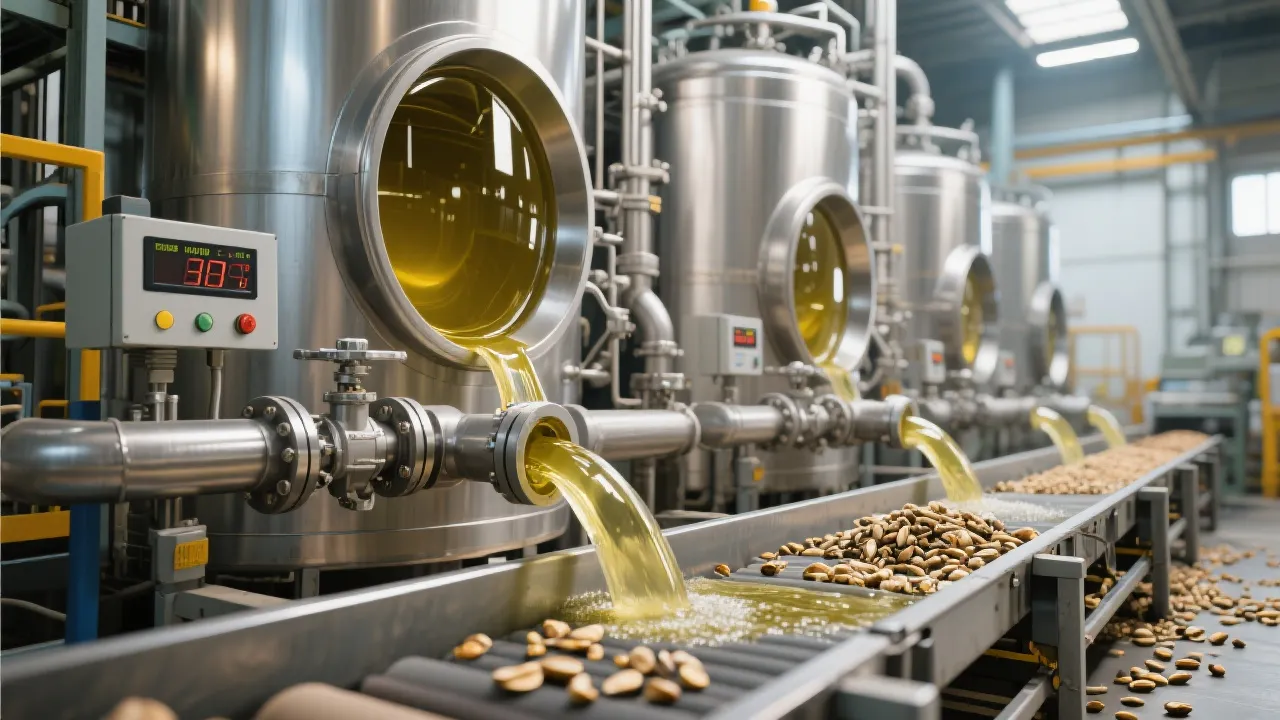

When it comes to producing high-quality edible oils—whether soybean, canola, or sunflower—the degumming step is often overlooked. Yet, this critical stage directly impacts downstream processes like neutralization, bleaching, and deodorization. A poorly executed degumming can lead to oil turbidity, emulsion formation, and even equipment fouling. According to a 2023 study by the International Journal of Food Engineering, up to 40% of refining inefficiencies trace back to suboptimal degumming parameters.
Two primary methods dominate industrial practice:
| Method | Best For | Typical Water Addition (%) | Key Parameter Range |
|---|---|---|---|
| Water Hydration | Soybean, Canola Oils | 0.5–2% | Temp: 60–70°C | pH: 5.5–6.5 |
| Acid Treatment | High-Phospholipid Oils (e.g., Cottonseed) | 0.1–0.5% | Temp: 70–80°C | pH: 4.0–4.5 |
For instance, soybean oil typically requires precise temperature control around 65°C for optimal hydration. Deviations beyond ±5°C may reduce phosphorus removal efficiency by over 25%, as noted in a pilot test conducted at a Chinese refining facility using Qingping Group's precision degumming systems.

Operators frequently encounter issues such as:
These problems aren’t just operational—they affect product shelf life and compliance with ISO 22000 standards. In fact, refineries that implement automated parameter monitoring report a 30% reduction in rework rates within six months.
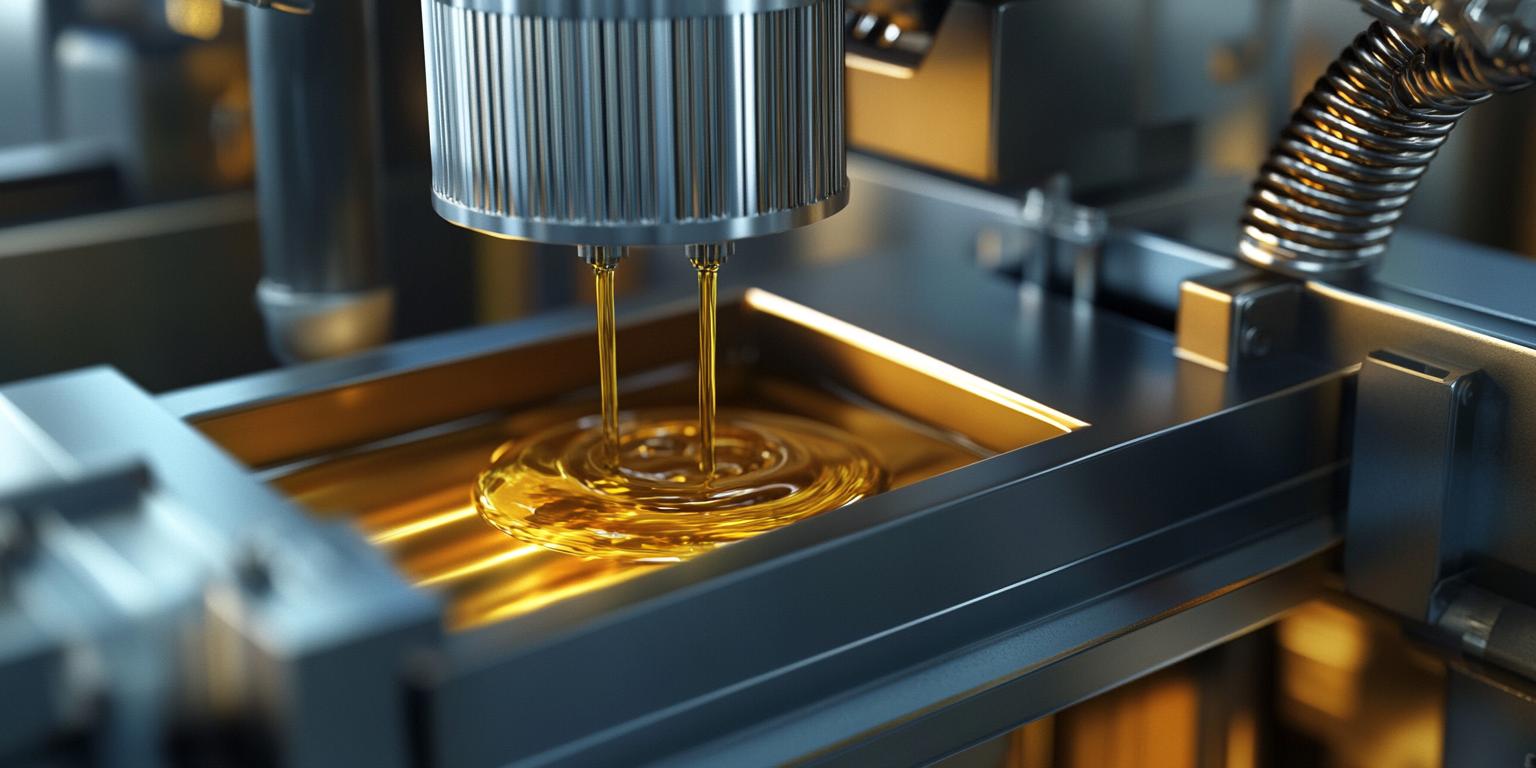
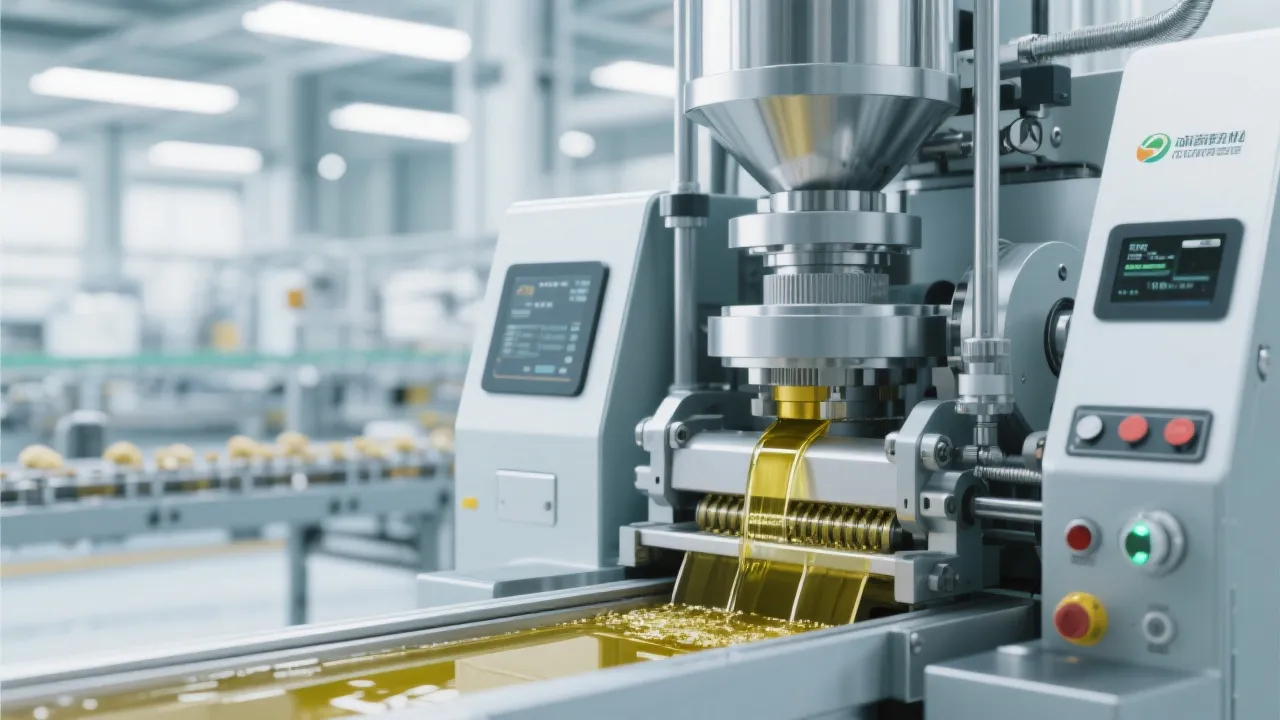
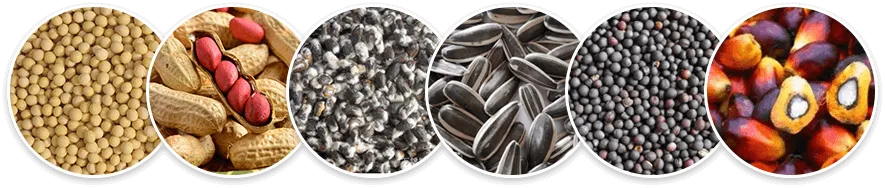
At Qingping Group, our engineers work closely with clients to fine-tune degumming settings based on feedstock variability—from cold-pressed flaxseed to crude palm oil. With our integrated control system, operators can adjust temperature, pH, and flow rate in real-time, ensuring consistent quality across batches.
“The difference between good oil and great oil starts at degumming.” — Dr. Li Wei, Senior Process Engineer, Sino-Oil Refinery Co.
If you're looking to boost your refining line’s throughput while maintaining food-grade purity, now is the time to revisit your degumming strategy. Whether you’re scaling up production or optimizing an existing setup, our team offers free technical consultations tailored to your specific oil type and plant configuration.
Optimize Your Degumming Process Today →