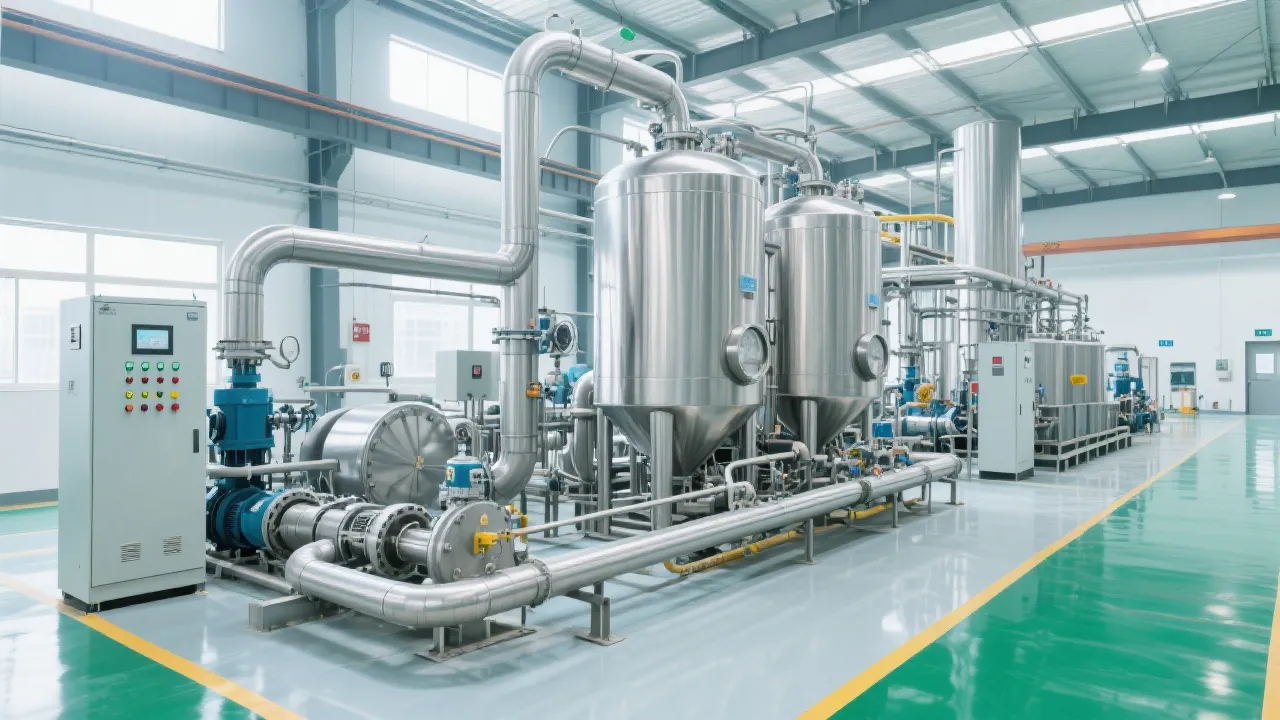
In the edible oil refining process, the degumming stage plays a crucial role. Phospholipids and other impurities in crude oil can significantly affect the efficiency of subsequent processes such as neutralization, decolorization, and deodorization, as well as the final product quality. For example, high - level phospholipids can lead to increased consumption of chemicals in the neutralization process and reduced efficiency of the decolorization process.

There are mainly two common degumming methods: the hydration method and the acid method. The hydration method is based on the hydrophilic property of phospholipids. By adding water, the phospholipids absorb water, swell, and then precipitate. It is suitable for oils with relatively low non - hydratable phospholipid content. On the other hand, the acid method uses acids such as phosphoric acid or citric acid to convert non - hydratable phospholipids into hydratable forms, which can then be removed more effectively. In general, the acid method can achieve a higher degree of phospholipid removal, with a removal rate of up to 95% compared to about 80% in the hydration method.
Several key control parameters have a significant impact on the stability of the degumming process. Temperature is one of the most important factors. For the hydration method, the optimal temperature is usually around 60 - 70°C. If the temperature is too low, the phospholipids may not fully hydrate; if it is too high, the oil may be oxidized. The amount of water or acid added also needs to be precisely controlled. For example, in the acid method, the addition of 0.1 - 0.3% phosphoric acid (based on the oil weight) is commonly recommended.
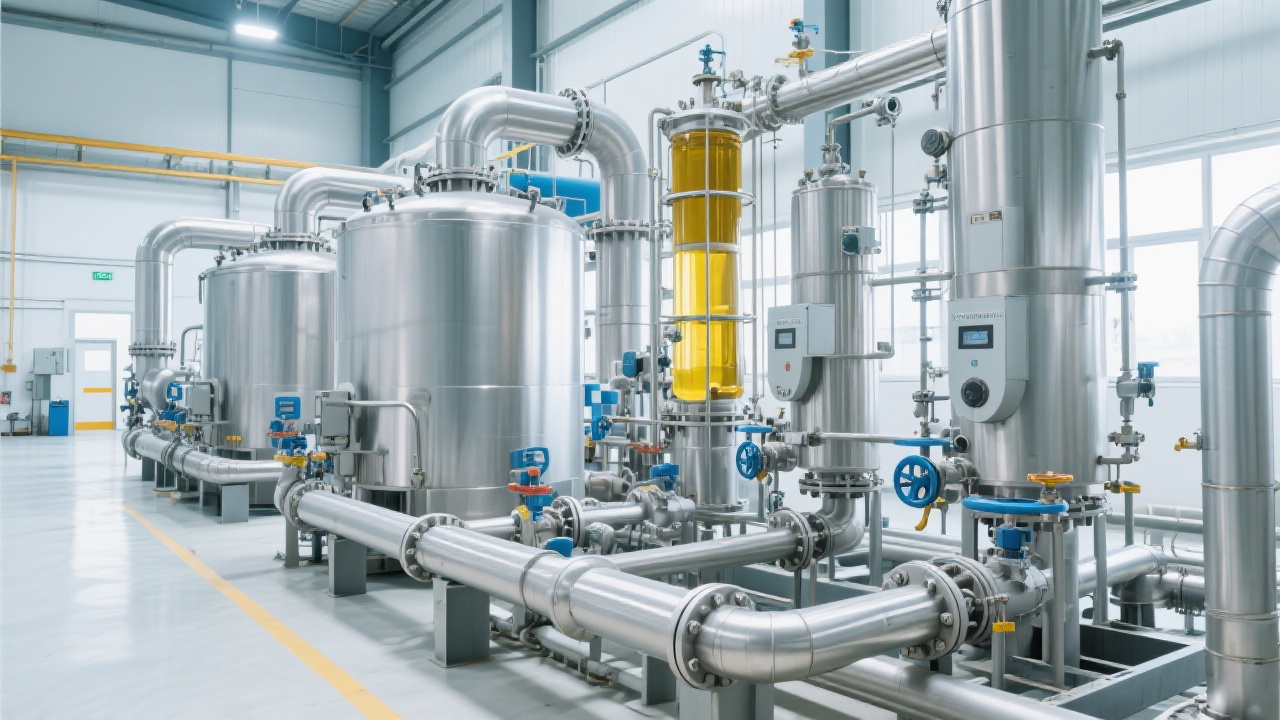
The selection of equipment, especially the type of centrifuge, is crucial for production efficiency and equipment maintenance. Different types of centrifuges, such as disc centrifuges and decanter centrifuges, have different separation efficiencies and application scenarios. Disc centrifuges are more suitable for high - speed separation of small - sized particles and can achieve a high degree of separation in a short time. However, they require more frequent maintenance. Decanter centrifuges, on the other hand, are more suitable for handling large - volume materials and have relatively lower maintenance requirements.
The application of automation control technology in the degumming stage can greatly improve process accuracy and operational reliability. An automated control system can precisely control parameters such as temperature, flow rate, and the amount of additives. For example, it can adjust the addition of acid in real - time according to the phospholipid content of the incoming oil, ensuring stable and high - quality degumming results.
Let's take a typical degumming failure case. A company used an inappropriate centrifuge in the degumming process, resulting in incomplete phospholipid removal. This led to a series of problems in the subsequent neutralization and decolorization processes, such as increased chemical consumption and poor decolorization effect. After re - evaluating the equipment and process, the company replaced the centrifuge and optimized the process parameters, which significantly improved the production efficiency and product quality.
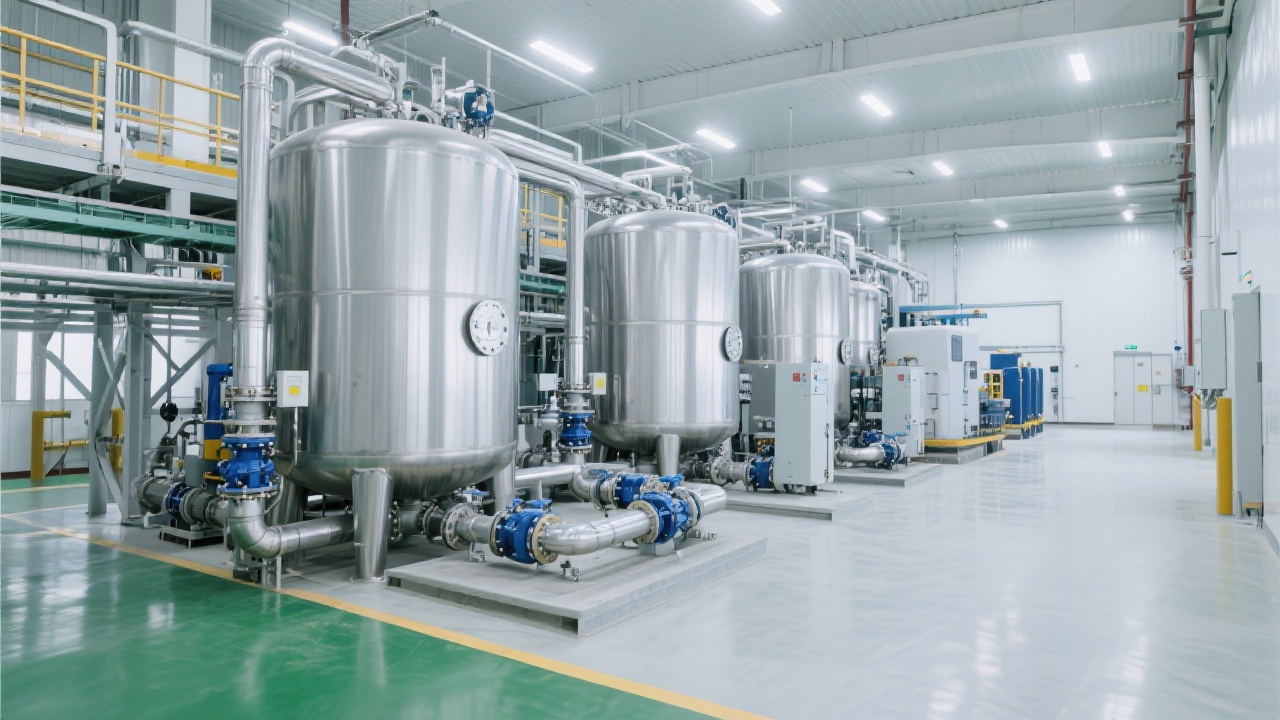
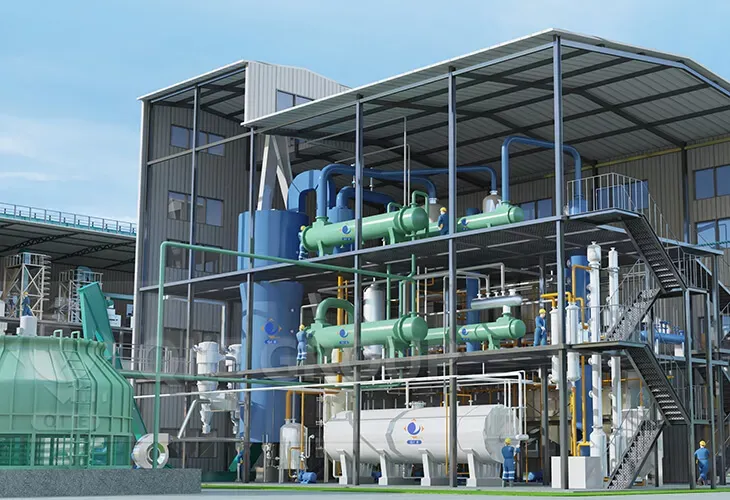
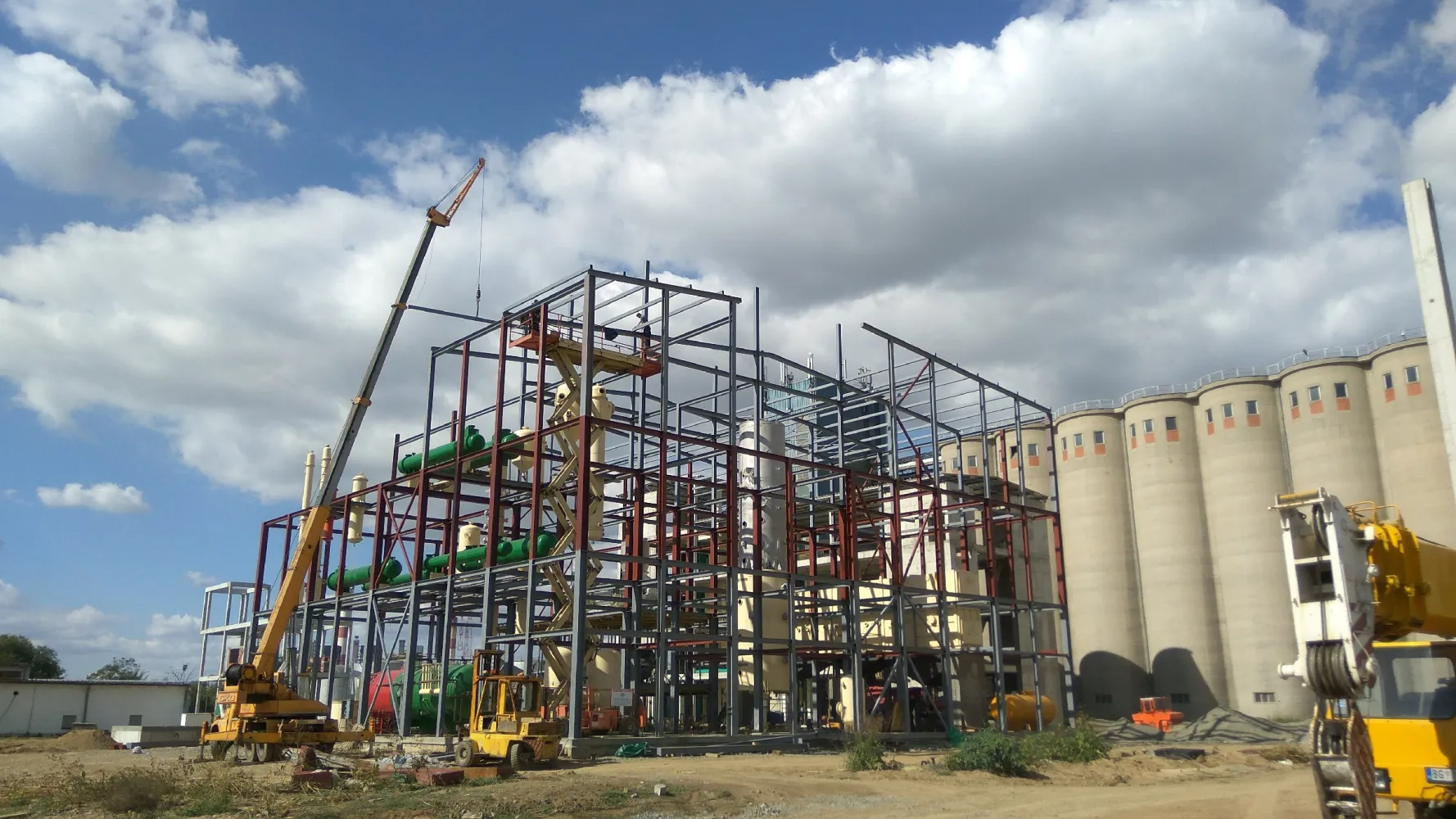
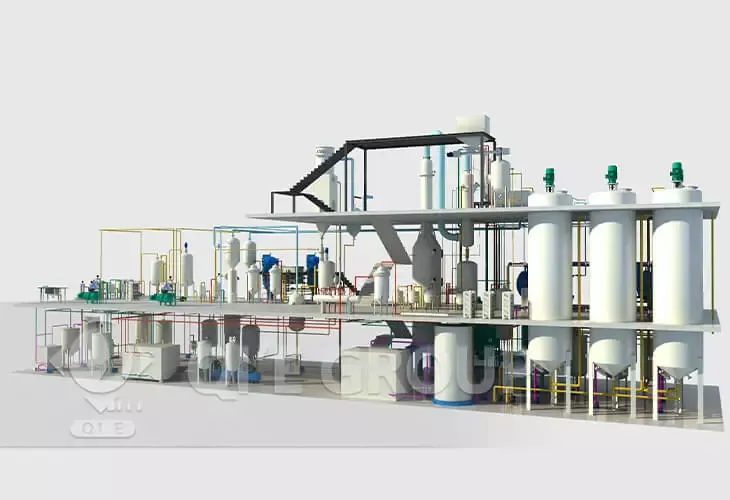
Penguin Group's refining equipment stands out in the market. With advanced technology and a high - precision automation control system, it can ensure accurate control of the degumming process. Moreover, Penguin Group offers customized support, tailoring the equipment and process to the specific needs of each customer. This not only helps customers improve production efficiency but also reduces production costs and enhances product quality.
Are you looking for a reliable degumming solution for your edible oil refining process? Click here to learn more about Penguin Group's high - performance refining equipment and customized services!

 <#else>