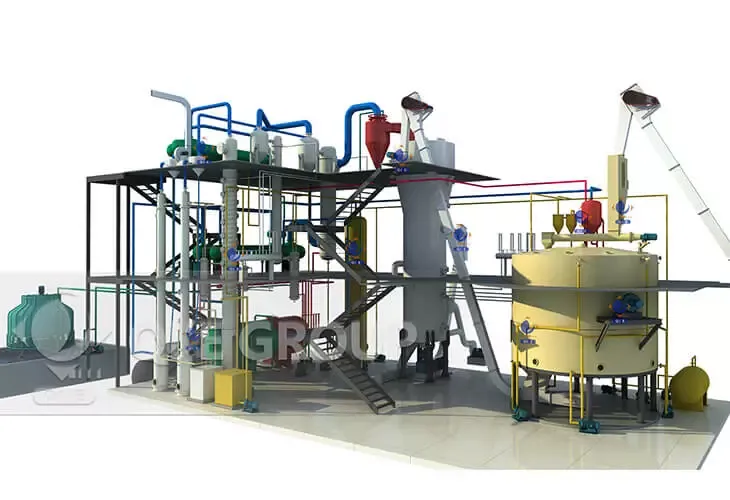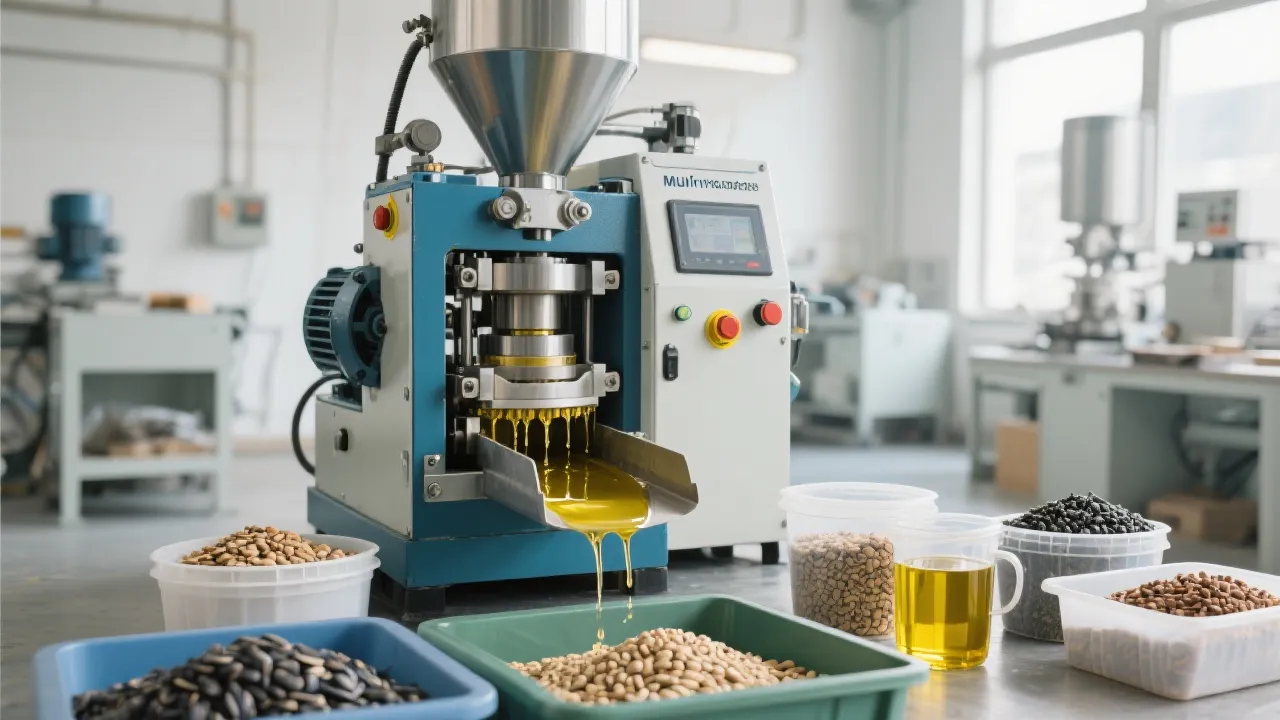
Efficient dewaxing technology stands as a cornerstone for the edible oil industry, ensuring superior oil quality while minimizing losses. This article delves into the critical low-temperature crystallization (winterization) process, highlighting how precise control of cooling rate, agitation intensity, and solvent ratios can greatly enhance wax separation efficiency. Through a detailed exploration tailored to various oil types, such as soybean and sunflower oils, we offer actionable insights and troubleshooting strategies that help grain and oil enterprises sustain high productivity and product excellence.
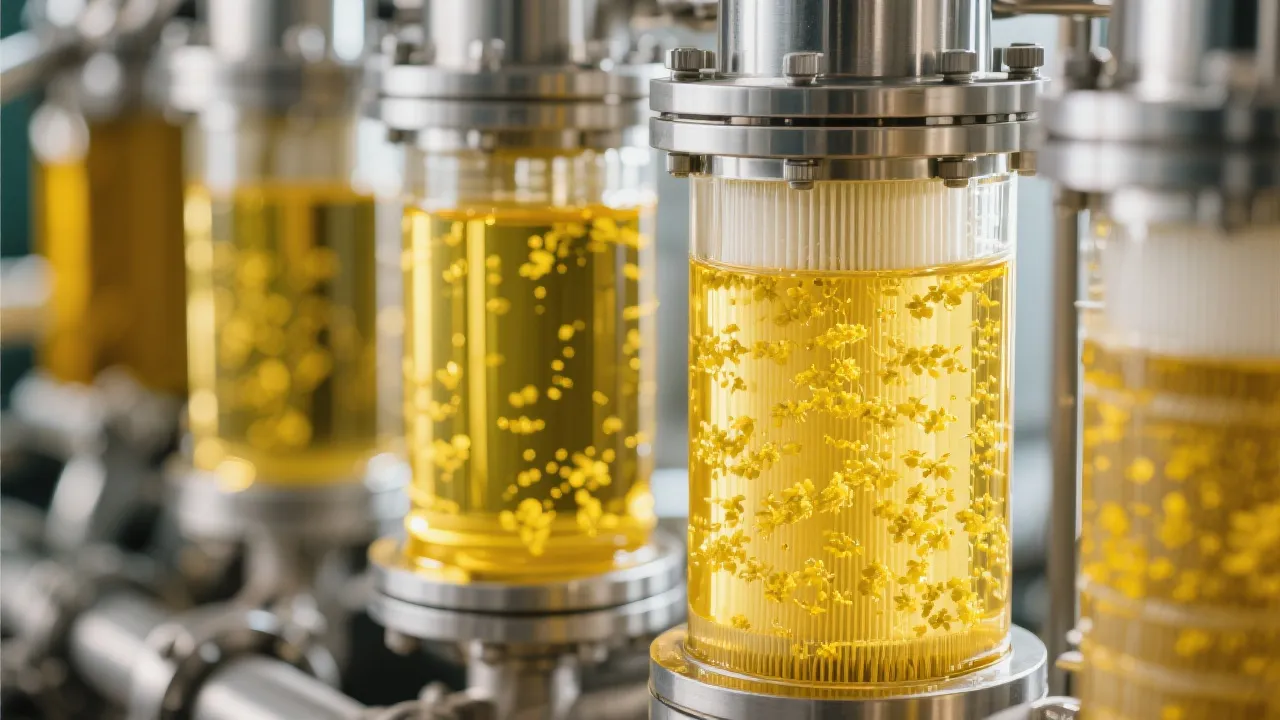
Dewaxing primarily aims to remove high-melting-point waxes that cause turbidity and affect oil appearance and digestibility. The winterization technique leverages low temperature to crystallize these waxes selectively. Controlling the crystallization kinetics is crucial; cooling too rapidly can trap impurities, while too slow cooling prolongs production cycles and energy use.
Industry data shows that a controlled cooling rate between 0.5–1.0 °C per minute optimizes crystal size distribution, facilitating easier separation by filtration or centrifugation. For example, processing soybean oil with a target cooling profile of 1°C/min has demonstrated a 15% improvement in wax removal efficiency compared to rapid chilling at 3°C/min.
Adjusting these parameters according to oil type and plant scale is essential. For instance, sunflower oil with higher saturated wax content might require slightly slower cooling and increased agitation to prevent crystal clumping.
Typical issues such as residual turbidity, product loss during filtration, or inconsistent wax content often arise from suboptimal process parameters. A frequent cause is improper cooling profiles leading to fine wax crystals that clog filters and reduce throughput. Operators are encouraged to implement pilot testing and real-time monitoring systems to fine-tune temperature gradients precisely.
One soybean oil processor applied systematic process improvements, using inline temperature probes and adjusted agitator speeds based on real-time viscosity changes. This reduced oil loss by 8% and improved wax crystal separation percentage from 85% to 92% within six months.
A key quality indicator, oil transparency, correlates closely with consumer perception and nutritional value. Removing waxes efficiently lowers the oil’s cloud point, improving shelf appeal and the digestion rate once consumed. Studies indicate that refined dewaxing can increase digestibility of triglycerides by over 10%, offering measurable health benefits.
Grain and oil enterprises investing in automation and data-driven control systems typically see a 12–20% reduction in turbidity levels and consistent product stability across batches, strengthening brand reputation in competitive markets.
Unlock the full potential of your edible oil processing with state-of-the-art dewaxing solutions tailored to your product profile and operational needs. Our technology and consulting team stands ready to guide you through equipment selection, process parameter optimization, and troubleshooting.