
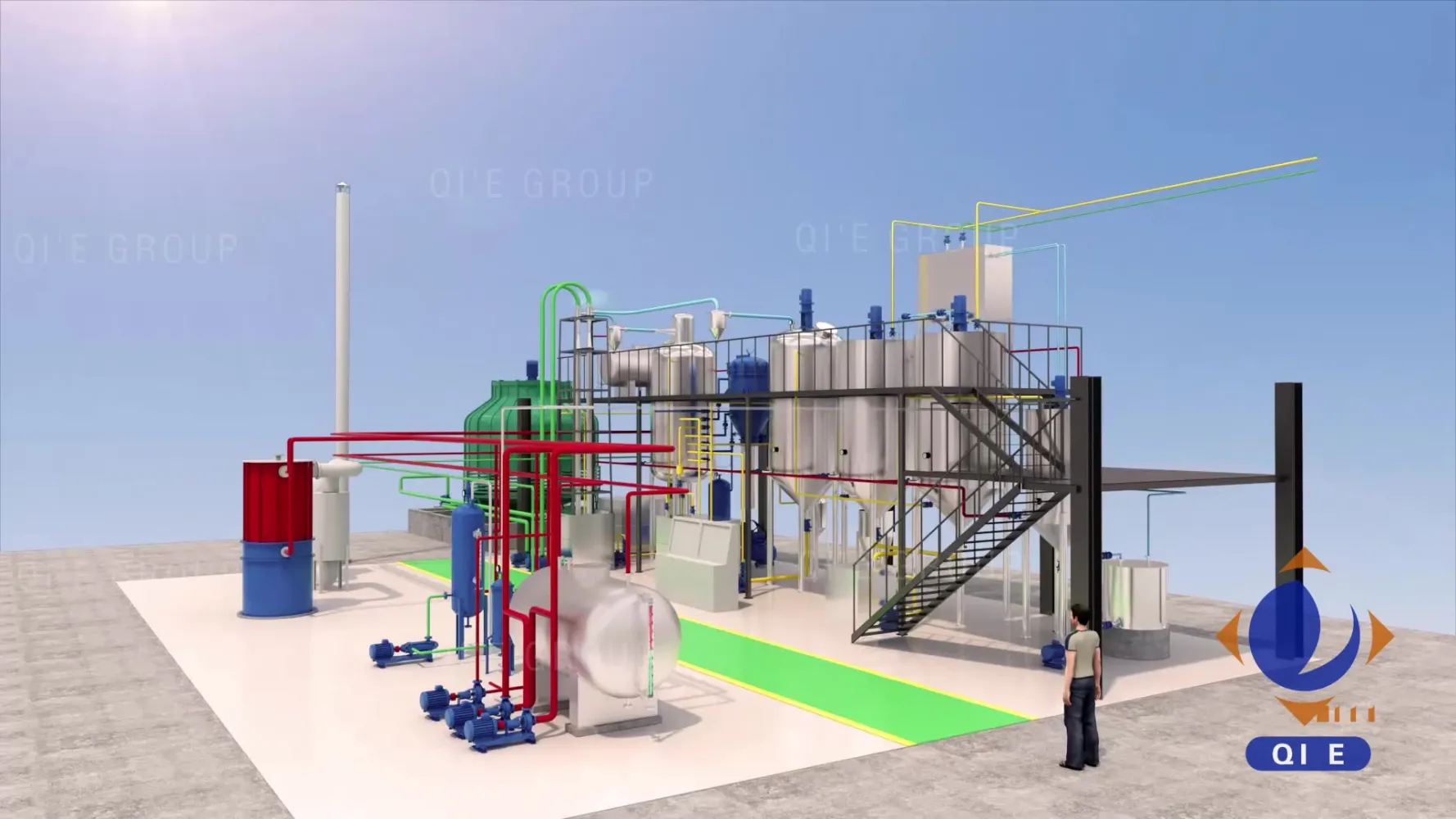
In edible oil refining, degumming marks the critical first step that largely dictates the efficiency of downstream processes such as neutralization, bleaching, and deodorization. Failure to execute this step properly frequently leads to excessive consumption of bleaching agents, increased steam usage, and compromised oil quality. This article presents an in-depth analysis of common degumming issues, their impact on plant performance, and practical technical solutions to optimize this vital stage through precise control of pH, temperature, and automation systems, enabling a transition from experience-driven to data-driven refining operations.
Degumming primarily removes phospholipids, which are polar compounds that cause instability and impurities in crude oil. Efficient phospholipid elimination not only clears turbidity but also protects subsequent equipment, especially the bleaching and deodorizing units, from fouling and scaling. Studies indicate that incomplete degumming can increase bleaching earth consumption by up to 20-30% and steam consumption by 15-25%, directly affecting operational costs and output quality.
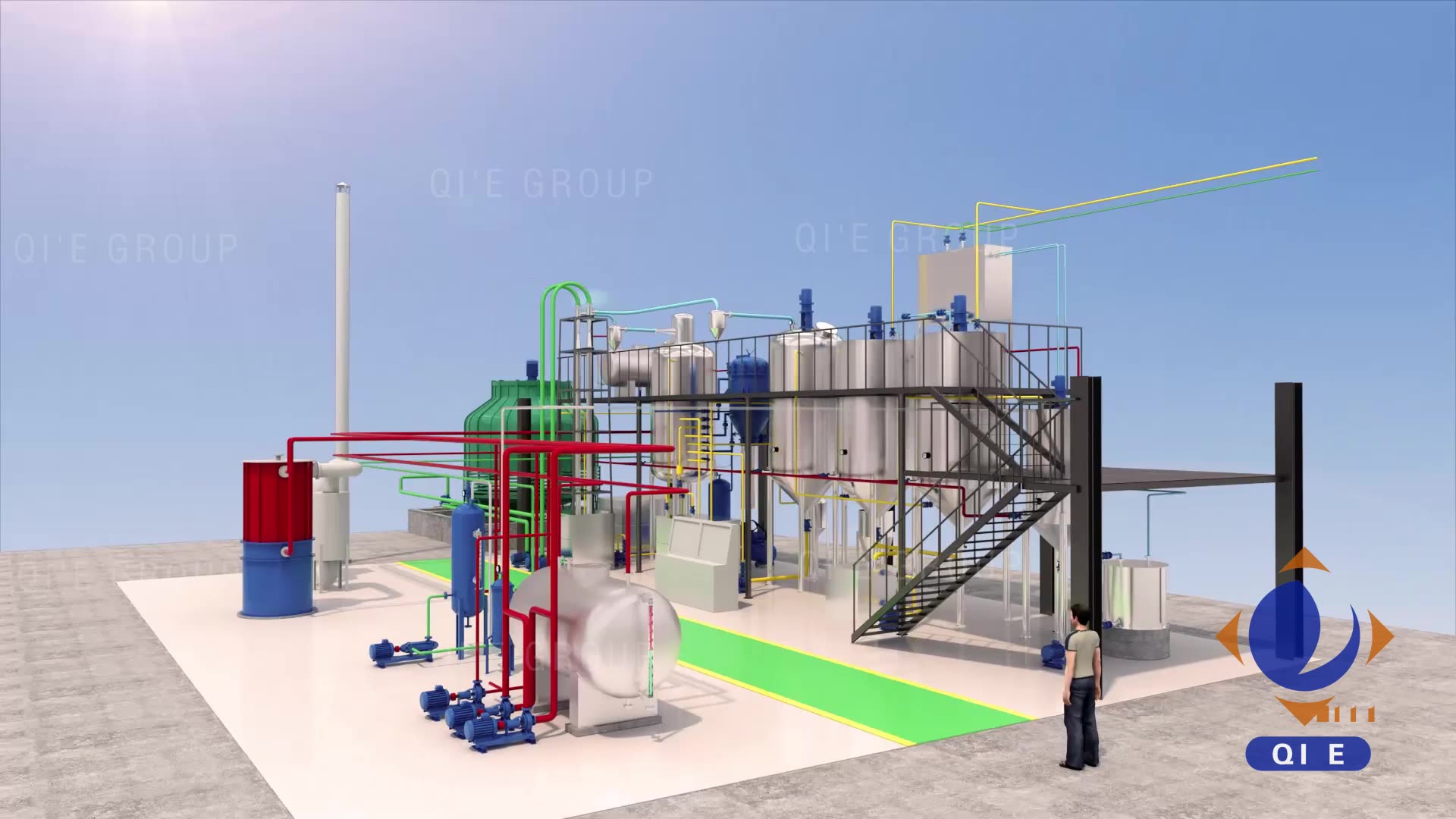
Operators frequently encounter issues such as phospholipid residues remaining post-degumming, leading to:
These symptoms often root from improper control over crucial parameters such as pH, temperature, and mixing intensity, exacerbated by inconsistent feedstock quality or outdated equipment.
Water degumming relies on hydrating phospholipids under controlled temperature conditions (typically 60-70°C) with adequate agitation to form hydrated gums separable by centrifugation. It demands precise water dosing (usually between 2-3% by weight) and stable temperature to optimize phosphorus removal rates, commonly achieving 85-95% phospholipid reduction.
Acid degumming introduces acid (commonly phosphoric or citric acid) to convert non-hydratable phospholipids into hydratable forms, enhancing degumming efficiency especially for challenging crude oils. Effective operation requires scrupulous pH control around 4.5-5.0 and intimate temperature regulation to prevent excess acid usage or downstream corrosion.
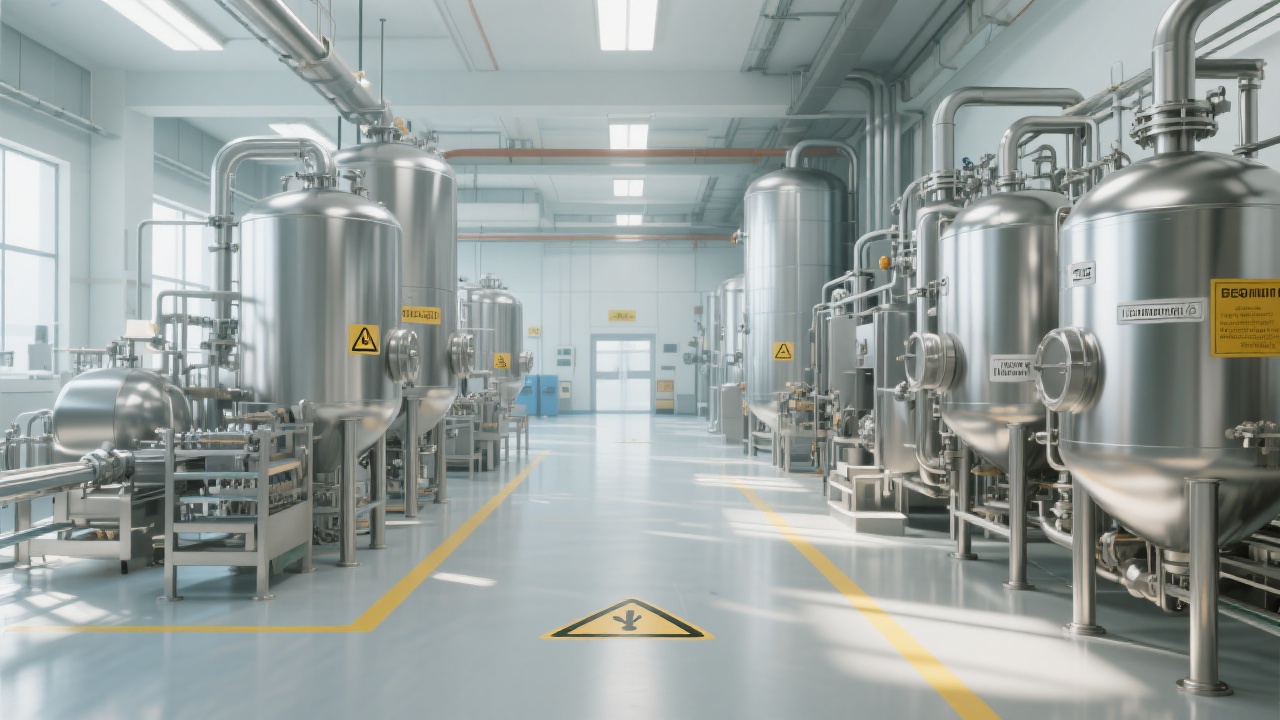
Modern refining trends emphasize the colligation of automation technologies to minimize human error and maximize process stability:
Seasoned industry experts advocate that adopting these controls not only reduces operational variability but extends equipment longevity by preventing sludge accumulation.
"Degumming is the gatekeeper of your refining efficiency; precision and automation in this step define your capacity to produce consistent, high-grade edible oils." – Industrial Oil Refinery Specialist
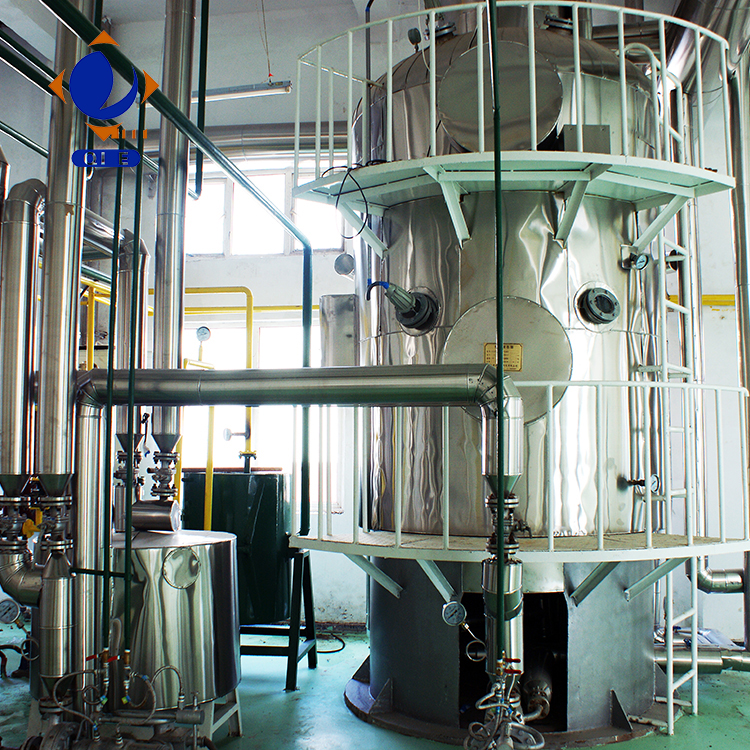
Ignoring or underestimating the degumming process leads to cascading failures in the refining chain:
• Increased operational expenses from excess chemical and steam consumption.
• Frequent shutdowns due to equipment fouling and unscheduled maintenance.
• Reduced oil yield and lower product quality, threatening customer trust and regulatory compliance.
For sustainable operation, refining plants must elevate degumming from a routine task to a precisely monitored and optimized process.


 <#else>