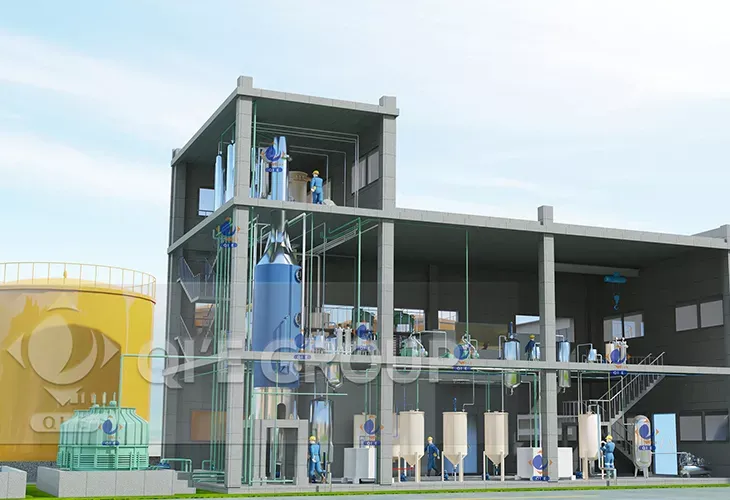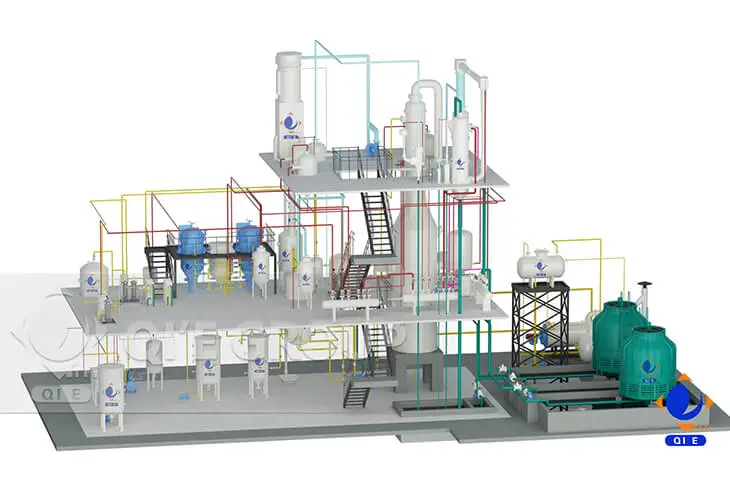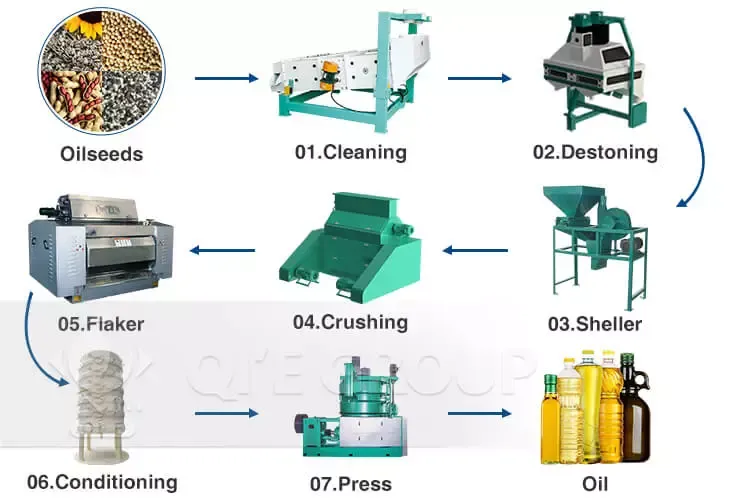

In the world of vegetable oil processing, pre-treatment is where efficiency begins—or collapses. For plants handling 30 to 5,000 tons per day, a single misstep in cleaning, crushing, softening, rolling, or roasting can cause downstream bottlenecks that cost thousands in lost production and repair time.
A recent case study from a 1,200-ton/day sunflower oil plant in Ukraine revealed that improper moisture control during softening led to clogged rollers—a failure that halted operations for 72 hours. The root cause? A static moisture setting without real-time feedback. After implementing an online moisture sensor with automatic adjustment (±0.5% accuracy), downtime dropped by 92%, and solvent extraction yield improved by 4.3%.
Before: Fixed steam pressure → inconsistent kernel softness → roller blockage
After: Real-time moisture detection + PID-controlled steam → consistent feed quality
Cottonseed and sunflower seeds behave very differently under heat and pressure. Cottonseed has high fiber content (up to 18%) and requires higher impact energy for effective cracking. Sunflower seeds are more brittle but prone to oil leakage if over-softened.
| Oilseed Type | Recommended Moisture Range (%) | Roller Gap Setting (mm) | Avg. Energy Consumption (kWh/ton) |
|---|---|---|---|
| Cottonseed | 8–10 | 1.2–1.6 | 18–22 |
| Sunflower Seed | 6–8 | 0.8–1.2 | 15–19 |
These parameters aren’t just recommendations—they’re thresholds. Ignoring them risks not only equipment damage but also reduced oil recovery rates, which directly impacts your bottom line.
Whether you're planning a small 30-ton/day facility or a large-scale operation, the same principles apply: integrate sensors early, validate every step with process data, and design modular systems that allow future upgrades without full rebuilds.
Avoiding pre-treatment errors isn’t about adding more machines—it’s about smarter engineering. Let each stage become a reliable foundation for the next. Because when your system works right from the start, your entire plant runs smoother, safer, and more profitably.