When designing a pre-treatment system for an oil mill—whether it's a small-scale facility or a large export-oriented plant—the choice of equipment directly impacts the entire production chain’s efficiency and reliability. A single misstep in moisture control or temperature regulation during cleaning, crushing, softening, flaking, or roasting can cause costly downtime and quality issues.
For common feedstocks like cottonseed and sunflower seeds, the pre-treatment process must be tailored based on physical properties such as moisture content (typically 8–12%), oil content (30–45%), and fiber structure. For example:
| Process Step | Recommended Setting | Why It Matters |
|---|---|---|
| Cleaning | Moisture ≤ 10% | Prevents clogging in crushers and separators |
| Softening | Temp: 75–85°C | Time: 15–20 min | Ensures uniform flaking without cracking |
| Roasting | Controlled steam + air mix | Improves solvent extraction yield by up to 5% |
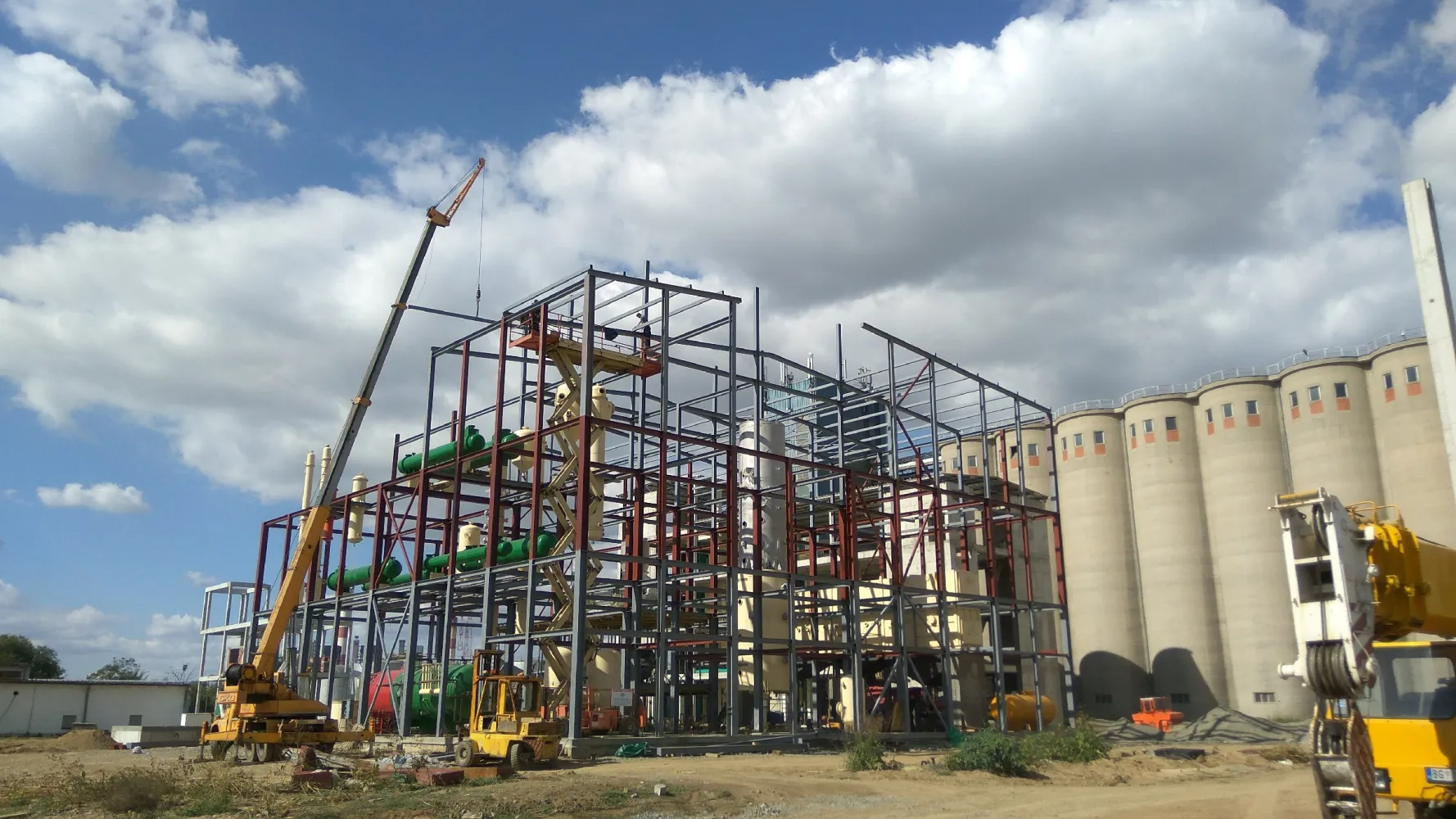
Real-World Case: A 1,200-ton/day sunflower oil plant in Ukraine experienced frequent blockages due to inconsistent moisture levels. After integrating real-time moisture sensors and automated temperature adjustments, throughput increased by 18%, with zero unplanned stoppages over six months.
While soybeans may tolerate higher initial moisture (up to 14%), cottonseed requires stricter control (<10%) to avoid gumming in rollers. Similarly, sunflower seeds benefit from shorter softening times but need precise heat distribution to prevent scorching—a common failure point in older systems.
Our engineers have helped design pre-treatment lines across 20+ countries—from Brazil to Kazakhstan—tailoring each configuration to local raw material variability, climate conditions, and export standards. This adaptability is key when scaling from 30 tons/day to 5,000 tons/day.

Whether you're upgrading an existing unit or building a new facility, smart automation isn't just a luxury—it’s a necessity. By embedding data-driven controls early in the design phase, you future-proof your operation against unpredictable variations in feedstock quality and environmental factors.
Don’t let poor pre-treatment decisions compromise your whole production line. We’ve seen what works—and what doesn’t—for mills worldwide. Let us help you build a system that scales efficiently, reliably, and sustainably.