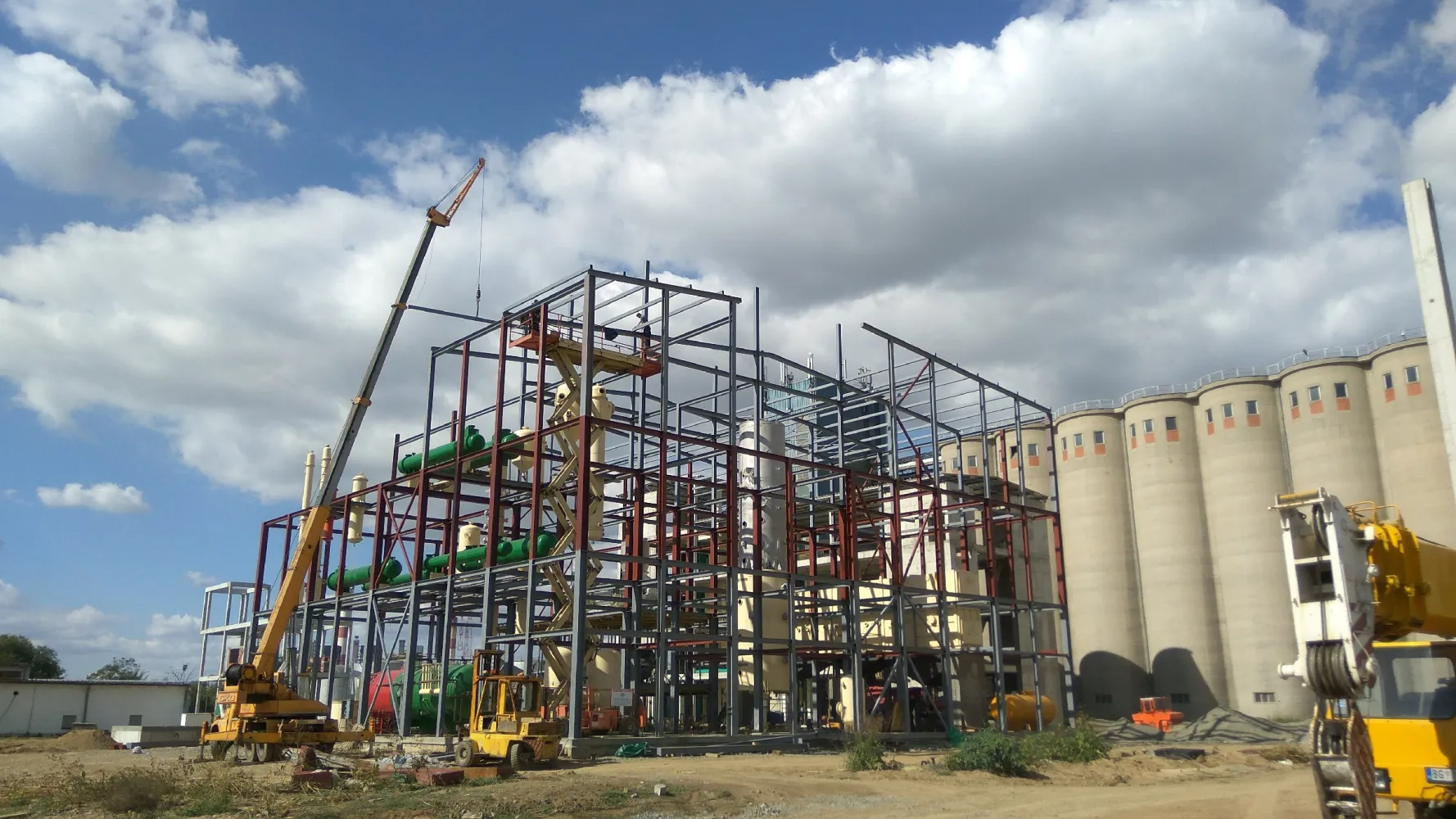
How to Evaluate Eco-Friendly Solvent Extraction Equipment for Palm Oil Projects
30 09,2026
Qi'e Grain and Oil Machinery Co., Ltd.
Industry Guide
Qi'e Group explains how to evaluate eco-friendly palm oil solvent extraction equipment, including pretreatment, DTDC desolventizing, n-hexane recovery, emission control, and complete line configuration.
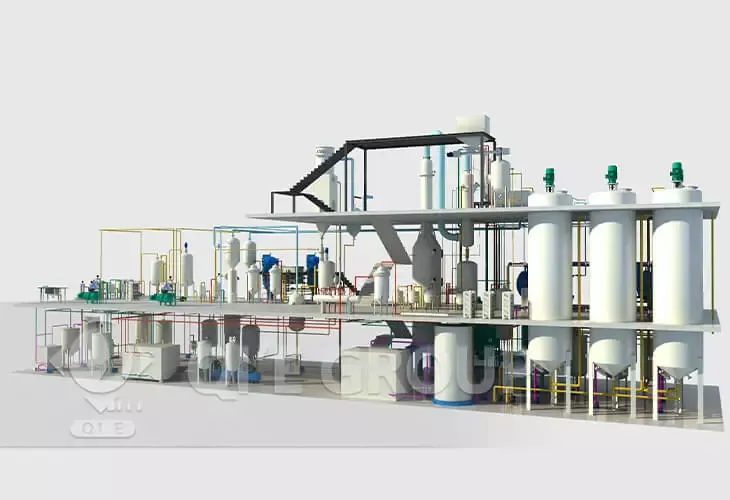
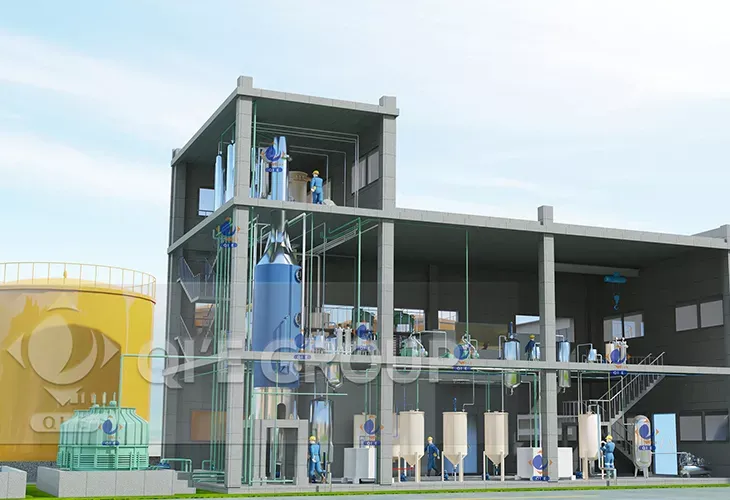
Selecting eco-friendly solvent extraction equipment for a palm oil project requires more than comparing individual machines. The complete system should be evaluated according to raw material preparation, extraction performance, desolventizing, solvent recovery, emission control, safety, and integration with the overall oil processing line. Qi'e Group provides customized oil solvent extraction solutions for palm oil and other vegetable oil processing projects, with referenced processing capacities from 30 to 5,000 tons per day.
What Makes Solvent Extraction Equipment Eco-Friendly?
In an industrial oil processing plant, environmental performance depends on how effectively the equipment manages solvent circulation, solvent recovery, gas emissions, energy use, and residual solvent in the extracted material. A reliable evaluation should therefore consider the entire process rather than focusing only on the extractor.
Qi'e Group’s solvent extraction equipment is designed around solvent penetration, molecular diffusion, and convective mass transfer. The system can be incorporated into a complete oil processing line covering pretreatment, pressing, solvent extraction, desolventizing, and subsequent refining, subject to the characteristics of the raw material and the project requirements.
Key Evaluation Criteria for a Palm Oil Project
1. Pretreatment and Line Compatibility
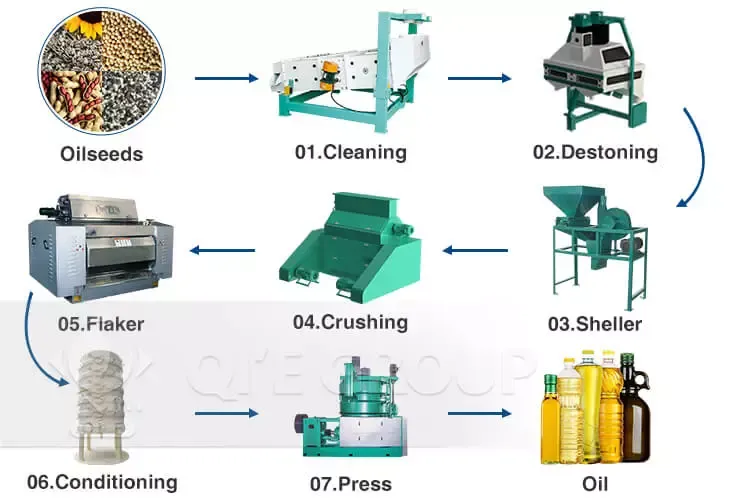
The extraction section should be matched with the upstream preparation process. Cleaning, conditioning, size reduction, flaking, cooking, and pressing requirements may vary according to the feedstock. Proper pretreatment supports more stable solvent contact and helps the complete line operate as an integrated system.
2. Extraction Process Design
Evaluate how the equipment supports wetting, penetration, molecular diffusion, and convective mass transfer. The design should correspond to the selected raw material, target capacity, operating conditions, and required oil recovery performance rather than relying on a standard configuration for every project.
3. DTDC Desolventizing System
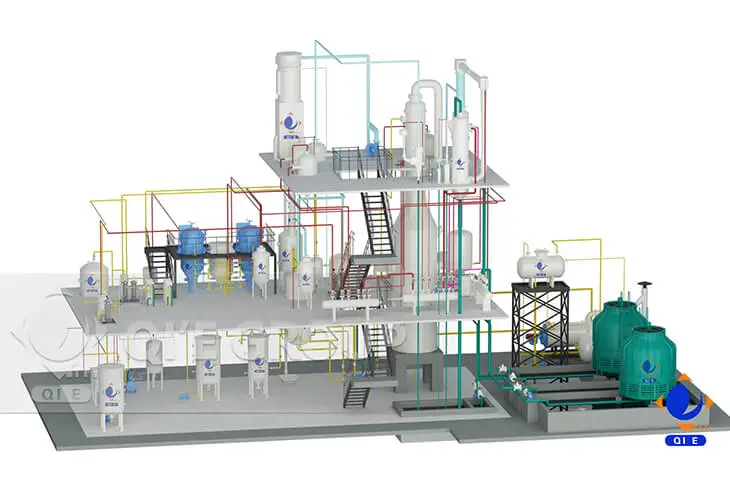
A complete evaluation should include the DTDC system, which combines desolventizing, toasting, drying, and cooling. Its purpose is to help remove solvent from the wet meal and control the subsequent baking, drying, and cooling stages in a coordinated process.
4. n-Hexane Recovery
The plant should be equipped with a solvent recovery arrangement that captures n-hexane evaporated from relevant process sections through condensation and related recovery steps. Effective recovery can help reduce solvent losses, energy consumption, and operating costs.
5. Emission and Environmental Control
Eco-friendly design should address gas emissions and solvent handling throughout the working process. Ask how the proposed line manages vapors, condensable gases, solvent circulation, and emission monitoring in accordance with applicable local environmental requirements.
6. Safety and Local Compliance
Because solvent extraction involves flammable solvent, project evaluation should include equipment safety, process control, ventilation, fire protection, electrical requirements, operator procedures, and compliance with the regulations applicable at the installation site.
Recommended Evaluation Framework
| Evaluation area |
Questions to review |
Why it matters |
| Capacity |
Does the proposed configuration match the required daily throughput? |
Supports appropriate equipment sizing and future operating planning. |
| Process integration |
Are pretreatment, pressing, extraction, DTDC, recovery, and refining properly connected? |
Reduces interface issues between separate process sections. |
| Solvent management |
How are n-hexane circulation, condensation, recovery, and loss control handled? |
Influences operating cost, environmental performance, and process safety. |
| Service capability |
Can the supplier support design, installation, commissioning, and technical service? |
Helps maintain continuity from project planning through operation. |
Capacity and Configuration Considerations
Qi'e Group’s oil solvent extraction solutions cover referenced capacities from 30 tons per day to 5,000 tons per day. This range allows project planning to begin with the required throughput, raw material supply, land conditions, utility availability, product objectives, and local compliance requirements.
- Define the intended daily processing capacity and expected operating schedule.
- Confirm the raw material characteristics and the required pretreatment route.
- Determine whether pressing, extraction, refining, or other supporting sections are included.
- Review solvent recovery, emission control, safety, utilities, and maintenance requirements.
- Match the final configuration with local regulations and the project’s operational resources.
Why Consider Qi'e Group for Project Evaluation?
Qi'e Grain and Oil Machinery Co., Ltd. is a B2B manufacturer specializing in oil pressing equipment, oil production line equipment, and oil refining equipment. The company provides equipment development, manufacturing, sales, installation, and technical service for customers in Asia, Africa, South America, and other international markets.
For a palm oil solvent extraction project, Qi'e Group can evaluate the required process sections as a complete solution rather than treating the extractor as an isolated machine. The proposed approach may include pretreatment, pressing, solvent extraction, DTDC desolventizing, n-hexane recovery, emission control, and refining according to the project scope and confirmed technical conditions.
Project note: Equipment selection should be finalized after reviewing the raw material, target capacity, process requirements, environmental conditions, safety standards, available utilities, and applicable local regulations. A technically detailed configuration provides a more reliable basis for comparing solvent extraction equipment suppliers and complete line solutions.