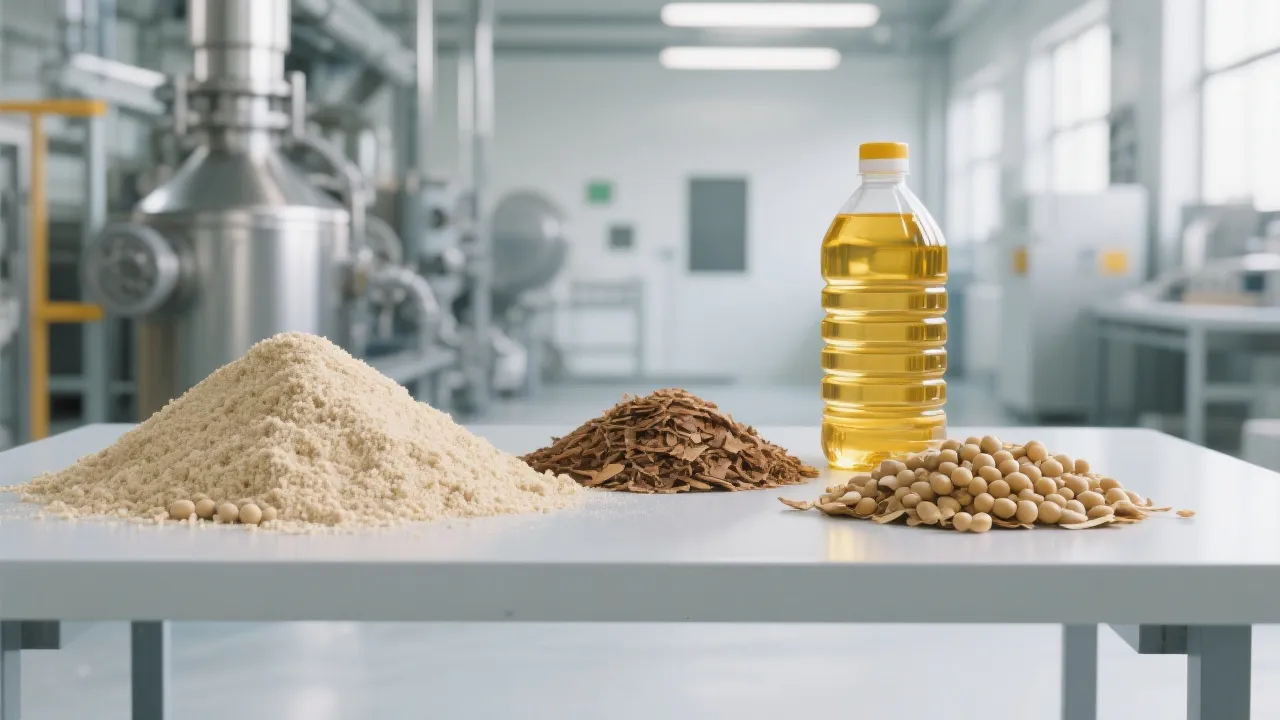

Degumming stands as the first crucial step in edible oil refining, exerting a direct influence on the efficiency of subsequent processes and the quality of the final product. In the realm of edible oil production, the significance of degumming cannot be overstated. It serves as the cornerstone for ensuring the safety and stability of the end - product.
Crude oil contains various types of impurities. Phospholipids, proteins, and metal ions are some of the major hydrophilic impurities. These impurities can cause numerous problems in the subsequent refining processes. For instance, phospholipids can lead to equipment scaling, which reduces the efficiency of the equipment and increases maintenance costs. Moreover, they can also accelerate the oxidation of the oil, resulting in flavor deterioration and a shorter shelf - life of the product. In terms of food safety, the presence of these impurities can pose potential risks.
There are two mainstream degumming technologies: hydration degumming and acid degumming. Hydration degumming is based on the principle that phospholipids and other hydrophilic impurities can absorb water and form aggregates, which can then be separated from the oil. This method is relatively simple and cost - effective, and is suitable for oils with relatively low impurity content. Acid degumming, on the other hand, uses acids to react with the impurities, converting them into insoluble substances that can be removed. It is more effective in removing impurities, especially for oils with high - phospholipid content.
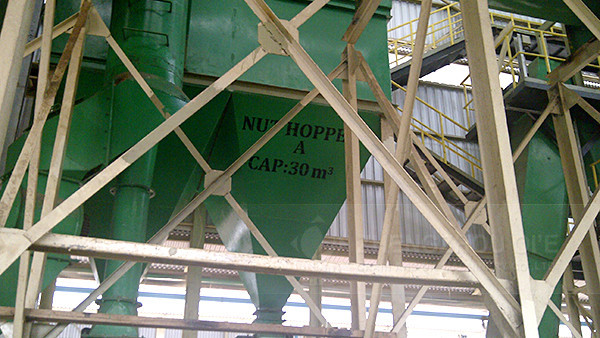
Different raw oils, such as soybean oil and rapeseed oil, have different characteristics, and thus require different process parameters. For soybean oil, the optimal temperature for hydration degumming is usually around 60 - 70°C, with a pH value of about 6 - 7 and a moderate stirring speed. For rapeseed oil, due to its different composition, the temperature may need to be adjusted to 70 - 80°C, and the pH value and stirring speed also need to be fine - tuned accordingly. By precisely controlling these parameters, producers can effectively remove impurities and improve the quality of the oil.
In the degumming process, some abnormal phenomena may occur, such as oil turbidity or abnormal stratification. If the oil is turbid, it may be due to improper control of process parameters, such as incorrect temperature or pH value. In this case, producers should check and adjust these parameters. If there is abnormal stratification, it could be caused by the presence of excessive impurities or incorrect mixing. A practical solution is to re - evaluate the raw materials and the mixing process, and make necessary adjustments.
| Abnormal Phenomenon | Possible Cause | Solution |
|---|---|---|
| Oil turbidity | Improper process parameters | Check and adjust temperature, pH, etc. |
| Abnormal stratification | Excessive impurities or incorrect mixing | Re - evaluate raw materials and mixing process |
In the industry, practical experience and data support are crucial. For example, according to industry statistics, by optimizing the degumming process, the oxidation stability of the oil can be increased by about 20 - 30%, and the equipment maintenance cost can be reduced by about 15 - 20%. This shows the importance of a well - controlled degumming process.
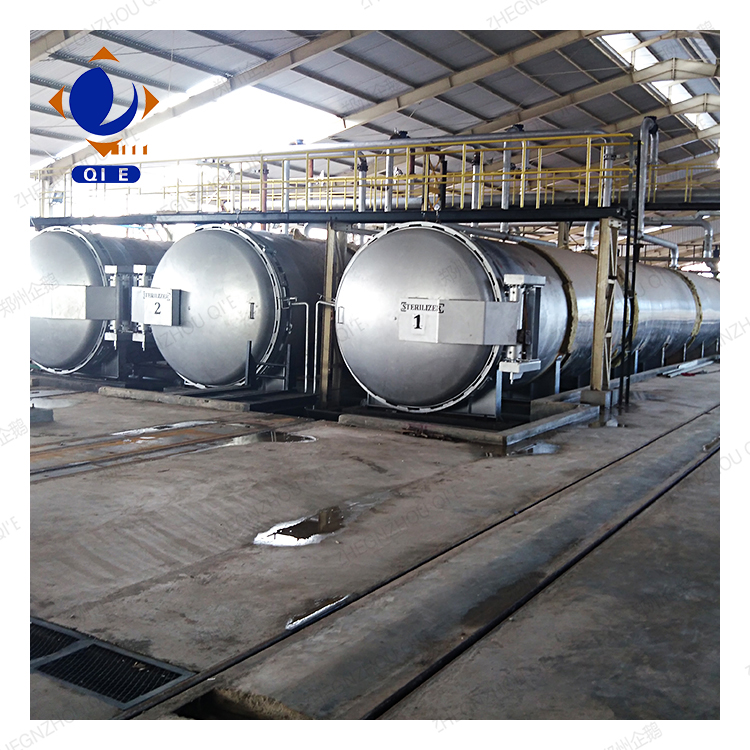
When it comes to producing high - quality edible oil, choosing the right equipment is also essential. Selecting QIE Group equipment can ensure the degumming effect from the source, laying a solid foundation for high - quality edible oil production. With QIE Group advanced technology and reliable equipment, producers can better control the degumming process and improve the overall efficiency of the production line.
In conclusion, mastering the degumming process is of great significance for edible oil producers. It not only helps to ensure food safety and oil stability but also improves the efficiency and profitability of the production line. If you want to learn more about high - quality degumming solutions and equipment, click here to explore more options.