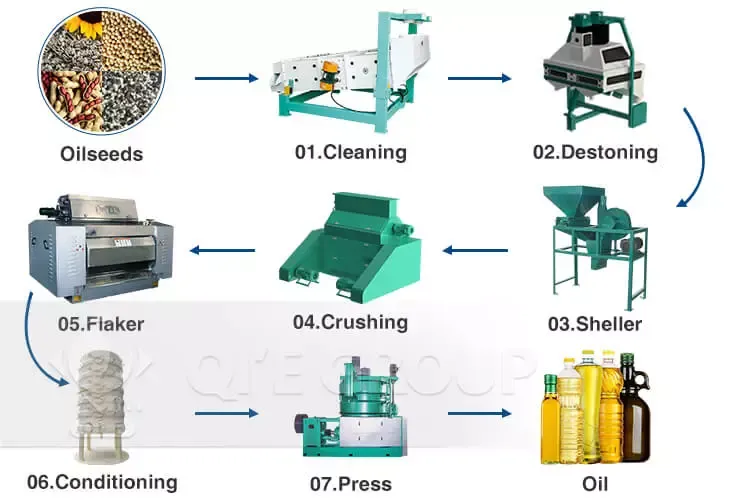


Oil press equipment
Suitable for projects that need mechanical oil extraction from selected oilseeds. The equipment choice should reflect the raw material, desired throughput, operating method, and downstream requirements.

Grain and oil processing project planning
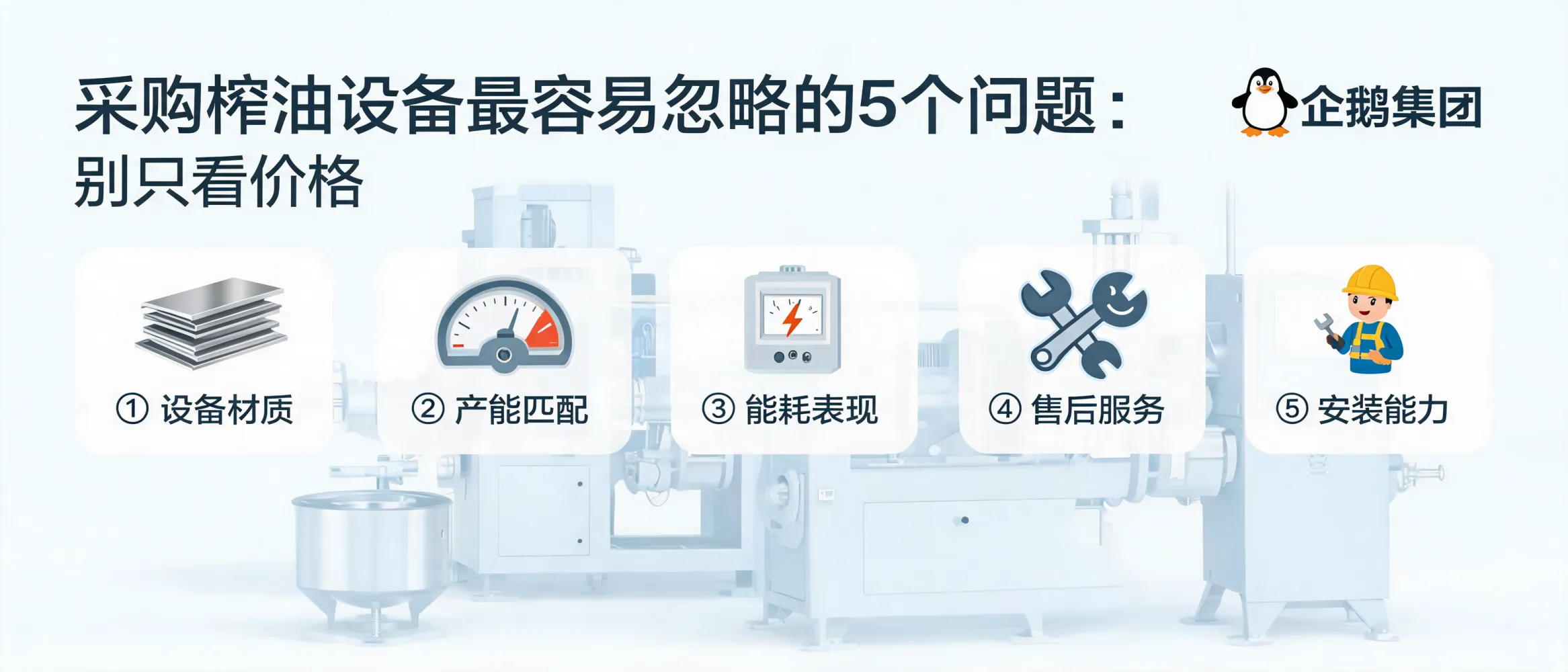
Selecting the right equipment requires more than comparing machine prices. Oilseed type, required capacity, processing technology, automation level, product quality objectives, and target-market requirements all influence the final configuration. Qi'e Grain and Oil Machinery Co., Ltd. supports overseas grain and oil processing projects with equipment, process planning, installation guidance, and technical service.
The oilseed being processed is one of the first factors to define an oil production line. Soybean, rapeseed, sunflower seed, palm, and cottonseed oils can have different processing characteristics and refining requirements. The intended product—such as commercial edible oil or a higher-quality packaged oil—also affects the process design.
Confirm whether the project will process soybean, rapeseed, sunflower, palm, cottonseed, or another plant oil source.
Define the desired color, flavor, stability, storage performance, and applicable food-safety requirements.
Consider the target country or region, local operating conditions, product specifications, and planned sales model.
Capacity should be based on actual raw-material availability, expected operating schedules, investment planning, and future production requirements. Qi'e edible oil refining equipment supports configurable capacities from 1 to 500 TPD, allowing the equipment solution to be aligned with small-scale, expanding, and larger commercial projects.
| Selection factor | Questions to evaluate | Equipment planning implication |
|---|---|---|
| Current output | How much oil or raw material must be processed? | Defines the initial production capacity. |
| Expansion plans | Will demand or raw-material supply increase? | May influence modular design and future capacity planning. |
| Operating conditions | What utilities, labor, floor space, and local services are available? | Affects automation, layout, installation, and technical support requirements. |
An oil press, an edible oil production line, and edible oil refining equipment perform different roles within a grain and oil processing project. The appropriate combination depends on whether the project focuses on oil extraction, complete oil production, or improvement of crude oil quality.
Suitable for projects that need mechanical oil extraction from selected oilseeds. The equipment choice should reflect the raw material, desired throughput, operating method, and downstream requirements.
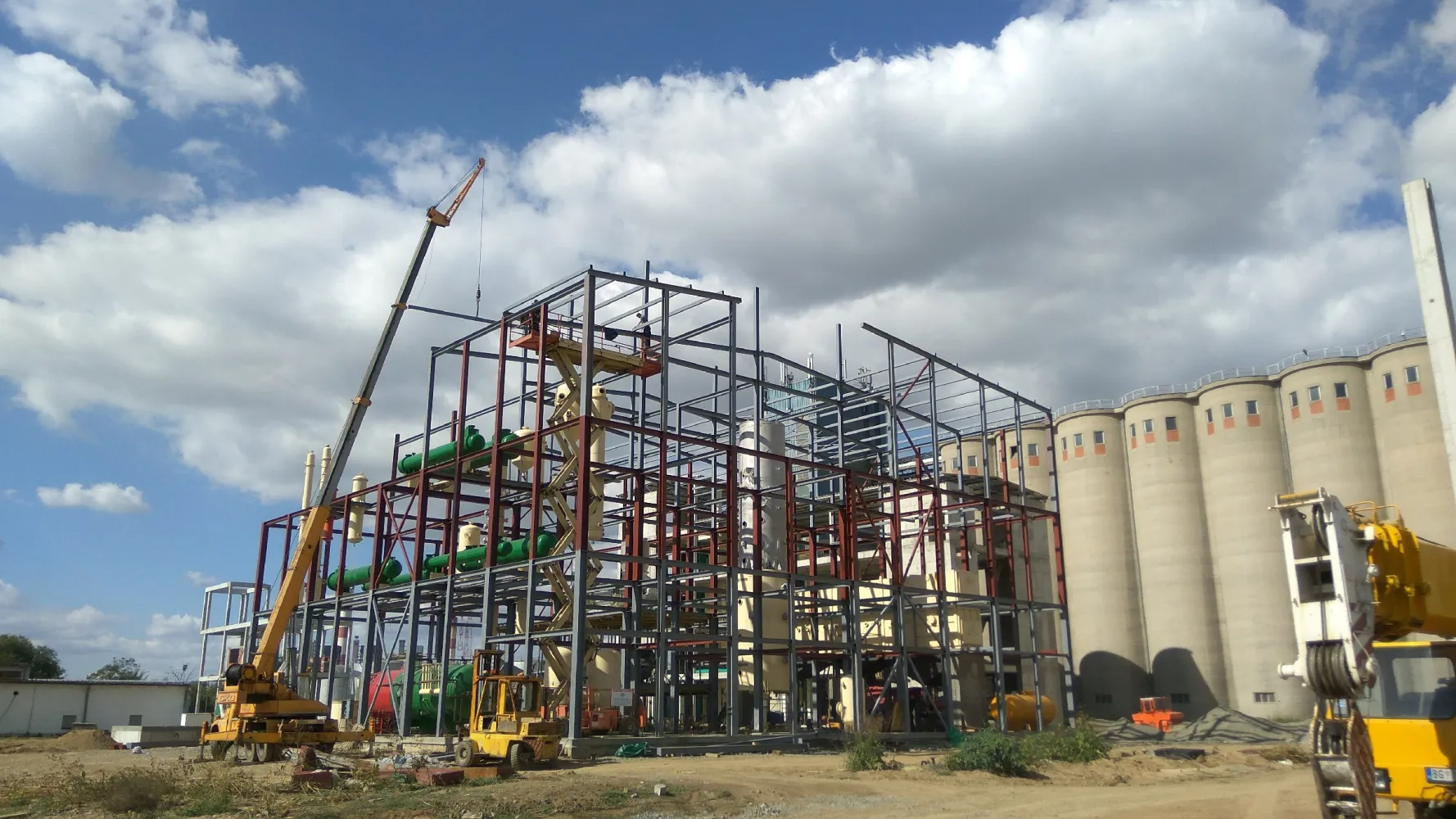
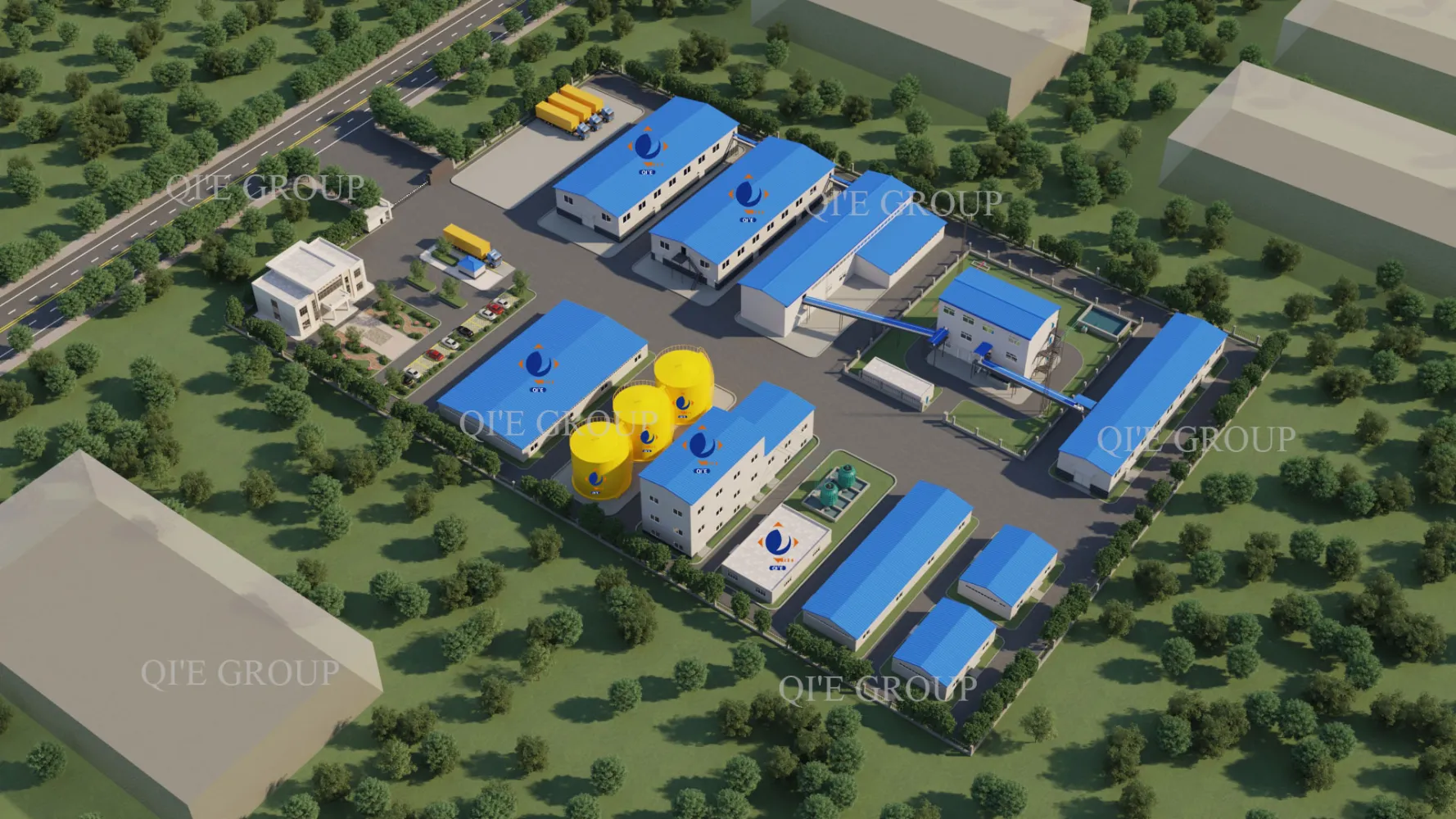
Designed for projects that require coordinated processing equipment rather than a single machine. Layout and configuration should be planned around the oilseed, capacity, utilities, and final product.
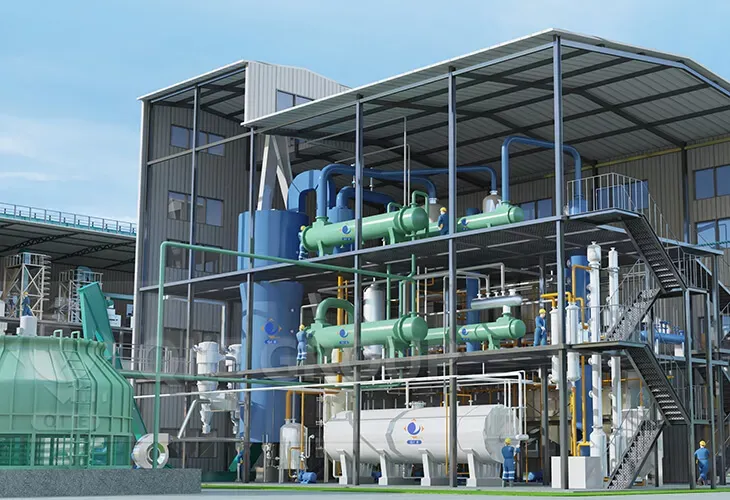
Used to process crude oil and remove targeted impurities through stages such as degumming, neutralization, bleaching, deodorization, and optional dewaxing or fractionation.
For crude vegetable oil, refining equipment should be evaluated as a process system. Qi'e’s edible oil refining solutions can be configured for multiple plant oils and may include the following treatment stages according to the project’s oil type and quality requirements:
Automation should be selected according to the project’s operating team, production consistency requirements, available utilities, and investment plan. For refining projects, an automatic temperature-control system for dewaxing or fractionation can help manage the separation of wax or stearin and support more consistent process operation.
Important selection point: automation is not only a control-panel decision. It should be considered together with process design, equipment layout, operator training, maintenance access, and the technical support available after installation.
Before requesting a quotation, prepare the following information. Clear project data helps the equipment supplier recommend a more suitable configuration instead of offering a generic machine package.
Qi'e Grain and Oil Machinery Co., Ltd. develops, manufactures, sells, and services grain and oil processing equipment for B2B customers. Its product range covers oil pressing equipment, oil production line equipment, and edible oil refining equipment. The company provides project-oriented support including equipment selection, process design, installation guidance, and technical service.
For refining applications, Qi'e can help customers evaluate equipment for soybean, rapeseed, sunflower, palm, and cottonseed oils, with capacity planning from 1 to 500 TPD. The final solution should be determined by the specific raw material, processing objectives, quality requirements, and operating conditions of each project.
Share your oilseed type, planned capacity, desired product quality, refining stages, and project location with the Qi'e team. We can help you assess the appropriate oil press, edible oil production line, or refining equipment configuration for your application.
Contact Qi'e Grain and Oil Machinery Co., Ltd.