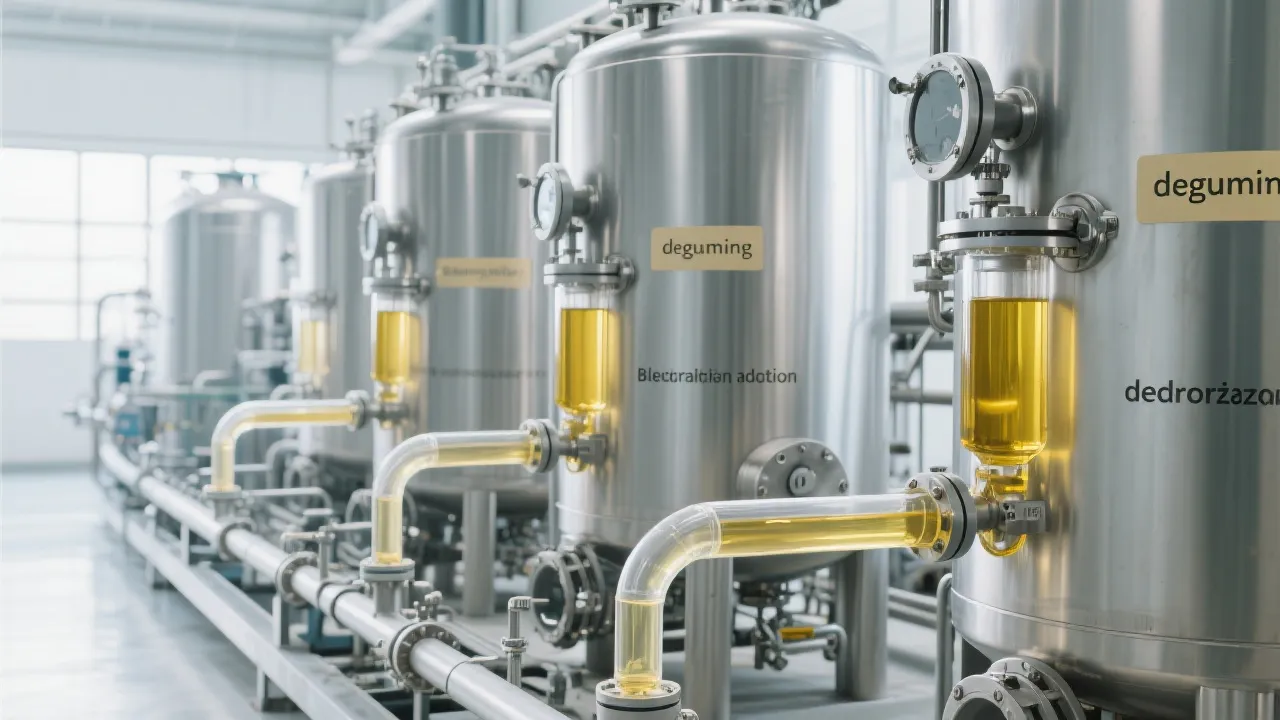
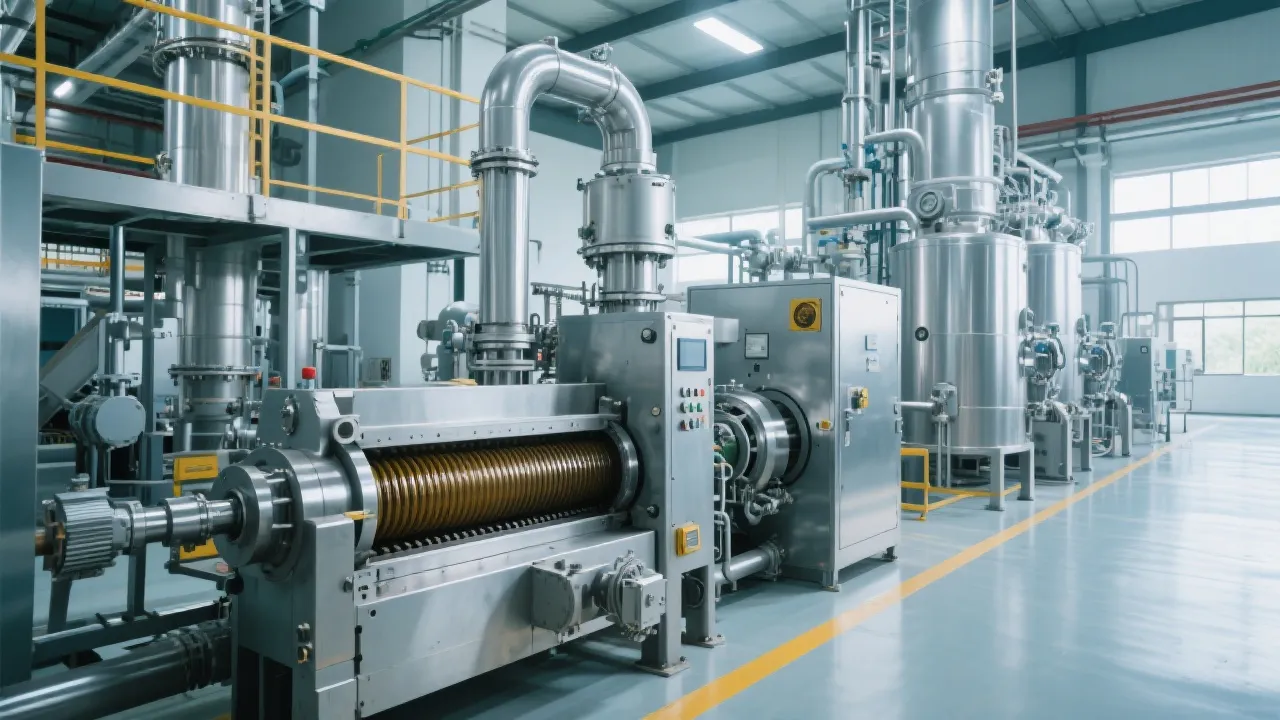
Edible oil refining is a crucial process to ensure the quality and safety of the final product. Among all the refining steps, degumming stands out as a key procedure. This article will delve into the physical - chemical mechanisms and key steps of degumming processes, aiming to enhance the understanding of industry professionals and enthusiasts.
The core of the degumming process lies in the removal of impurities from the crude oil. Phospholipids, mucilage, and other non - oil substances are the main targets. In the process, the physical and chemical properties of these impurities are utilized. For example, phospholipids can be hydrated and separated from the oil phase under specific conditions.

There are two main types of degumming techniques: hydration degumming and acid - based degumming. Hydration degumming is suitable for oils with relatively low phospholipid content. By adding a certain amount of water, the phospholipids are hydrated and coagulated, then separated from the oil. Generally, the temperature for hydration degumming is around 60 - 70°C, and the water addition is about 2 - 3% of the oil weight.
Acid - based degumming, on the other hand, is more effective for oils with high - content or non - hydratable phospholipids. Acids such as phosphoric acid or citric acid are added to convert non - hydratable phospholipids into hydratable ones. The pH value during acid - based degumming is usually adjusted to 2 - 3, and the acid addition is about 0.1 - 0.3% of the oil weight.
| Degumming Type | Temperature | pH Value | Additive Amount |
|---|---|---|---|
| Hydration Degumming | 60 - 70°C | N/A | 2 - 3% water |
| Acid - Based Degumming | 50 - 60°C | 2 - 3 | 0.1 - 0.3% acid |
Temperature, pH value, and stirring speed are three key parameters that significantly affect degumming efficiency. Higher temperatures can accelerate the reaction rate but may also cause side - reactions. For instance, if the temperature is too high during acid - based degumming, it may lead to oil oxidation. The optimal pH value ensures the proper conversion of phospholipids, and the right stirring speed helps to disperse the additives evenly in the oil.
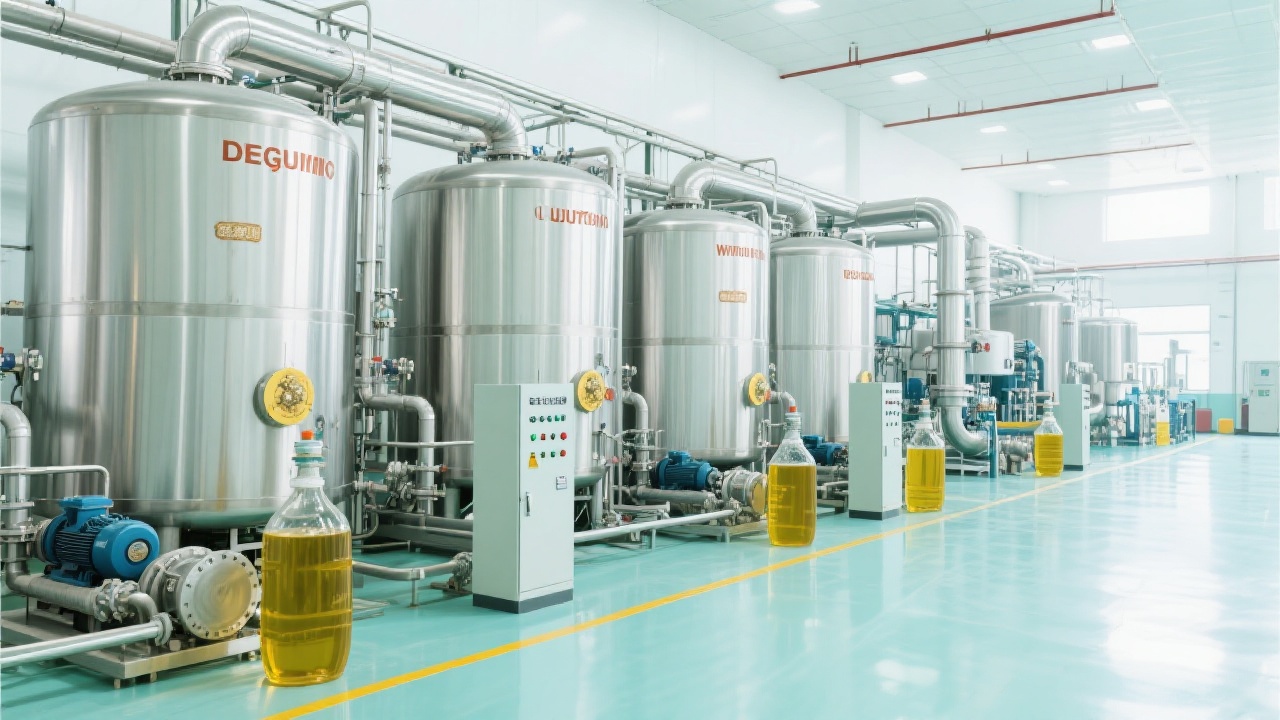
After degumming, some common problems may occur, such as cloudy oil and abnormal stratification. Cloudy oil may be caused by incomplete separation of impurities or improper process parameters. Adjusting the temperature, pH value, or adding appropriate flocculants can solve this problem. Abnormal stratification may be due to incorrect water or acid addition. By carefully calculating and controlling the additive amount, this issue can be resolved.
Let's take a real - world example. A soybean oil refining plant was facing the problem of cloudy oil after degumming. After analyzing the process, it was found that the stirring speed was too low, resulting in uneven distribution of additives. By increasing the stirring speed to the appropriate level, the degumming effect was significantly improved, and the oil became clear.
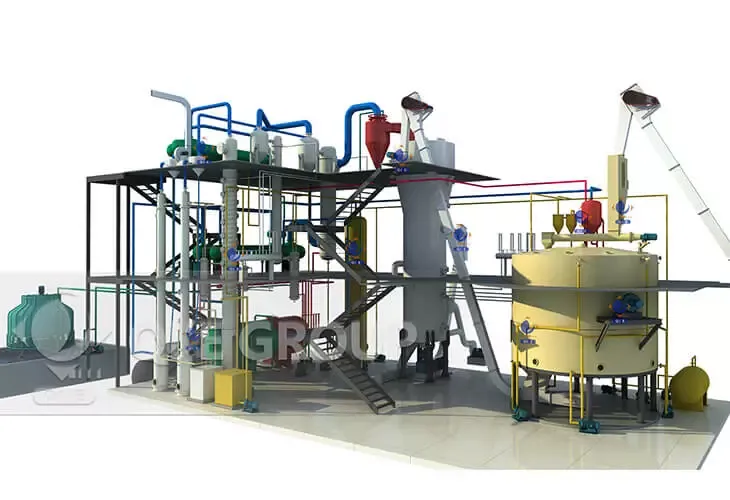
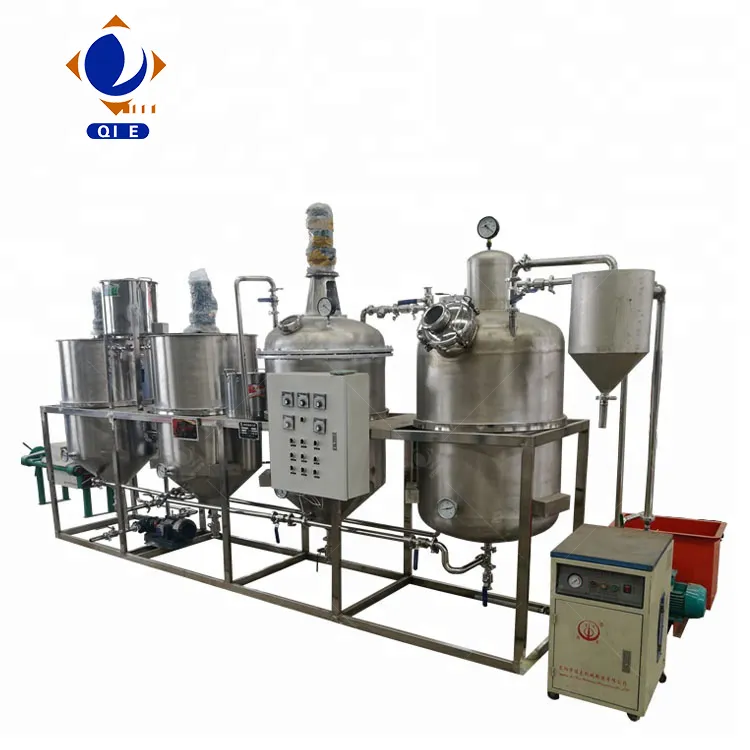
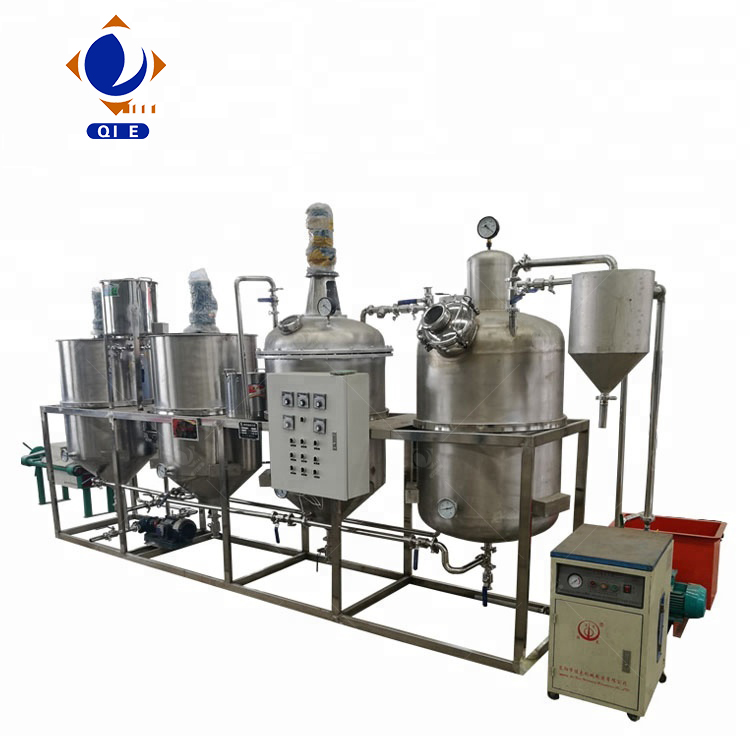
QIE Group offers state - of - the - art degumming equipment. Our equipment is designed with advanced technology, which can precisely control process parameters such as temperature, pH value, and stirring speed. Moreover, we provide 24/7 customer service support to ensure that our clients can operate the equipment smoothly and achieve high - quality degumming results.
Do you have any questions about degumming processes or our equipment? Feel free to leave your questions below, and our experts will answer them as soon as possible.