In edible oil refining, de-gumming is often treated as a preliminary step—but it’s actually the foundation of quality. According to industry data from the International Oleochemical Society (IOS), poor phospholipid removal in this stage can increase downstream chemical consumption by up to 18% and reduce overall yield by 3–5%. That’s not just inefficiency—it’s a direct hit on profitability.
Many refineries overlook subtle signs like inconsistent viscosity or early color degradation post-neutralization. But these are red flags. A case study from a major vegetable oil processor in Malaysia revealed that when phosphorus content remained above 15 ppm after de-gumming, their bleaching earth usage spiked by 22%, and steam consumption during degumming increased by 14% due to inefficient water separation.
| Parameter | Typical Target | Impact if Exceeded |
|---|---|---|
| Phospholipid Residue (ppm) | ≤10 ppm | ↑ Bleach demand, ↓ Oil clarity |
| Water Content (%) | ≤0.5% | ↑ Steam use, ↑ Emulsion risk |
| Temperature Stability (°C) | ±1°C | ↓ Reaction efficiency, ↑ Waste |
Our high-performance automatic control system for de-gumming doesn’t just monitor—it optimizes. With real-time temperature联动 (linked control) between mixing tanks and dehydration units, we’ve helped clients reduce energy waste by an average of 12%. Integrated liquid level sensors ensure precise acid addition without over-dosing, while adaptive feedback loops adjust pH and heat input based on feedstock variability—critical for processing mixed crude oils like soybean + palm blends.
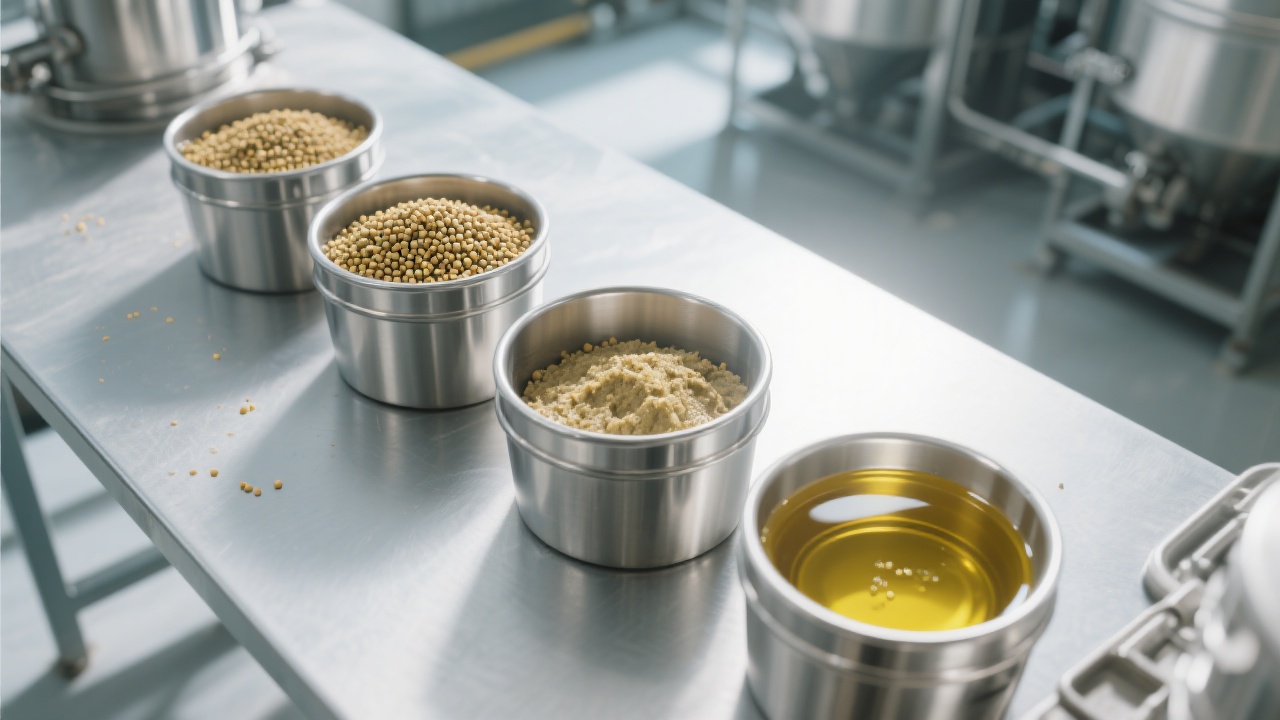
What sets us apart? We don’t offer one-size-fits-all automation. Whether you're running a small-scale plant in Egypt or a large facility in Brazil, our systems adapt through modular design and cloud-based analytics. One client saw a 27% improvement in throughput within 6 weeks of implementation—not because of hardware alone, but because of how deeply we integrate with existing workflows.
If your current process struggles with inconsistent quality or rising operational costs, it might be time to rethink automation—not as an expense, but as a strategic upgrade.
Get a Free Process Audit for Your De-gumming Line →