Hydraulic Oil Press Production Line Customization: Achieving Flexible Capacity from 30 to 1000 Tons/Day
This article provides an in-depth analysis of customized hydraulic oil press production line solutions, focusing on how to achieve flexible matching of daily capacities ranging from 30 to 1000 tons. It covers the working principles of hydraulic pressing technology and its applicability to multiple capacities and oilseed types. The efficient synergy of key steps in the production line, such as seed cleaning, weighing, crushing, bleaching, pressing, and filtering, is elaborated. The article emphasizes the significant advantages of customized design in enhancing oil yield, oil purity, and enabling automated operations. Additionally, it introduces comprehensive technical support and maintenance services to ensure long-term stable operation and improved competitiveness of the production line. Aimed at providing practical customized solutions, this article assists customers in achieving green, efficient production and sustainable business growth.

In today's competitive edible oil industry, manufacturers face the dual challenge of meeting fluctuating market demands while maintaining consistent product quality and operational efficiency. The ability to scale production capacity without compromising on oil extraction rates or product purity has become a critical differentiator for businesses aiming to stay ahead in this dynamic sector.
The Evolution of Hydraulic Pressing Technology in Modern Oil Production
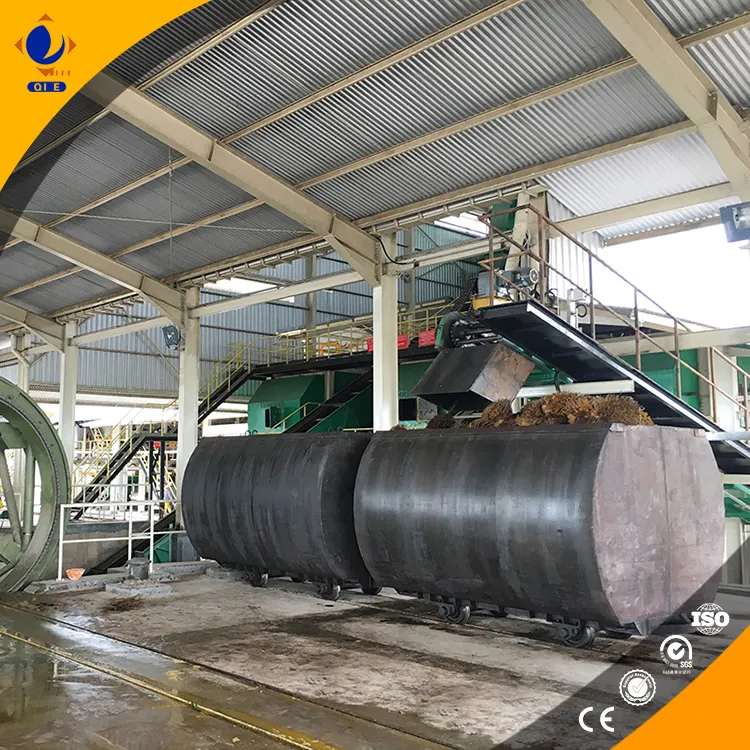
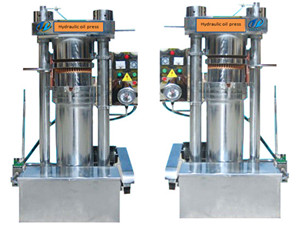
Hydraulic oil pressing technology has undergone significant advancements over the past decade, emerging as a preferred solution for edible oil manufacturers worldwide. Unlike traditional screw pressing methods, modern hydraulic systems utilize precisely controlled pressure—typically ranging from 30 to 60 MPa—to extract oil from various oilseeds with remarkable efficiency.
Key Advantages of Hydraulic Pressing Technology
- Higher Oil Yield: Studies show hydraulic systems can increase oil extraction rates by 8-12% compared to conventional methods, depending on seed type
- Superior Oil Quality: Lower operating temperatures (typically below 60°C) preserve natural oils, antioxidants, and nutritional properties
- Reduced Energy Consumption: Up to 25% lower energy requirements compared to traditional mechanical pressing systems
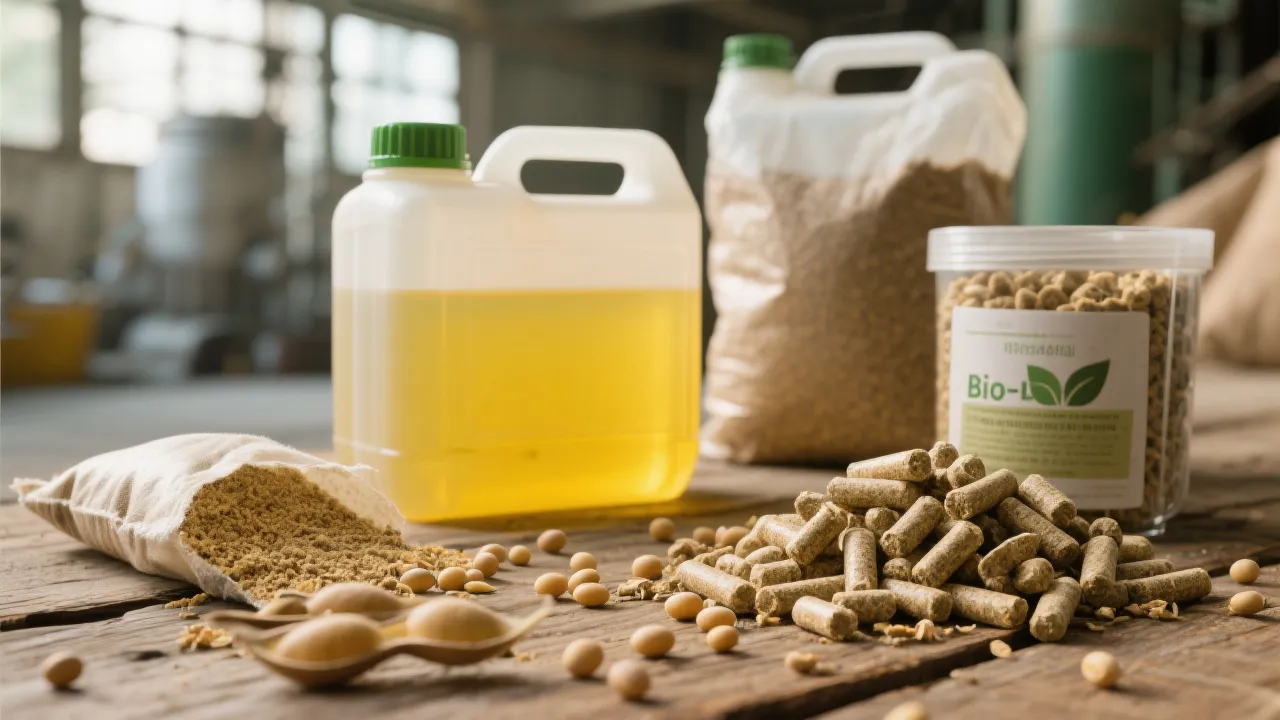
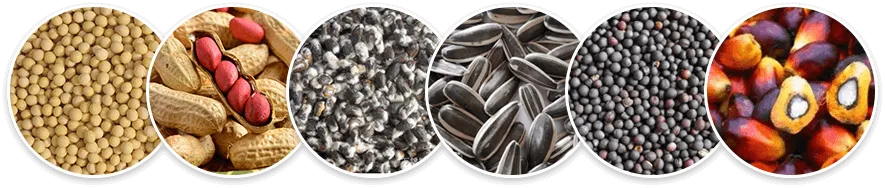
- Versatility: Capable of processing over 20 different oilseeds including soybeans, sunflower, rapeseed, palm kernel, and peanuts
Custom Capacity Solutions: From 30 to 1000 Tons Per Day
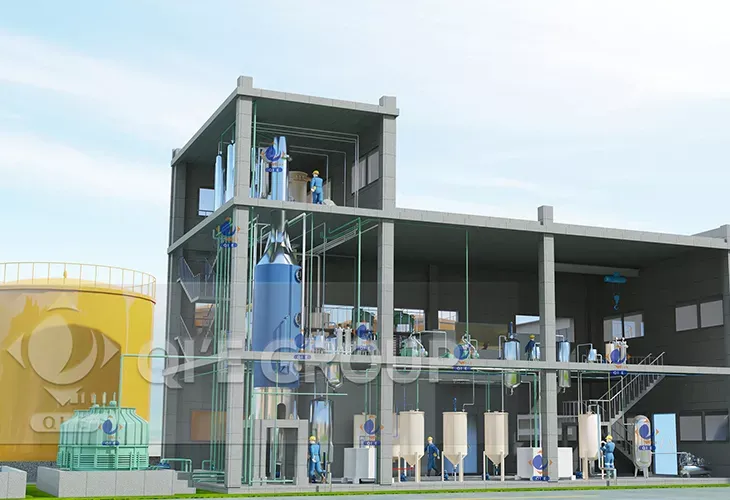
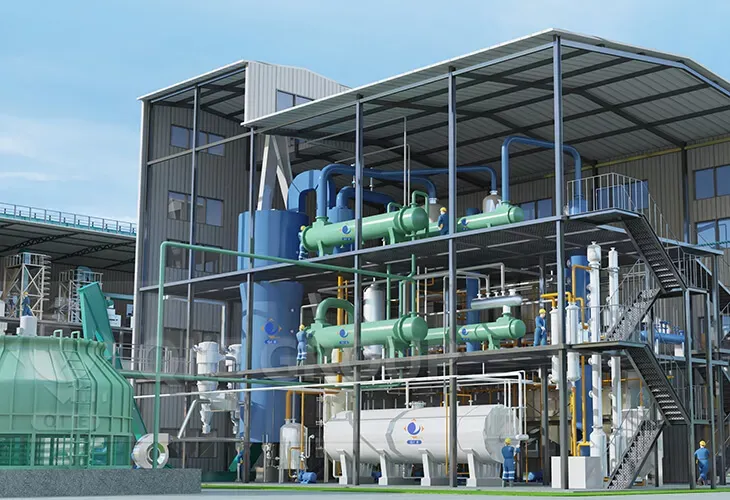
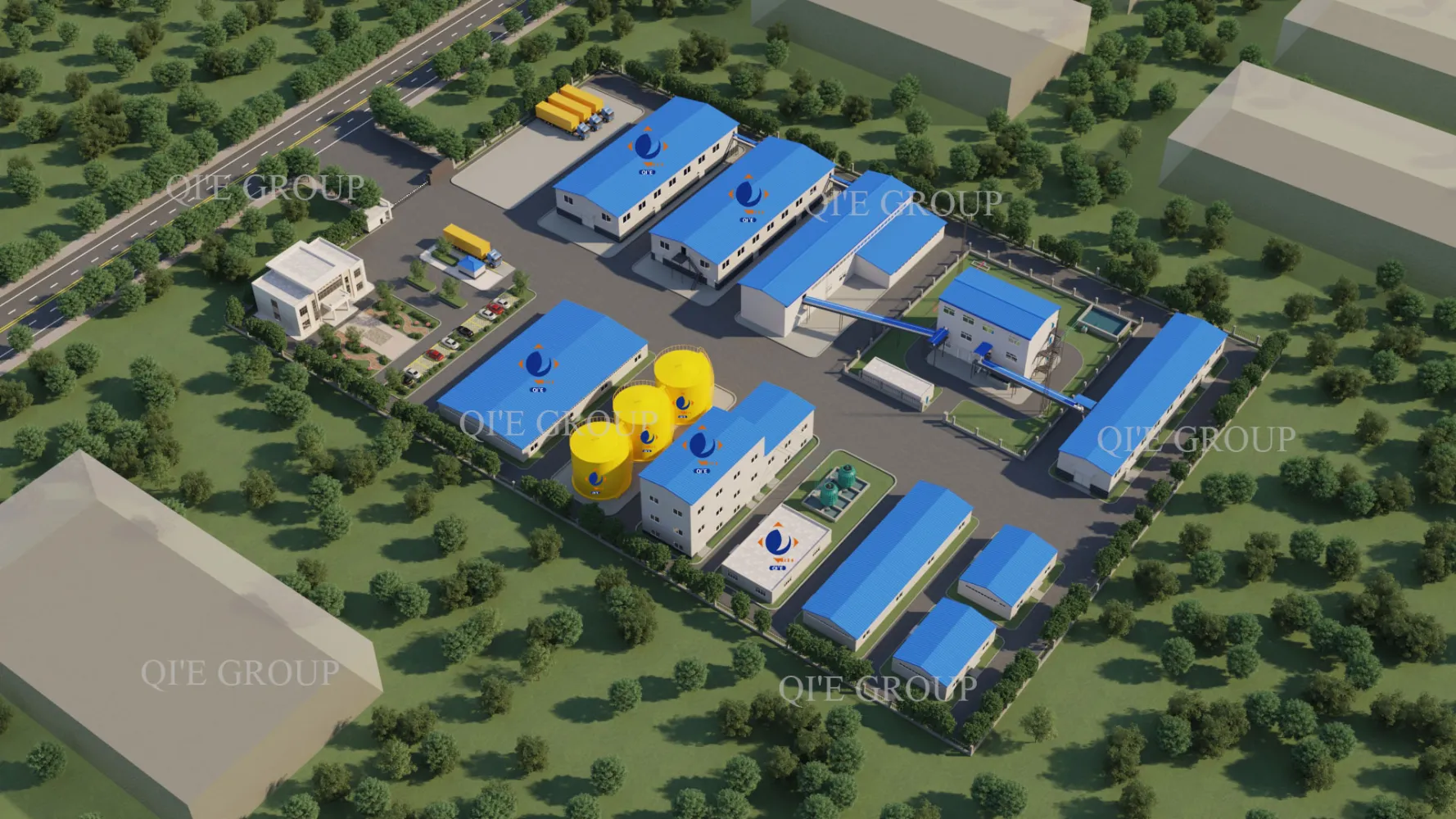
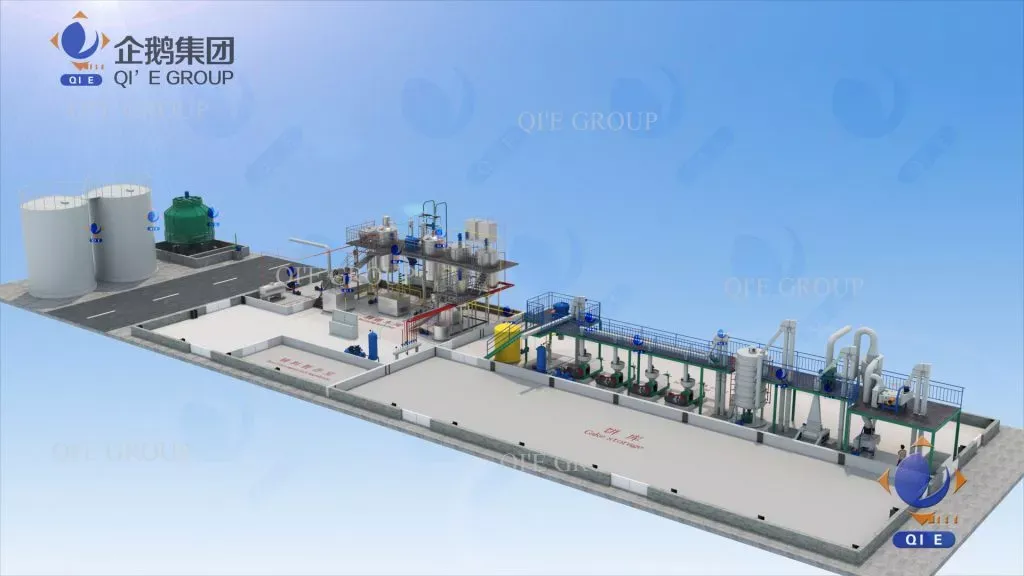
The hallmark of modern hydraulic oil processing lines is their exceptional scalability. Whether you're a medium-sized operation targeting 30-100 tons per day or a large-scale facility requiring 500-1000 tons daily capacity, these systems can be precisely engineered to match your production needs.
Small to Medium Capacity (30-200 TPD)
Ideal for specialty oil producers and regional processors, these modular systems feature:
- Semi-automated operation with minimal labor requirements
- Compact footprint (typically 200-400 m²)
- Quick changeover between different oilseed types
- Energy consumption of 80-120 kWh per ton of processed seeds
Large-Scale Production (200-1000 TPD)
Designed for industrial-scale operations with high-volume requirements:
- Fully automated PLC control systems with remote monitoring
- Continuous processing capability with minimal downtime
- Integrated oil refining modules for immediate processing
- Advanced waste management and byproduct processing
Critical Process Stages in Hydraulic Oil Production
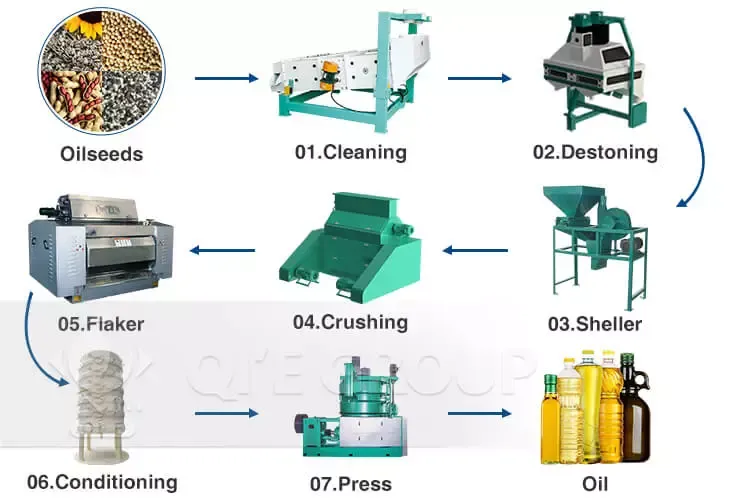
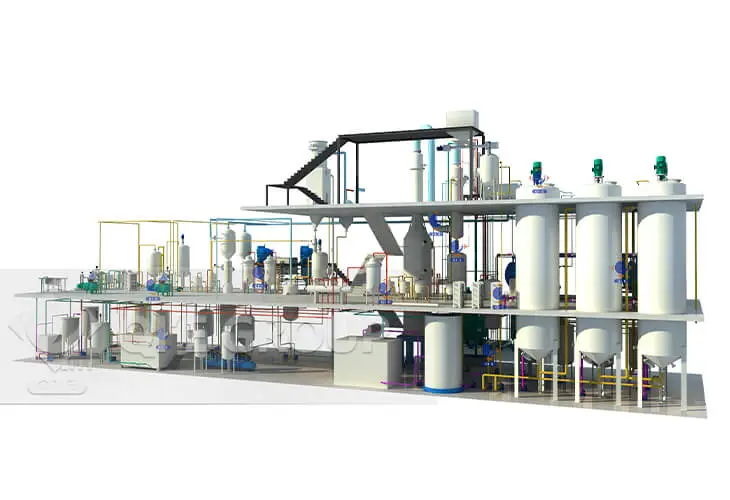
Achieving optimal results requires precise coordination of several key processing stages, each engineered to maximize efficiency and oil quality:
- Seed Cleaning and Preparation: Magnetic separation and air classification remove impurities, achieving 99.9% purity to prevent equipment damage and oil contamination
- Conditioning: Precise moisture control (typically 6-12% depending on seed type) optimizes oil release and protects nutritional value
- Crushing and Flaking: Reduces seed size while maintaining cellular structure for maximum oil extraction
- Hydraulic Pressing: Multi-stage pressure application extracts oil while minimizing heat generation
- Filtration and Purification: Removes particulate matter and impurities, resulting in clear, high-quality crude oil
Enhancing Operational Efficiency Through Automation
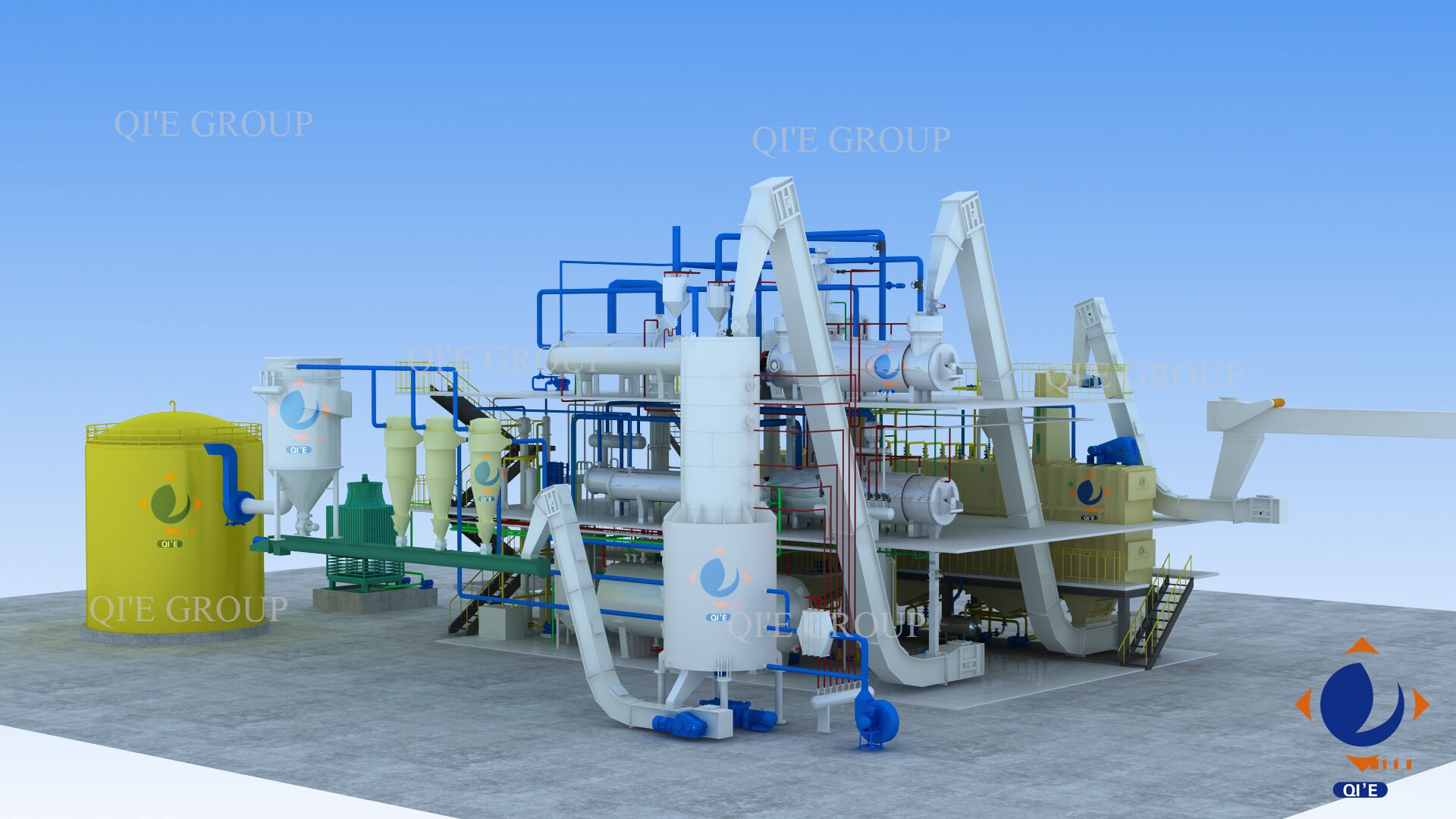
Modern hydraulic oil processing lines integrate advanced automation technologies that deliver significant operational benefits. These systems typically feature intuitive HMI interfaces that allow operators to monitor and adjust key parameters in real-time, including pressure settings, processing temperatures, and material flow rates.
Automation Benefits in Real-World Applications
A recent implementation at a 500 TPD sunflower processing facility demonstrated impressive results after upgrading to an automated hydraulic system:
- 32% reduction in labor costs through automated material handling
- Consistent oil yield with variation reduced from ±5% to ±1.5%
- Energy consumption decreased by 22% compared to their previous screw press system
- Maintenance requirements reduced by 40% through predictive monitoring
Environmental Sustainability: A Core Design Principle
Today's hydraulic oil processing systems prioritize environmental responsibility through multiple design features:
- Closed-loop water systems that reduce consumption by up to 85% compared to traditional methods
- Heat recovery systems that capture and reuse process-generated heat
- Low-emission operation meeting EU emission standards (EU 2010/75/EU)
- Byproduct processing capabilities that convert seed cake into valuable animal feed or biofuel feedstock
Comprehensive Support for Long-Term Operational Success
Beyond equipment supply, leading hydraulic oil processing solution providers offer comprehensive support services that ensure long-term operational efficiency and return on investment. These typically include:
Installation and Commissioning
Expert technical teams ensure proper system setup and optimal initial performance
Operator Training
Comprehensive training programs for operational staff and maintenance personnel
Preventive Maintenance
Scheduled maintenance programs to maximize uptime and extend equipment life
Technical Support
24/7 remote diagnostics and on-site support when needed
Ready to Transform Your Oil Production Capabilities?
Our team of oil processing specialists will work with you to design a customized hydraulic pressing solution that matches your exact capacity requirements, oilseed types, and quality standards.
Request Your Custom Hydraulic Pressing Solution
As the global demand for high-quality edible oils continues to rise, the flexibility, efficiency, and quality advantages of hydraulic pressing technology position it as the solution of choice for forward-thinking oil processors. By investing in a customized hydraulic oil processing line, manufacturers can achieve the dual goals of meeting market demands while optimizing production costs and product quality.