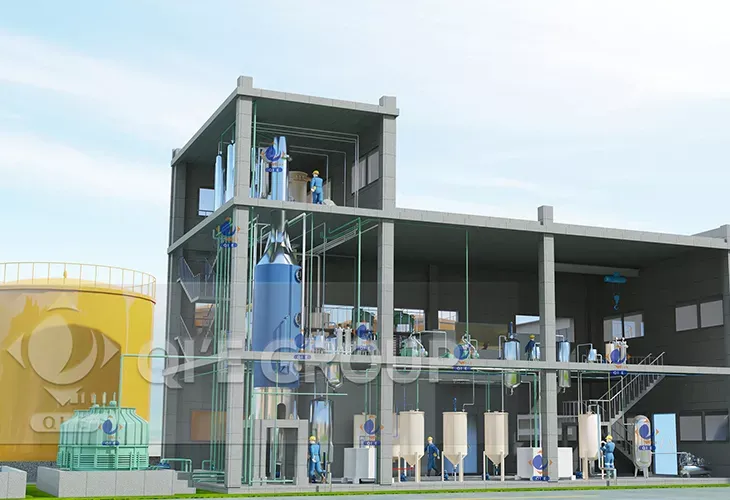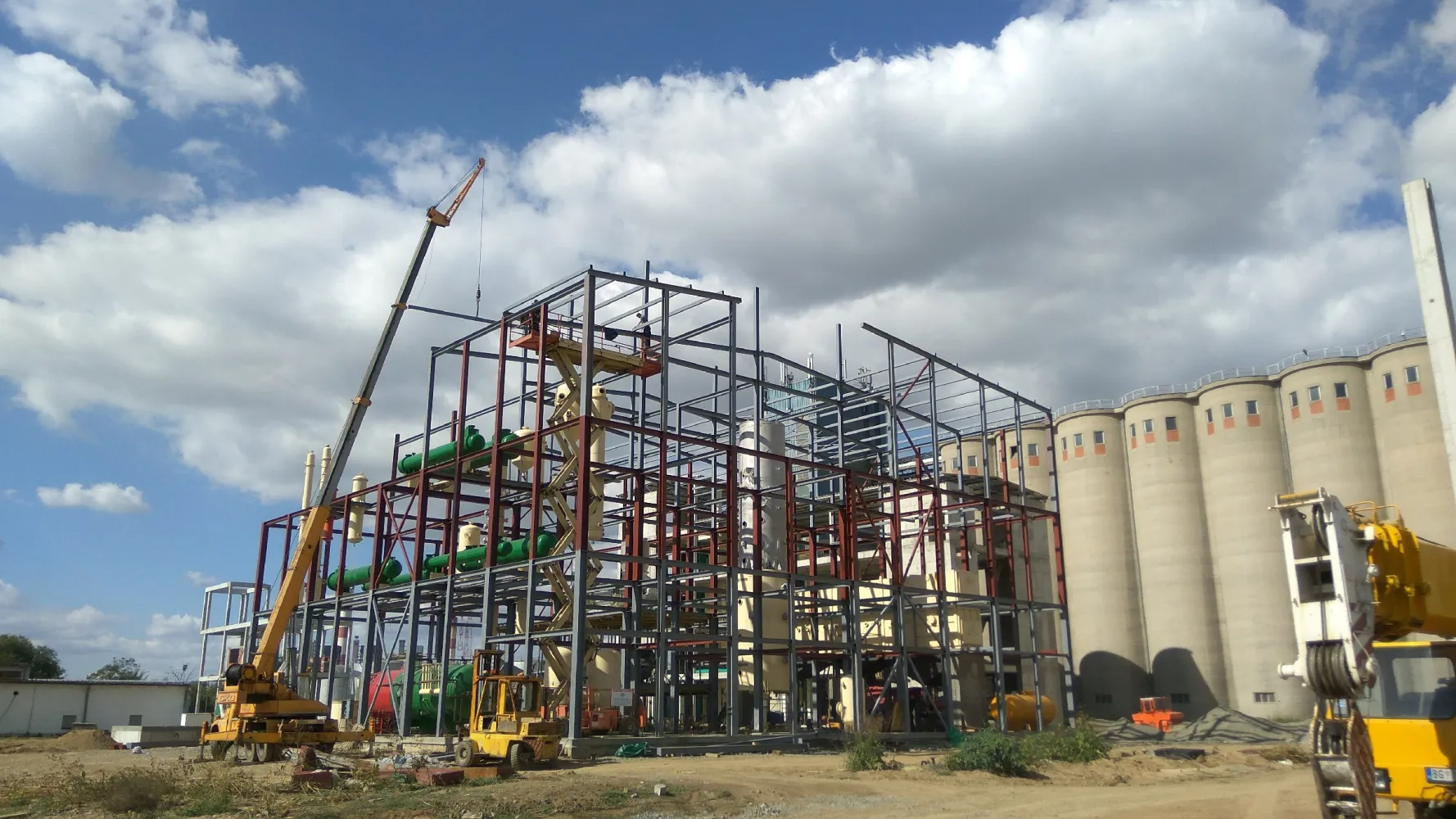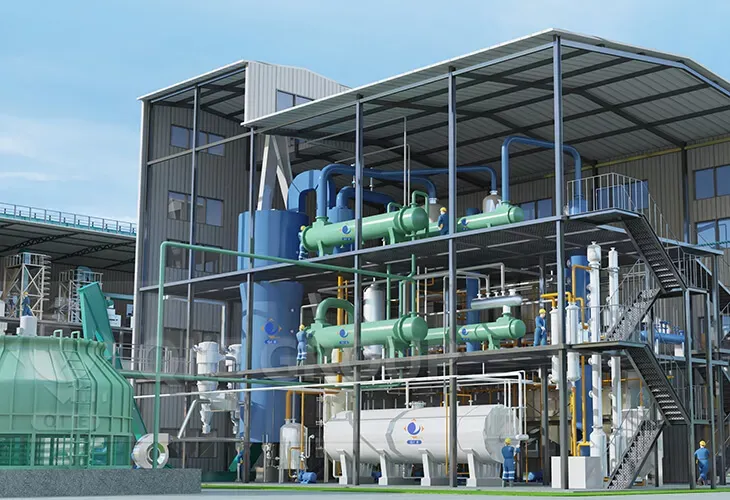

In today's competitive edible oil industry, processors face the dual challenge of maximizing production efficiency while maintaining product quality. According to Statista, the global edible oil market is projected to reach $240 billion by 2025, with a compound annual growth rate of 4.3%. This growth brings both opportunities and pressure for oil mill operators to optimize their production lines.
Did you know?
Modern hydraulic pressing technology can increase oil yield by 5-8% compared to traditional screw pressing methods, while reducing energy consumption by up to 15% - data from International Association of Food Industry Suppliers (IAFIS).
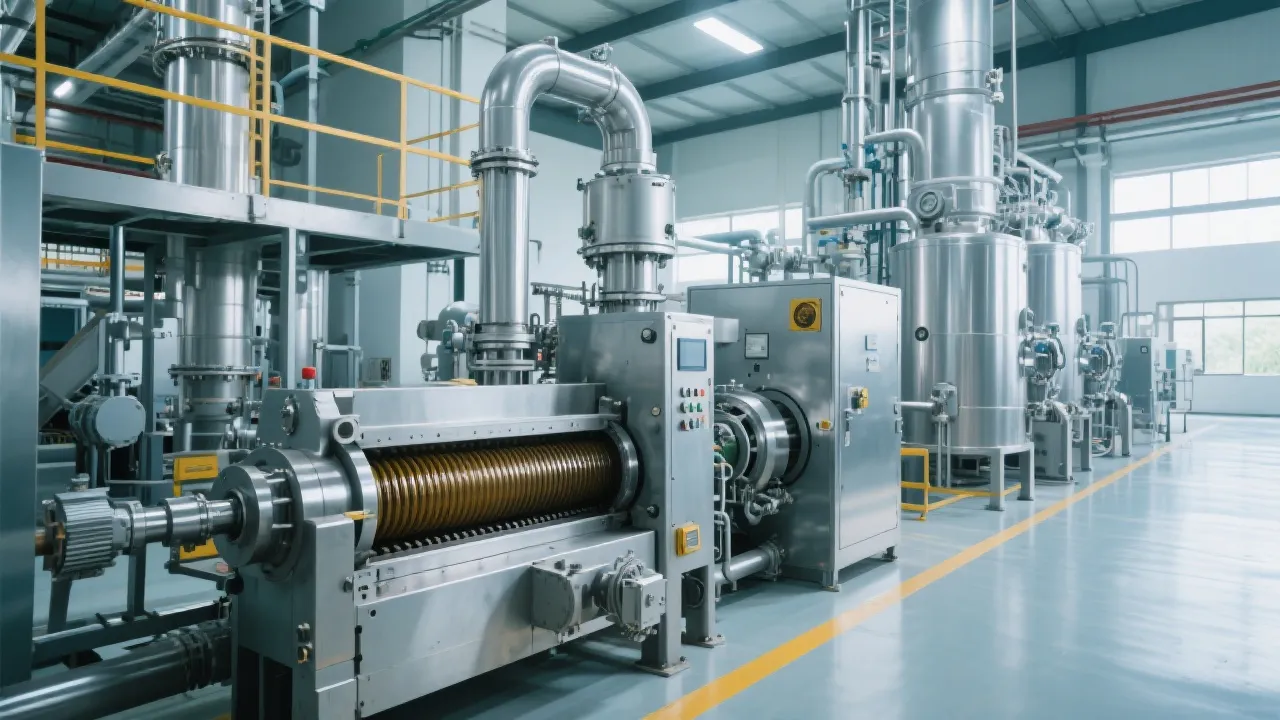
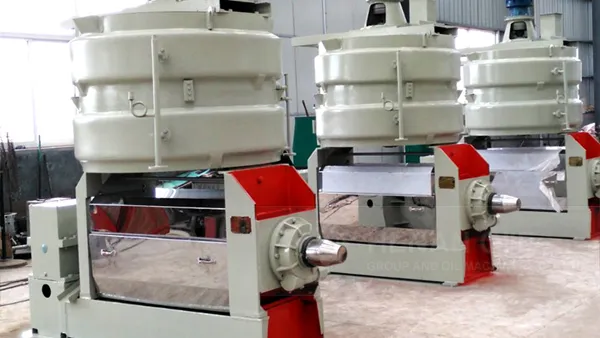
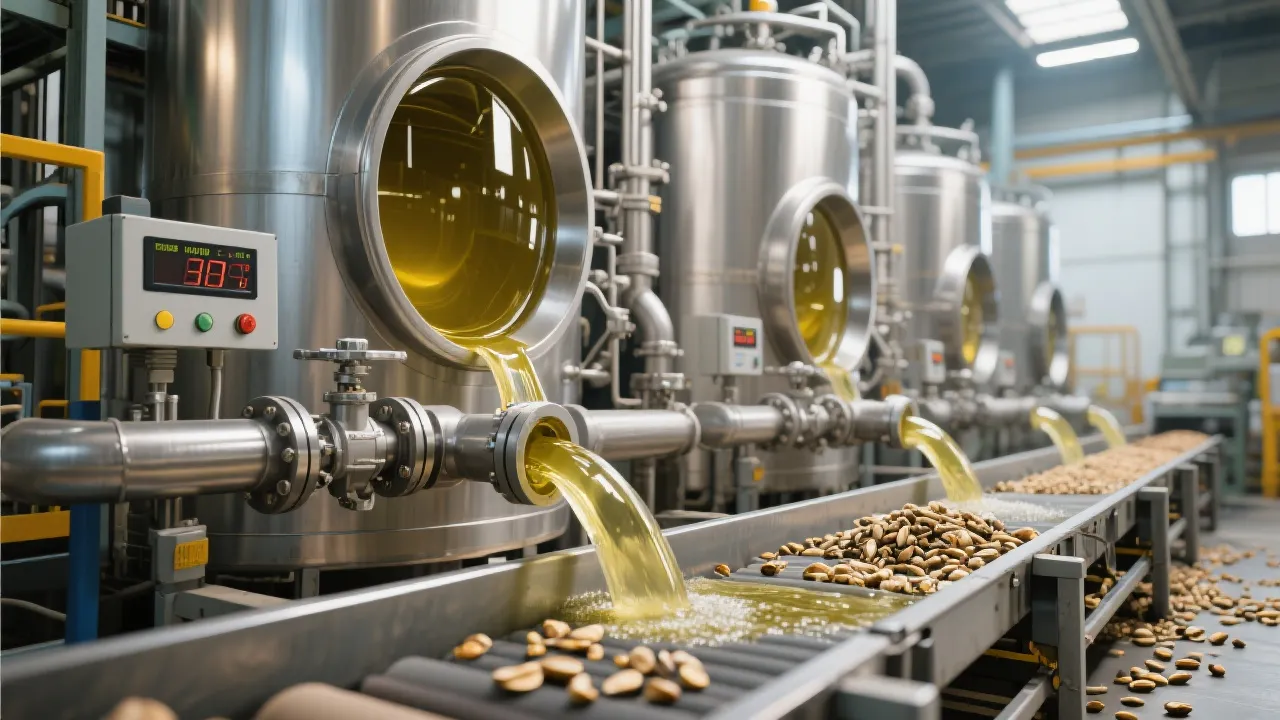
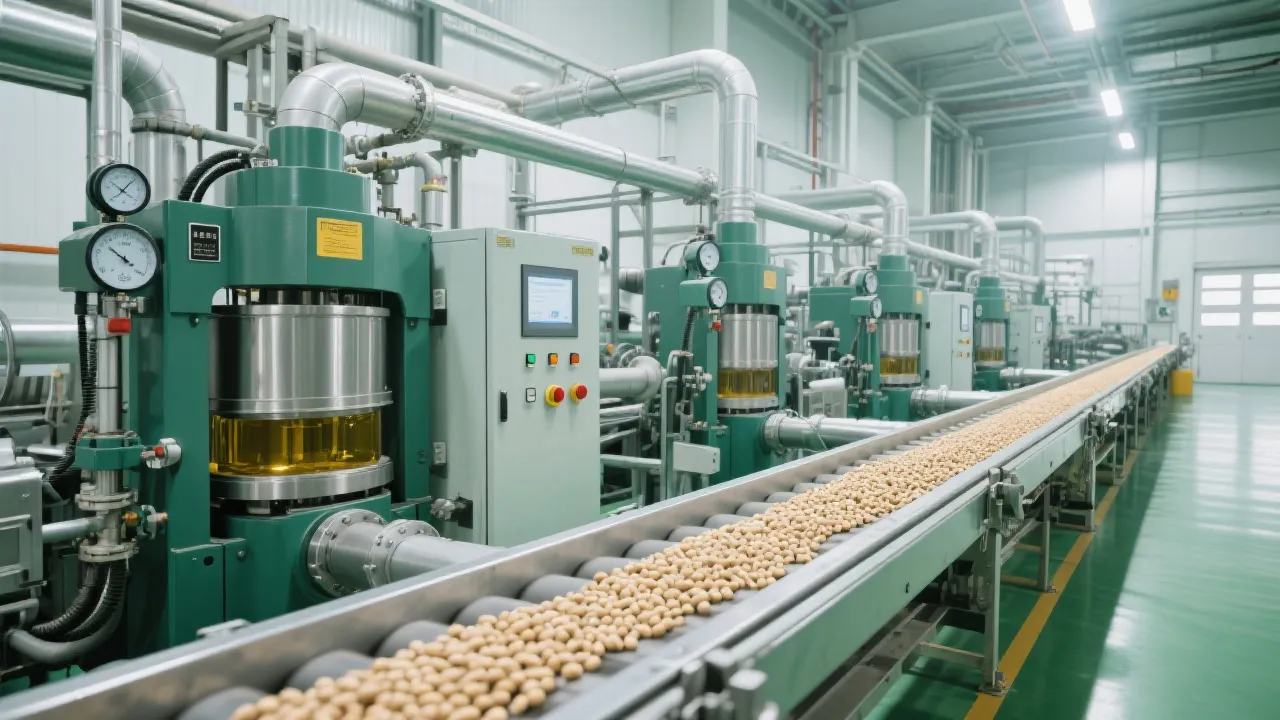
Hydraulic oil pressing technology represents a significant advancement in oil extraction methodology, leveraging precise pressure application to maximize oil yield while preserving the nutritional quality of the end product. Unlike conventional methods that rely on friction and heat, hydraulic systems apply uniform pressure between 30-60 MPa, ensuring complete oil release from oilseeds without compromising their natural properties.
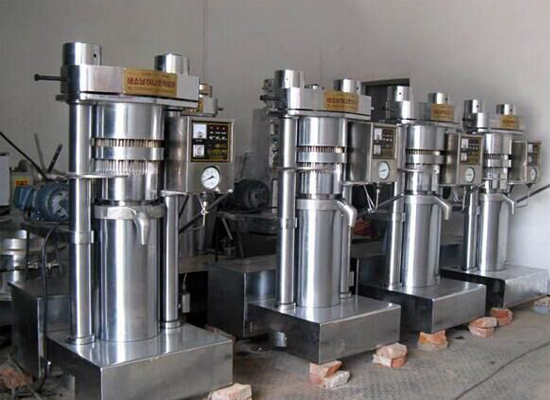
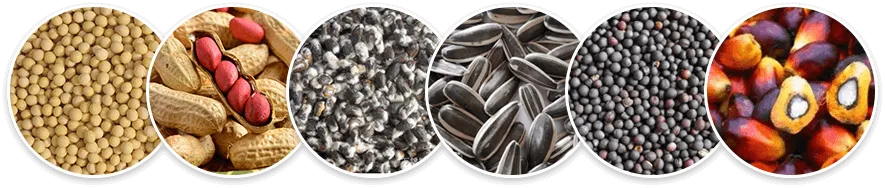
This technology demonstrates remarkable versatility across various oilseeds, including soybeans, sunflower seeds, rapeseed, palm kernels, and peanuts. Each seed type requires specific pressure settings and processing parameters, which is where QIE Group's customization expertise becomes invaluable.
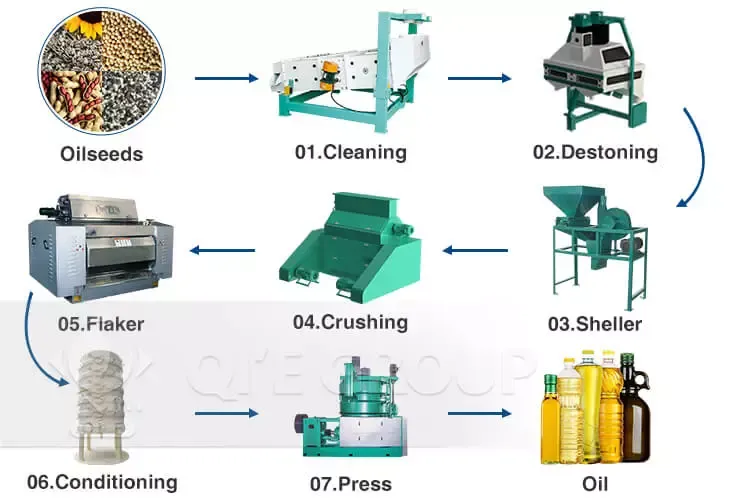
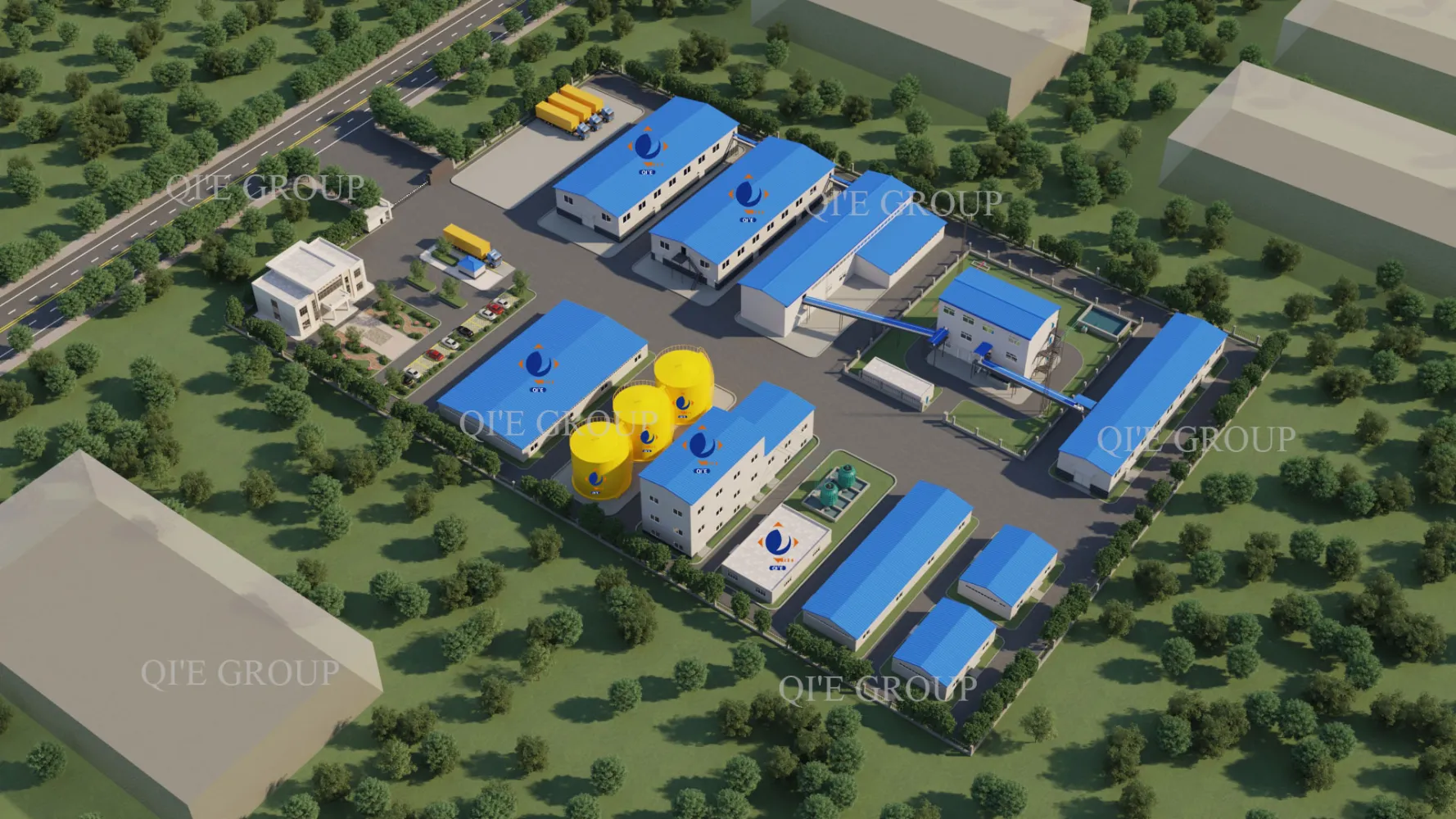
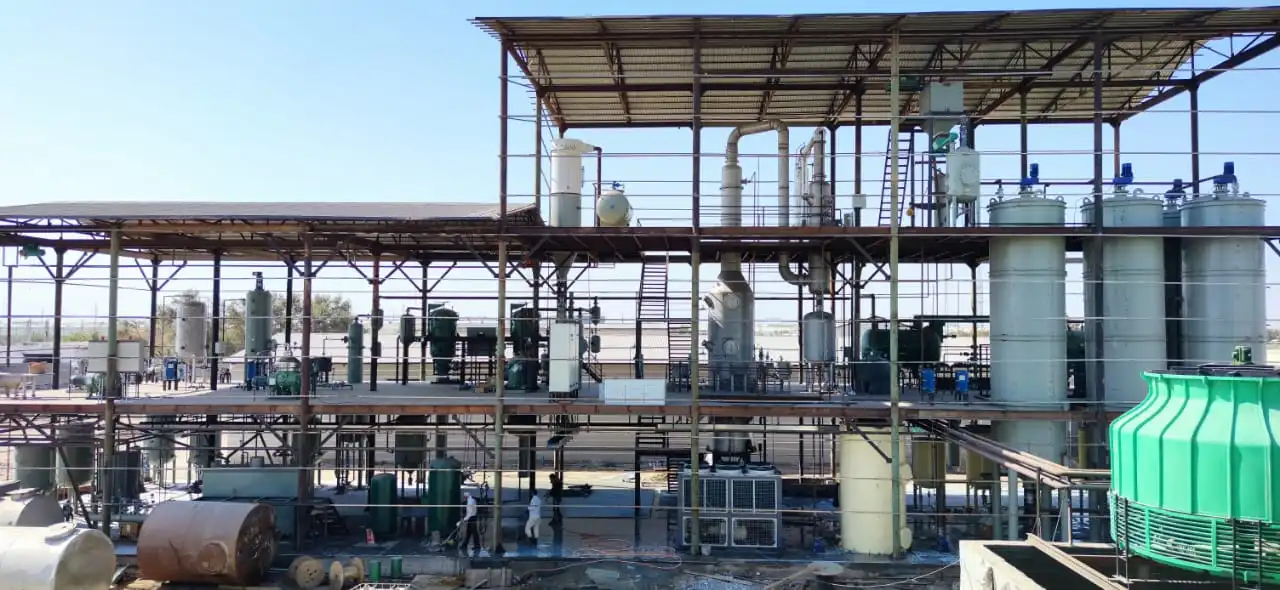
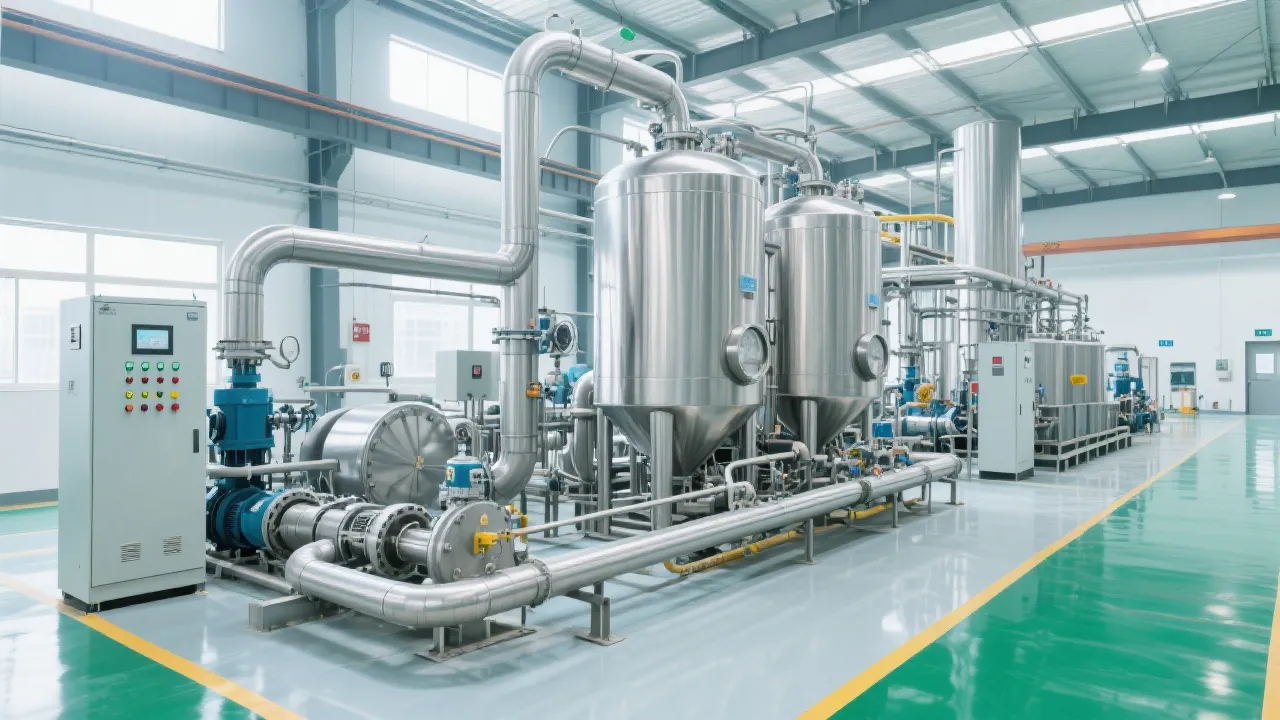
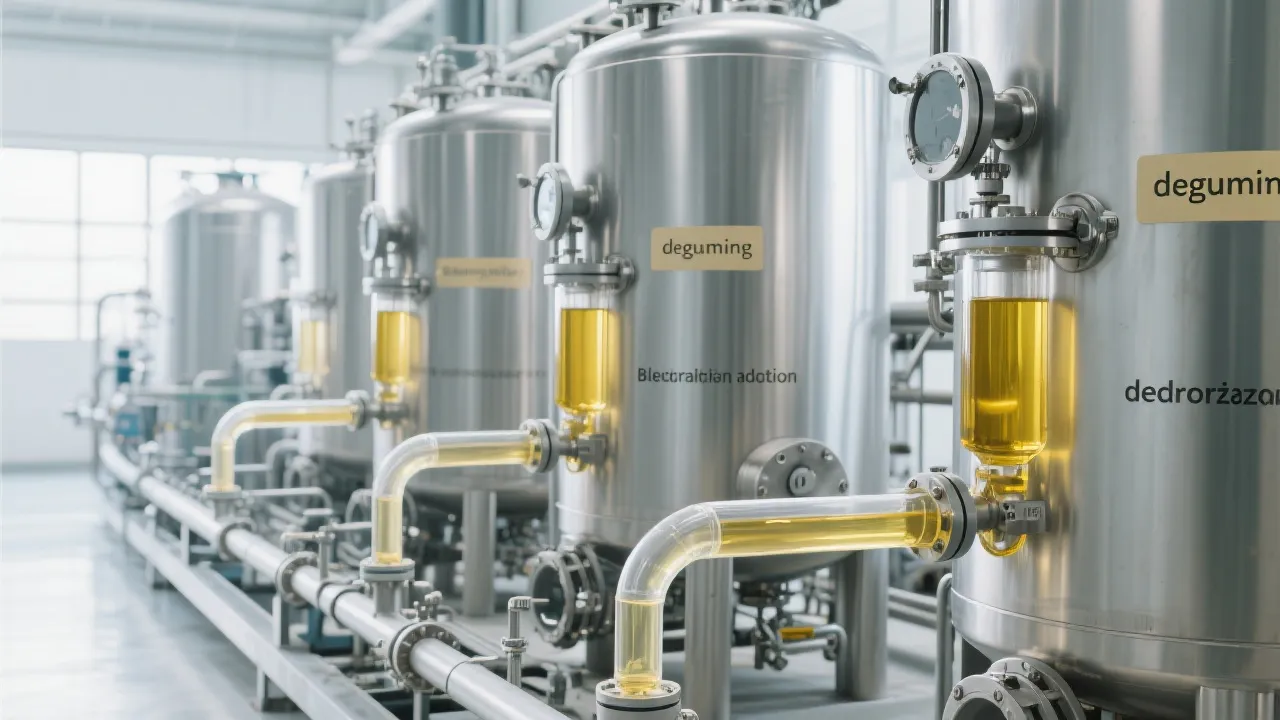
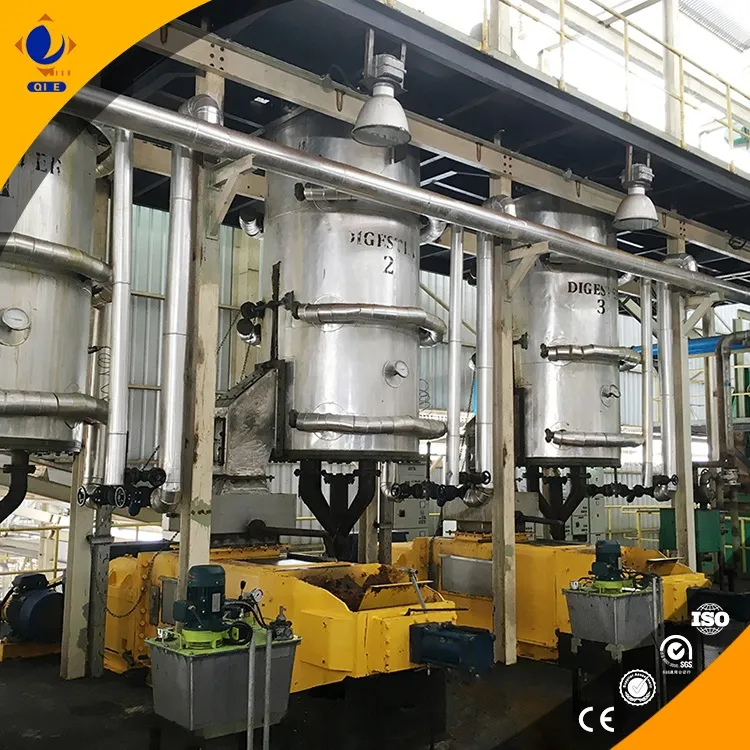
A truly efficient hydraulic oil pressing line is more than just a press - it's a carefully orchestrated sequence of processes working in harmony. QIE Group's integrated approach combines six critical stages:
When these stages are properly synchronized, processors can achieve remarkable results: extraction rates up to 98% of available oil content, with minimal energy consumption and labor requirements.
One size does not fit all in the oil processing industry. A small-scale operation processing 30 tons/day has vastly different needs than a large facility handling 1000 tons/day. QIE Group's engineering team specializes in creating bespoke solutions that align precisely with each client's capacity requirements, budget constraints, and product specifications.
Today's oil processing facilities face increasing pressure to reduce their environmental footprint while maintaining profitability. QIE Group's hydraulic pressing systems address this challenge through innovative design features that minimize resource consumption:
Energy efficiency is achieved through variable frequency drives, heat recovery systems, and optimized hydraulic circuits that reduce power consumption by an average of 18% compared to conventional pressing systems. Water usage is minimized through closed-loop cooling systems and efficient cleaning processes, reducing overall water requirements by up to 30%.
Additionally, the systems are designed for maximum oilseed utilization, with residual cake having higher protein content (6-8% more than traditional methods) and market value as animal feed, creating additional revenue streams for processors.
Investing in a hydraulic oil pressing line is a significant decision that requires ongoing support to ensure optimal performance. QIE Group's commitment to clients extends far beyond equipment delivery, offering a comprehensive support package that includes:
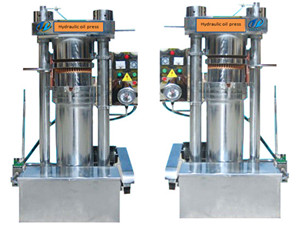
Discover how QIE Group's custom hydraulic oil pressing solutions can help you achieve higher yields, superior oil quality, and lower operating costs.
Request Your Custom Capacity AssessmentMany processors initially question whether custom equipment represents good value compared to standard solutions. Invariably, our clients find that the long-term benefits - including higher yield, lower operating costs, and greater flexibility - result in ROI within 12-18 months for most installations. The key is aligning the system precisely with your specific production goals and oilseed characteristics.
As the global demand for high-quality edible oils continues to rise, the processors who will thrive are those who invest in efficient, flexible production technology. A customized hydraulic pressing solution from QIE Group isn't just about equipment - it's about positioning your operation for sustainable growth and competitive advantage in the years ahead.