Export - oriented oil processing enterprises often face challenges in wax removal processes, mainly in terms of efficiency and cost. This article comprehensively analyzes the technical advantages of combined degumming, deacidification + dewaxing integrated equipment, providing practical insights for industry players.
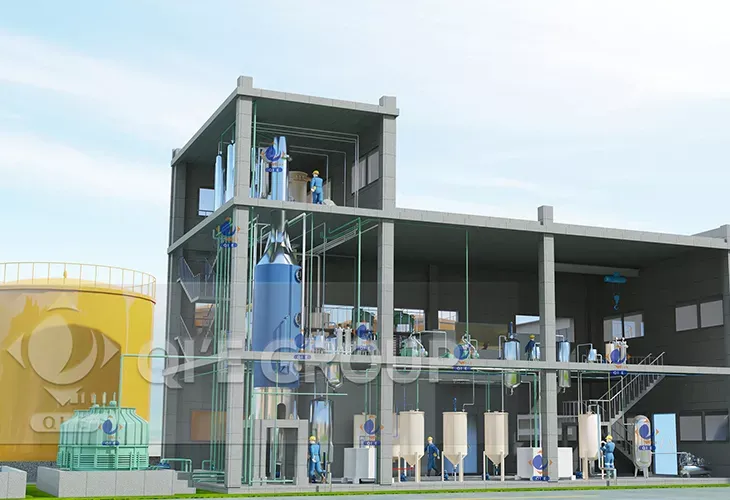
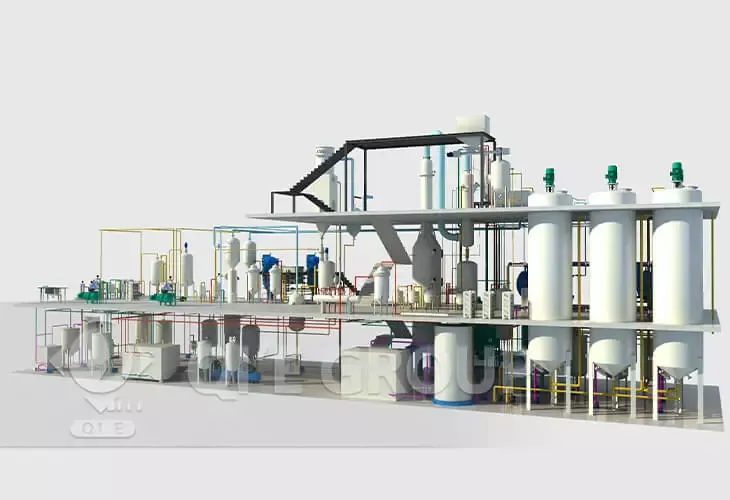
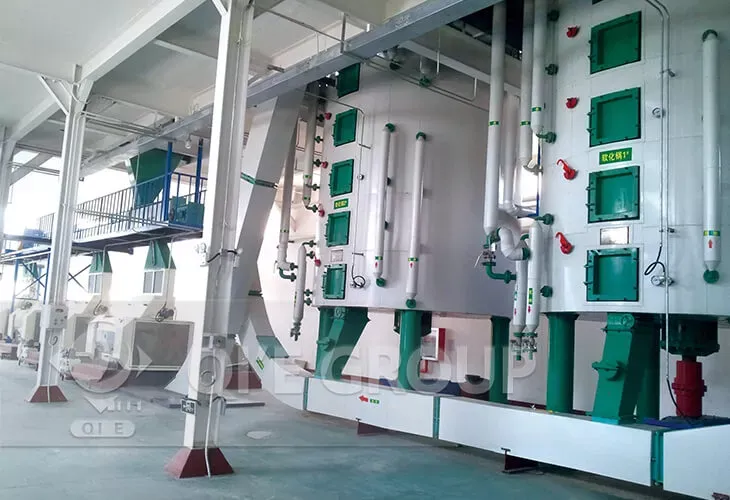
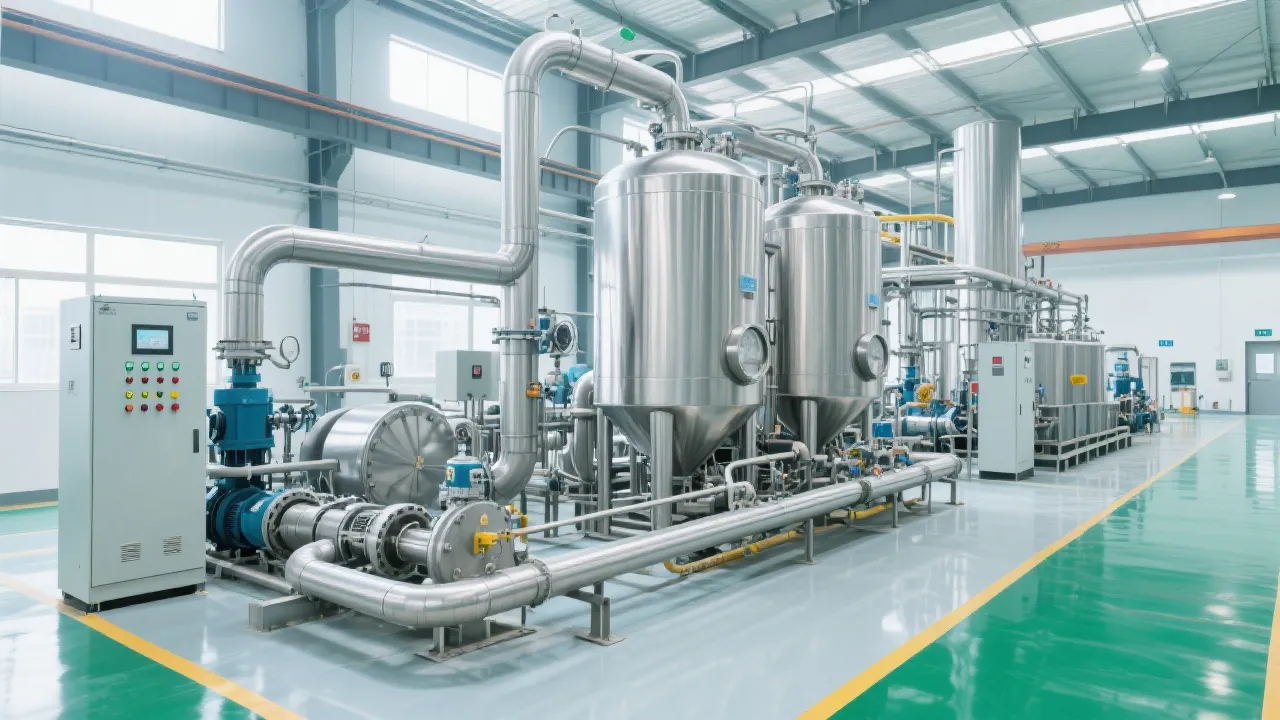
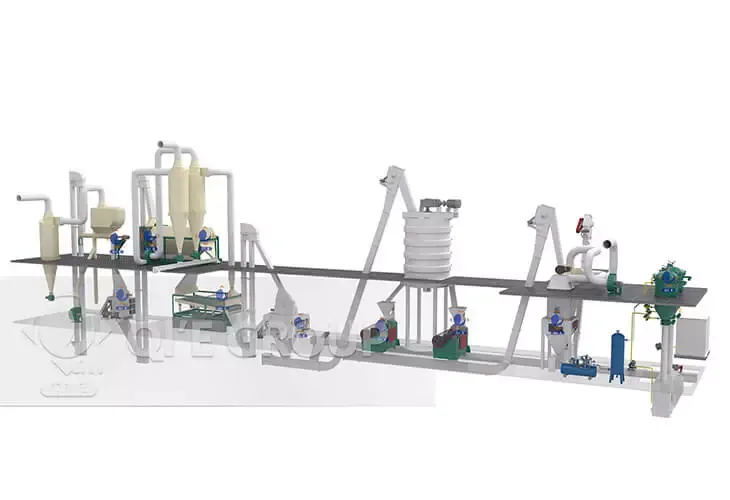
The combined degumming, deacidification + dewaxing integrated equipment works in a way that integrates multiple processes. It first removes gum and acid from the oil and then efficiently removes wax. This integration significantly reduces the complexity of the production line, which is vital for export - grade oil production as it can ensure product consistency and quality stability. For example, in a recent project, the integrated equipment reduced the production cycle by 30% compared to non - integrated methods, enabling enterprises to meet tight international order deadlines more effectively.
There are four common dewaxing methods in the oil processing industry: the conventional method, the solvent method, the surfactant method, and the combined method. Each has its own operation points, applicable scenarios, and economic indicators.
| Method | Operation Points | Applicable Scenarios | Economic Indicators |
|---|---|---|---|
| Conventional Method | Slow cooling and crystallization | Large - scale production with stable demand | High energy consumption, about 150 kWh per ton of oil |
| Solvent Method | Using solvents for extraction | High - end oil products with strict wax content requirements | Higher investment in solvents, wax recovery rate of about 80% |
| Surfactant Method | Adding surfactants to promote wax precipitation | Small - to - medium - scale production with limited budgets | Low investment, wax recovery rate of about 70% |
| Combined Method | Integrating degumming, deacidification, and dewaxing | Export - oriented, small - to - medium - scale enterprises | Low energy consumption, about 80 kWh per ton of oil, wax recovery rate of about 90% |
Based on real - world project data, different processes vary significantly in energy consumption, wax recovery rate, and equipment maintenance. The combined method, for instance, consumes significantly less energy compared to the conventional method. Moreover, its high wax recovery rate not only improves resource utilization but also adds to the enterprise's revenue. In terms of equipment maintenance, the integrated design of the combined method reduces the number of components, thus lowering maintenance costs by about 25% compared to non - integrated systems.
For small - and medium - sized export - oriented enterprises, the combined degumming, deacidification + dewaxing integrated equipment is highly recommended. Its integrated design enhances production line flexibility and product consistency. For example, a small - scale palm oil processing enterprise increased its production efficiency by 40% after adopting the combined method, and its products met international quality standards more easily. One of the enterprise's managers said, "The integrated equipment has brought us new opportunities. It not only simplifies our production process but also improves our product quality, which is crucial for our exports."
QIE Group, with years of project experience, offers customized services and full - process technical support. They can design the most suitable dewaxing solutions according to the specific needs of different enterprises, ensuring that enterprises can achieve high - quality edible oil mass production that meets international standards.
Interested in optimizing your oil dewaxing process? Get your专属脱蜡方案评估表 now!